


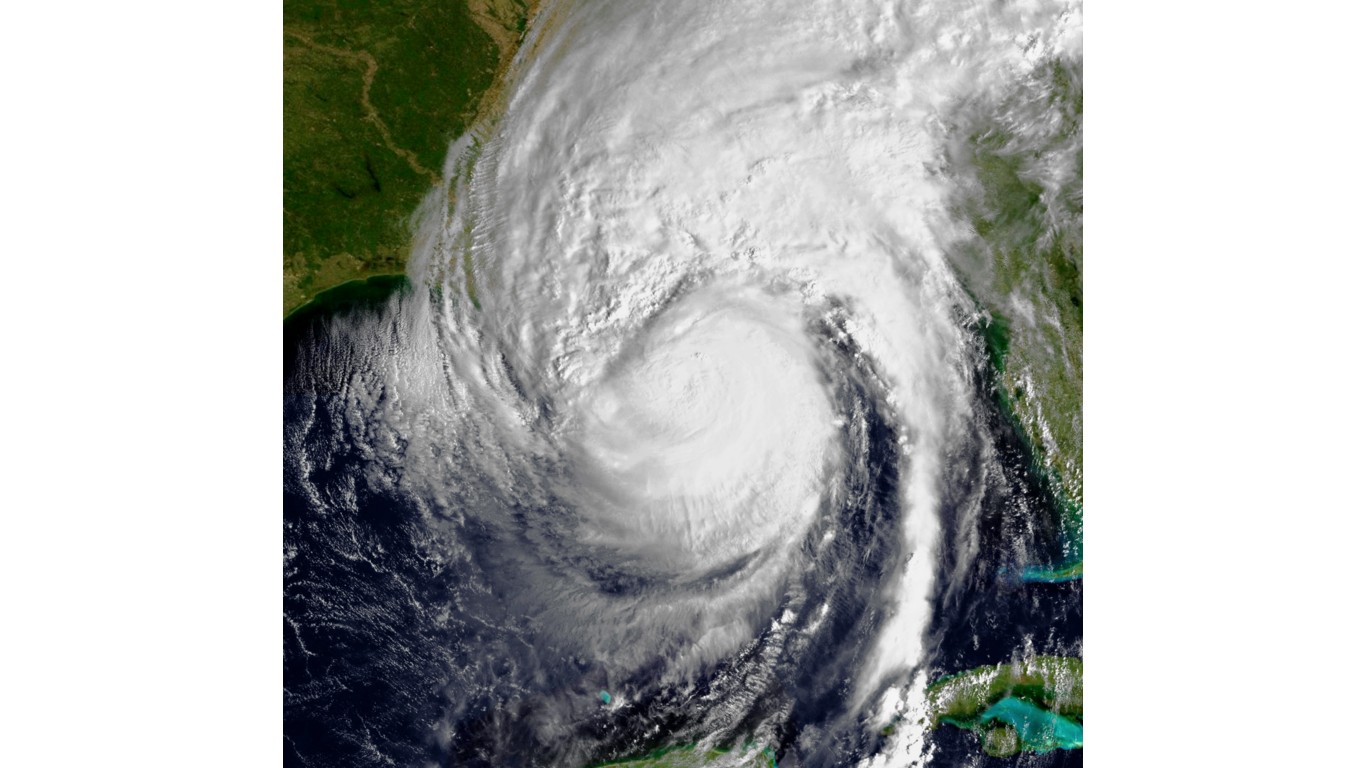
Hurricane Ida hit the United States earlier this year as a Category 4 storm. Some estimates are that it was the second most powerful hurricane to hit the country in recorded history. Ida formed on August 21 and did not dissipate until September 4. During that time, it devastated Louisiana and other parts of the Gulf Coast, and then it moved to the mid-Atlantic and up the coast to New England. It set off tornados in Pennsylvania and caused the day in New York City with the most rain ever. Despite all of this, Ida was not the most powerful hurricane of all time. One of the most powerful storms hit Galveston in 1900 and killed over 6,000 people.
To determine the most powerful hurricane of all time, 24/7 Wall St. used data from the National Oceanic and Atmospheric Administration (NOAA) dating back to 1851 to rank tropical cyclones based on estimated central pressure at the time of landfall for all hurricanes. Hurricanes were ranked according to their minimum pressure. The lower a storm’s minimum pressure, the stronger the storm is.
The frequency of tropical cyclones in a given year is rarely an indication of how intense the hurricanes may be when they make landfall; that is, how destructive they can be. Some of the most powerful storms, like Hurricane Andrew in 1992, for example, hit during one of the slower hurricane seasons of the past several decades. The strength of a hurricane is difficult to accurately predict, and the most intense storms on record vary heavily by decade, deadliness and destructiveness.
[nativounit]
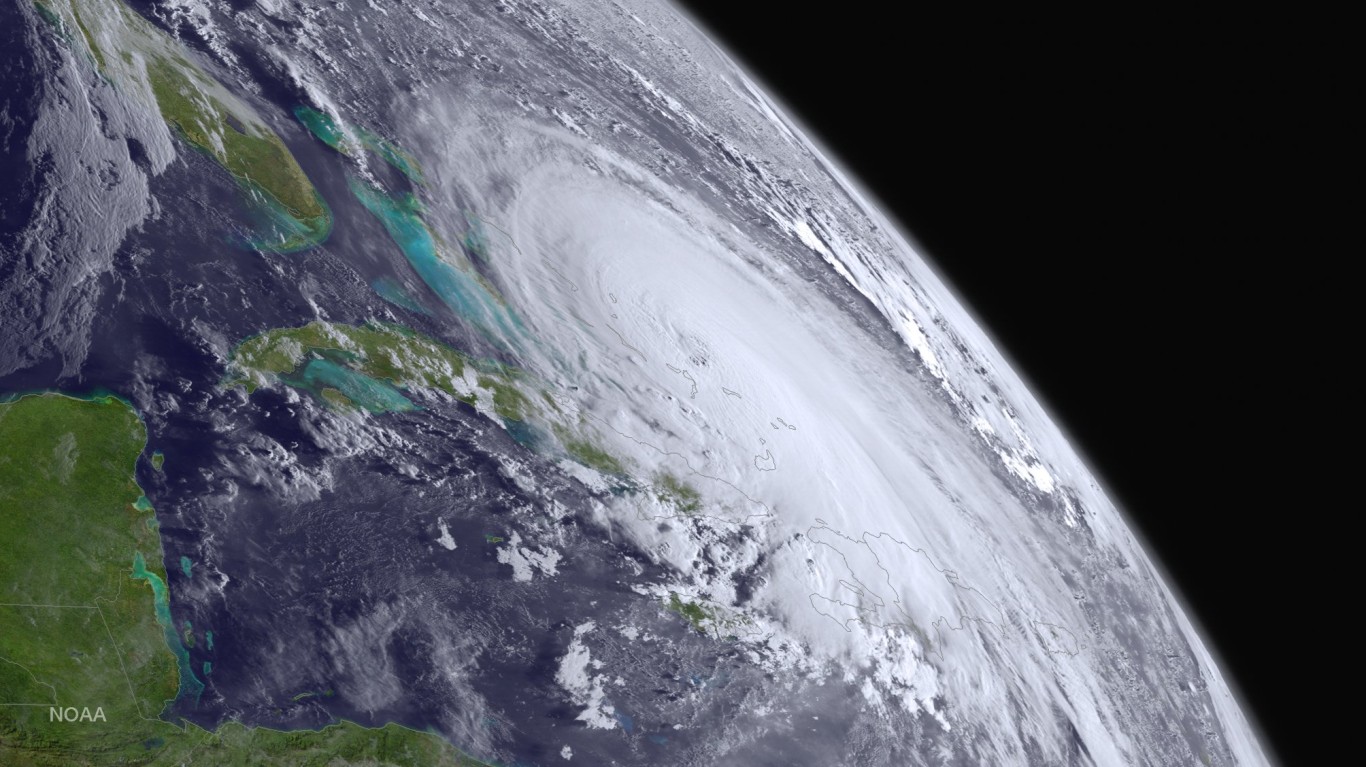
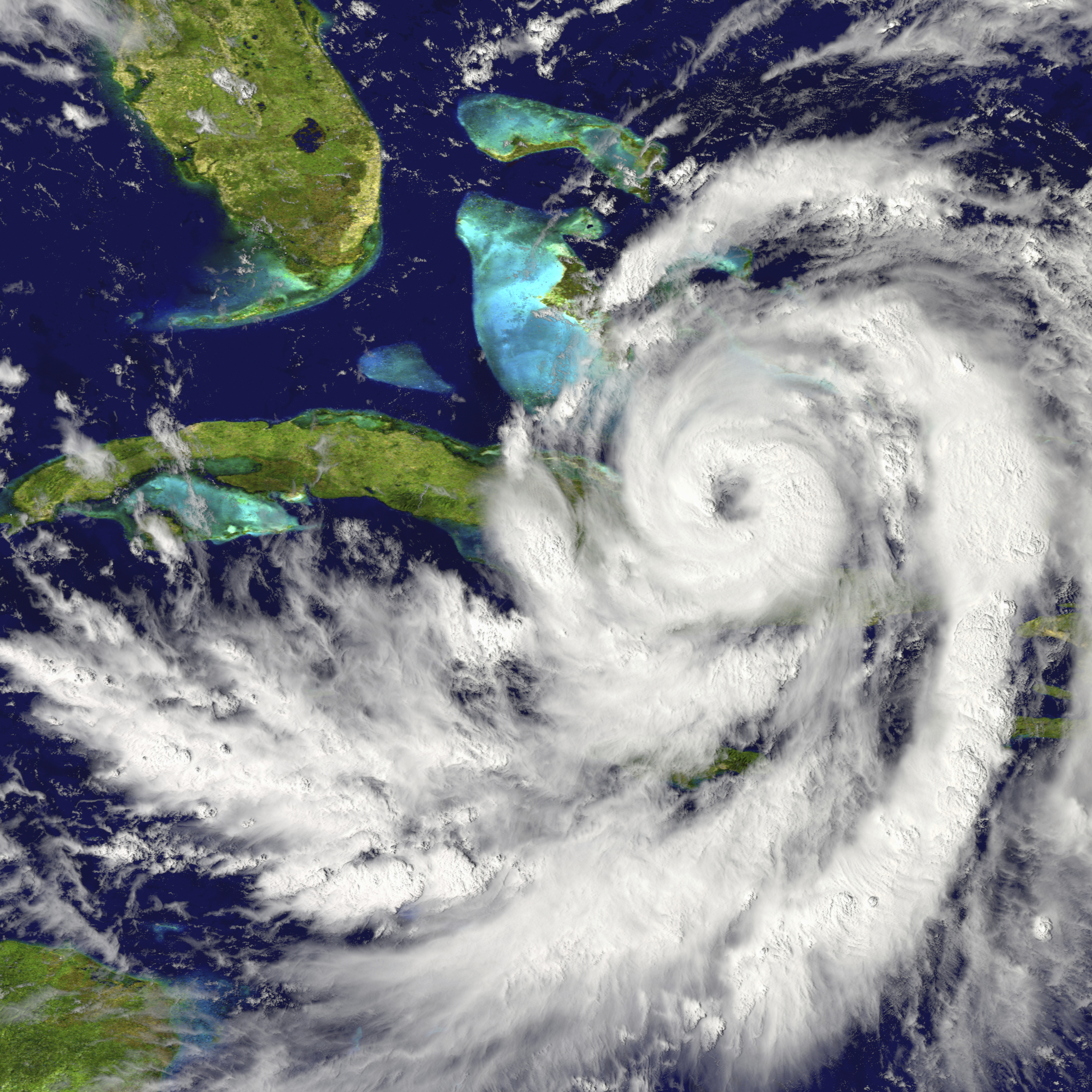
The most powerful hurricane of all time was the “Labor Day Storm” in September 1935. Here are the details:
Minimum pressure millibars: 892
Maximum wind speed at landfall: 160 mph
Maximum wind speed measured: 160 mph
Affected area: Andros Island, Florida Keys
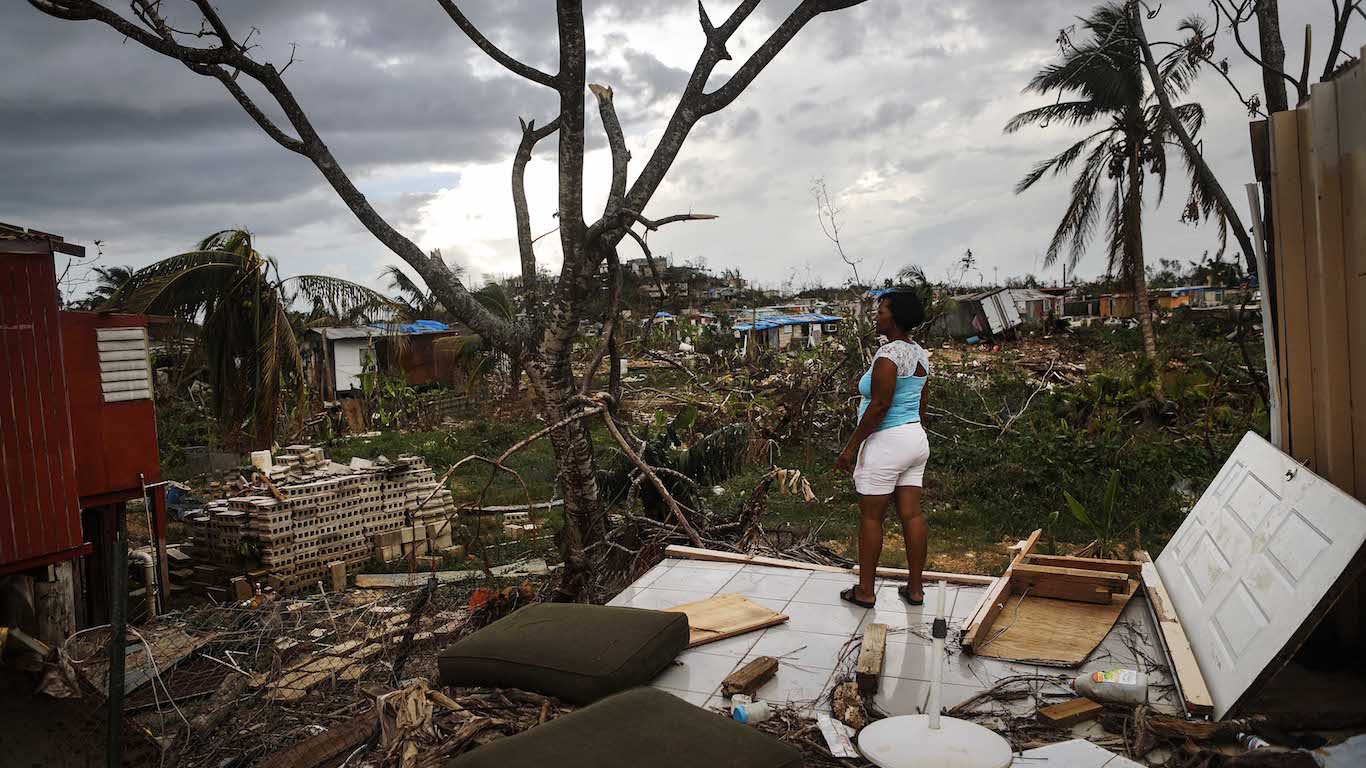
The most intense hurricanes as measured by minimum central pressure are not necessarily the deadliest or costliest storms. In most cases, the amount of damage caused by a hurricane does not only depend on its intensity but also on the amount and value of property at risk in the storm’s path. Much of the damage caused by the costliest hurricanes was caused by inland flooding triggered by torrential rain. Many of the deadliest and most expensive hurricanes made landfall in states along the Gulf Coast, where the infrastructure and economies of major cities are based on proximity to oceans and rivers.
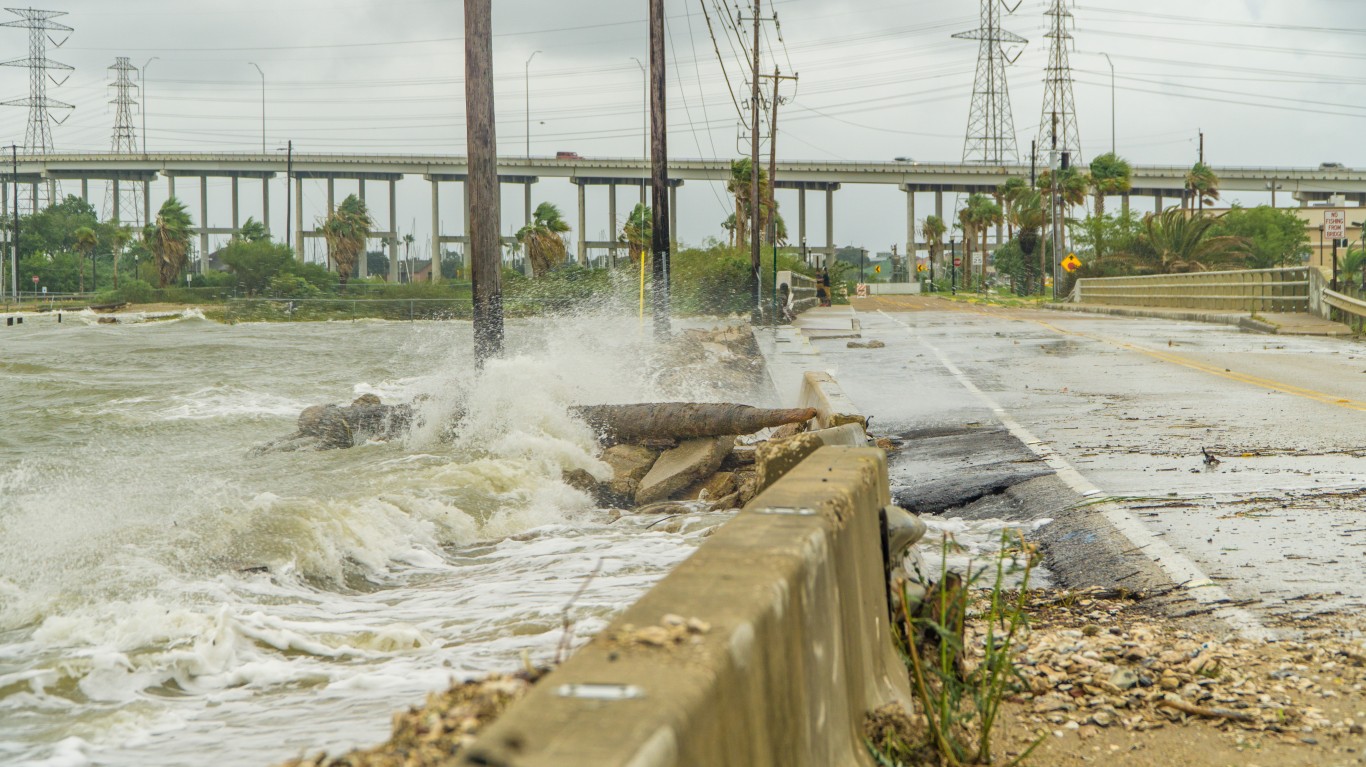
Many of the largest hurricane death tolls resulted from storm surges that caused the ocean level to rise 10 feet or higher. In the Great Galveston Hurricane in 1900, the deadliest tropical cyclone in U.S. history, a storm surge covered all of Galveston Island off the Texas Gulf Coast in 8 to 12 feet of water, destroying nearly all buildings in the vicinity and leading to the deaths of possibly 8,000 people by drowning or being crushed by debris.
While hurricanes may be growing more intense and frequent, disaster preparedness also is becoming more effective. Hurricane forecasting has advanced considerably over the past century and advanced warning has helped minimize the deadliness of many of the most powerful storms of the past several decades. Excluding 2005 (the year Hurricane Katrina directly killed about 1,200 people), the 10 years with the highest hurricane-caused death counts are all before 1960. Excluding Katrina, NOAA has reported 1,300 deaths caused by hurricanes since 1960, compared with 14,645 deaths reported between 1900 and 1960.
While hurricanes are becoming less deadly as damage mitigation strategies and disaster preparedness improve, they are also becoming more destructive. The 10 costliest hurricanes have all occurred since 1992. This may be in part because of the increased amount of property at risk today in comparison with previous decades. Adjusted for inflation, the costliest hurricanes in U.S. history were Hurricane Katrina (2005), Hurricanes Harvey and Irma (2017), Hurricane Andrew (1992) and Hurricane Ike (2008).
Tropical cyclone activity in the Atlantic Ocean often peaks in the late summer, when the temperature differences between the wind and sea surface are the greatest. Of the 70 most intense hurricanes since 1851, 63 occurred in August, September or October.
Methodology: To identify the most powerful hurricane, 24/7 Wall St. reviewed NOAA’s hurricane database (HURDAT 2), which tracks the date, time, location, minimum pressure (in millibars) and wind data for hurricane episodes from 1851 to 2019. Hurricanes were ranked according to their minimum pressure in millibars, where one millibar is the equivalent of 100 pascals in pressure. The lower a storm’s minimum pressure, the stronger the storm is. For context, air pressure is 1,013 millibars at sea level.
Click here to read The Most Powerful Hurricanes of All Time
[wallst_email_signup]






 Top Gaining Stocks
 Top Losing Stocks