


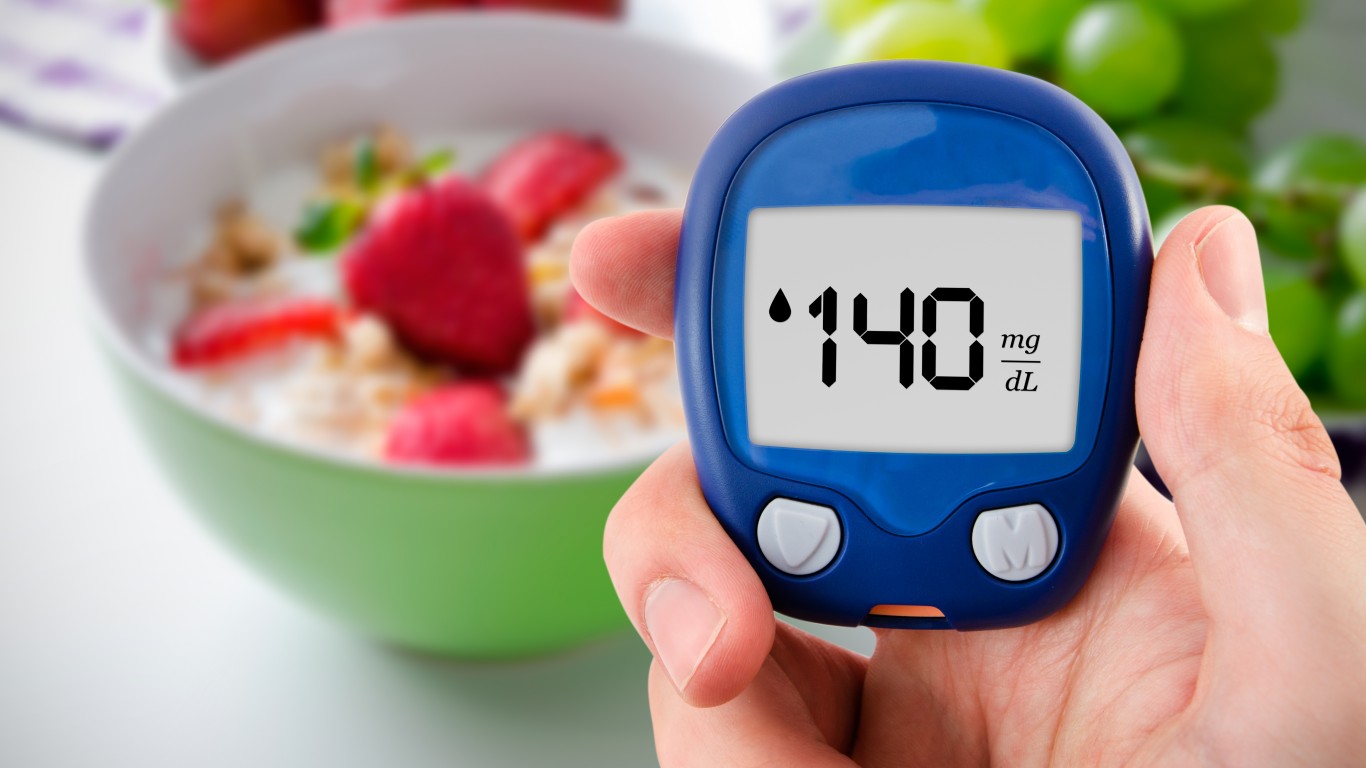
Xeris Pharmaceuticals Inc. (NASDAQ: XERS) shares pushed higher on Tuesday after the firm announced positive topline results from its midstage study in adults with Type 1 diabetes mellitus.
Results from the in-clinic stage of the Phase 2 Exercise-Induced Hypoglycemia (EIH) study show that a mini dose of ready-to-use (RTU) glucagon was adequate to maintain normal blood glucose levels during prolonged, moderate-to-intense aerobic exercise.
Episodes of hypoglycemia were observed both during and after the prescribed exercise session. Overall, there were more EIH episodes among subjects who received standard of care (placebo plus 50% insulin pump reduction) than subjects who received RTU glucagon plus 50% insulin pump reduction.
The use of glucose tablets to treat hypoglycemia during and after exercise was less with RTU glucagon when compared to standard of care. Treatment-emergent adverse events with a mini dose of RTU glucagon were comparable to placebo, including negligible injection site reactions. In this phase of the study, mini doses of RTU glucagon were safe and well tolerated and no serious adverse events occurred.
[nativounit]
Paul R. Edick, Xeris board chair and CEO, commented:
For people with Type 1 diabetes, prolonged and vigorous aerobic exercise can be dangerous if not planned out and executed carefully. The current standard of care includes multiple preparation steps, such as insulin pump reduction well before exercise, and eating high glucose foods before, during, and after the exercise session. These steps can be a barrier to exercise, and therefore, many people with diabetes do not achieve 2 ½ hours of aerobic exercise per week as per ADA guidelines. Our goal with this study is to show that a mini dose (150 µg) of Xeris’ liquid stable glucagon, administered immediately prior to aggressive aerobic exercise, can alleviate this burden and prevent exercise-induced hypoglycemia. This data from the in-clinic portion of our ongoing Phase 2 study, we believe indicates that we can do just that. The second half of the study, where subjects will be exercising on their own at home, will inform us further as to the safety and effectiveness of using mini doses of glucagon to reduce the risk of experiencing hypoglycemia during exercise for this population.
Shares of Xeris were last seen up about 13% at $6.54, in a 52-week range of $5.76 to $18.88. The consensus price target is $18.00.
[recirclink id=605690]
[wallst_email_signup]







 Top Gaining Stocks
 Top Losing Stocks