


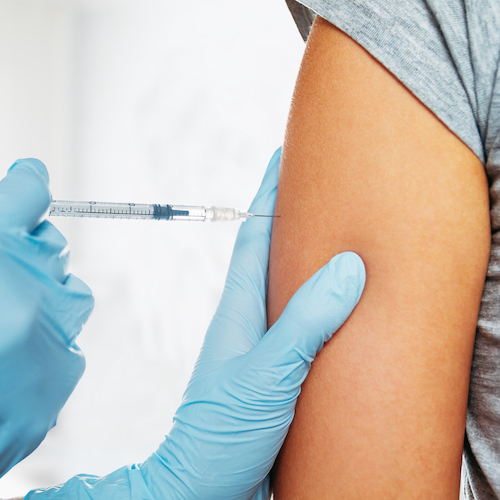
This may turn out to be a pivotal year in antibiotic development, after decades of dramatic decline in the space. While 1980 to 1984 saw 18 new antibiotic approvals, the period from 2005 and 2012 saw only four. As resistance becomes a more and more pressing issue, now even threatening to make routine surgery very difficult due to infection concerns, the need for new antibiotics is becoming very urgent.
The main problem is that antibiotics are still mostly effective, and new antibiotics don’t earn much revenue. But since resistance eventually will knock older antibiotics out of the market, then without significant incentives now, it may be too late to find new treatments when they are needed most.
Thankfully, legislative incentives from Congress are starting to have an effect. Nine new antibiotics have been approved since 2012, most of those since 2014, with the passage of the ADAPT Act incentivizing development. Despite the good news, no new class of antibiotics has been approved since 1987, and no better way of delivering them since the discovery of penicillin.
Thanks to progress made in 2017 though, it looks like 2018 could see both a radically new way of delivering antibiotics and finally the first new class approved in 30 years. Here are three companies involved in these advances.
[nativounit]
Paratek Pharmaceuticals
Paratek Pharmaceuticals Inc. (NASDAQ: PRTK) is the first company to develop a new class of antibiotics in three decades. The new class is called aminomethylcyclines. In June last year, Paratek’s main candidate omadacycline in a Phase 3 study showed improved efficacy in bacterial infections versus linezolid, a current standard of care for resistant infections.
Then, in April, Paratek showed the new antibiotic achieved statistical noninferiority to moxifloxacin for community acquired bacterial pneumonia. Most recently, Paratek announced positive results from yet another Phase 3 trial in acute bacterial skin and skin structure infections, meeting all primary and secondary endpoints.
Its stock is up 92% from a year ago and near its highs, but approval has not been formally given yet. The new drug application is scheduled for 2018. Since approval is highly likely, 2018 could see a nice bump for the stock upon formal approval and beyond.
Insmed
Insmed Inc. (NASDAQ: INSM) is in the business of sharpening antibiotic delivery. Amikacin is one of the most poisonous and powerful antibiotics known that can only be currently taken as a last resort in cases of life and death. Insmed’s formulation known as ALIS (for amikacin liposome inhalation suspension) encases the antibiotic in a lipid cushion for the treatment of non-tuberculous mycobacterium. The idea is to prevent direct contact with the blood, preventing poisonous side effects.
A Phase 3 trial recently met its primary endpoint after six months of treatment in 29% of patients, compared to 9% on standard of care. Approval is expected in 2018, which could give a big boost to Insmed shares beyond what they have already experienced this year.
[recirclink id=425101]
Matinas Biopharma
Similar to Insmed, this company is formulating a new way of delivering currently poisonous antibiotics. Matinas Biopharma Holdings Inc. (NASDAQ: MTNB) is more of a long term anti-infective play rather than a quick turnaround based on an imminent FDA approval, because it has yet to conduct any Phase 3 trial. Any significant revaluation depends on developments in 2018.
Matinas’s main pipeline candidate is designed for leukemia patients as a prophylactic. Since leukemia patients are immunocompromised, they are prone to invasive infections. They also need antibiotics (or antifungals as the case may be) that are not broken down in the liver due to drug-to-drug interaction potential. The only antifungal known to fit the profile is amphotericin B, a poisonous antifungal only taken as a last resort due to potentially fatal side effects.
Matinas has completed Phase 2 trials showing that its formulation of amphotericin B all but eliminates poisonous side effects. It does this by encasing the antifungal in an envelope called an encochleate, much like Insmed encases amikacin in a liposome. A Phase 3 study is scheduled for 2018.
The same technology driving amphotericin B is being used in amikacin, the selfsame drug that succeeded in Phase 3 for Insmed, resulting in a $1 billion revaluation.
[wallst_email_signup]
Whichever company succeeds, if any, the anti-infective space is likely strengthen as antibiotic resistance becomes a more and more serious issue. Whether it’s entirely new classes of antibiotics or better ways of administering existing ones, the space is much ignored with a big potential for growth over the next 10 years and beyond.








 Top Gaining Stocks
 Top Losing Stocks