


 Home sales and home prices are supposed to improve in the spring despite the fact that government programs to encourage purchases will go away. Defaults must fall to fuel the recovery. If they do not the inexpensive inventory on the market will grow, increasing supply during a period of tentative demand.
First American CoreLogic, which measures default rates among other data on housing, reported that distressed sales activity rose sharply in January, accounting for 29% of all sales for the month. That is very near the figure in April 2009 during the worst of the credit and housing crisis.
First AmericanCoreLogic points out that “Distressed sales have a very strong influence on home price trends and are an indicator of a housing market’s health.”
It is not much of a surprise that most of the distressed sales were in the worst housing markets including some parts of Nevada, Detroit, and California. This sales activity will only serve to drive prices down further worrying potential buyers that the values of the homes they buy could fall further after purchase.
First American CoreLogic does not give a reason for the trend but it is almost certainly driven by the nearly 10% unemployment rate and the fact that 11 million homes in the US have underwater mortgages. These home loans give occupants a reason, sometimes, to abandon houses that the residents believe will never have any positive value. The monthly payments they make keep a roof over their heads but not much more than that. Renting is a tempting alternative as is live with friends and relatives.
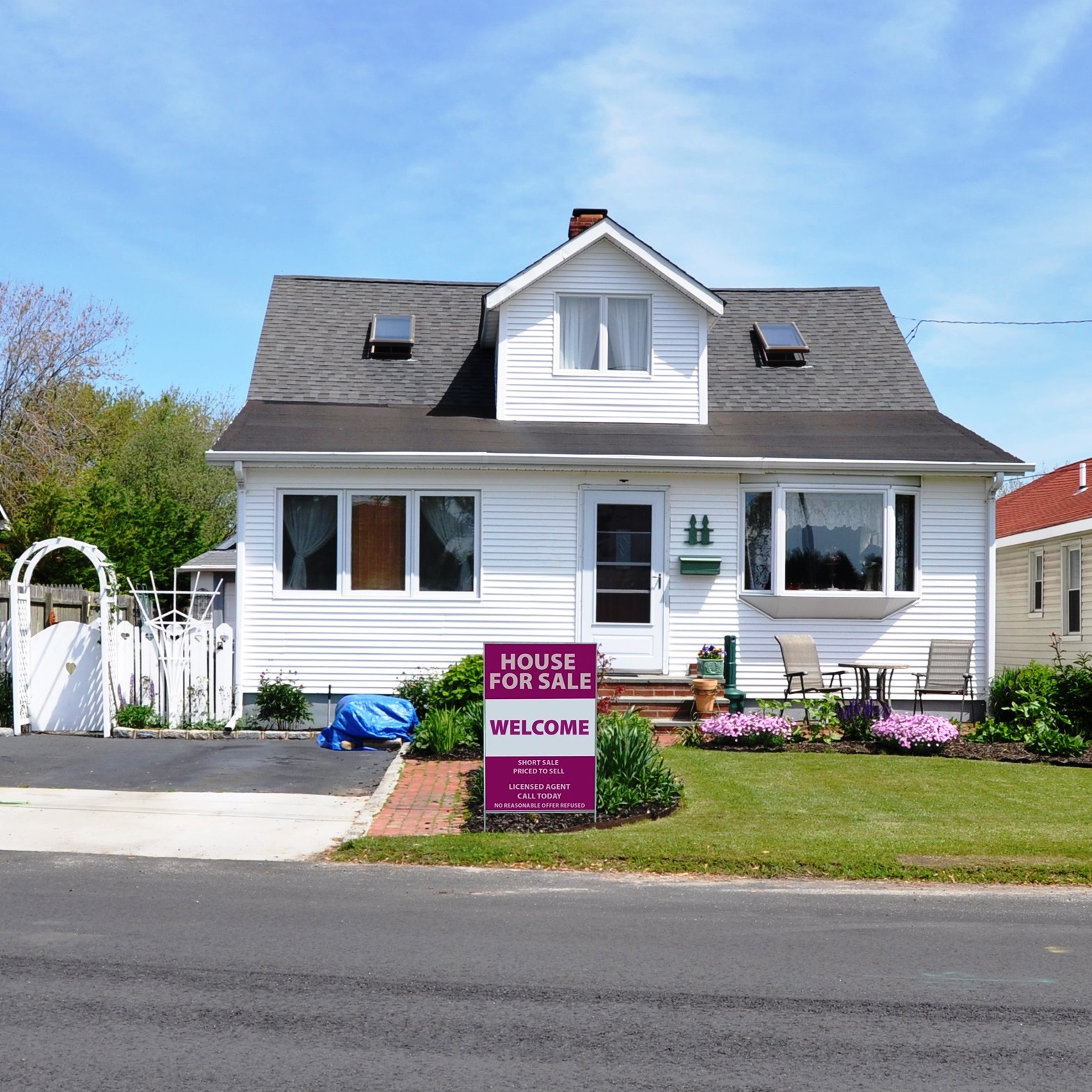
Those who believe that the worst of the housing crisis is past need only look at the number of regions with “For Sale” signs on a large percentage of the homes. Otherwise, their opinions are just guesses.
Douglas A. McIntyre






 Top Gaining Stocks
 Top Losing Stocks