


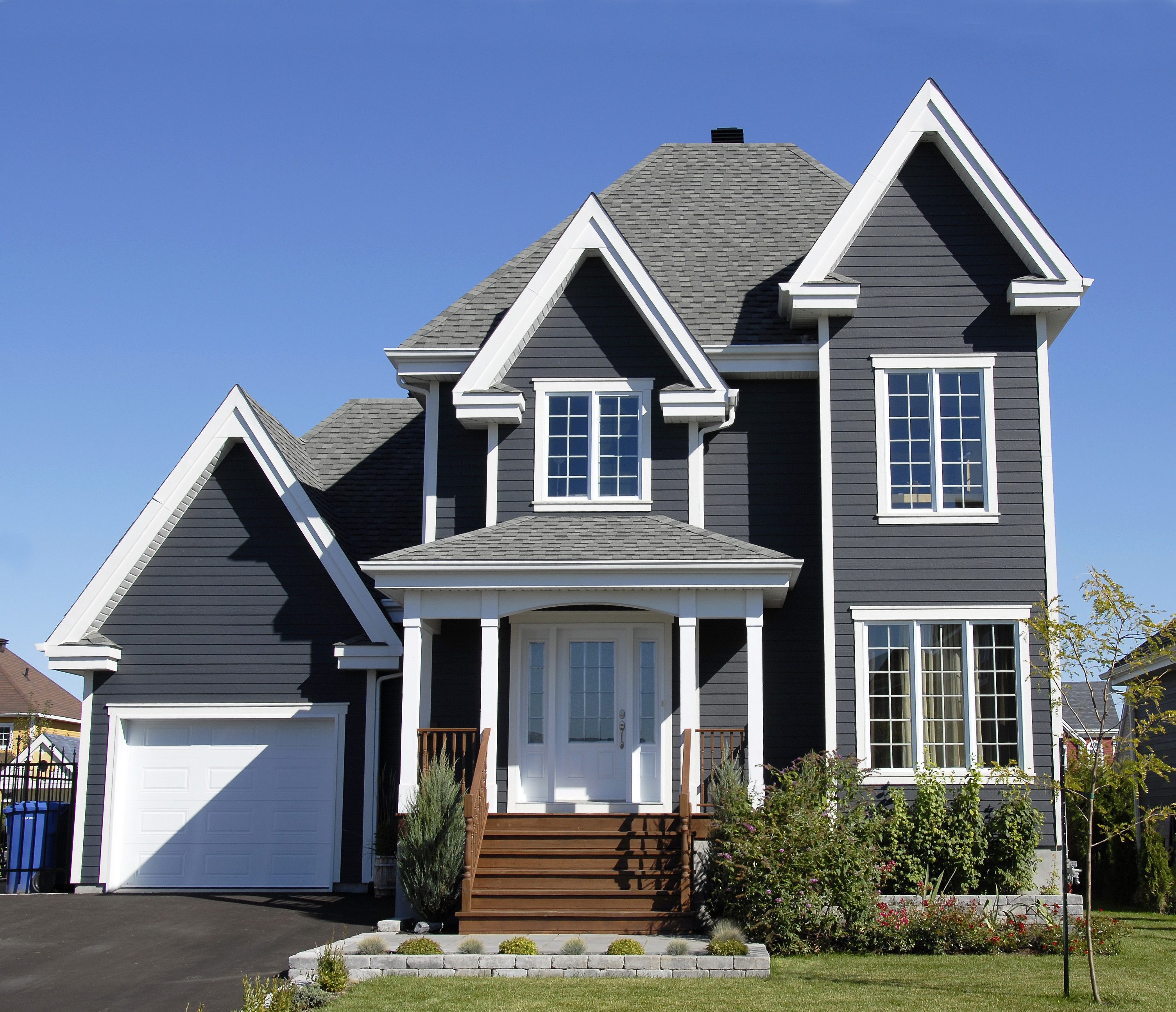
House prices dropped the most in San Francisco, where they tumbled 0.9% compared with the December index, which rose 0.5% compared with November. House prices have increased 7.9% year-over-year in San Francisco, the fourth-largest annual increase among the 20 cities.
The S&P/Case-Shiller home price index for January increased by 4.6% year-over-year for the 20-city composite index and by 4.4% for the 10-city composite index. The national index rose 4.5% year-over-year, compared to a 4.6% gain in December. The consensus estimate for the 20-city year-over-year index called for growth of 4.5%.
Month over month, both the 10-city and the 20-city indexes remained flat, while the national index fell by 0.1%, identical with the November to December drop posted last month.
The index tracks prices on a three-month rolling average. January represents the three-month average of November, December and January prices.
ALSO READ: 8 Housing Markets With the Longest Road to Recovery
Average home prices for January remain comparable to their levels in the autumn of 2004.
Compared with their peak in the summer of 2006, home prices on both indexes remain down about 16% or so. Since the low of March 2012, home prices are up 28.2% and 29.0% on the 10-city and 20-city indexes, respectively. Recovery levels are essentially flat, compared with December 2014 levels.
All 20 cities in the index posted year-over-year gains. In 10 cities, the month-over-month change was negative: San Francisco (-0.9%); Seattle (-0.5%); Washington, D.C. (-0.5%); Tampa (-0.3%); Minneapolis (-0.3%); Detroit (-0.3%); Atlanta (-0.2%); Chicago (-0.2%); Los Angeles (-0.2%); and Cleveland (-0.1%).
Year-over-year house price changes in January were smallest in Washington, D.C. (+1.3%); Cleveland (+1.6%); and New York (+2.1%).
The chairman of the S&P index committee said:
The combination of low interest rates and strong consumer confidence based on solid job growth, cheap oil and low inflation continue to support further increases in home prices. … Despite price gains, the housing market faces some difficulties. Home prices are rising roughly twice as fast as wages, putting pressure on potential homebuyers and heightening the risk that any uptick in interest rates could be a major setback. Moreover, the new home sector is weak; residential construction is still below its pre-crisis peak. Any time before 2008 that housing starts were as low as the current rate of one million, the economy was in a recession.








 Top Gaining Stocks
 Top Losing Stocks