



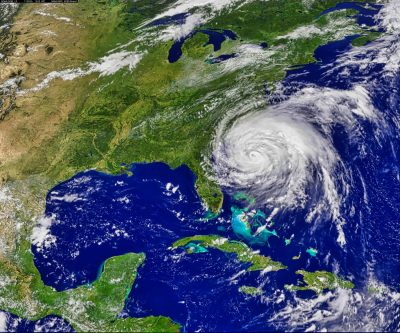
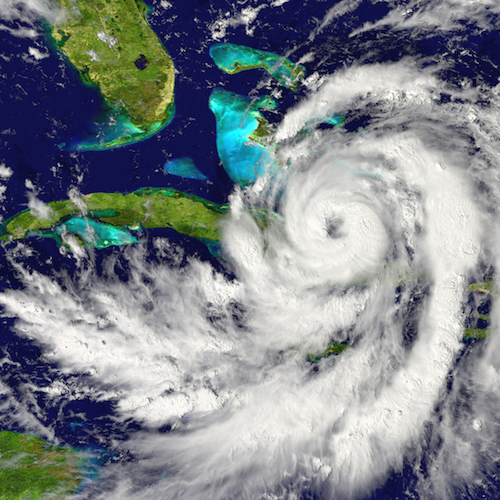
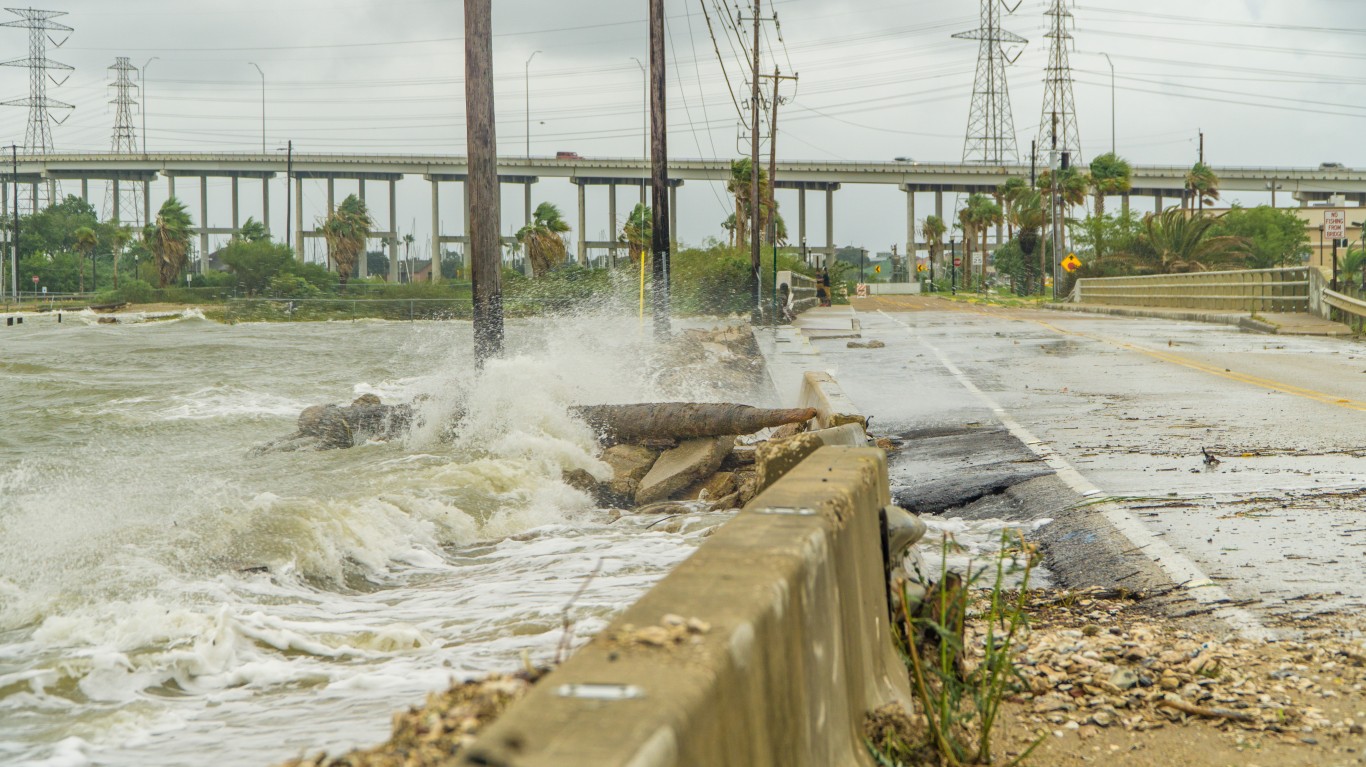
The eastern coast of Florida is braced for its worst hurricane in years. Hurricane Matthew has strengthened into a category 4 storm, a major hurricane with winds up to 140 miles per hour. After Florida gets hit late Thursday night or in the early hours of Friday, the coastal areas of Georgia, South Carolina and North Carolina are on alert and under warnings as well.
Unfortunately, more than 100 deaths have already been recorded in Haiti as of this time. More reports will be coming in over the coming days.
The nation will be watching the damage closely here from Hurricane Matthew, but now there is Hurricane Nicole out in the Atlantic Ocean.
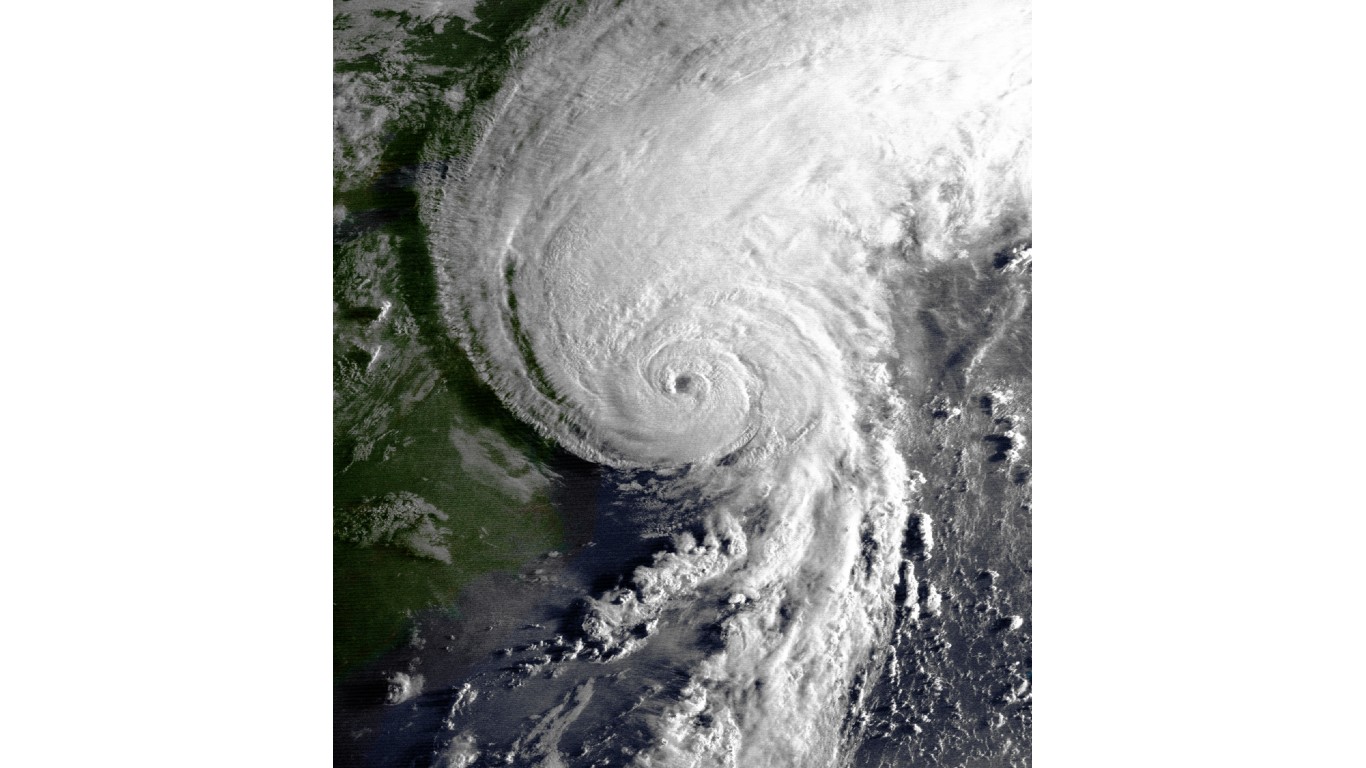
Nicole was just upgraded by the National Hurricane Center from a tropical storm on Thursday afternoon. The only good news here is that this storm is not currently looking like it has its sights set on the United States. The bad news is that it is still another storm to worry about, and these storms do not always match up with projected paths.
[nativounit]
CoreLogic just pointed out that there could ultimately be as much as $325 billion worth of damage from Hurricane Matthew. That is an extreme number because it takes the entire at-risk areas into consideration.
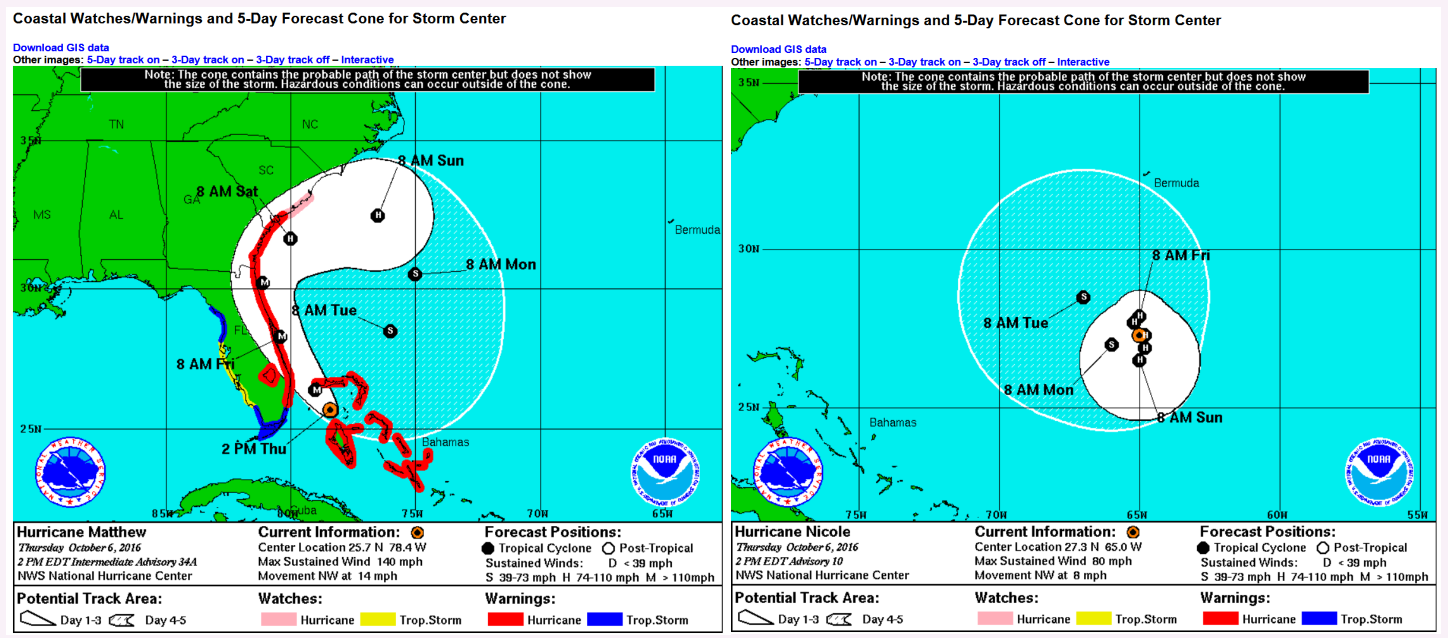
24/7 Wall St. has put the National Hurricane Center maps side by side here for an image comparison. One thing that should not be ignored here is the projected paths and cones for each between now and next Tuesday. The common identifier on the map is Bermuda (way right/east on the Matthew map and toward the top/north on the Nicole map).
PNC’s Deputy Chief Economist, Gus Faucher, just opined on how bad this storm could be economically. The historic economic impact of major natural disasters, like the approaching Hurricane Matthew, is not expected to be like the damage on the broader economy like Hurricane Katrina. This view was given as follows:
Hurricane Matthew, which could hit Florida on Friday, is unlikely to have a major impact on the U.S. economy. Even the largest natural disasters of the past quarter century—Hurricane Andrew (1992), Superstorm Sandy (2014), and the Northridge earthquake (1994)—had minimal impact on national GDP and employment. Any local disruption in economic activity is usually temporary, and is made up in the weeks and months after the disaster.
The one exception was Hurricane Katrina in 2005, which devastated much of the Gulf Coast and led to the outflow of almost 350,000 residents from the New Orleans metropolitan area. Katrina led to the temporary closure of a number of Gulf Coast oil refineries, and damaged oil and natural gas drilling rigs in the Gulf of Mexico, which boosted gasoline and other energy prices across the U.S. Katrina also caused a shutdown of the very busy Port of New Orleans and stopped barge traffic on the Mississippi River. According to the Congressional Budget Office, Katrina led to a temporary slowing in economic growth in the second half of 2005, to 2.8 percent real GDP growth at an annual rate, from 3.3 percent. But Katrina was the exception, because of the huge extent of destruction, and the impact on national energy markets and transportation. The national impact of Matthew is likely to be much smaller.
Hurricane Matthew could actually provide a near-term boost to the local economy. Areas hit by natural disasters tend to see gains in construction activity and employment in the aftermath as outside insurance and government funds arrive and rebuilding commences.
The NHC maps have been merged together with the 5-day projected cone paths. They have been included below.






 Top Gaining Stocks
 Top Losing Stocks