


24/7 Insights
- Some of the most important inventions ever were created by accident.
- Viagra is a surprising addition to this list as an accidental invention.
- Even the first known antibiotic was a happy accident.
- Also: 2 Dividend Legends to Hold Forever
Throughout history, inventions and humanity’s ingenuity have helped us emerge from the caves and create a society that can fly. From the wheel to antibiotics to the airplane, thousands of years of inventions have helped improve the world many times over. Perhaps the most shocking part about some of the biggest life-changing inventions is that they were accidental. In many cases, doctors, scientists, researchers, and workers were trying to discover or fix something else but stumbled across new opportunities, like insulin and X-rays.
This post was updated on November 24, 2025 to clarify the details that led to the invention of modern-day smoke detectors, the year of saccharine creation, burdock burrs as the inspiration for Velcro, and Nobel’s work with diatomaceous earth.
16. Chocolate Chip Cookie
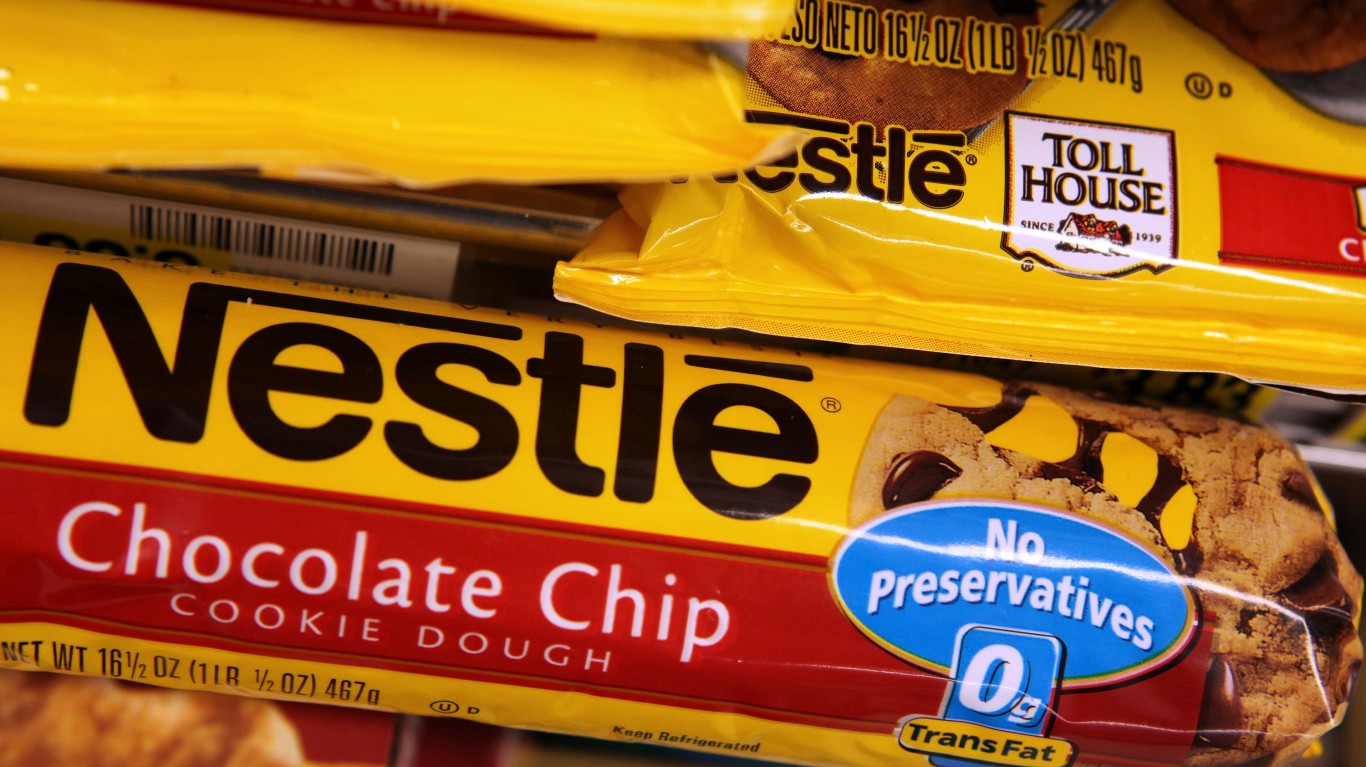
We have a happy accident to thank for the invention of chocolate chip cookies.
Is there a more impactful life-changing invention than the chocolate chip cookie? Kenneth and Ruth Graves Wakefield operated the Toll House Inn and served guests daily. While baking chocolate cookies one day, Ruth ran out of chocolate, substituting Nestle’s semi-sweet baking chocolate bar instead. As it turns out, Ruth created chocolate chips, and the world has been better ever since.
15. Blood Thinner
Blood thinners have been saving lives since the 1950s.
Today, blood thinners help treat heart attacks and blood clots, but before they saved lives, it killed rats. Better known as warfarin, this innovation was used to help eliminate a rat population attacking livestock where a Canadian veterinarian, Frank Schofield, worked in the 1920s. By 1940, biochemist Karl Link took Schofield’s work and repurposed it as a blood thinner.
14. Smoke Detectors

Smoke detectors are an invaluable way to save a life in your home.
Ironically, Swiss physicist Walter Jaeger developed the smoke detector while trying to detect poison gas. Instead of actually detecting poison gas, he detected the smoke from his cigarette. However, modern smoke detectors evolved through multiple inventors. The first practical home smoke detector was developed by Duane Pearsall in 1965. Jaeger’s device was a precursor but not the consumer smoke detector we know today.
13. Saccharin
Artificial sweeteners are hugely popular as a sugar substitute.
This artificial sugar was accidentally created in 1879 when Russian chemist Constantin Fahlberg was eating with his hands and discovered that he had unexpectedly left benzoic sulfimide residue on his hands from an experiment he had been performing earlier in the day.
12. Teflon
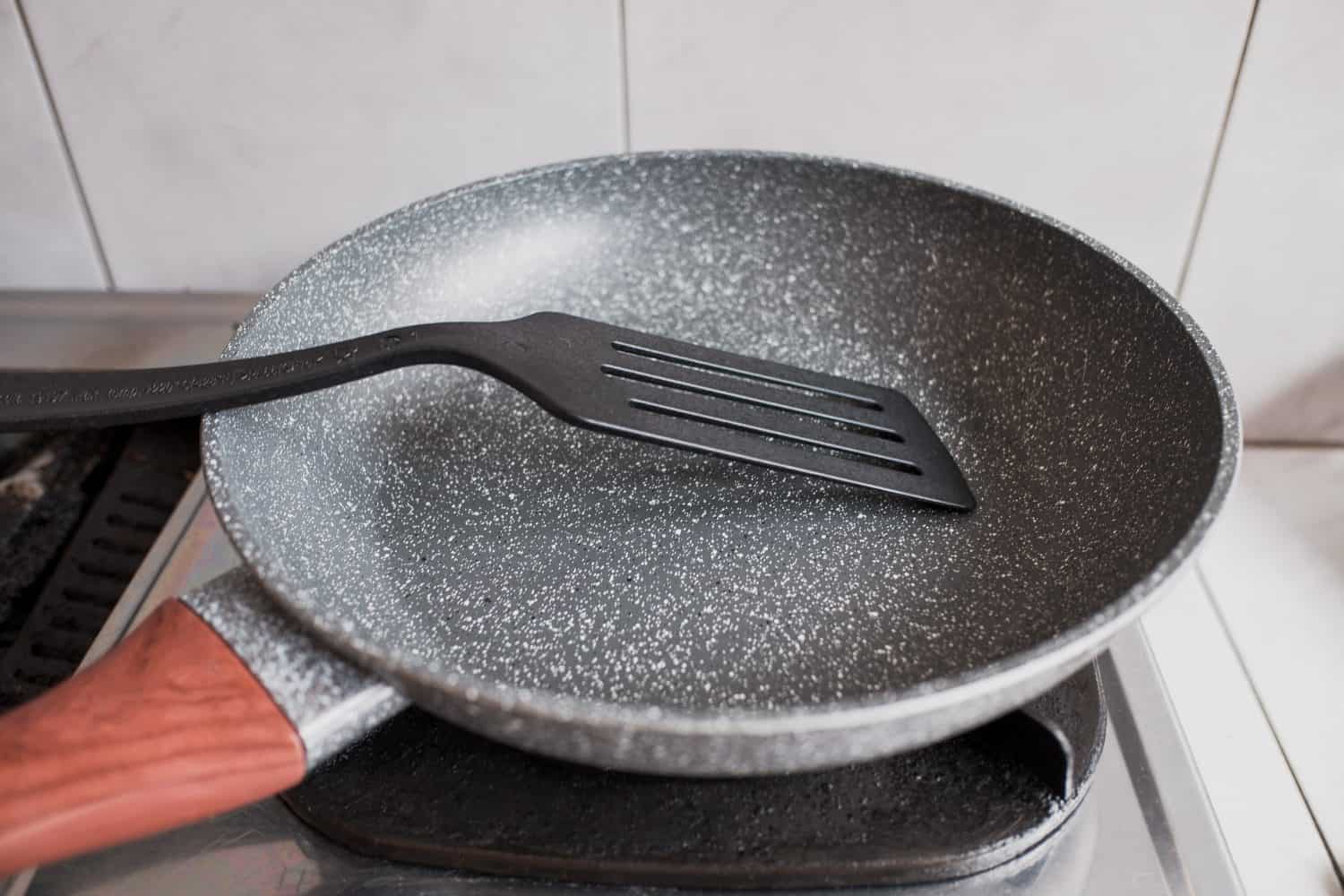
Among other uses, Teflon plays a major role in consumer pots and pans.
While not life-changing per se for individuals, the surprising discovery of Teflon would change the course of the world. Roy J. Plunkett created the first Teflon molecules while experimenting with coolant gas while working with DuPont. While his gas experiment was unsuccessful, he developed a heat-resistant and non-stick substance. Teflon would later be used in the atomic bomb.
11. Dynamite
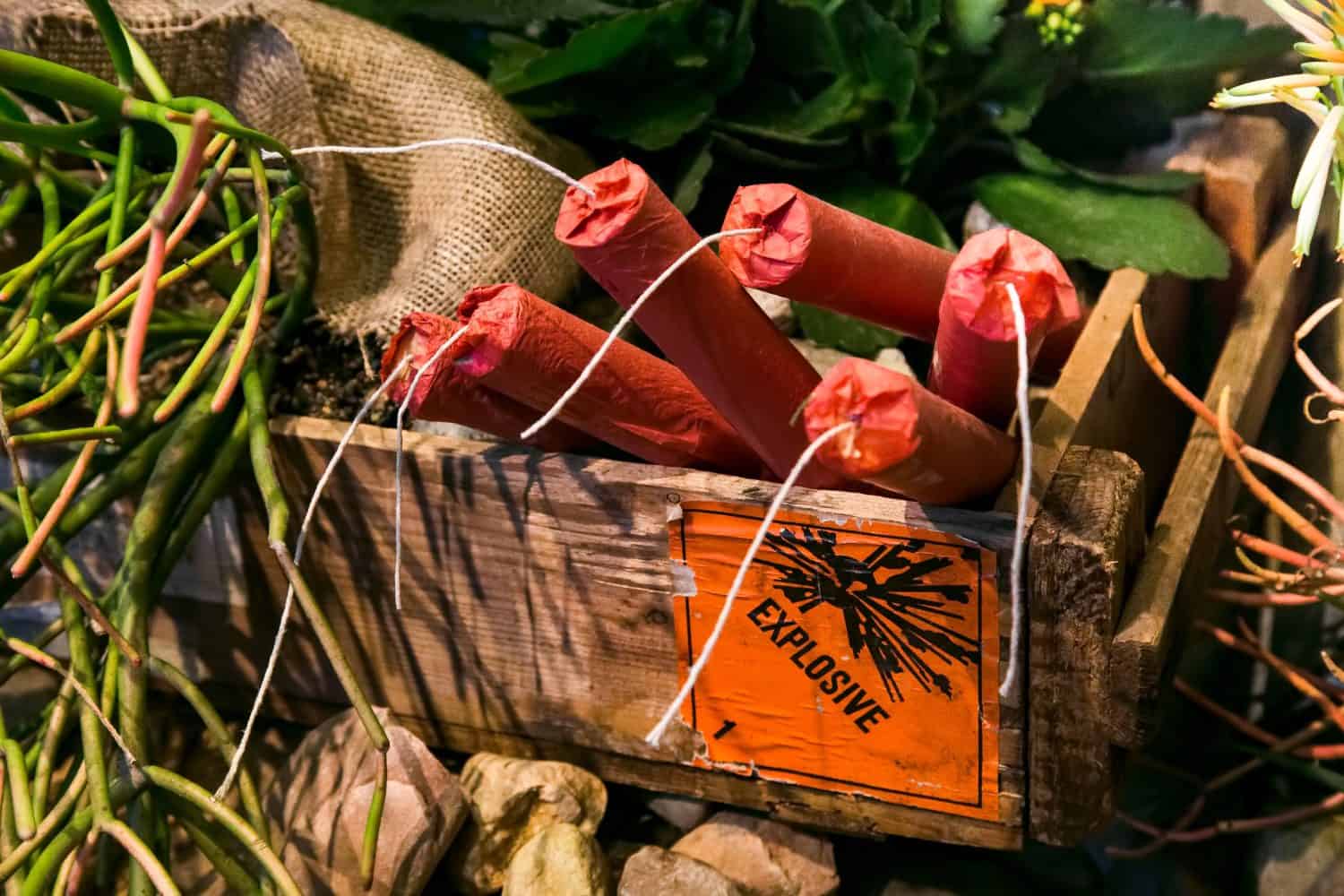
Dynamite played a big role in expanding America to the West.
Dynamite was a life-changing invention that helped create railroads throughout the United States. Perhaps most surprising is that its discovery was made by Alfred Nobel, for whom the Nobel Prize was named. His work during the 1860s led him to experiment with a safer alternative to unstable nitroglycerin, which frequently caused deadly accidents. Nobel discovered that when nitroglycerin was absorbed into a porous material called (diatomaceous earth), it became significantly more stable and easier to handle.
10. Anesthesia
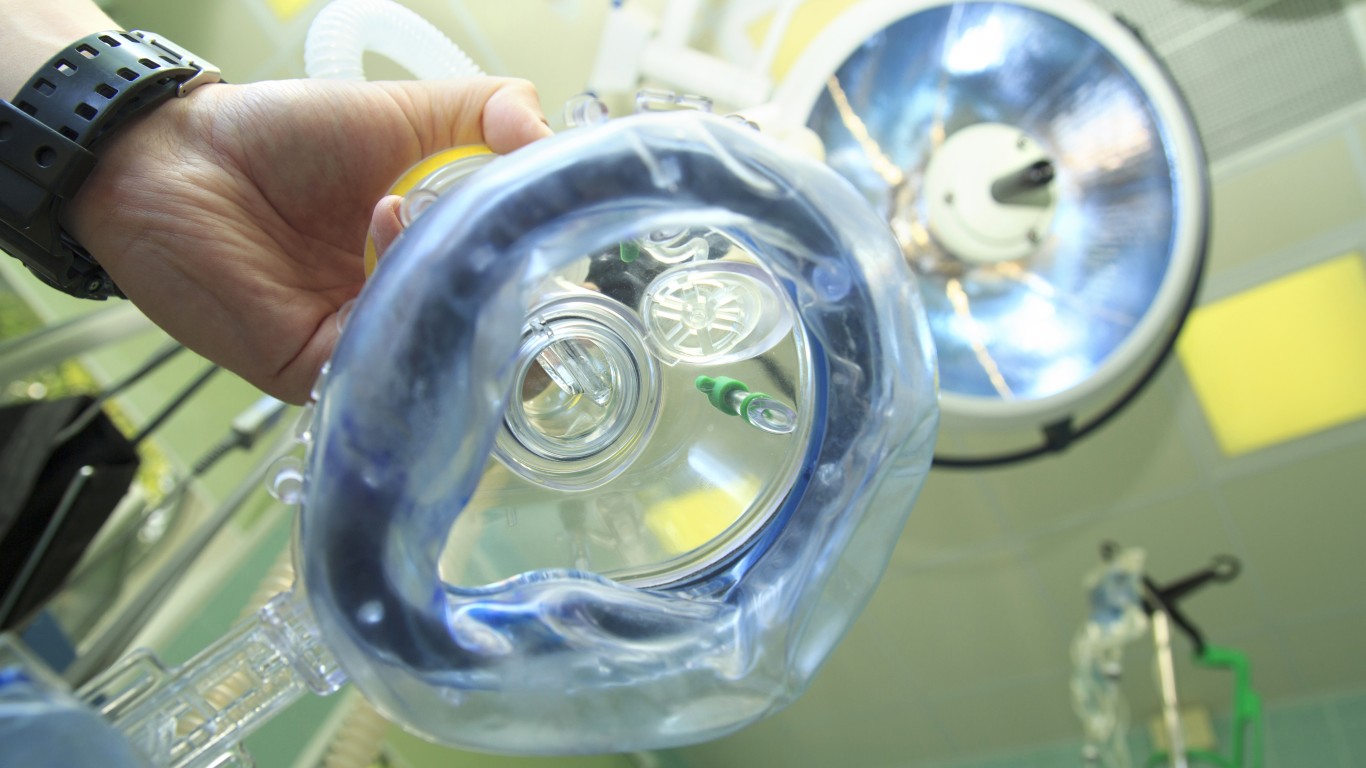
Anesthesia can help you get through medical procedures without any pain.
During a time when men would drink whisky before a medical procedure, a need was created for some other method of helping with surgery. In the late 1800s, four men, Crawford Long, William Morton, Charles Jackson, and Horace Wells, accidentally discovered through “laughing parties” that nitrous oxide provided entertainment and dulled any sense of pain.
9. Viagra
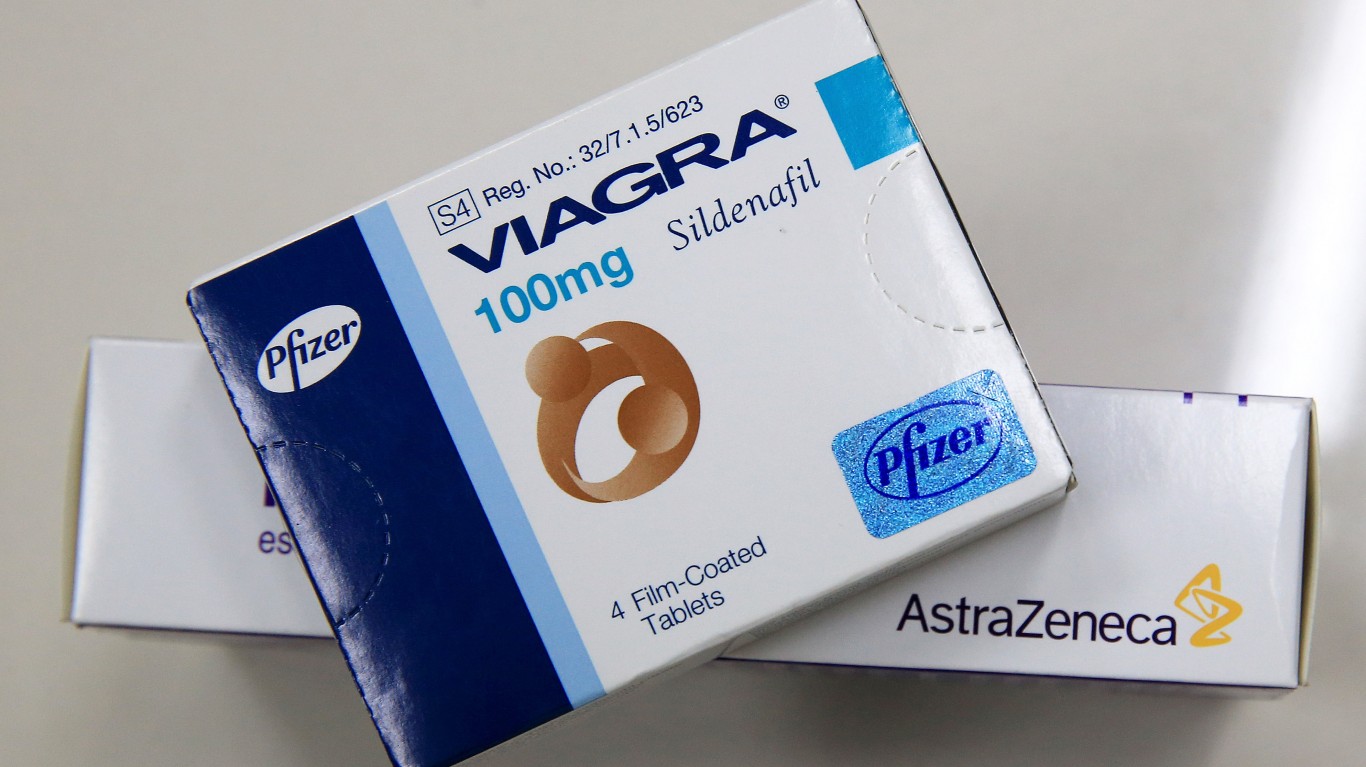
Viagra has become a go-to resource for men with specific ailments.
This special medicine for men was initially developed to treat a heart condition that affects the vessels supplying the heart with blood. However, during Viagra trials, another use was discovered while learning it didn’t help with its original intent at all. Instead, it helped men with a more discreet ailment.
8. Velcro
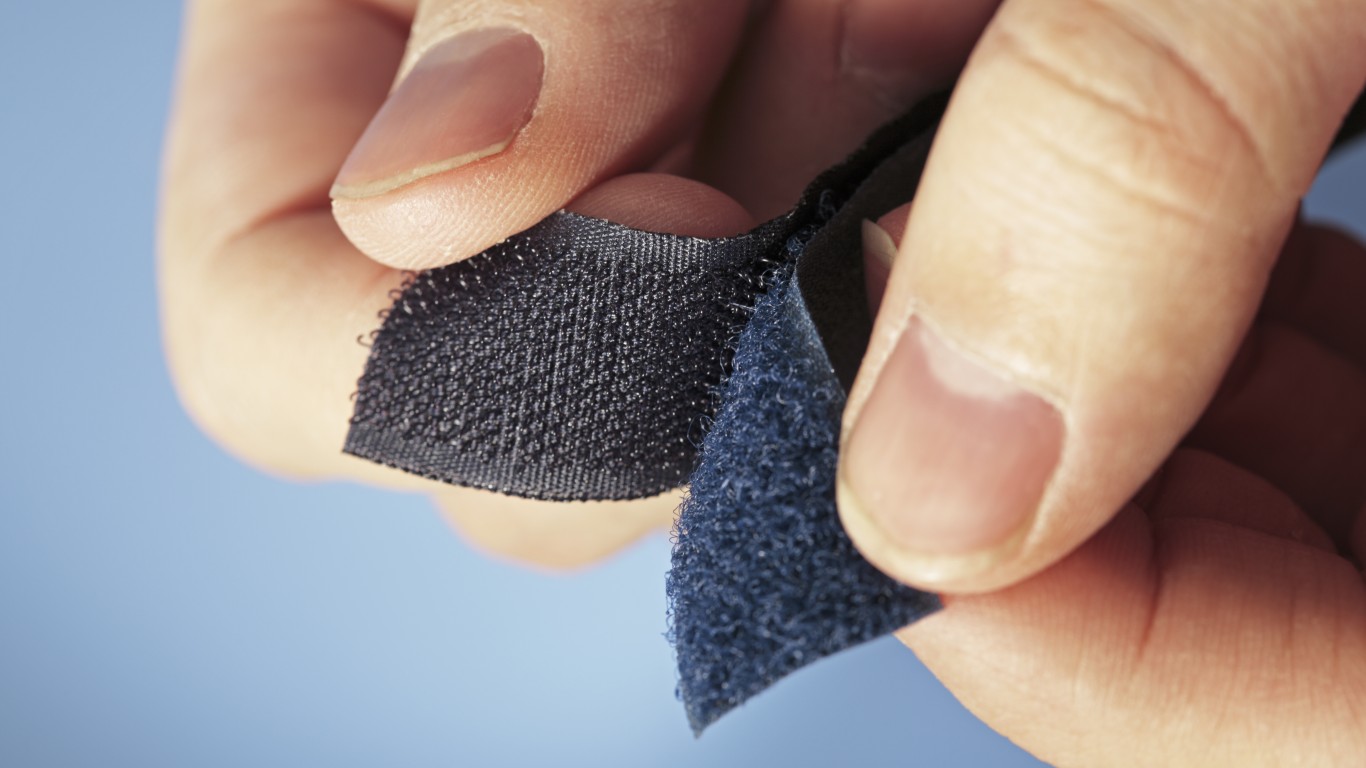
Velcro is one of those things you didn’t know you needed until you try it.
It may surprise many people that Velcro resulted from one man and his dog. George De Mestral, a Swiss electrical engineer in the 1950s, learned that burdock burrs were hooking to his clothing and his dog. George then had an idea to create a similar type of material using nylon, which led to the invention of Velcro.
7. Super Glue

Super Glue has become an invaluable part of any home improvement project.
Working for Eastman Kodak, researcher Harry Coover accidentally discovered superglue in 1951. While developing heat-resistant jet airplane canopies, Coover realized that his work developing plastic gun sights during World War II could be used for his new project. Alas, super glue was born.
6. Matches
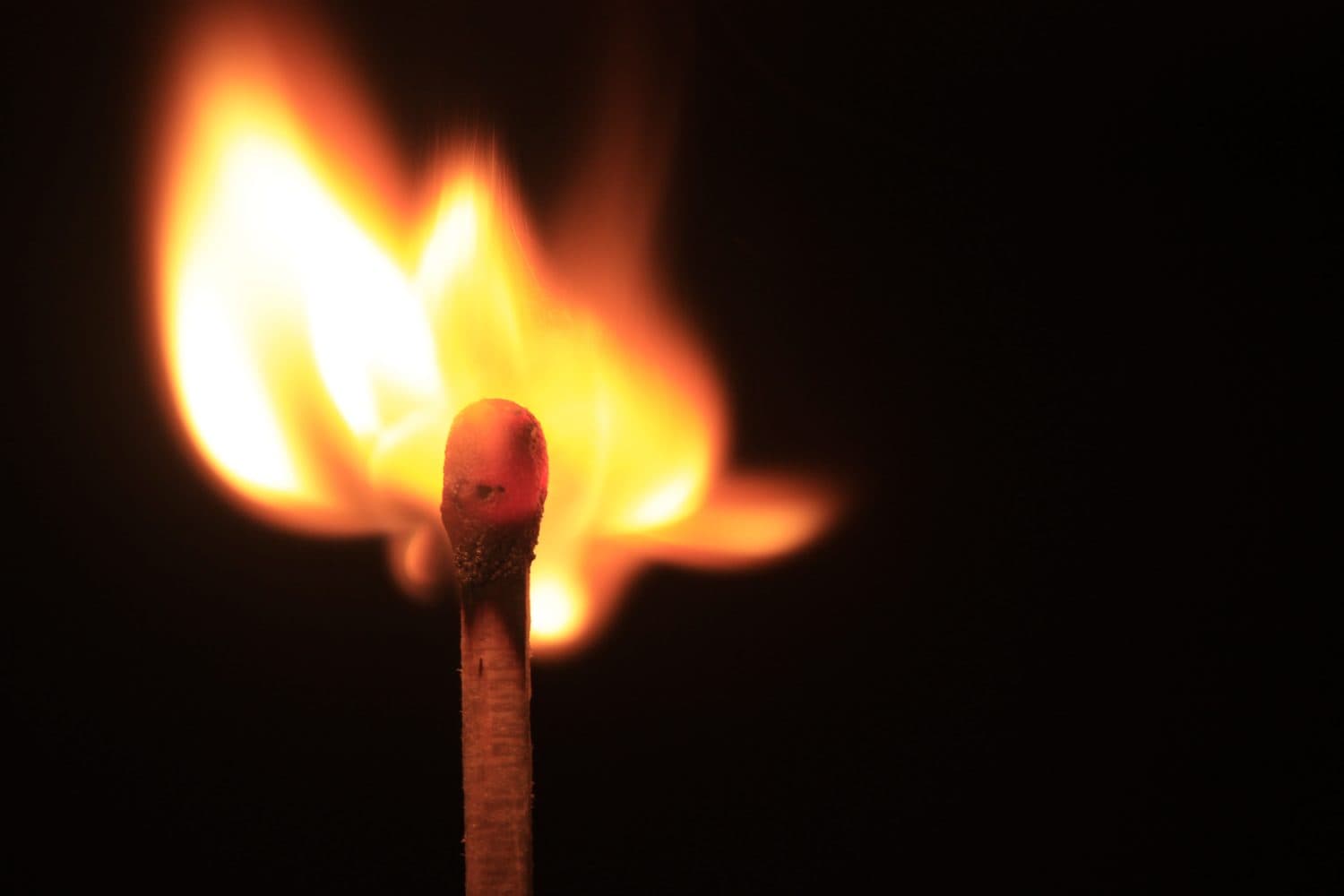
Matches have helped light fires and cook food for millions.
There is no question that matches have saved countless lives by lighting candles and fires over the years. However, matches were a complete accident. In 1826, John Walker pulled a wooden stick out of his cooking pot and tried to wipe some chemicals stuck on his kitchen table. Instead of removing the chemicals, they ignited, and the matchstick was born.
5. Microwave Oven
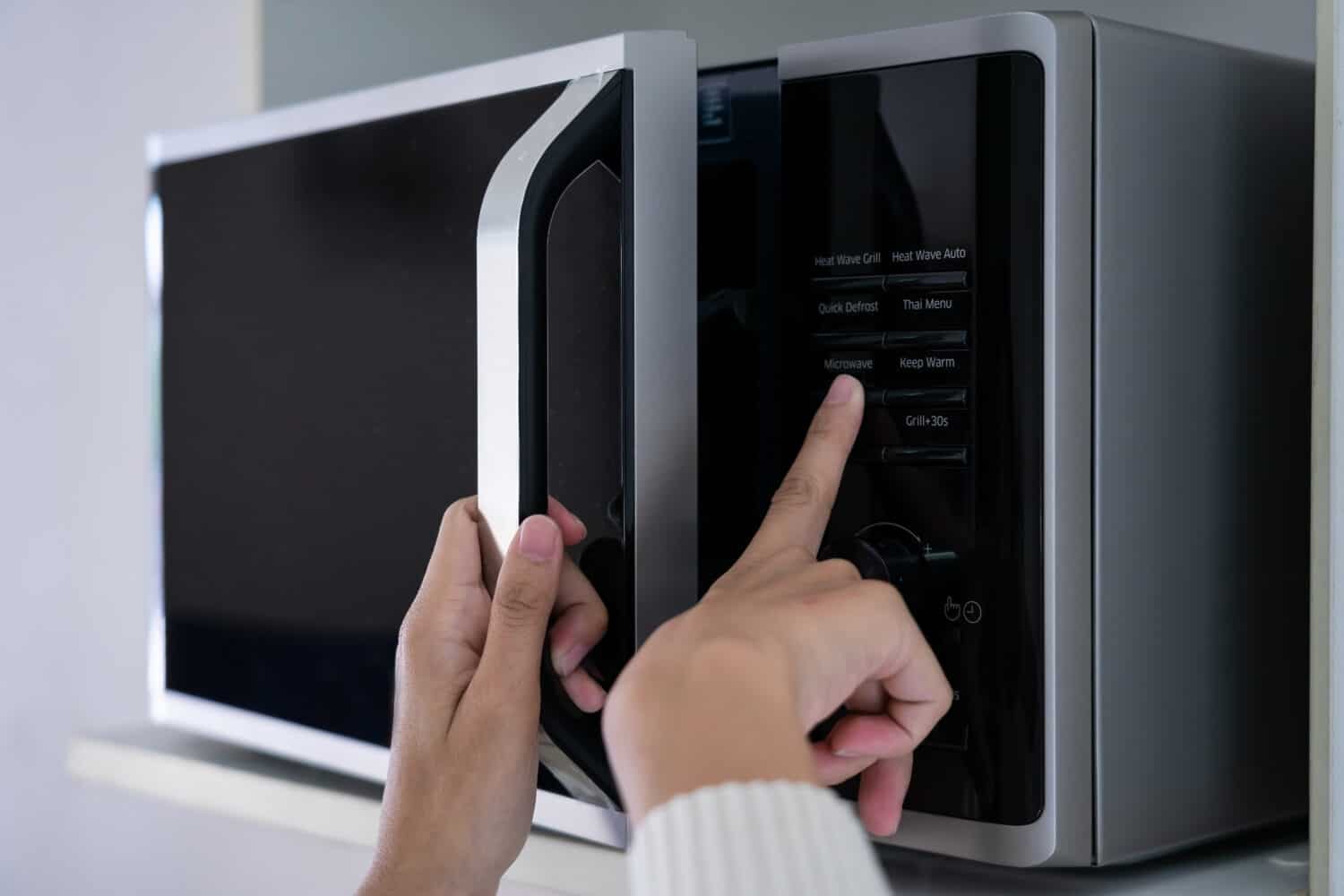
The microwave has helped cook millions, if not billions, of meals worldwide.
For millions of people around the world, the microwave oven is a life-changing invention. Capable of allowing all kinds of food to be made, a melting candy bar carried by Raytheon engineer Percy Spencer in 1945 helped him discover the microwave while playing with radar-related technology.
4. Pacemakers
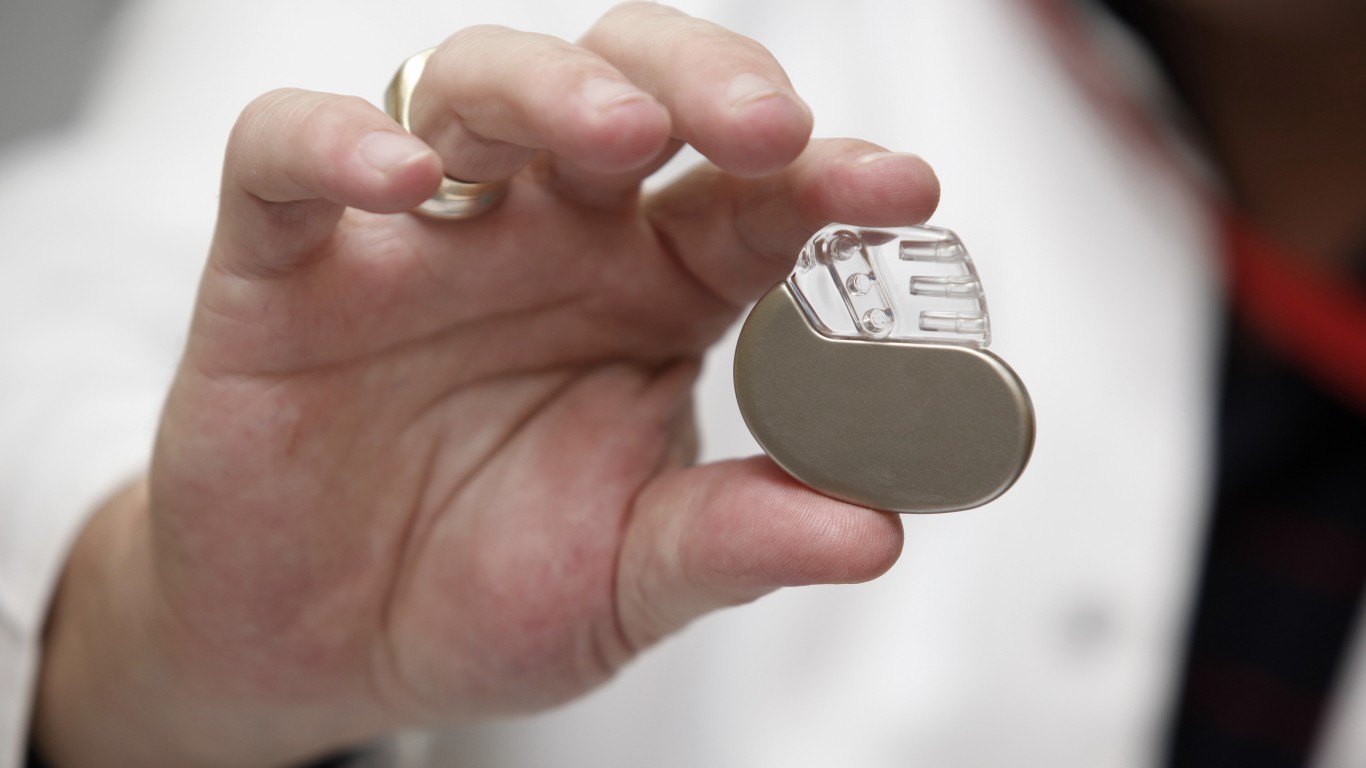
Pacemakers have become an invaluable health tool for those with heart trouble.
Wilson Greatbatch will go down in history as the individual who accidentally discovered the pacemaker in 1956. This device saved countless lives. It was discovered that Wilson was trying to build a device that could record the rhythm of his heart. Instead, he created a device that could stimulate a heartbeat.
3. Penicillin
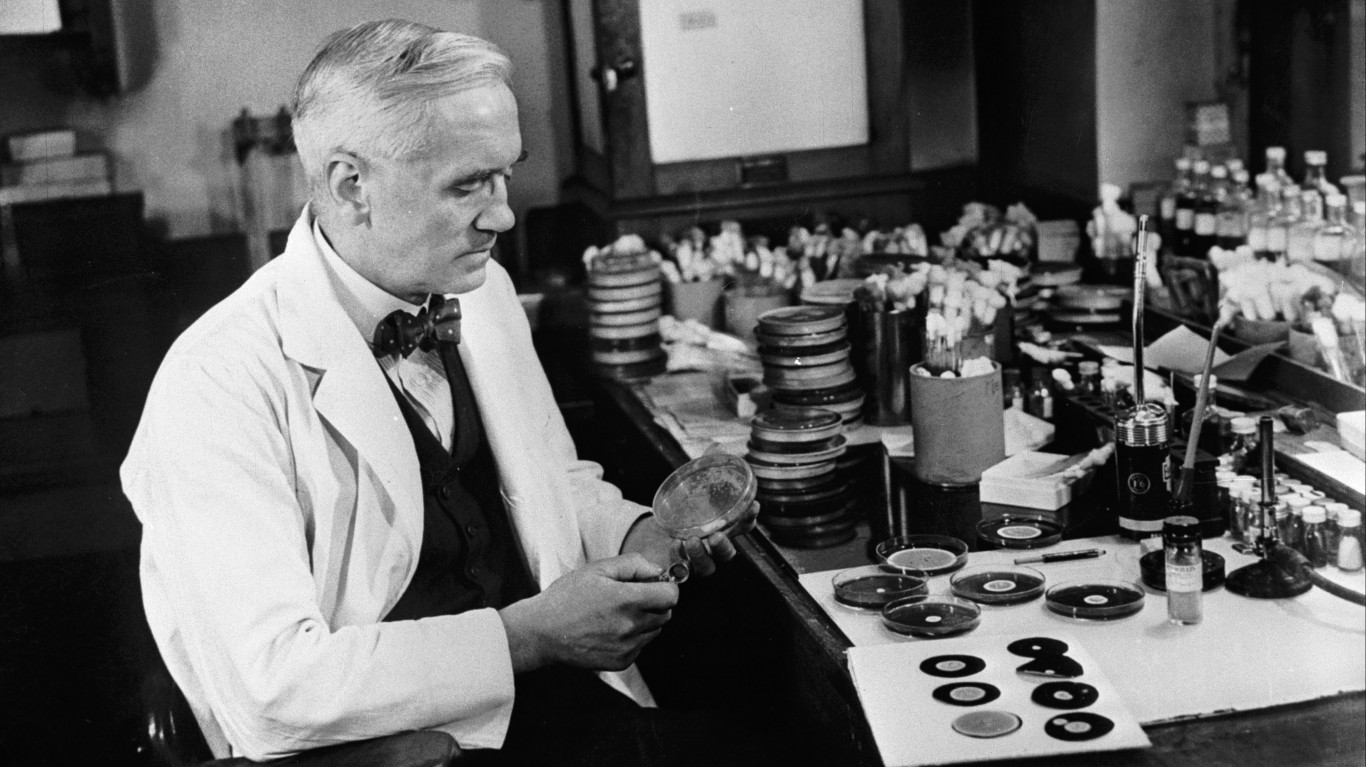
Sir Alexander Fleming was the creator of penicillin, albeit by accident.
In 1928, British bacteriologist Alexander Fleming was taking a well-deserved vacation only to discover that a fungus had invaded his lab during his absence. He discovered that bacteria did not grow around the fungus, a member of the penicillium genus, which became the first antibiotic.
2. X-Rays
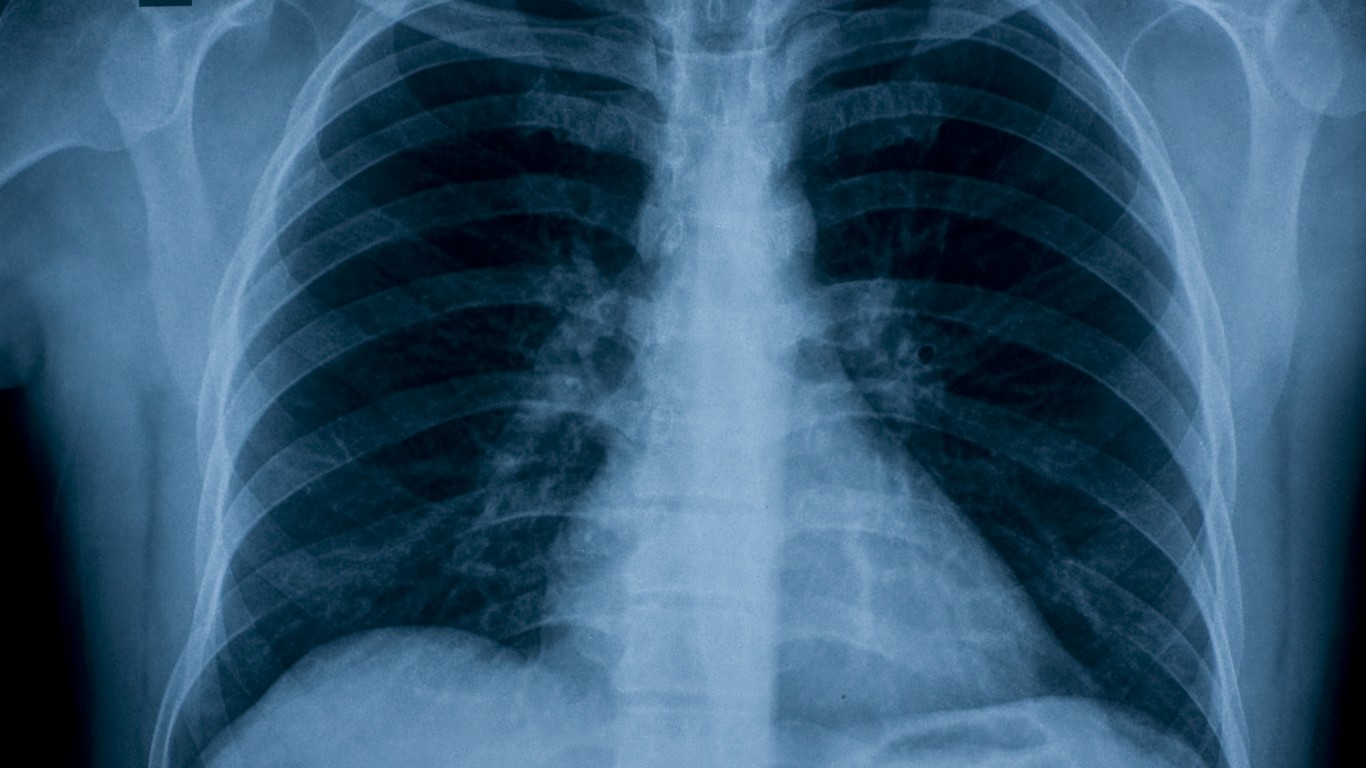
X-rays have helped diagnose billions of medical conditions.
On November 8, 1895, German physicist Wilhelm Conrad Rontgen discovered that when something was exposed to a strong electric discharge, cathode rays could produce a light that could pass through different materials. After experimenting with different objects, he tried his hand and discovered the X-Ray.
1. Insulin
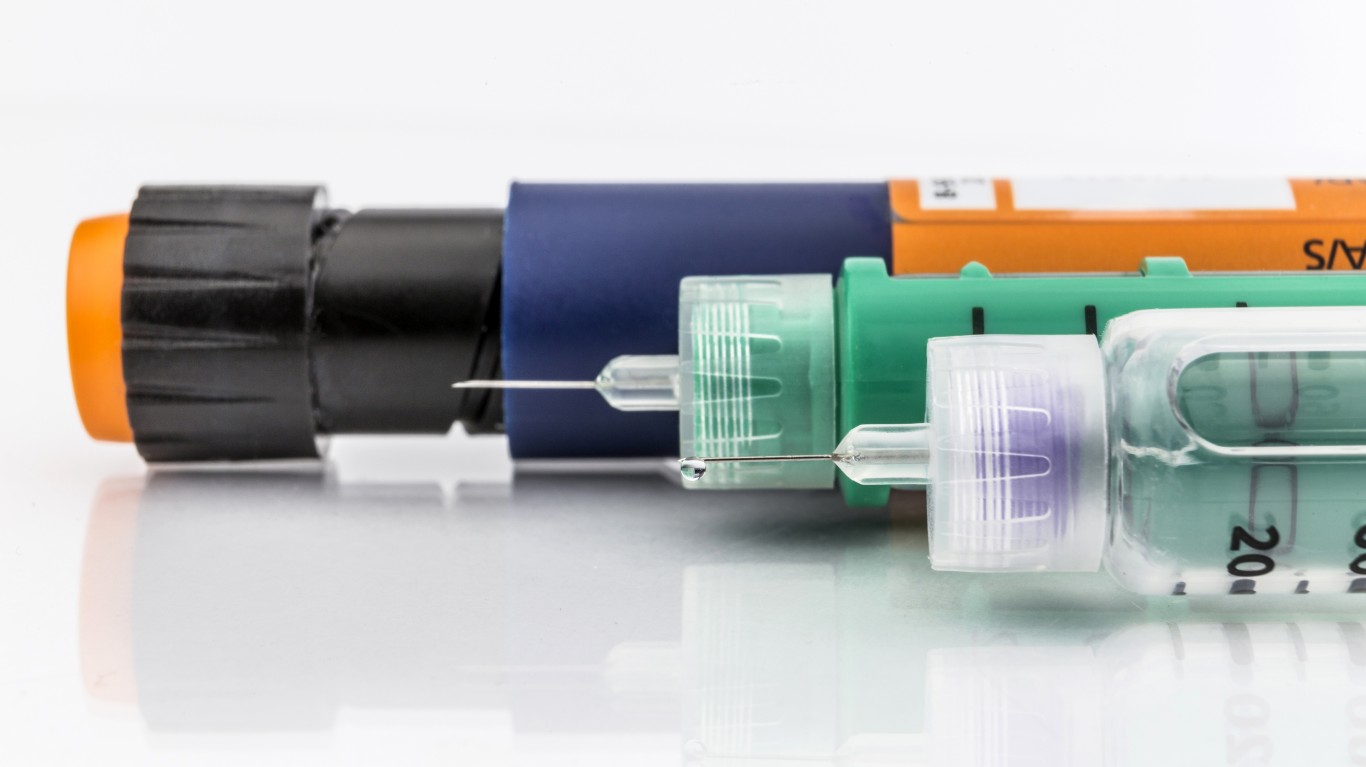
Insulin is one of the most important inventions in modern medicine.
In the late 1880s, insulin was discovered by two doctors who were researching how the pancreas affected digestion. Their accidental discovery, later built on in the 1920s, isolated the pancreatic secretion known as insulin, all by accident.










 Top Gaining Stocks
 Top Losing Stocks