


 One of the largest parts of the Obama administration’s new bill to create jobs is a plan to put hundreds of thousands of people to work repairing the nation’s infrastructure. A report on the country’s bridges by Transportation for America is several months old now, but it is worth a new look as Congress debates a jobs bill.
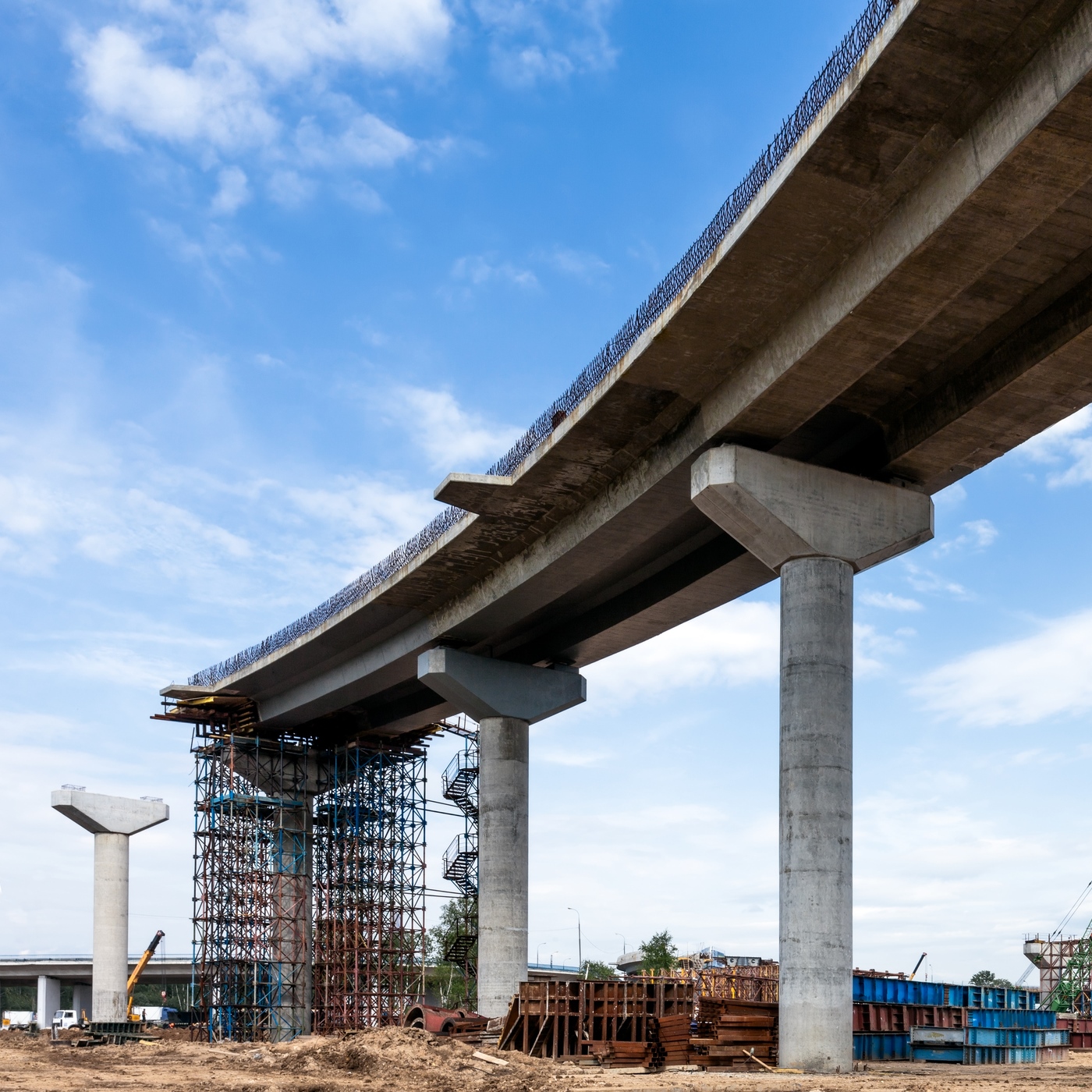
TFA found that nearly 70,000 American bridges were “structurally deficient,” which means that they need major repair or replacement. This is nearly 12% of all the bridges in the country. It is fair to suppose that some of these bridges are dangerous. A large bridge collapses occasionally, and some of these accidents have been fatal.
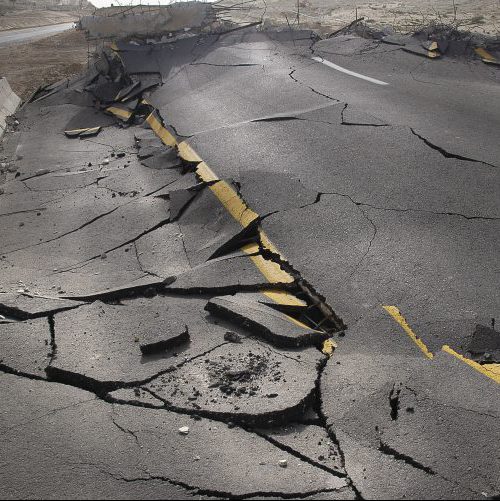
It is easy to put off infrastructure upgrades. Pot holes and small cracks in bridges or highways do not mean imminent catastrophe. But that is true only until it isn’t. Public officials often do not act until a situation becomes so dire that public safety is involved. This is especially so when federal, state and local governments are under pressure to spend as little as possible. Deficits at some government levels, it is fair to say, are so high that they threaten even basic services like police forces. Bridges are not in the same class of problems.
The Federal Highway Administration estimated in 2009 that it would take $70.9 billion to make repairs to the backlog of deficient bridges. That number seems low, given the extent of the problem. Estimates of the cost to bring the entire U.S. public infrastructure up to grade range as high as $7 trillion. Maybe the bridge projects are so inexpensive that they could be slipped into some congressional bill in which repairs are not the primary object.
Austerity has its drawbacks. The one most frequently mentioned is that cuts in government expenses can put more people out of work. The nation’s bridge problem pales in comparison, as long as the bridges do not start to fall at a rate at which the trouble cannot be ignored. That makes it like all the other essential government problems that have been swept under the rug.
Douglas A. McIntyre









 Top Gaining Stocks
 Top Losing Stocks