


By Ryan Barnes, with Comments from Jon Ogg. Edited by Douglas A. McIntyre
Valero Energy Corporation (VLO)
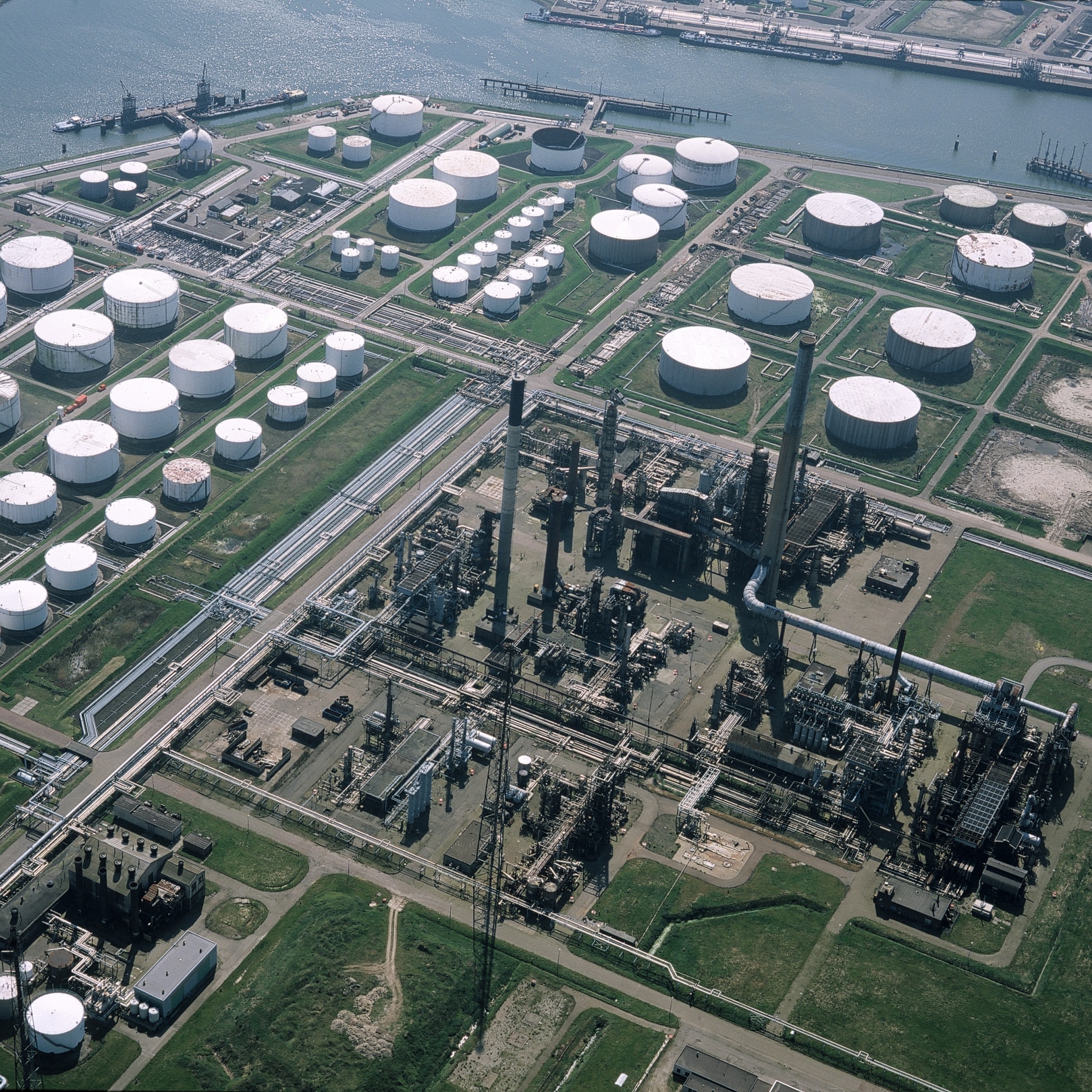
Valero has just two operating segments, oil refinery and retail sales, with refinery providing over 95% of operating income. They are the nation’s largest independent refiner, and they specialize in cleaner-burning finished products with their technologically advanced refineries. Believe what you want about the future of alternative energy products, but we are a long way from a full-scale transition; to say that oil refinery is a secure business for at least the next 10-15 years is not a stretch by any means.
The odds of any new refineries being built in or around the United States are just about nil. This is both good and bad for Valero – there won’t be much competition, but there also won’t be much growth. Investing capital to upgrade their existing 18 refineries while occasionally making an acquisition is the best they’ll be able to do. So far they’ve done well extracting value and increasing throughput at their refineries, but this will last for only so long. The low prospects for expansion are a big reason why the multiple is so low on the stock, which currently trades at 6x earnings. That said, the assets, the refineries themselves are the key to Valero’s value. Their replacement costs are impossible to measure, but they are assuredly very high.
Valero has their own reasons for wanting to keep the assessed values of their refineries down; changes in property tax alone could amount to $50 million a year or more. Breakup value here hinges on one question – what are the refineries worth? For example, a refinery in Louisiana was purchased (and placed on the balance sheet) at a cost of $400 million in 2003. Another refinery in California, with an identical daily throughput, was re-appraised in 2006 and valued at $860 million. Take whatever margin of error you want into account for geography; that is a lot of asset appreciation in 4 years. It takes a lot of restraint to not just double the value of the refinery assets, but for the sake of safety we’ve applied a 1.5 factor to book value and excluded goodwill. From here we can net out current assets and liabilities, subtract LT debt and arrive at a value of the refining business that is just about equal to the current market cap.
Valero was opportunistic in their entry into retail service stations, picking up assets from ExxonMobil that were forced to be sold by the FTC. While the majority of their product goes to third parties and not their retail locations, the retail segment is an attractive feature when tied to the refineries, and not quite so when looked at alone. Applying a paltry .4x sales value to the retail arm, and the total breakup value for Valero comes to $59.
Ryan Barnes
Ryan Barnes has over 10 years’ experience in portfolio management and investment research, covering equities, fixed income, and derivative products. Ryan spent the past 5 years working as an institutional trader & manager for high-net worth investors, working with Merrill Lynch, Charles Schwab, Morgan Stanley, and many others. Ryan is currently working as a writer and financial modeling consultant on hedging and capital appreciation strategies, and does not own securities in the companies being covered.
Jon Ogg comments:
1) this is on the "watch list" of the BAIT SHOP, but has not made it is a
full member because of the $32 Billion market cap and the fact that they
could potentially be an acquirer of more assets themselves.
2) the multiple issues of partnerships and assets cloud the potentiality
since there is Valero GP Holdings, LLC (VEH-NYSE) and Valero,LP (VLI-NYSE)
3) has been a routine screen for private equity firms because of cash flow
models, although earnings and cash flow are highly sporadic
4) has been aa rumored name as far as "being looked at" by private equity
circles
5) has advantage over many other gasoline retail operations in that it is a
net producer/refiner of oil, meaning it produces more than it sells through
its gasoline service stations
6) has far fewer controversies and environmental catastrophies on its record
than other major petroleum operations, although recently it has seen several
plant interruptions due to accidents.






 Top Gaining Stocks
 Top Losing Stocks