


United Technologies (UTX) reports tomorrow morning, and investors should expect headline numbers to be a bit misleading, as a $295 million charge will be assessed, and revenue growth incorporates several big acquisitions.
First Call estimates are for EPS of $0.80 and revenue of $11.48 – $11.49 billion.
UTX shares are up 13 percent in the past 52 weeks (in line with the S&P 500), but more importantly trade near all-time highs of $68.40 – $68.90 set in mid-February. United Tech has benefited from a long-term spending upswing on aerospace and real estate construction, but top-line growth is expected to slow to only 6% this year, with earnings growth in the low teens.
There are 6 distinct businesses within UTX, and the company may need to look at some reshuffling of the properties in order to grow shareholder value above market levels. We highlighted a theory of how to do this when we estimated a break-up value for the company back in February.
UTX’s Carrier unit, which manufactures HVAC and refrigeration units, will be interesting to hear about in the conference call. This unit has been hampered by concerns over the U.S. housing market, and management’s color (if any is given) will be a mini-indicator for how things are actually going in that sector.
Carrier, like UTX as a whole, does the majority of business (55%) overseas, and global markets are hot, with indexes in China, Brazil, and much of Europe at or near record highs.
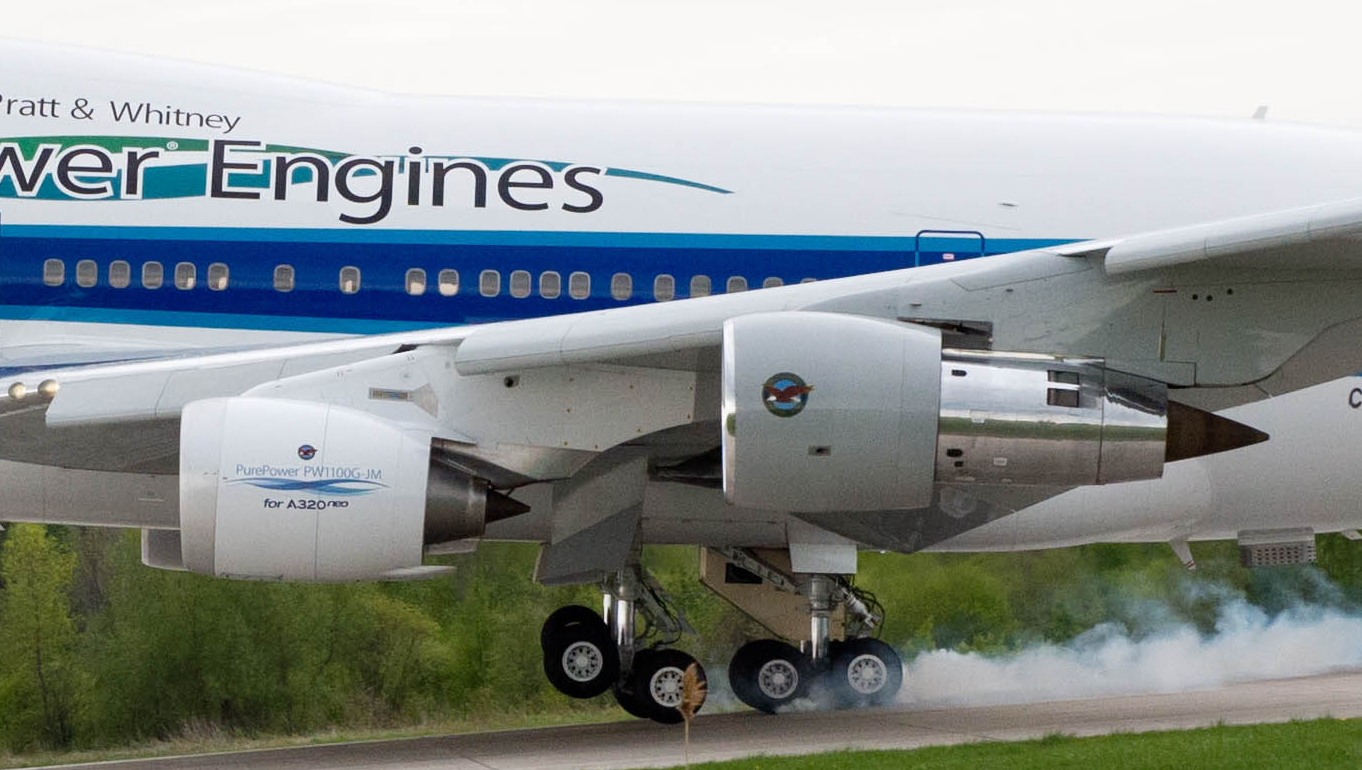
Management affirmed its 2007 EPS outlook of $4.05 – $4.20 and revenue $51B midway through the quarter. If this guidance is adjusted upward it will be because of continued strength in aerospace, where the company operates through Pratt & Whitney (engines) and Hamilton Sundstrand (power generation & controls). Backlogs have been surging, and Pratt & Whitney could become the company’s largest division by the end of the year.
Operating margins have been steady in the 13% – 13.5% range, and it would be nice to see some improvement this quarter considering the company is running on peak sales numbers. The company could use the extra cash flow to increase the dividend yield from its current 1.60% level, a move that would help position the stock as more attractive to defensive and income-seeking investors.
Ryan Barnes
April 17, 2007
Ryan Barnes can be reached at [email protected]; he does not own securities in the companies he covers.








 Top Gaining Stocks
 Top Losing Stocks