


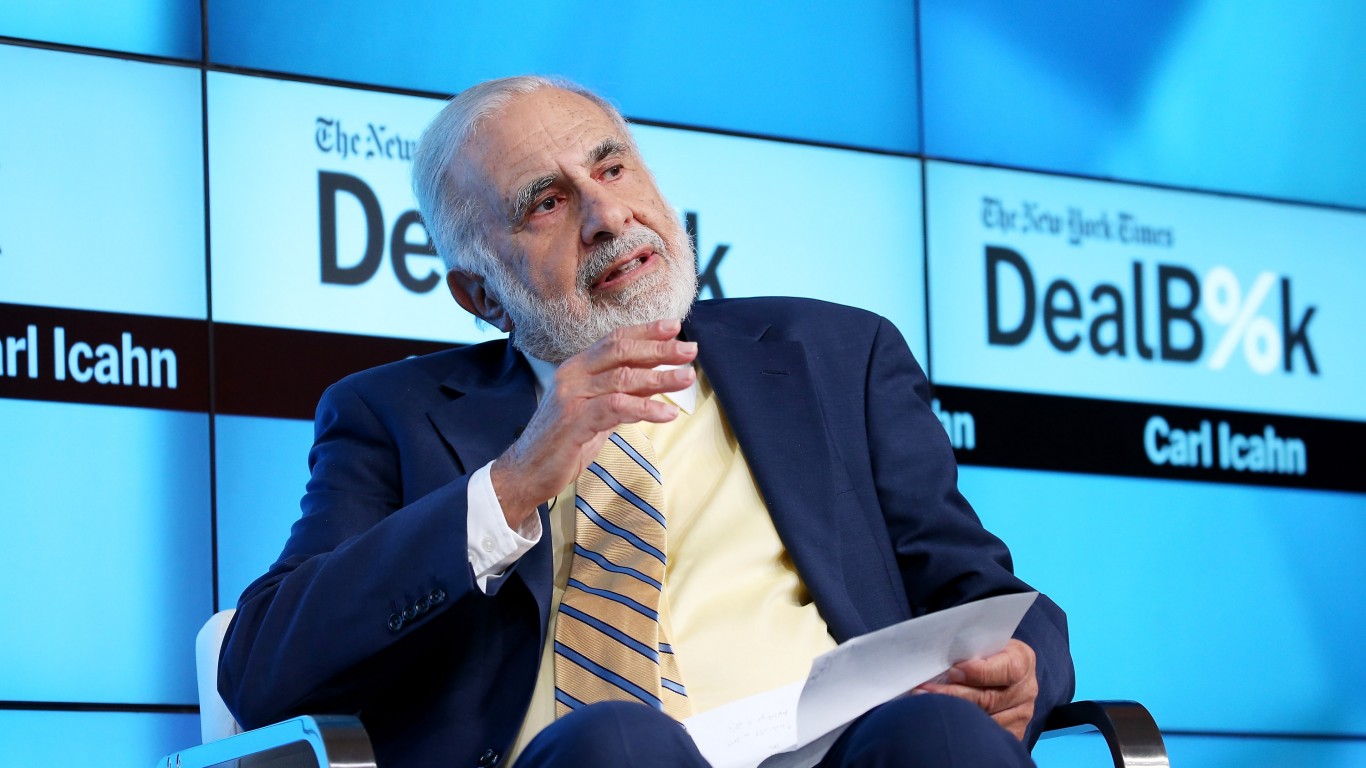
 In an editorial in The Wall Street Journal, UCLA law professor Lynn A. Stout argues that activist investors like Carl Icahn "rob average investors of better returns."
She writes that "They push for strategies that raise the stock price of the few companies they own but may lower the stocks of other companies, or that raise prices in the short term while harming companies’ long-term prospects."
Hold on: activists are bad for other companies? That’s a concern? You could say the same thing about strong managers in competitive industries. Steve Jobs at Apple (AAPL) has taken market-share away from competitors — does that mean he’s bad for shareholder because he harms other company’s long-term prospects? Perhaps, but that’s a completely ludicrous argument.
Here’s why activist investors are good: unlike executives who earn salaries and bonuses — and hunting and fishing trips — completely independent of the return given to shareholders (Ask Bob Nardelli for more details on this), activist investors profit only when other shareholders do too. If they push for a sale to a private equity firm, it’s at a premium to the current market price. Activist investors may be short-term oriented but the long-term is essentially the accumulated result of many short-terms. At most companies where activist investors get involved, the current management team has a track record of long-term value destruction. Shares of Yahoo! (YHOO) are trading at a 4-year low — how much more time does the current team need to execute its long-term strategy? Icahn has also, in many cases, stayed with companies for longer periods — he’s been on Blockbuster’s (BBI) board of directors for three years, and was an investor in the company before that.
Without even meaning to, Ms. Stout makes a great argument in favor of activist investing: she discusses the negative impact that sales of companies tend to have on the acquirerer and the blasts Icahn for being a hypocrite, pushing for sales at companies he owns and opposing acquisitions at other companies he has stakes in. But here’s the thing: that’s exactly what he should do, and that benefits shareholders at the firms he has stakes in, whichever side of the deal they’re on.
We need more activist investors, not fewer: with many directors at large companies failing to provide effect oversight in protecting shareholder interests, the best solution is to add people who paid cash for their shares, and are in the same position as outside investors, populating boards.
Zac Bissonnette








 Top Gaining Stocks
 Top Losing Stocks