


No one was surprised when German and France said their GDP growths were negative in the last quarter, by .2%, although the term "negative growth" does not seem to be proper English. 
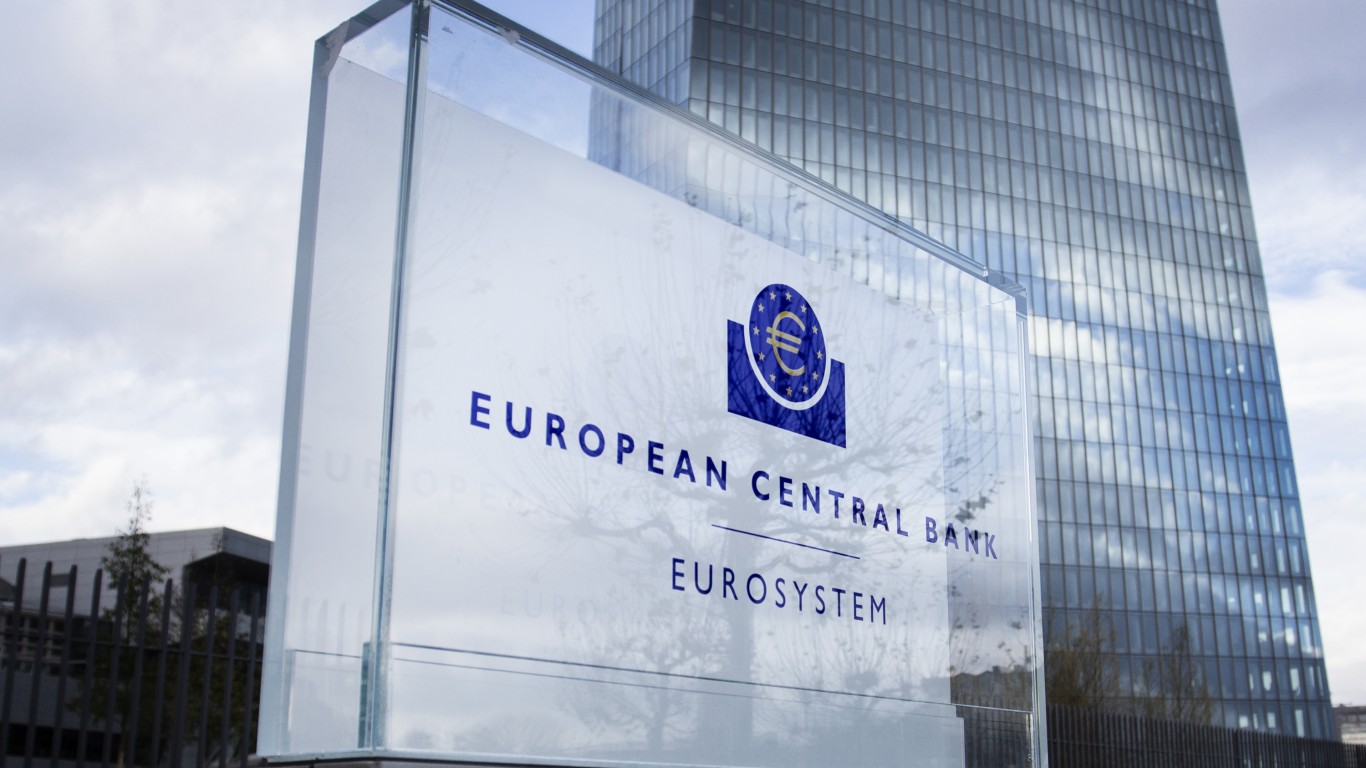
With the Central Bank holding rates at 4.25%, it should not come as a shock that consumer consumption on the Continent is in the pits. Consumer credit is too expensive. The contrast to rate decisions by the Fed is stark and troubling.
One economist told MartketWatch "it would take interest rate cuts from the European Central Bank’s current 4.25% level to spur a growth recovery."
The rationale for keeping rates high may actually be as compelling as it is painful. Inflation in Europe may top that in the US. The region depends more on foreign oil and commodities. The main bank authorities may reason that keeping inflation in check is the primary goal. Keeping a recession at bay is secondary.
The Europeans only have to look to the US to uncover another reason for not dropping rates. Moves by the Fed have helped banks to get cheaper money, but that capital is not circulated into the main economy. It is held by financial companies to improve their reserves. It has not washed downstream to home loans, auto loans, or other forms of consumer credit.
Europe’s lesson may be the right one. The Fed is on the fence watching the recession versus inflation debate. The Old World’s decision may provide the US central bank the clues it needs..
Inflation is the enemy at the gate and Europe is acting accordingly.
Douglas A. McIntyre










 Top Gaining Stocks
 Top Losing Stocks