


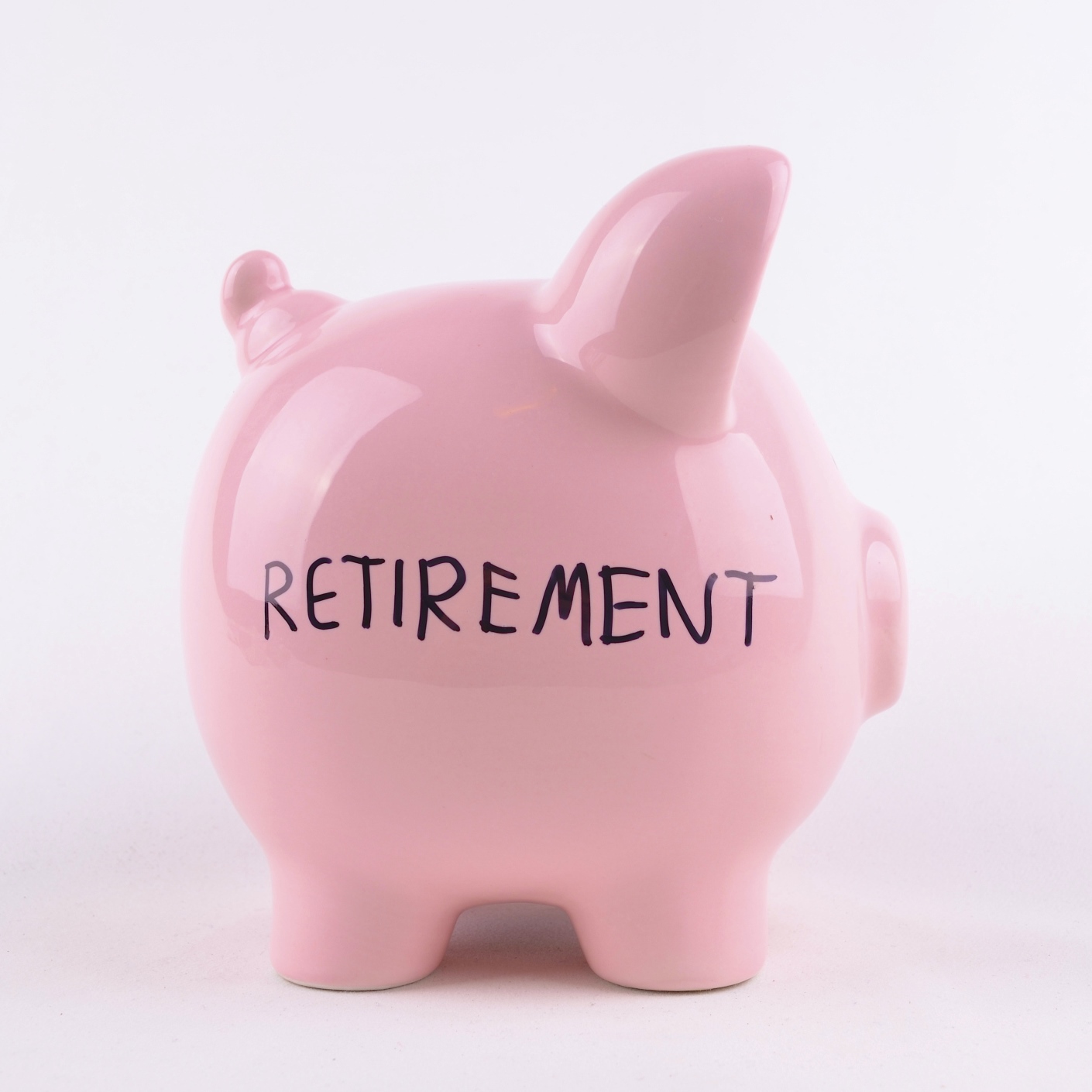
 The problem with state and private sector pensions has grown since the beginning of the recession for the same reason that Social Security is troubled: the population is aging and the slow economy and unemployment are pushing down contributions into the funds.
The state pension issue could led to a $1 trillion hole within 15 years.A report from the Kellogg Business School says that
“This is a problem of monumental proportion. Given that we see the same issue in many states, the total size of a federal rescue plan could exceed the seriousness of the recent economic crisis and potentially cost more than $1 trillion total. Plus, this scenario could happen sooner if taxpayers flee to other states with lower taxes and higher services, if contributions are deferred or not made, or if returns are lower than expected.”
The report’s proposed cure for the trouble calls for the federal government to underwrite bonds to cover the shortfall. This would put Washington on the hook for a larger set of financial obligations. Although these proposed federal obligations may never be triggered by a default of state pensions, that depends on the course of the economy. States which have the worst problems face increasing taxes that may drive taxpayers out-of-state.
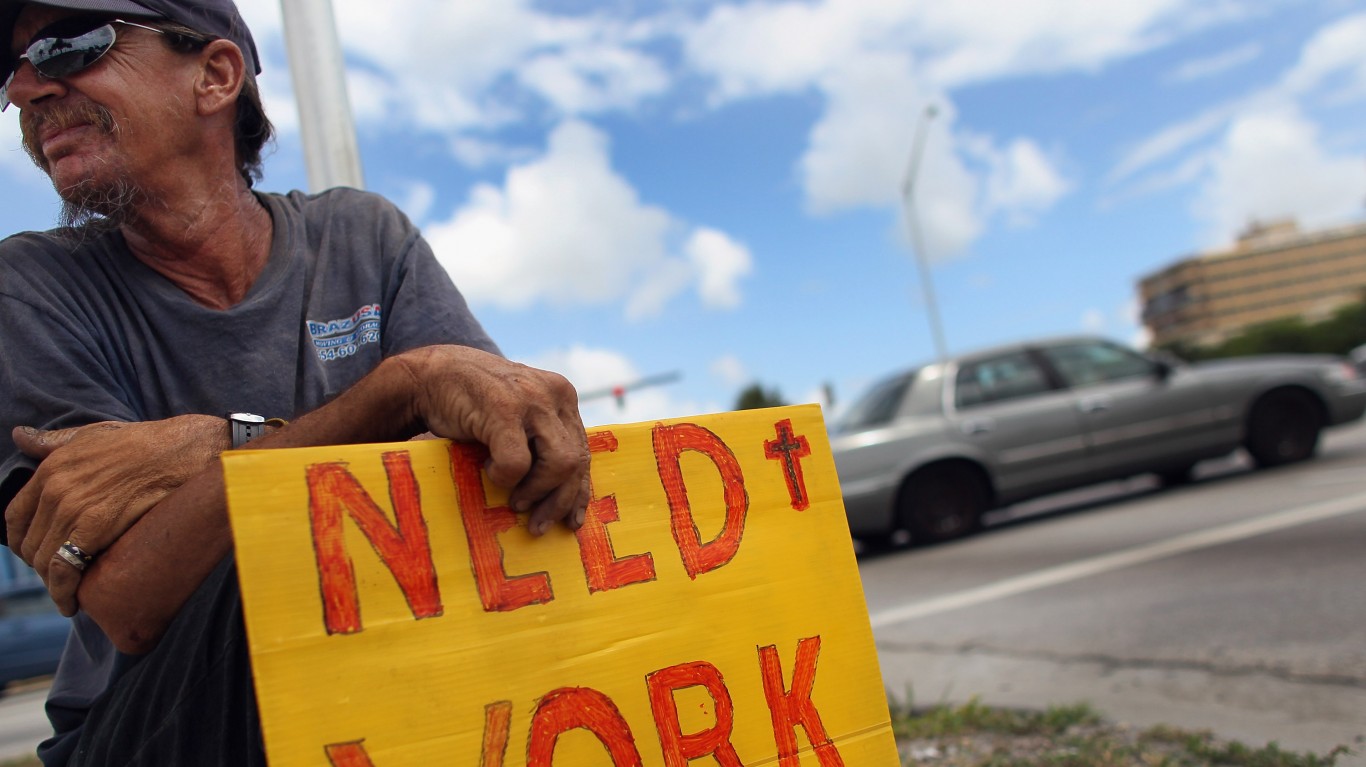
The taxpayer migration issue is a strawman. With high unemployment in most states, the opportunities for people to move and get comparable jobs is limited.
Whether a few people can relocate to avoid higher taxes is hardly the issue. State pensions plans will remain underfunded as those whose retirements are to be covered reach 65 in larger numbers. The number of younger workers who can contribute to these plans is shrinking because the population is aging.
The same problems plague private pensions, mostly those at large corporations, and the Social Security Trust Fund. Some companies have frozen pension plans. It is much harder for states and the federal government to take the same sort of action without facing a large political backlash and prolong court cases.
The fact is that no one involved in the debate wants to put at the center of the discussion the idea that private, state, and local workers along with future Social Security recipients will have to take less money for retirement than they planned. The drop in income among senior citizens will be significant beginning in the 2020 to 2030 period unless the nation’s GDP increases at unexpected levels and does so for a long time.
The cure is to ask the federal government to intervene to keep benefits at anticipated levels. Congress and the Administration are in no position to do that. They are too busy trying to bail themselves out.
Douglas A. McIntyre
Sponsor: 3 Recovery Stocks to Own Now – Get the names of the best cheap stocks to rebuild your wealth in 2010 and beyond.







 Top Gaining Stocks
 Top Losing Stocks