


 The ink was barely dry on a report from the International Energy Agency that China now topped the US in energy consumption when the Chinese government called the report “not very credible.” The IEA report is a preliminary estimate of 2009 energy consumption and is very likely to be revised in the future.
Still, the report adds to the pressure on China to improve its energy efficiency and reduce its energy intensity or face even more pressure for its effect on global CO2 emissions and on rising prices for energy, particularly oil, but also natural gas and coal.
According to the IEA estimate, China consumed about 2,252 million tons of oil equivalent in 2009, a per capita consumption of about 2 million tons. Total US consumption is somewhat less than 2,200 million tons, but per capita consumption is near 7 million tons. China’s per capita consumption is now almost equal with the global average per capita consumption. Just 10 years ago, China’s consumption was half the global average.

A major contributing factor to China’s expanding energy consumption is that the country did not experience the severe economic fallout from the global financial crisis as did the developed countries of the OECD. Add to that the country’s economic stimulus package and its willingness to lend ever-larger amounts to domestic businesses, and it’s not hard to figure out why China now consumes more energy than any other country.
It’s also not hard to figure out why the Chinese do not want to accept this ‘award.’ China has so far resisted calls for the country to join the IEA. China’s reluctance is based on its desire to remain outside the league of developed nations to maintain its status as an underdog and a champion of the developing nations.
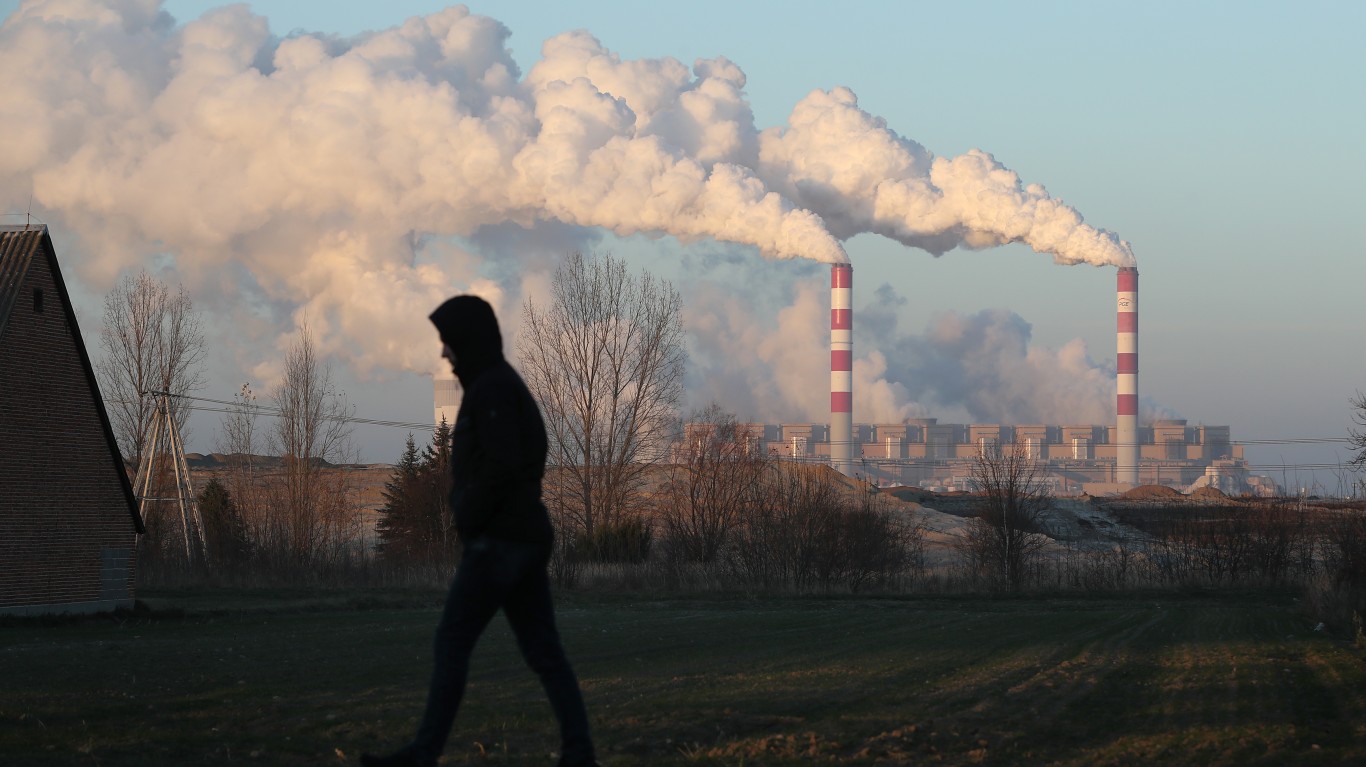
China also wants to avoid being tagged as the world’s largest polluter, a claim that follows directly from being the world’s largest consumer of energy, most of which is generated by burning hydrocarbons, principally coal. China would like to focus instead on its efforts to build its renewable energy portfolio.

The head of China’s National Energy Administration believes that the IEA “overestimated China’s energy consumption and carbon dioxide emissions,” and that this is due to “a lack of knowledge about China, especially about China’s latest developments of energy conservation and renewable energy.”
The fact is, however, that the impact of China’s efforts at developing renewable power sources won’t reduce its energy intensity for some time. Energy intensity measures the amount of energy consumed per unit of GDP. China’s published goal is to reduce its energy intensity by 20% from 2005 levels by the end of this year. That goal is almost surely going to elude the government, even though it has ordered banks to stop lending to energy-intensive industries, like steelmakers.
China also does not want to be viewed as a driver of even higher energy prices. The country’s thirst for oil, which it is slaking by buying assets all over the world, has contributed to higher crude oil prices for every nation. Coal and natural gas prices could follow. China, like every other nation, does not want to be seen as a global outlaw and will do all it can to put a positive spin on its growing demand for energy.
All this is important because China’s impact on the global economy could reach further than just energy. The country is already the largest automobile market in the world. Automakers will pay more attention to that market, which demands smaller, more fuel-efficient cars.
As the IEA’s chief economist noted, China’s energy consumption pattern will have “a big multiplier effect” outside the country’s borders.
China’s government does not discern any positive impact from being named the world’s largest energy consumer. And the government is right about this. Strategically, consuming more of the planet’s dwindling energy supply puts China in the position having to deny being greedy, and, perhaps ultimately, having to defend its consumption militarily. Worse than being a greedy polluter is being the cause of the next world-wide military conflict.
Paul Ausick










 Top Gaining Stocks
 Top Losing Stocks