Ireland And The Return Of Moral Hazard

Photo of Douglas A. McIntyre
By Douglas A. McIntyre Updated Published
This post may contain links from our sponsors and affiliates, and Flywheel Publishing may receive compensation for actions taken through them.

nationsonline.org
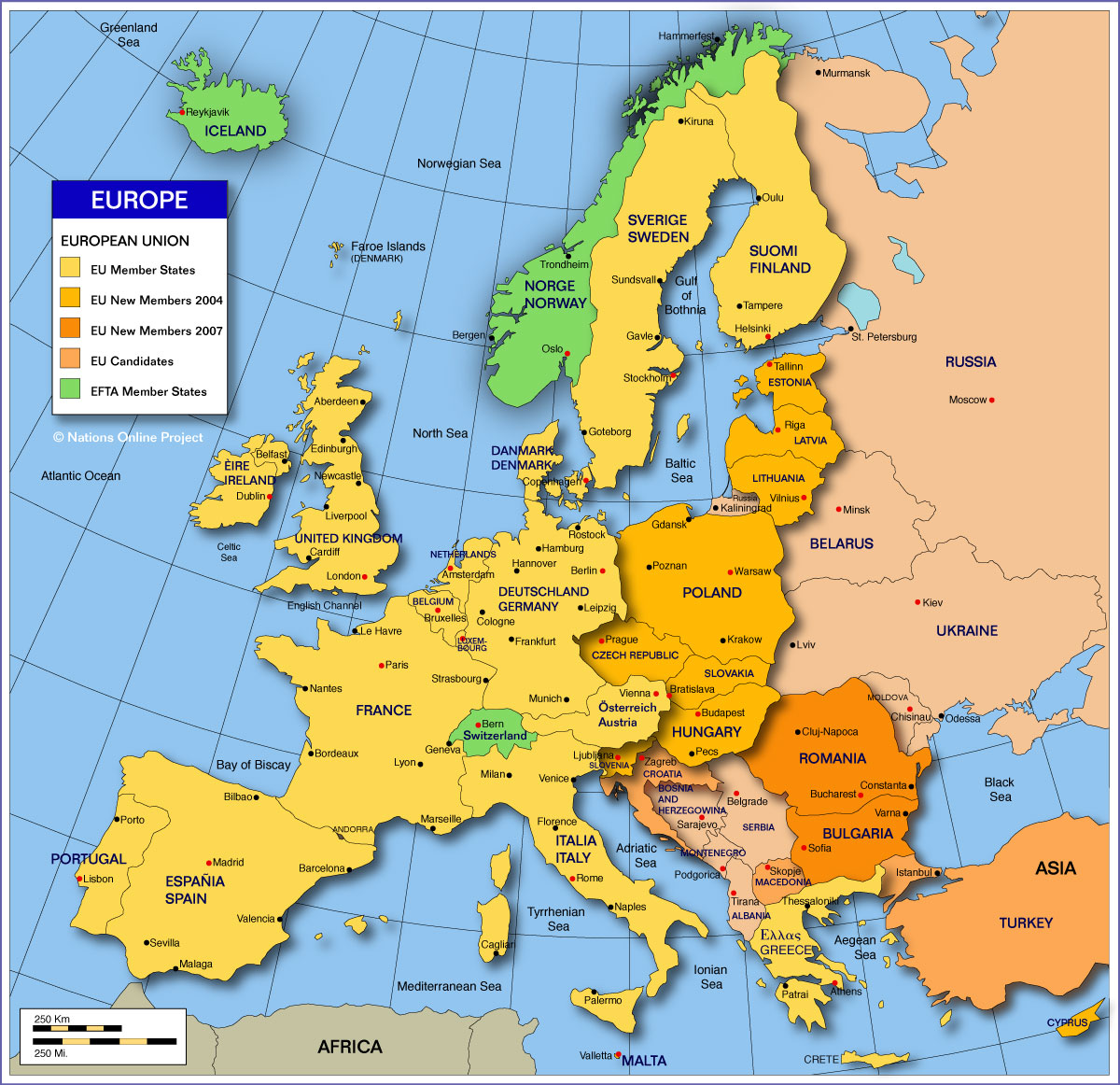
Ireland is in deeper financial trouble than it might imagine. A recent Bloomberg  poll of global capital markets investors showed that 51% believe Ireland is likely to default on its sovereign debt obligations. Ireland is in the middle of creating a plan to cut $20 billion from its budget. But fear fathers fear and the yield on Irish debt has climbed to 9%. The Irish government says it cannot sustain its credit needs if rates remain so high.

Leaders of EU nations sought to calm the markets as they said they would stand behind Ireland’s debt, but their statement on the matter contained an ominous phrase:

“Whatever the debate within the euro area about the future permanent crisis resolution mechanism and the potential private sector involvement in that mechanism we are clear that this does not apply to any outstanding debt and any program under current instruments.”

Current investments are clearly separated from future investments. Caveat emptor.

The Ireland debt crisis again raises the issue of moral hazard. Ireland may be less aggressive about budget cuts if a bailout is in the wings. The majority party in the country is already under siege and opponents may seek power by telling voters that budget cuts are too steep. The citizens of Ireland, like all of those in nations which have adopted harsh austerity measures, are concerned about jobs, pensions, retirement ages, and higher taxes. People who work and pay taxes today will have to bear the burden of past financial sins.

The heart of the matter is not that moral hazard will soften budget cuts. It is that the voters of Ireland may assume that other countries in the region will support Ireland even if Ireland’s citizens reject austerity.  That is far from a sure thing.

The problem of the fight between the Irish citizens and their government will likely spread. Spain, Portugal, the UK, and Greece  have all cut government costs and this has triggered huge protests by unions, government workers, and students. If Ireland’s voters can cause a dismantling of the austerity programs there, and the EU still needs to aid the country to prevent a tremendous sell-off of the euro, it will open the door to a powerful anti-austerity movement throughout the region.

Douglas A. McIntyre

Photo of Douglas A. McIntyre
About the Author Douglas A. McIntyre →

Douglas A. McIntyre is the co-founder, chief executive officer and editor in chief of 24/7 Wall St. and 24/7 Tempo. He has held these jobs since 2006.

McIntyre has written thousands of articles for 24/7 Wall St. He is an expert on corporate finance, the automotive industry, media companies and international finance. He has edited articles on national demographics, sports, personal income and travel.

His work has been quoted or mentioned in The New York Times, The Wall Street Journal, Los Angeles Times, The Washington Post, NBC News, Time, The New Yorker, HuffPost USA Today, Business Insider, Yahoo, AOL, MarketWatch, The Atlantic, Bloomberg, New York Post, Chicago Tribune, Forbes, The Guardian and many other major publications. McIntyre has been a guest on CNBC, the BBC and television and radio stations across the country.

A magna cum laude graduate of Harvard College, McIntyre also was president of The Harvard Advocate. Founded in 1866, the Advocate is the oldest college publication in the United States.

TheStreet.com, Comps.com and Edgar Online are some of the public companies for which McIntyre served on the board of directors. He was a Vicinity Corporation board member when the company was sold to Microsoft in 2002. He served on the audit committees of some of these companies.

McIntyre has been the CEO of FutureSource, a provider of trading terminals and news to commodities and futures traders. He was president of Switchboard, the online phone directory company. He served as chairman and CEO of On2 Technologies, the video compression company that provided video compression software for Adobe’s Flash. Google bought On2 in 2009.

Continue Reading

Top Gaining Stocks

CBOE Vol: 1,568,143
PSKY Vol: 12,285,993
STX Vol: 7,378,346
ORCL Vol: 26,317,675
DDOG Vol: 6,247,779

Top Losing Stocks

LKQ
LKQ Vol: 4,367,433
CLX Vol: 13,260,523
SYK Vol: 4,519,455
MHK Vol: 1,859,865
AMGN Vol: 3,818,618