



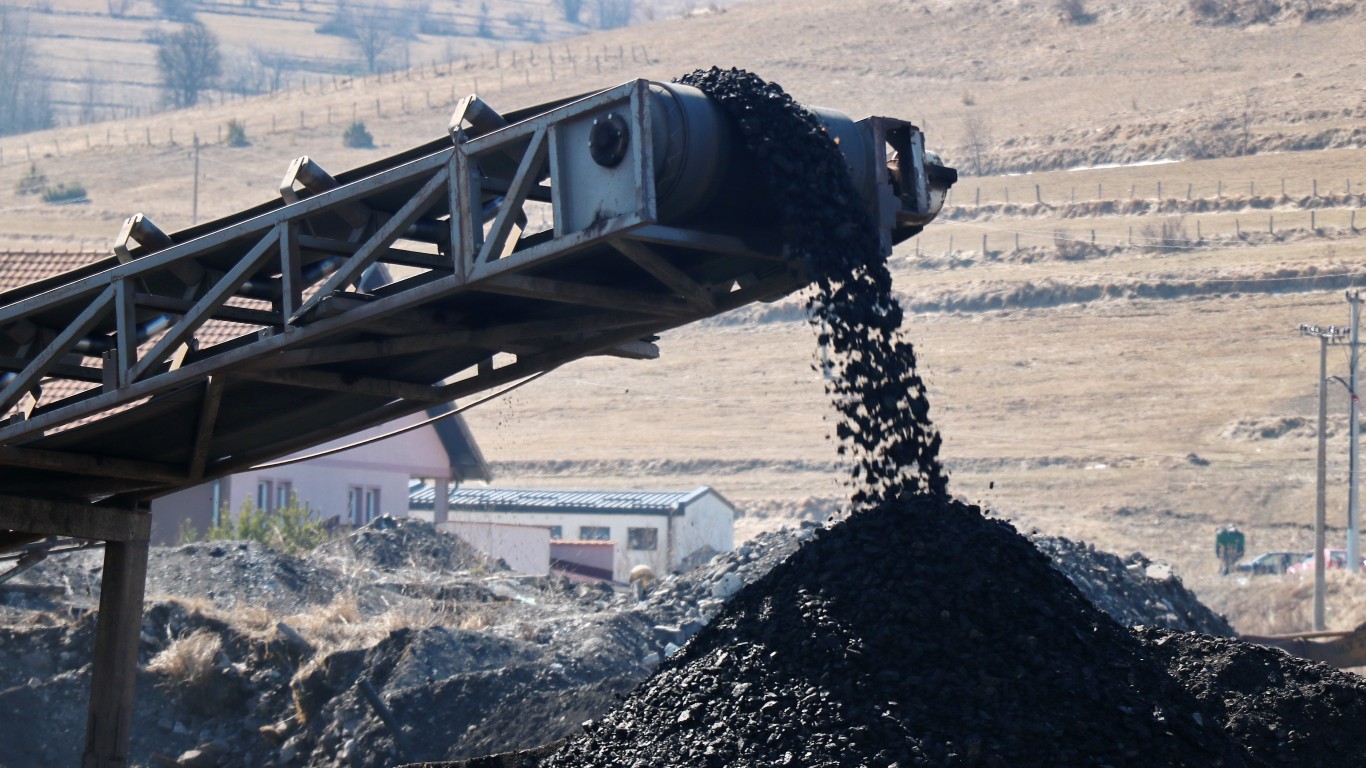
While producer price inflation has not taken hold in the US, it is bound to. Costs of asia’s factory goods are up and Europe flanks America on the other side of the world. Energy, metal, and other commodities prices are always global eventually. Now, factories and wholesalers in every major country will try to pass these costs on to consumers.
Some of the press and economists say there is a case to be made for another recession in the developed world. Energy costs will sap the ability of the consumer to spend. The inflation that affects the price of consumer goods will not be recouped at the retail level. Retailers and manufacturers will have their financial fortunes damaged.
The solutions to the coming problem are few. Central banks can try to ease the trouble. So far, the Fed’s QE2 plan has not done much to either drive up inflation, or has driven it up sharply depending on the view of individual analysts. Balanced national deficits will probably cost jobs as stimulus programs disappear from the markets. Lower tax rates may allow consumer spending to remain at reasonable levels, but the move toward lower deficits will thwart the continuation of those modest taxes.
It is nearly inevitable that a prolonged period of commodity inflation will cause slower economic growth. Ben Bernanke tried to suggest otherwise in his recent testimony before Congress. But, factory cost data runs against his opinion as he whistles past the graveyard.
Douglas A. McIntyre






 Top Gaining Stocks
 Top Losing Stocks