


 Politicians, such as Philadelphia Mayor Michael Nutter, find the idea of taxing sugary drinks appealing because they think it will solve their fiscal problems and promote better nutrition at the same time. The one big flaw in these proposals is that people don’t drink as much soda as they used to in years past.
Nutter yesterday presented a proposed 2 cent per ounce soda tax as one of two options for the city to bail-out the cash-strapped Philadelphia School District. The other equally unpalatable choice is to raise property taxes by a whopping 10%. To the mayor’s thinking, the soda tax is the way to go because it “affects fewer people,” according to the Philadelphia Inquirer.
“It’s paid for by people who access a certain product, versus real estate, which is virtually everyone,” the newspaper quotes him as saying. The levy would go into effect October 1 and would raise as much as $80 million for the rest of the year, the paper says. A similar proposal was defeated last year and members of City Council have vowed to block it again.
While Nutter’s motives are noble — he is trying to save full-day Kindergarten from the fiscal chopping bl0ck– , his logic is flawed. For one thing, it would be a nightmare to administer. Many Pennsylvania residents already buy their liquor out of state rather than patronize the state’s antquated State Stores. Soda buyers would use similar tactics to evade the tax.
John Sicher, editor and publisher of Beverage Digest, notes that soda taxes would “disproportionately affect people of lower incomes” because they are regressive. Moreover, Sicher tells 24/7 Wall St. that people are drinking less soda. In 2010, it accounted for 24.9% of liquid consumption, down from 29.1% in 2000.
“Probably, the biggest single factor has been a migration to bottled water,” he says, adding that he expects the trend to continue.
In short, soda taxes present a simple answer to a complicated problem. The public hates them too. The Teamsters Union, which has many members who deliver soda. The union helped defeat last year’s bill in Philadelphia and a similar effort in New York. Soda taxes are not dead, however, A bill pending this year in the California state Senate would give local governments broad new powers to impose taxes such as a levy on soda, according to the Los Angeles Times.
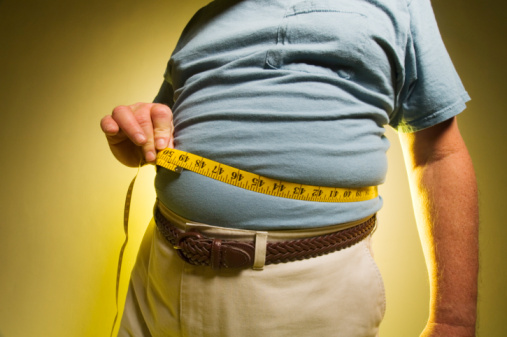
The arguments for a soda tax are unconvincing. Shouldn’t a decline in soda drinking have caused obesity rates to fall? Instead, obesity rates have soared, more than doubling since 1980 among adults and tripling among children.
To be sure, obesity is a public health crisis. Obesity generates about $147 billion in annualized medical costs, according to the Centers for Disease Control and Prevention. Soda is not blameless for this trend but neither is it the only villain. American are fat for a host of reasons including not exercising enough and a lack of access to fresh fruits and vegetables. Soda taxes also would place unreasonable burdens on businesses who would have to collect them and pass them on to the government. Consumers, even thin ones, will pay for these additional expenses through higher prices.
If soda drinkers have to pay an additional fee to the government, what other unhealthy treat is next? Donuts? Cheeseburgers? Ice cream? The problem with taxes is that the lead to more taxes and not necessarily better results.
–Jonathan Berr









 Top Gaining Stocks
 Top Losing Stocks