Can Greece Manage Its Finances Now That Bailout Is Set?

Photo of Douglas A. McIntyre
By Douglas A. McIntyre Published
This post may contain links from our sponsors and affiliates, and Flywheel Publishing may receive compensation for actions taken through them.

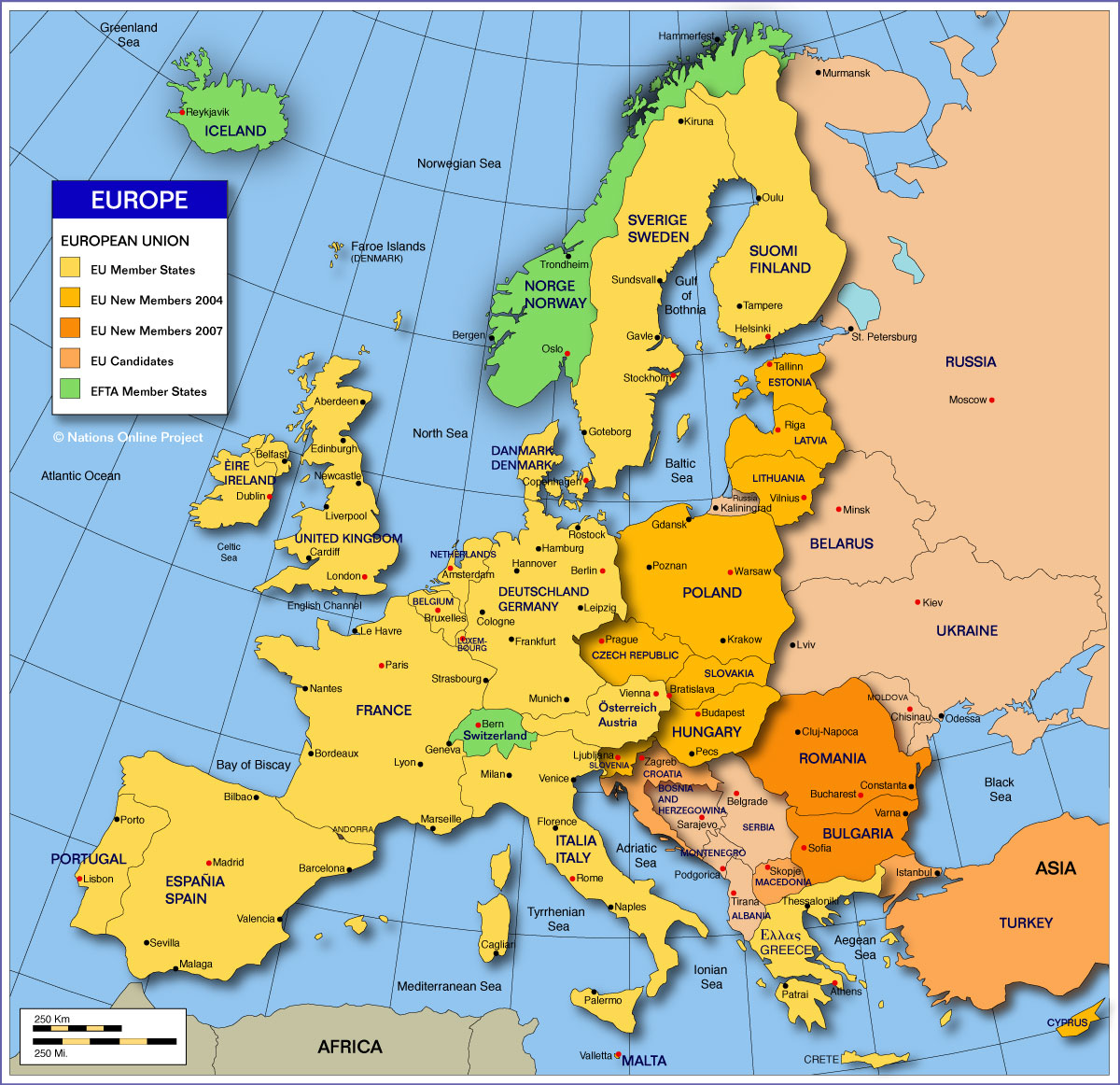
The eurozone has created a larger European Financial Stability Facility (EFSF), which will be set at more than 1 trillion euros. This will allow for a new bailout of Greece. The southern European nation will get 30 billion euros on top of the 100 billion it has already borrowed.

Now Greece must prove it deserves the new funds, which means it will have to continue to cut costs as its GDP drops. It also will have to keep its streets clear of tens of thousands of protestors who leave their jobs each time they strike. It is a formidable set of challenges, which Greece has not been able to address in the past.

One goal of the newly funded EFSF is to prevent contagion. It is large enough, probably, to keep capital market investors in Italy, Portugal and Spain from the kind of panic that forced Greek borrowing costs to unsustainable levels. The debt of these nations will be backstopped by the 1 trillion euro facility. Each of these countries may have stagnant economies, but if they can bring down government expenditures, the theory is that their national deficits will shrink and their debt loads will become financially reasonable.

Greece has a problem that is more severe than those of its neighbors. Its GDP currently falls at 5% or more, based on data collected by the EU and IMF. The goal of the new bailout is to get Greece’s debt to GDP ratio to 120% by 2020. Greece cannot cut its expenses enough to reach that goal. It has already gutted many government programs and begun to sell precious assets. There is a limit to its ability to continue these actions.

There is a great deal of skepticism about whether austerity hurts GDP growth. Greece faces years of falling GDP if the skeptics are right. It also likely faces years of labor unrest as more and more its citizens have reductions in their wages and standards of living. Each strike costs the Greek economy something as a portion of it is shut down.

The success of the new bailout will not depend on its amount. It now depends on whether Greece can get its financial house in order. That will not happen, if the past is any indication.

Douglas A. McIntyre

Photo of Douglas A. McIntyre
About the Author Douglas A. McIntyre →

Douglas A. McIntyre is the co-founder, chief executive officer and editor in chief of 24/7 Wall St. and 24/7 Tempo. He has held these jobs since 2006.

McIntyre has written thousands of articles for 24/7 Wall St. He is an expert on corporate finance, the automotive industry, media companies and international finance. He has edited articles on national demographics, sports, personal income and travel.

His work has been quoted or mentioned in The New York Times, The Wall Street Journal, Los Angeles Times, The Washington Post, NBC News, Time, The New Yorker, HuffPost USA Today, Business Insider, Yahoo, AOL, MarketWatch, The Atlantic, Bloomberg, New York Post, Chicago Tribune, Forbes, The Guardian and many other major publications. McIntyre has been a guest on CNBC, the BBC and television and radio stations across the country.

A magna cum laude graduate of Harvard College, McIntyre also was president of The Harvard Advocate. Founded in 1866, the Advocate is the oldest college publication in the United States.

TheStreet.com, Comps.com and Edgar Online are some of the public companies for which McIntyre served on the board of directors. He was a Vicinity Corporation board member when the company was sold to Microsoft in 2002. He served on the audit committees of some of these companies.

McIntyre has been the CEO of FutureSource, a provider of trading terminals and news to commodities and futures traders. He was president of Switchboard, the online phone directory company. He served as chairman and CEO of On2 Technologies, the video compression company that provided video compression software for Adobe’s Flash. Google bought On2 in 2009.

Featured Reads

Our top personal finance-related articles today. Your wallet will thank you later.

Continue Reading

Top Gaining Stocks

CBOE Vol: 1,568,143
PSKY Vol: 12,285,993
STX Vol: 7,378,346
ORCL Vol: 26,317,675
DDOG Vol: 6,247,779

Top Losing Stocks

LKQ
LKQ Vol: 4,367,433
CLX Vol: 13,260,523
SYK Vol: 4,519,455
MHK Vol: 1,859,865
AMGN Vol: 3,818,618



