


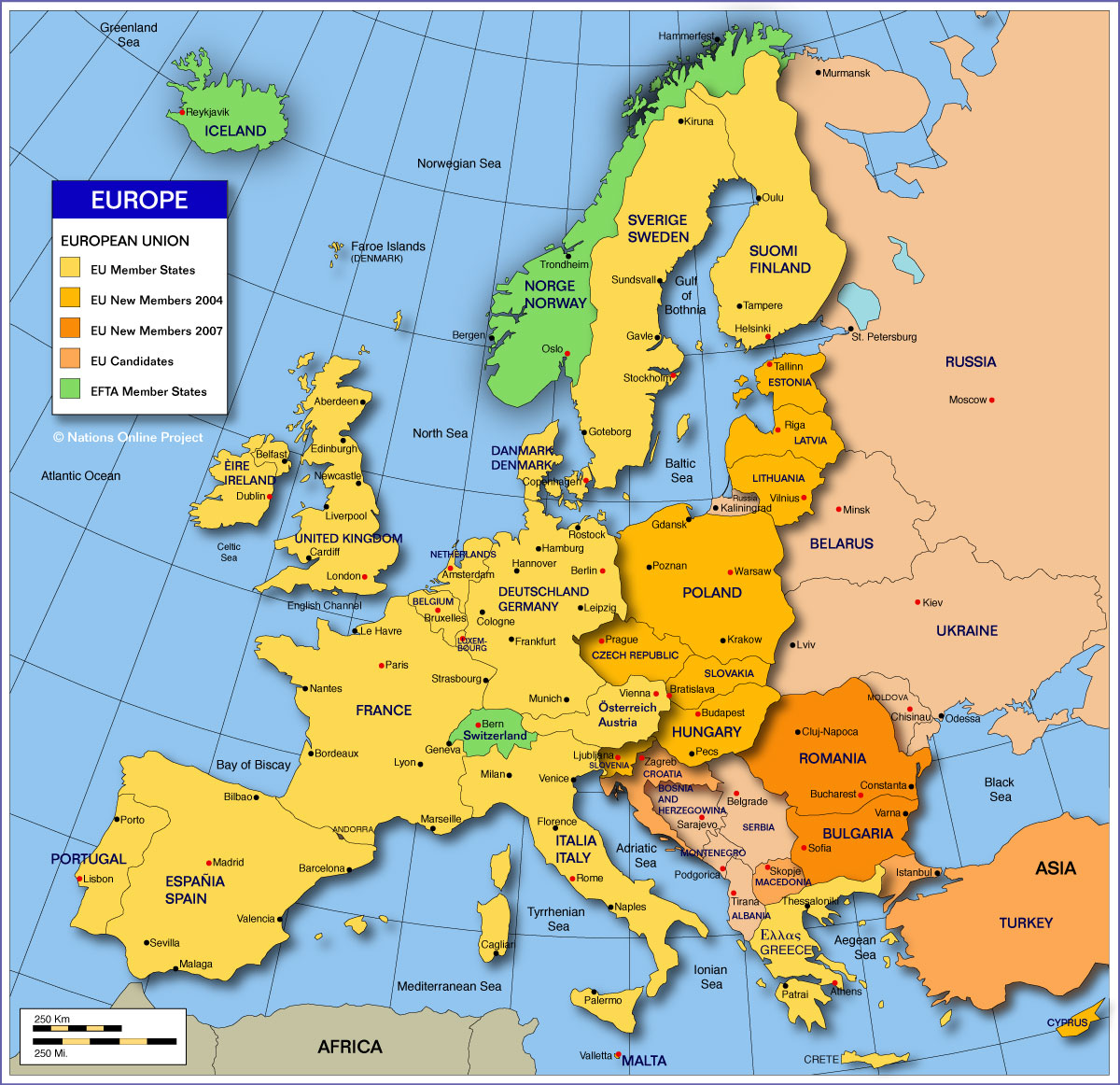
Over the past two months, PMI data from Germany and France have prompted most experts to believe that Germany and France were recovering. The International Monetary Fund expressed its opinion that the UK would grow slowly this year, as has Bank of England governor Sir Mervyn King. Neither believes that the improvement will be robust, but it has begun, nonetheless.
The debate about the economies of Germany, France and the UK may be academic. The difference between a 0.1% drop in GDP and a 0.1% improvement will not be enough to improve employment, factory production or consumer spending. The ripple effect of the flat line of growth is that the fear of contagion to the U.S. and Chinese economies will come true. The IMF argued in favor of this pessimistic point of view last month as it cut GDP forecasts for most large nations, but data from Europe’s largest economies, the U.S. and China’s PMI argued that improvement would outrun the skeptics.
The recovery, particularly in China and the U.S., is supposed to take root this spring. U.S. tax breaks and improved job creation should increase consumer spending and business investment. The piles of cash held by large American companies will be put to work to invest in expansion. And China’s recent data on exports and factory activity have shown a pick up in the past month. The People’s Republic is so highly dependent on exports that some large part of the global economy has driven and will drive the improvement. As a matter of fact, China’s export machine is so large that it should be considered a proxy for global economic activity.
What has caused the sudden, deep concern about Europe? Probably economic predictions of a recovery got ahead of themselves. When the global economy is so delicate, it is easy for that to happen.
Douglas A. McIntyre





 Top Gaining Stocks
 Top Losing Stocks