


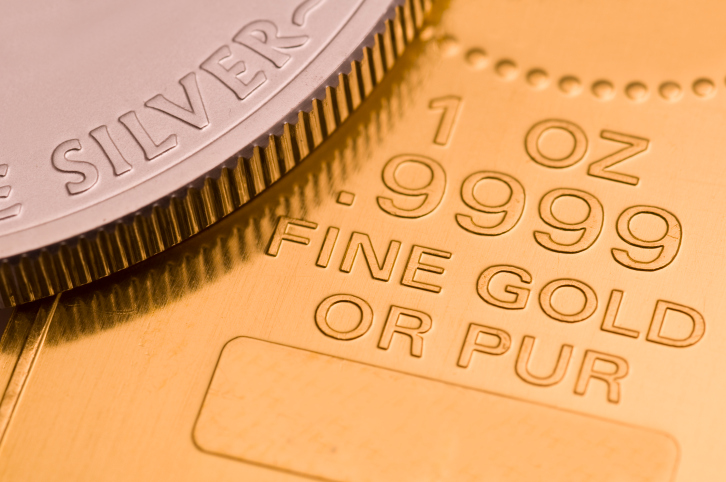
But that hasn’t happened. Bloomberg reports this morning that the SPDR Gold Trust (NYSEMKT: GLD) has reduced its gold holdings by nearly 10% since the beginning of the year and shed another 0.9 metric tons in the week through yesterday to a current level of 1,221.26 metric tons. Gold prices rose by just 1.3% in the week through yesterday. That is the biggest rise in four months, but hardly indicates a panic.
We have written before about the decline in gold holdings by exchange traded products as the only big buyers left appear to be central banks, especially central banks in emerging nations. Central bank gold purchases are at their highest level in nearly 50 years and the World Gold Council (WGC) believes that trend will continue.
The global economy is not suffering from inflation but from lack of growth. Prices are not rising and that lowers demand for gold as a hedge against inflation. With growth predicted to remain sluggish, demand for gold is not likely to improve substantially. The 2008 price spike in virtually all commodities resulted in production increases that have resulted in lower commodity prices. Given the strengthening dollar and lower commodity prices, especially for oil, demand for gold does not look to be on a path to a sharp rise in the near future.
None of this bodes well for gold producers like Barrick Gold Corp. (NYSE: ABX), Newmont Mining Corp. (NYSE: NEM), Kinross Gold Corp. (NYSE: KGC) or any other of the large gold producers that face rising costs and lower prices for their production. For the miners to prosper though, they need to control costs and hope for rising gold prices. That combination is likely to remain elusive.
Silver, too, has some issues. Since reaching a peak of more than $32 an ounce in mid-January, the devil’s metal has fallen to around $28.50 an ounce. Silver Wheaton Corp. (NYSE: SLW), which reported earnings last night, reported a 17% increase in annual silver production and forecast growth for 2013 of 13% in silver equivalent ounces. But a 10% drop in silver prices over the course of 2012 cut the firm’s cash operating margin by 12%. And unfortunately central banks do not accumulate silver.
Given the tendencies of the masters of the eurozone to kick the can down the road before demanding more austerity, any number of potential euro-shocks are still possible. If the shock is big enough, gold could easily make a comeback.






 Top Gaining Stocks
 Top Losing Stocks