



New Treasury Secretary Jack Lew told CNBC that the U.S. may not reach its debt ceiling until Labor Day. Just a few months ago, experts believed that the president and Congress would have to wrestle with the issue well before then. However, tax receipts, particularly from individuals, have been stronger than expected. Government spending has slowed a bit. And austerity measures currently in place likely will further mute government spending. Receipts should continue to be strong due to tax rate increases. The taxes have not ruined consumer spending, although perhaps they have slowed it. The contentious nature of the debate about spending cuts will not go away. The threat that a new budget will not be passed by Labor Day also will not disappear. Put another way, the war over the government’s spending caps remains, but it most likely will get to take the summer off.
Bill Gross Says …
PIMCO investment chief Bill Gross continues to flog the absence of good investments. In his monthly letter for May, he made this point:
The easiest answer to the question of what to buy is to simply take your ball and go home. If the rules aren’t fair, don’t play. That endgame however, results in a Treasury bill rate of 10 basis points or a negative yield in Germany, France and Northern EU markets. So a bond and equity investor can choose to play with historically high risk to principal or quit the game and earn nothing. PIMCO’s advice is to continue to participate in an obviously central-bank-generated bubble but to gradually reduce risk positions in 2013 and perhaps beyond. While this Outlook has indeed claimed that Treasuries are money good but not “good money,” they are better than the alternative (cash) as long as central banks and dollar reserve countries (China, Japan) continue to participate.
Broadband on Airlines
Americans who fly regularly will be able to get better broadband speeds at 30,000 feet than in their homes. Today, the Federal Communications Commission (FCC) proposed an expansion of the availability of in-flight broadband connectivity to airline passengers.
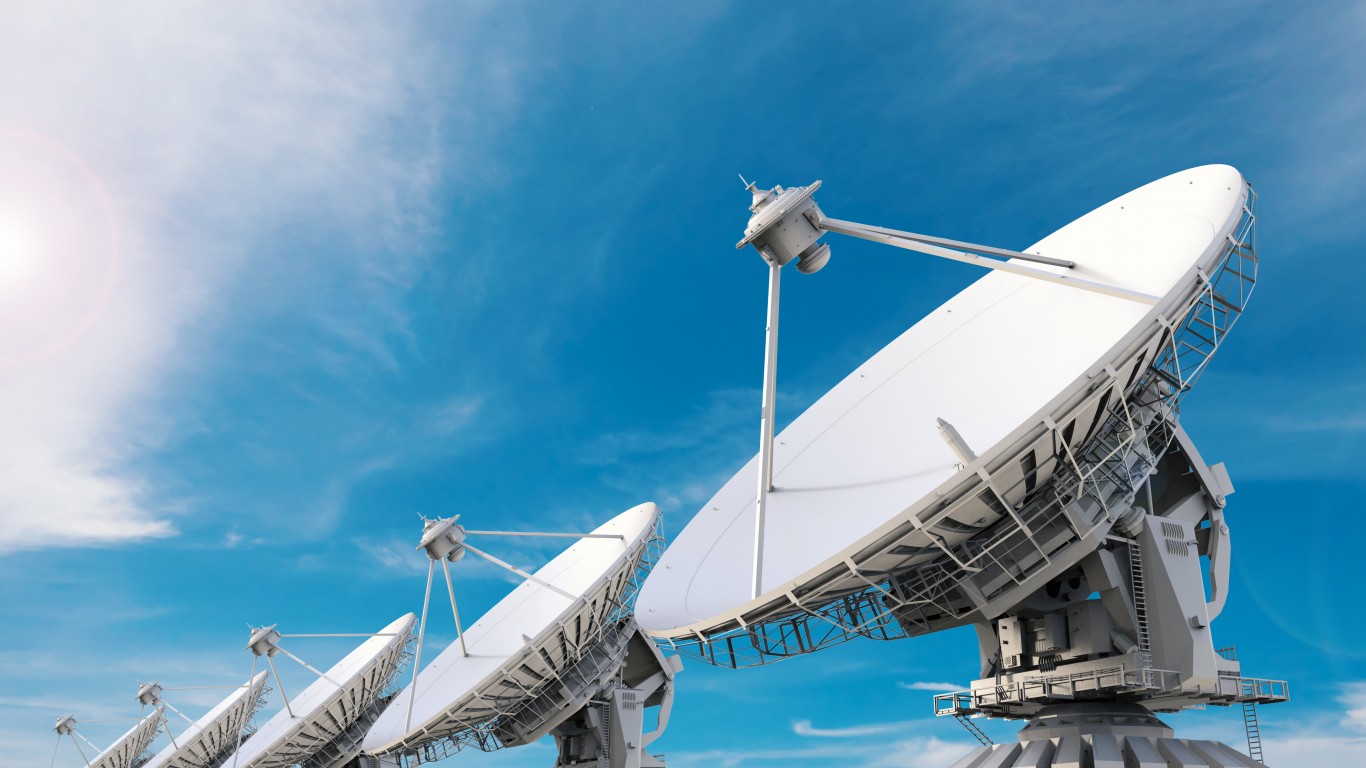
The Commission proposes to establish an air-ground mobile broadband service, using a ground-based network to communicate with planes, by taking advantage of technical innovations to expand sharing of certain spectrum among users. Expanded availability of in-flight Wi-Fi will help meet demand from travelers to connect to a full range of communications services while flying in the contiguous United States.
More options for in-flight broadband are likely to increase competition, improve the quality of service, and lead to lower prices. Improved connectivity benefits business and leisure travelers alike in their desire for ubiquitous broadband access to keep in touch with work, family, and friends while flying. The Commission proposes to establish this air-ground mobile broadband service as a secondary allocation in the 14.0-14.5 GHz band, the same band used by satellite companies for Fixed-Satellite Service (FSS) uplinks on a primary basis and by certain Federal services on a secondary basis. The service would be required to protect primary FSS in the band from harmful interference and to coordinate with other users in the band.










 Top Gaining Stocks
 Top Losing Stocks