



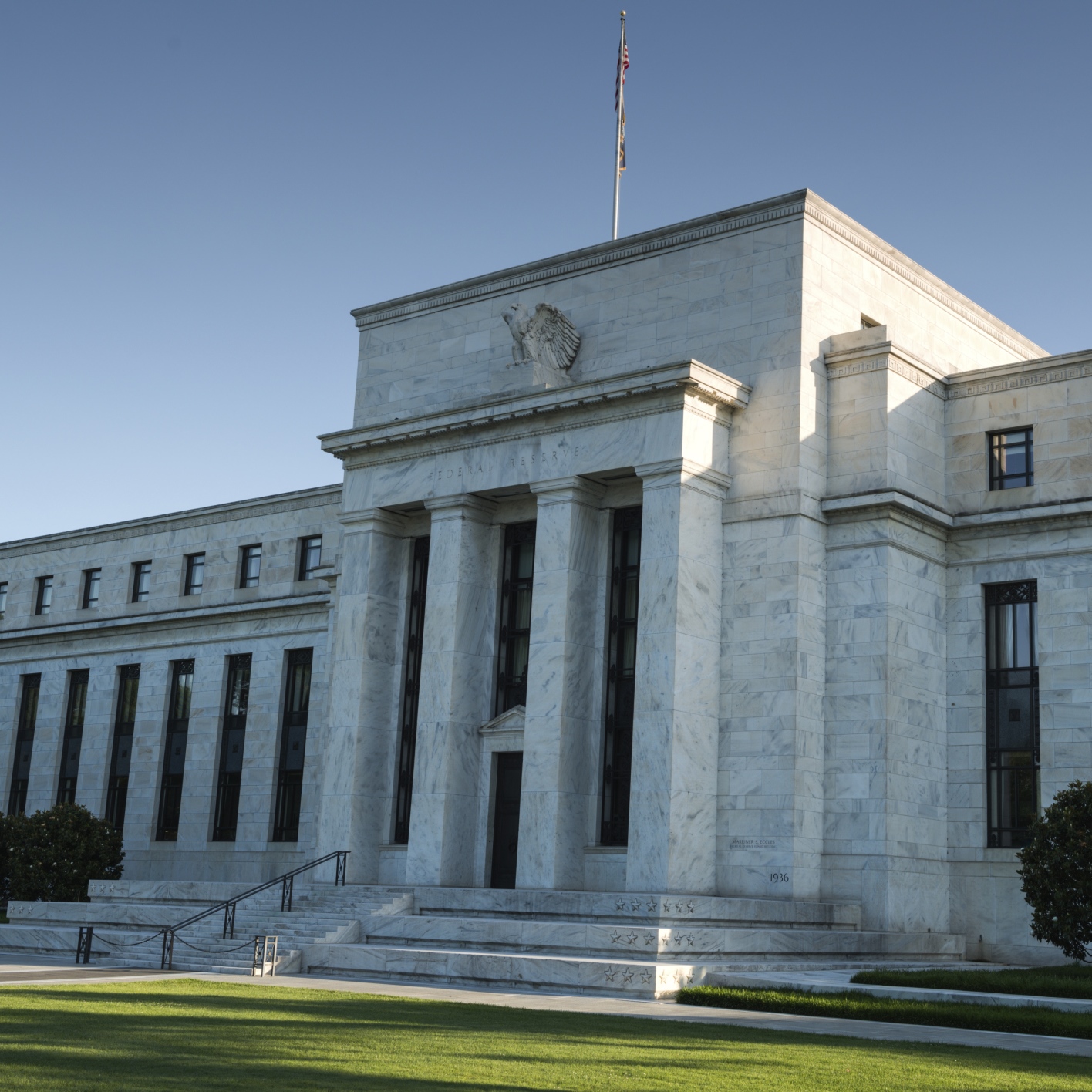
With June rate hike expectations now mostly evaporated thanks to a perceived dismal May jobs report, it looks like the Federal Reserve is going to hold off on what was once a highly probable second rate hike in 10 years. If that happens Wednesday, June 15, and the Federal Open Market Committee (FOMC) ends up voting to hold the target fed funds rate as is, then a potentially embarrassing situation for the Fed could develop on June 16.
The monthly Consumer Price Index (CPI) numbers will be published only one day after the FOMC rate hike decision. Consensus estimates for the all-important inflation measurement are at 0.3%, versus a 0.4% rise for the previous month of April, meaning traders are expecting the inflation rate to fall slightly. If estimates are correct on either the CPI or core CPI minus food and energy, or come in lower than expected, the Fed would be temporarily vindicated for postponing a hike. But if the core CPI exceeds expectations with the 12-month percentage change already past 2% since December, the Fed is going to look soft on inflation, which will itself stoke more inflation expectation fears.
It makes you wonder why the CPI and core CPI numbers are scheduled for release only one day after an FOMC decision and not one day before.
[nativounit]
Will core CPI come in above expectations? Impossible to know for sure, but according to the Federal Reserve Bank of Atlanta Wage Growth Tracker, the three-month moving average of median wage growth is now the highest it has been since January 2009. While this doesn’t prove anything, it does show that businesses are willing to spend more on employees, which eventually translates to those employees willing to spend more on consumption.
What this means practically, particularly for bond market investors, is that we might be very close to a final top in debt markets. The two largest bond exchange traded funds by assets, the iShares Core U.S. Aggregate Bond ETF (NYSEMKT: AGG) and the Vanguard Total Bond Market ETF (NYSEMKT: BND), have both hit new 52-week highs and are within 1.5% of all-time highs. With these kinds of debt markets, it is no wonder that Microsoft Corp. (NASDAQ: MSFT) is borrowing in order to fund its $26.2 billion acquisition of LinkedIn Corp. (NYSE: LNKD) while Microsoft already has $120 billion in cash, short-term investments and net receivables on its balance sheet.
Signs of a bond market blow-off top are not only restricted to the United States though. German 10-year bunds entered negative territory for the first time on June 14, and British gilts dove below a 1.18% yield for the first time as well. A higher core CPI may not only embarrass the Fed and force it to raise rates at the next FOMC meeting, regardless of any bearish economic indicators. It could end up ruining the global bond party.
[wallst_email_signup]








 Top Gaining Stocks
 Top Losing Stocks