


By David Callaway, Callaway Climate Insights
https://twitter.com/greentechmedia/status/1361440906096889860
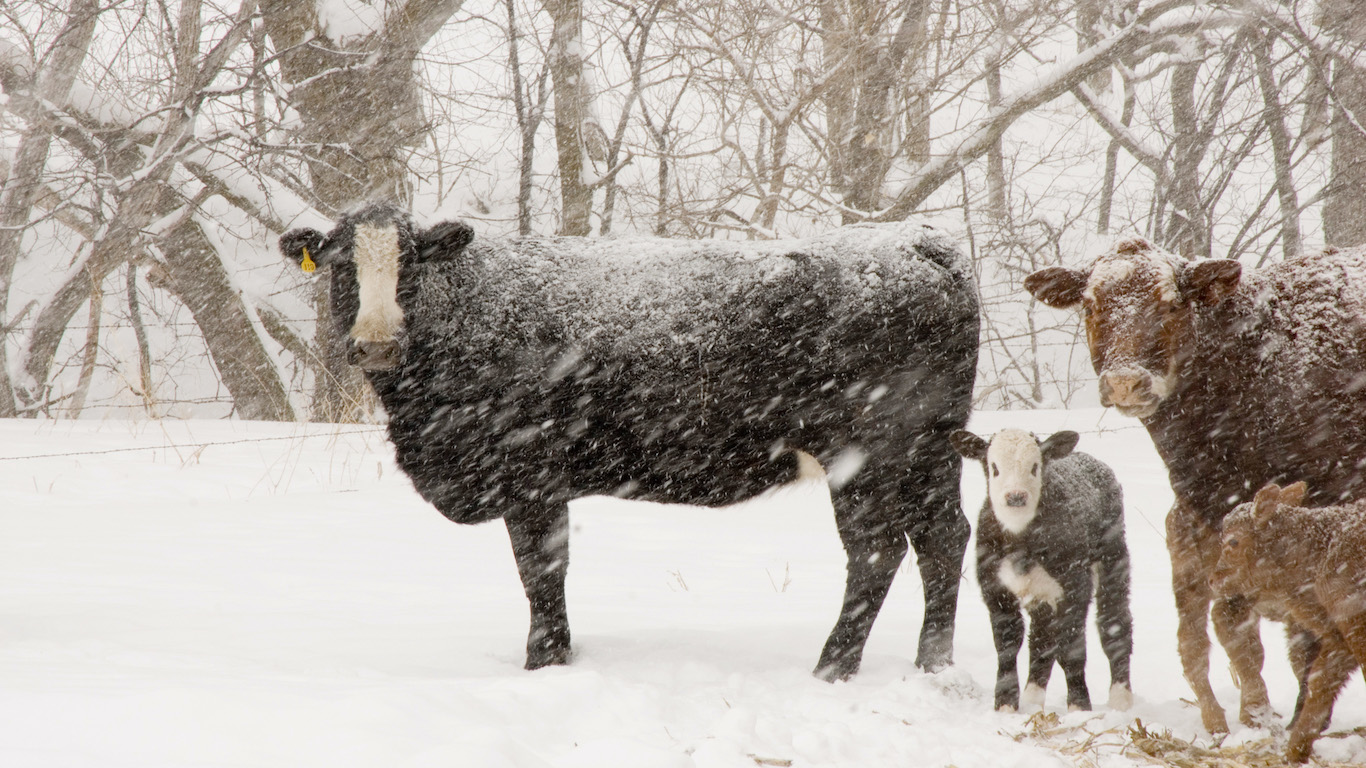
Yet more deadly winter weather is forecast for hard-hit Texas, Oklahoma and the southeast Tuesday night, bringing record low temperatures and significant snow accumulation, the National Weather Service said.
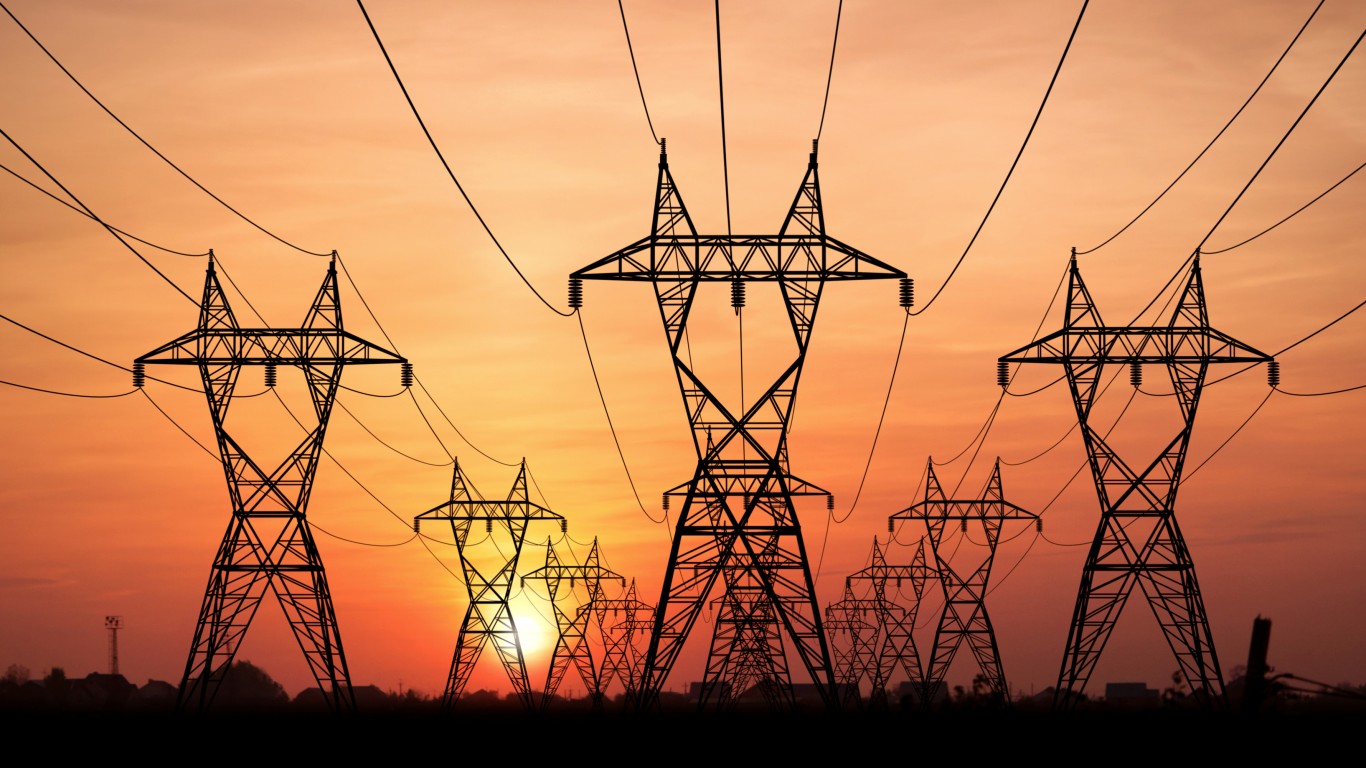
Global warming threats are typically no match for a record cold spell, and often the scapegoat, as we’re seeing today in Texas and the mid-U.S. But make no mistake, this is a climate disaster, and the failure of the Texas grid — dwarfing that of California this past summer — dramatically underscores the fact that we are not ready.
Texas, legendary home to the oil industry, is actually the U.S. leader in renewable energy. On a good day, wind and solar can power almost two-thirds of its supply. But reports of frozen turbines and rolling blackouts triggered the first real backlash against the Biden climate agenda, which will last long after the heat comes back on.
Right now, people are in real danger, and it’s imperative to get all supplies to the grid — including frozen natural gas pipelines and downed thermal power plants — operating again. Authorities say this polar vortex, pushed lower by warming in the Arctic, is unprecedented in states like Texas and Oklahoma.
It will go down as the first climate disaster of the Biden era. Instead of blaming alternate sources of power, we need to double down on shoring up the grids, and finding more power. Everywhere. The squeeze in power markets the past few days, with prices soaring 20-fold in some cases, tells the story.
This is the true test of the energy transition.
More insights below. . . .
Today’s insights: Measuring the next disaster by the social cost of carbon, and why a higher price is needed.
. . . . President Joe Biden has tasked a group to develop an estimate for the cost we will pay in future climate emergencies from greenhouse gas emissions today, and an announcement is imminent. Obama’s team had it around $50 a ton. Trump’s gang slashed it to $8. Two prominent economists yesterday issued a massive report arguing why it should be closer to $100. Here’s why they are right. . . .
. . . . Mexico, once a pioneer in fighting climate change, is turning back to fossil fuels, according to The Guardian. President Andrés Manuel López Obrador, responding to local political pressures and voting patterns, is re-opening coal plants, including two on the Texas border. A massive blackout after Christmas contributed to the pressure to turn its back on renewables and resume burning, as have blackouts the past few days as the Texas cold snap moved south. A reminder of the power of short-term politics. Read more here. . . .
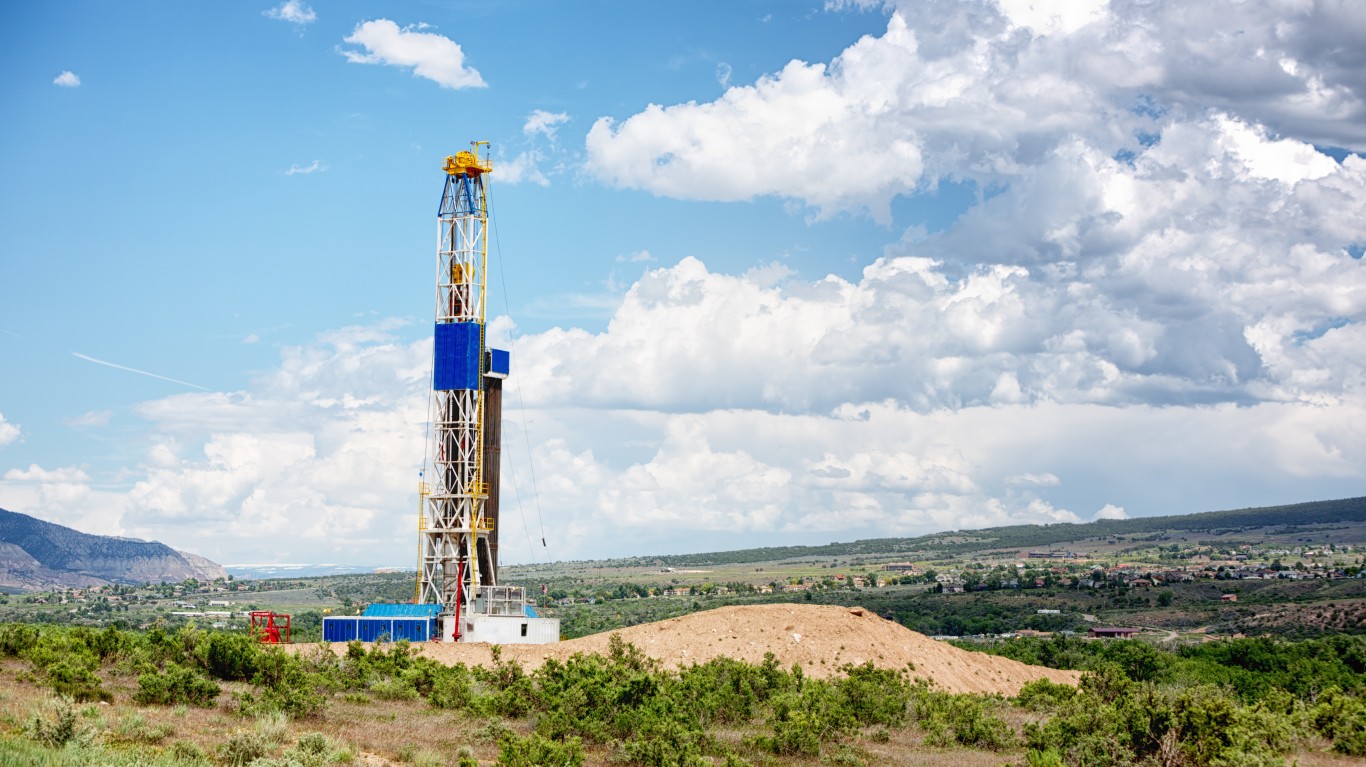
. . . . Two oil giants — BP and Chevron — are investing $40 million in a Canadian company that intends to use oil-drilling equipment to drill for geothermal heat near the Earth’s core to generate electricity. The novel use for what someday could be stranded equipment assets is a model for transitioning the fossil fuel majors to more creative ways to lead in energy exploration. Read more here. . . .
. . . . Sad to see GreenTech Media being shuttered by parent Wood Mackenzie. With ESG investments soaring and the U.S. energy transition picking up steam under President Biden, now seems a terrible time to be closing one of the early leaders in the space. I read their stuff often, and this story a few weeks ago about China’s dubious wind power installation statistics by Jason Deign was first rate. A salute to the news team there, working today to cover the Texas disaster even as their final deadline looms. . . .
In coal-dependent West Virginia, a transition plan takes shape
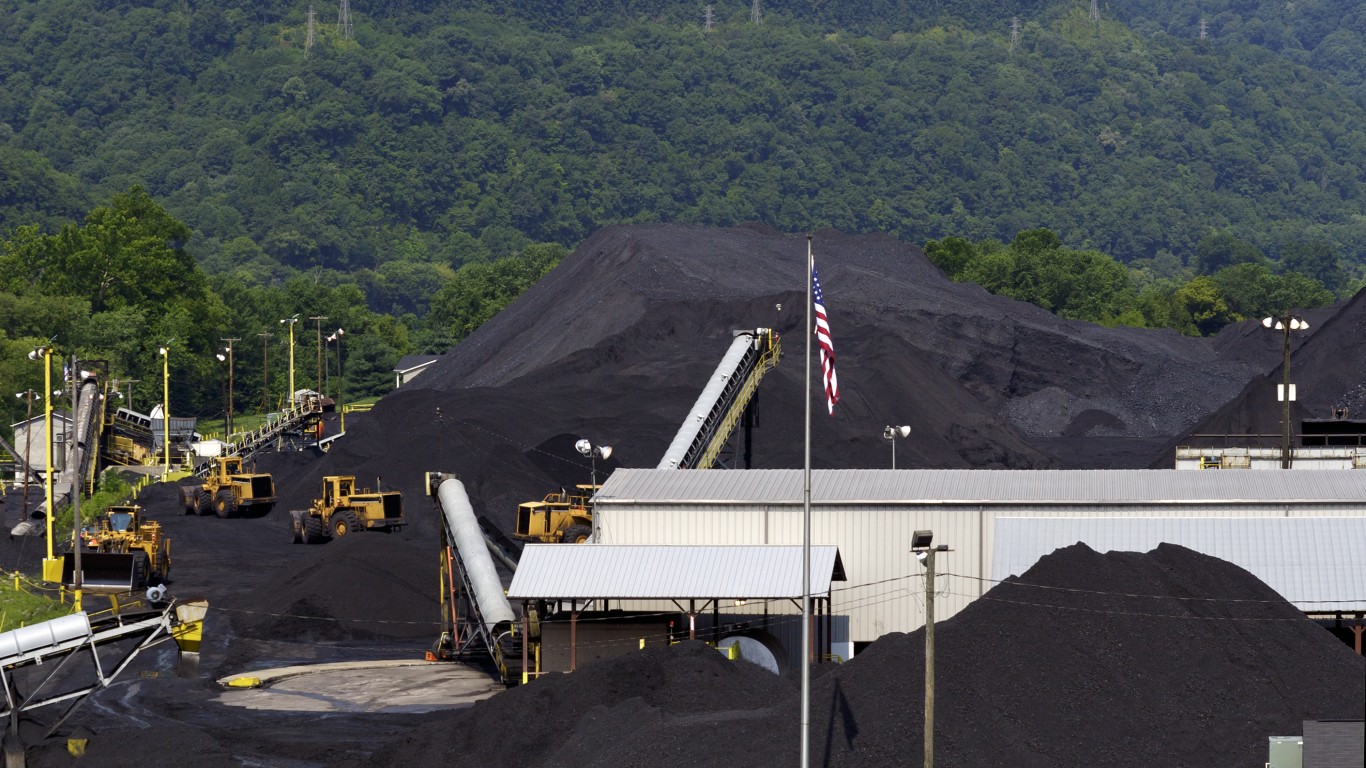
. . . . West Virginia’s top three utilities are almost entirely coal-dependent, and one in four U.S. coal jobs are in the state, but a tentative plan to transition to renewable energy by 2035 is starting to take shape, writes George Barker. Without a sign-off, the state risks losing renewable energy jobs to neighbors Maryland and Virginia, both of whom have aggressively hung their shingles. But old habits die hard.
West Virginia’s largest utility providers, Appalachian Power, Wheeling Power and Monongahela Power & Power Edison rely on coal for 72%, 100% and 99% of their power generation, with their recent integrated resource plans continuing along the status quo of small incremental progress which is “nowhere near the sort of build out that would really realize the opportunity that’s in front of West Virginia right now,” said Cronin. . . .
Harvesting soybeans and wind
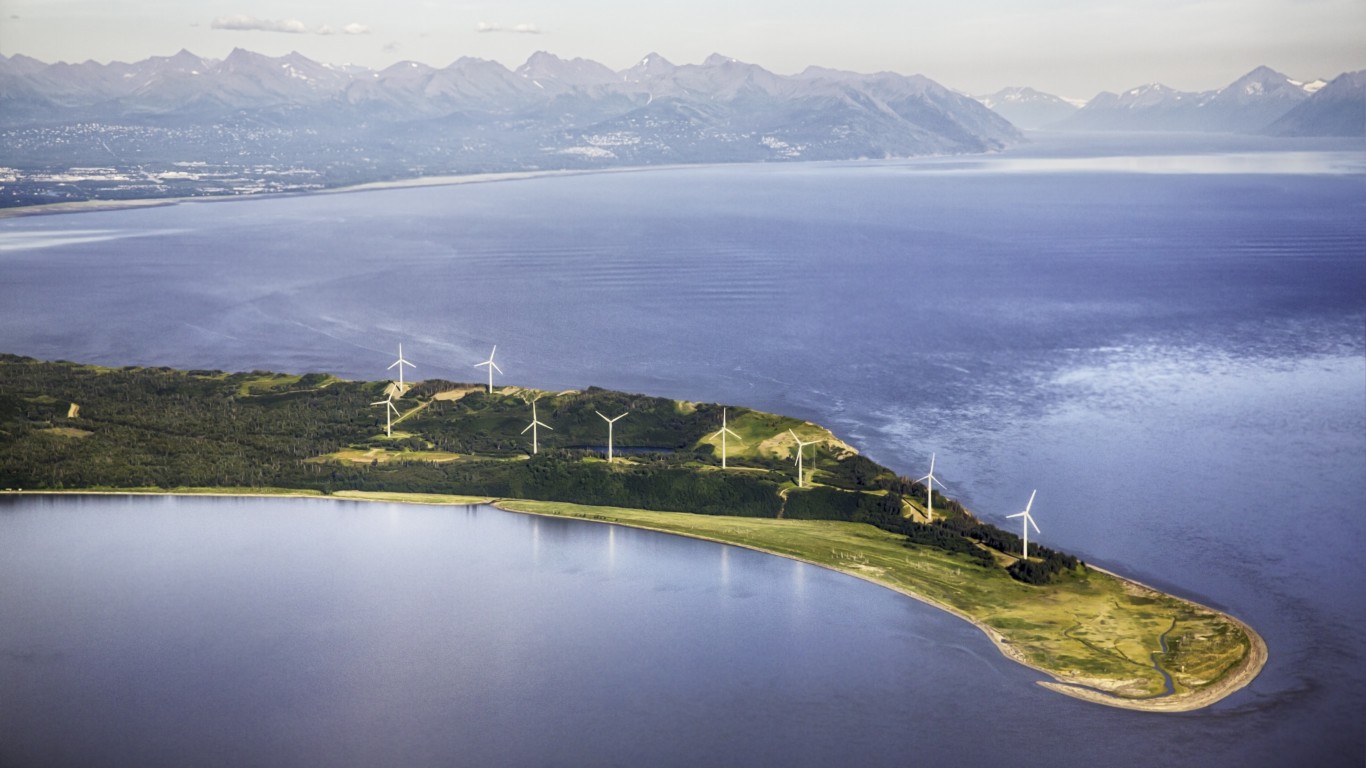
. . . . Rising temperatures and frequent droughts attributed to climate change have increased the risks that U.S. rural corn and soybean farmers face, slashing their income and crop yield, George Barker writes. Is renewable solar and wind energy a profitable new crop they can sow? Read more about the potential benefits of wind and solar projects. . . .









 Top Gaining Stocks
 Top Losing Stocks