


By David Callaway, Callaway Climate Insights
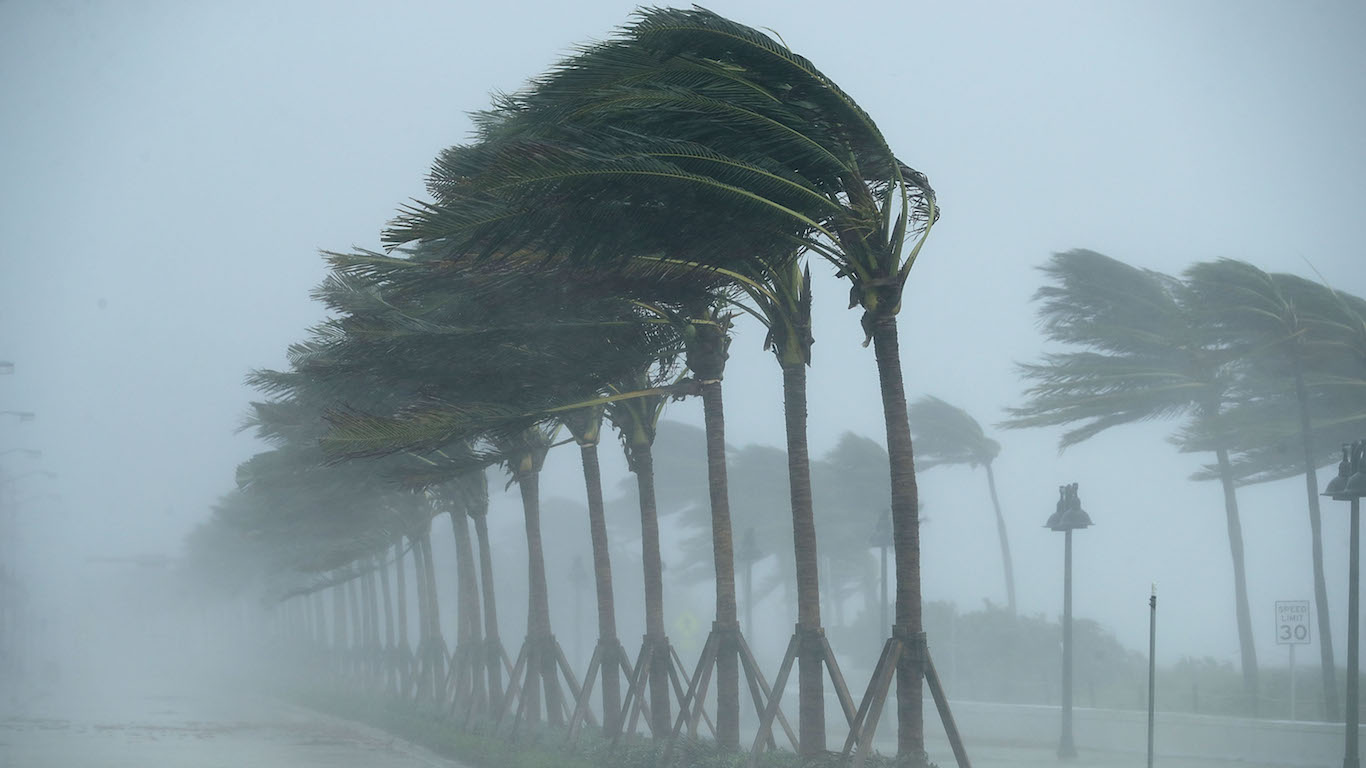
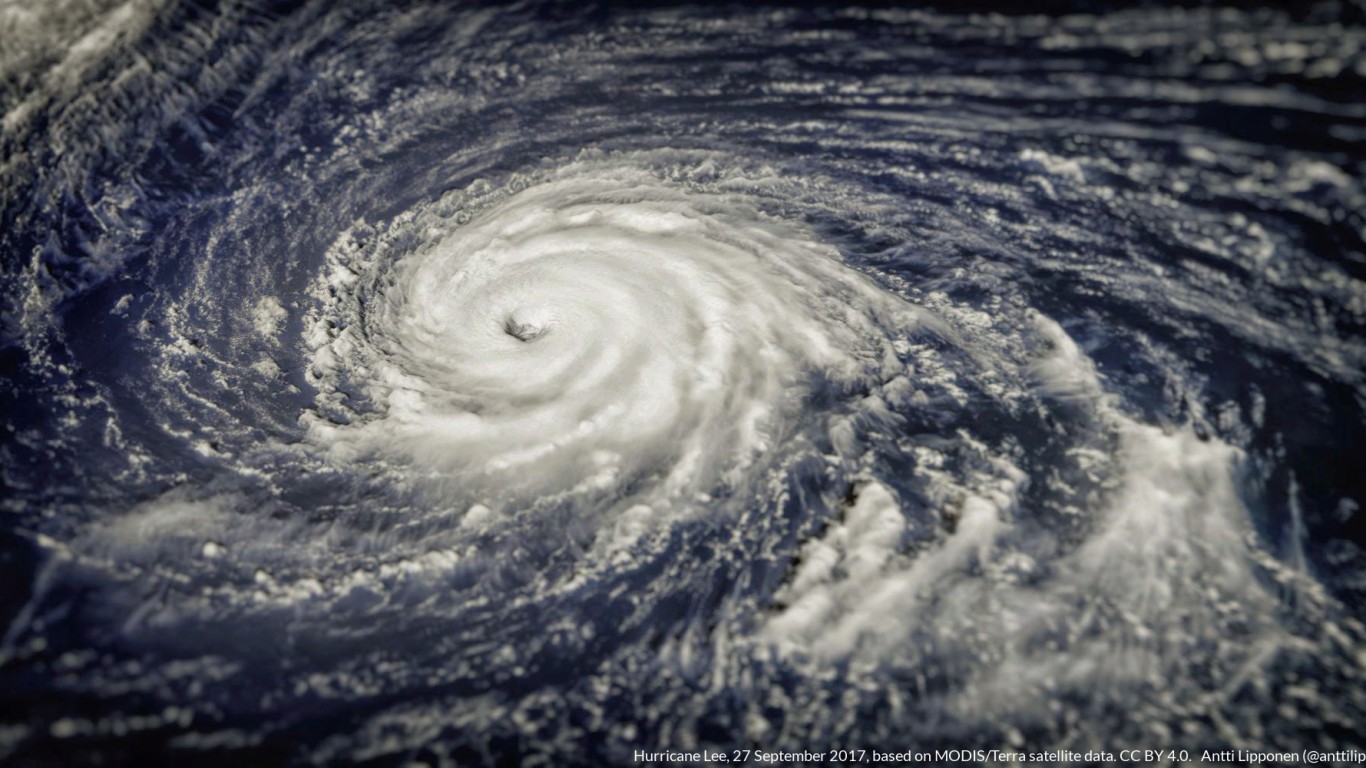
Colorado State University researchers are again predicting an above-average hurricane season for 2021, due in part to a weak El Niño and warmer than normal subtropical Atlantic sea surface temperatures. CSU researchers are forecasting 17 named storms, 8 hurricanes and 4 major hurricanes of category 3 or greater. Hurricane season starts officially June 1.
The dividing lines of climate nationalism came clanging down even before Japan announced today it would release a million tons of treated radioactive wastewater from its Fukushima Daiichi nuclear plant into the ocean. Asia neighbors, such as China and South Korea, are bitterly opposed, as are Japanese fishermen. The U.S. is OK with it.
Such are the “my backyard” politics of global warming, which threaten the ability of governments to come together to fight climate change and sustain dangerous pollution arbitrage practices by both the public and private sectors. Japan has misled the public about the levels of radioactivity in the waters in the past, so even though its plan to leak them out makes sense, its motive will always be suspect.
China and the U.S. both have their own versions of Fukushima Daiichi, the plant rendered obsolete and dangerous by the Japanese earthquake and tsunami a decade ago. China’s is in its reliance on coal and the U.S.’s is in fracking. But as long as they self-inflicted, the rest of the world turns its head.
The very real work of investing in cross-border climate solutions, starting with the Brazil problem in the Amazon, depends on international cooperation, not finger-pointing. As we approach President Biden’s climate summit next week for Earth Day, the lines of nationalism become more clear.
At a time when hundreds of billions are being raised to invest in decarbonization and clean water efforts, fund managers will be looking for more opportunities in places like Asia and South America. Climate nationalism, like we see with vaccine nationalism now, will only waste more time.
More insights below. . . .
Joro’s personal climate footprint app adds carbon offset program
. . . . As ESG markets mature, I’ve long told investors the holy grail will be a data play that allows them to track corporate carbon footprints real-time, like stock charts. Maybe even individual carbon footprints on our phones. Then one prominent investor told me last year, “you should meet Sanchali Pal at Joro. She’s doing just that.”
Pal is a Boston-raised, New Delhi-, Princeton- and Harvard-educated entrepreneur who passed on a job at Tesla after grad school to start Joro three years ago, a seven-employee climate startup dedicated to individuals who want to track their carbon reduction progress on a regular basis.
“We have tools for managing our finances and our healthcare, but there are not tools for managing our climate impact,” Pal said in an interview, adding that she began tracking her own footprint on a spreadsheet while at college. “Soon, having a net zero footprint will be the norm. We will all manage our carbon as intentionally as we manage our money.”
Joro’s app already allows users to track their footprints based on what they buy with a credit or debit card. Today, it’s launching an added service to help them pay to offset their carbon use by buying credits from a handful of vetted carbon offset programs tied to forestry, soil and bio-oil.
Pal said the average user will spend about $25 a month on buying offsets, and can track their progress lowering that over time. When I asked how difficult it might be to raise an audience that has to spend money, she cited a University of Chicago poll that showed almost a quarter of Americans would pay up to $40 a month to fight climate change.
Pal raised $1 million to get started and just succeeded in raising an additional $2.5 million (led by Sequoia) in December to go to the next stage, so today’s announcement is a significant milestone for the young company. We’ll check back in a few months to see how the Joro user base is progressing. . . .
Tuesday’s insights: Europe’s high wind investment, and a stock index using climate metrics
. . . . Wind investment in Europe rose more than 70% in 2020 from the year before, with Britain, the Netherlands, France and Germany funneling most of the cash into offshore and onshore wind farms, according to a new report. Despite recent progress in U.S. wind projects, particularly on the East Coast, Europe’s lead in this form of renewable energy is large and growing. Read more here . . . .
. . . . An odd news release crossed this morning about a new climate index calculated entirely with climate metrics, i.e. avoiding financial metrics, which traditionally influence stock price performance. The Climate Impact Consistent Indices (CICI), came out of an academic program called Scientific Beta, which is owned by the Singapore Exchange and was started by France’s EDHEC Business School. The release did not provide any back-testing data, so no word on how such an index would perform against environmental, social and governance competitors. But it’s a unique idea at a time when most ESG funds are questioned for putting stock performance over climate intentions. Worth watching. . . .
. . . . Forget climate nationalism, what about ‘climate federalism?’ That’s the developing rallying cry among fossil fuel companies and states seeking to block some of President Biden’s biggest climate spending plans. A series of legal arguments using states rights as a backstop are spreading out to block parts of the infrastructure legislation and efforts to shutter oil and gas pipelines. As some of these begin to hit the courts, the era of negotiation is just beginning. Read more here. . . .












 Top Gaining Stocks
 Top Losing Stocks