


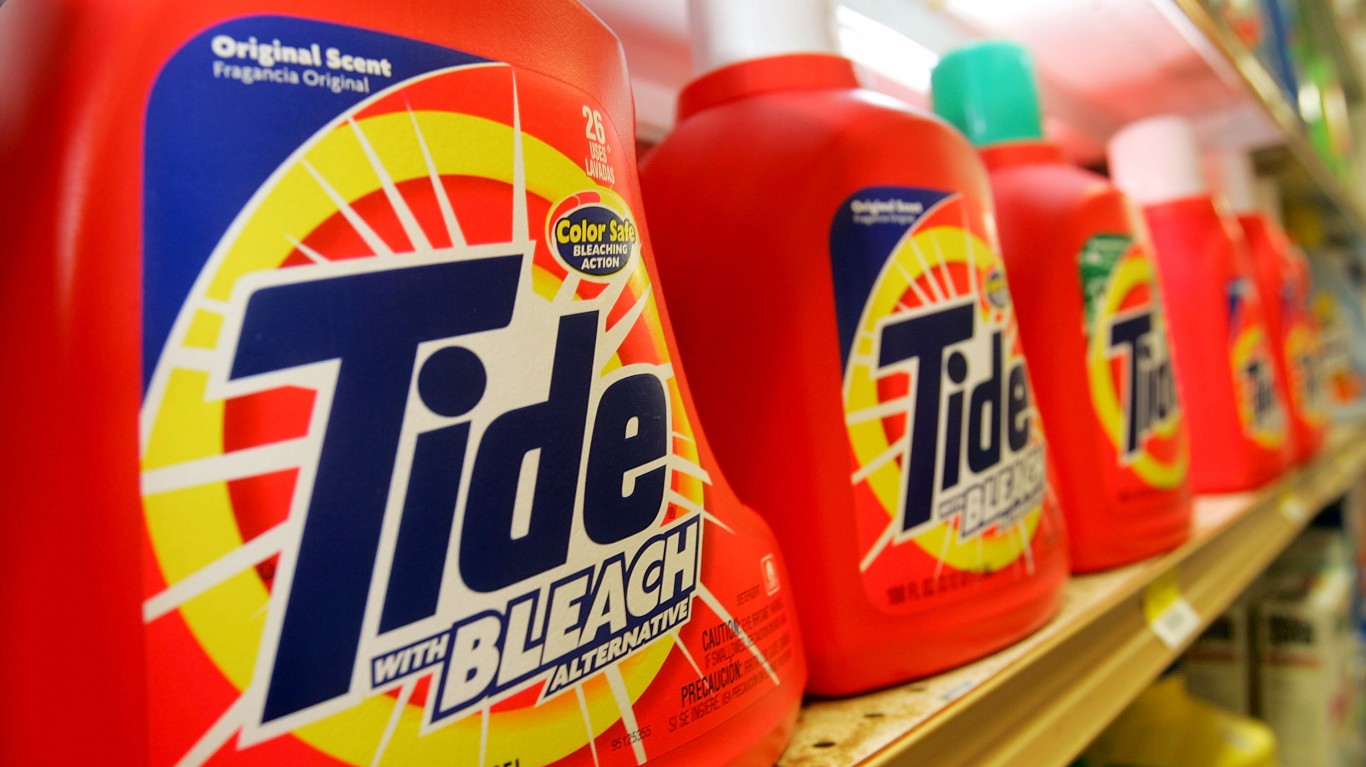
Founded in 1837 by William Proctor and James Gamble. The company grew fast during the 19th century, selling candles and soap, and by 1880, it began producing a new product with a high-quality yet inexpensive soap called Ivory.
By 1859, the company posted $1 million in sales
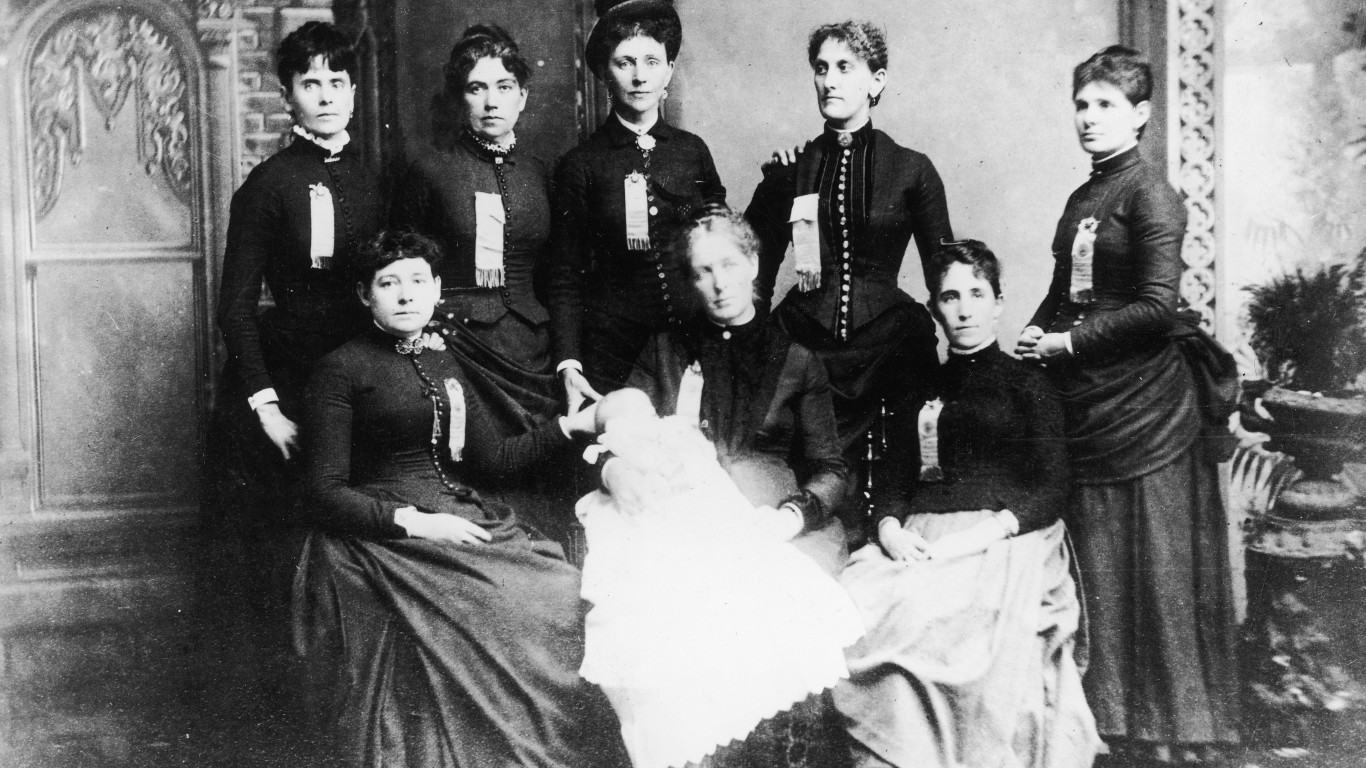
After leasing a building in Cincinnati in 1854, product sales continued to grow as the firm hit its first significant financial milestone five years later.
The 20th century saw explosive product growth for the consumer staples giant
From diapers called Pampers to VapoRub to innovative drying products like Bounce, the massive list of products the company makes and sells worldwide continues to grow today.
While The Procter & Gamble Company (NYSE: PG | PG Price Prediction) remains one of the biggest consumer products companies in the world and possibly one of the safest stocks to own for nervous investors, we found five reasons inventors may want to tap the brakes on buying shares now without hesitation.
Procter & Gamble stock is expensive

Trading at a rich 24 times earnings, the shares are likely close to fully valued at that level. This is even more important given that earnings growth remains in the single digits.
Higher input prices could hurt the bottom line
With growing expenses linked to higher commodity prices, increasing material and packaging costs, and foreign currency exchange issues, many analysts feel that this fiscal year could see slower earnings-per-share growth.
If the economy hits a recession, consumers may use cheaper products
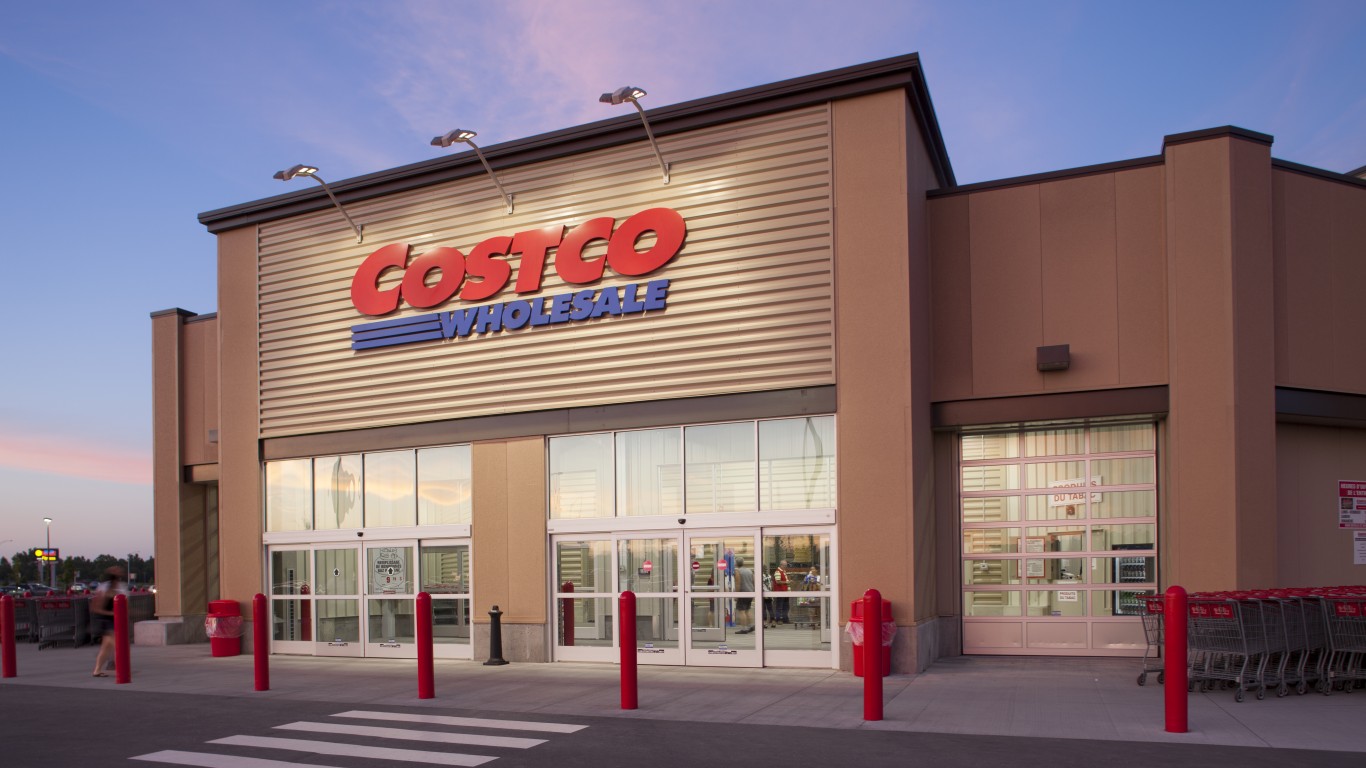
The great bulk of the products the company sells also come in cheaper generic brands, and should the economy hit a downturn in 2024, there’s a good chance that middle and lower-income households could opt for more affordable brands that the mega-retailers like Costco Wholesale Corporation (NASDAQ: COST) and Walmart Inc. (NYSE: WMT) offer under their private label names.
The dividend is good but not great
Even though consumer staples are a very conservative sector, Procter & Gamble currently only pays shareholders a 2.59% dividend. Given the risk factors in any equity, conservative investors can do far better in insured money markets that pay as much as 4.6% monthly.
The company has been accused of alleged environmental issues

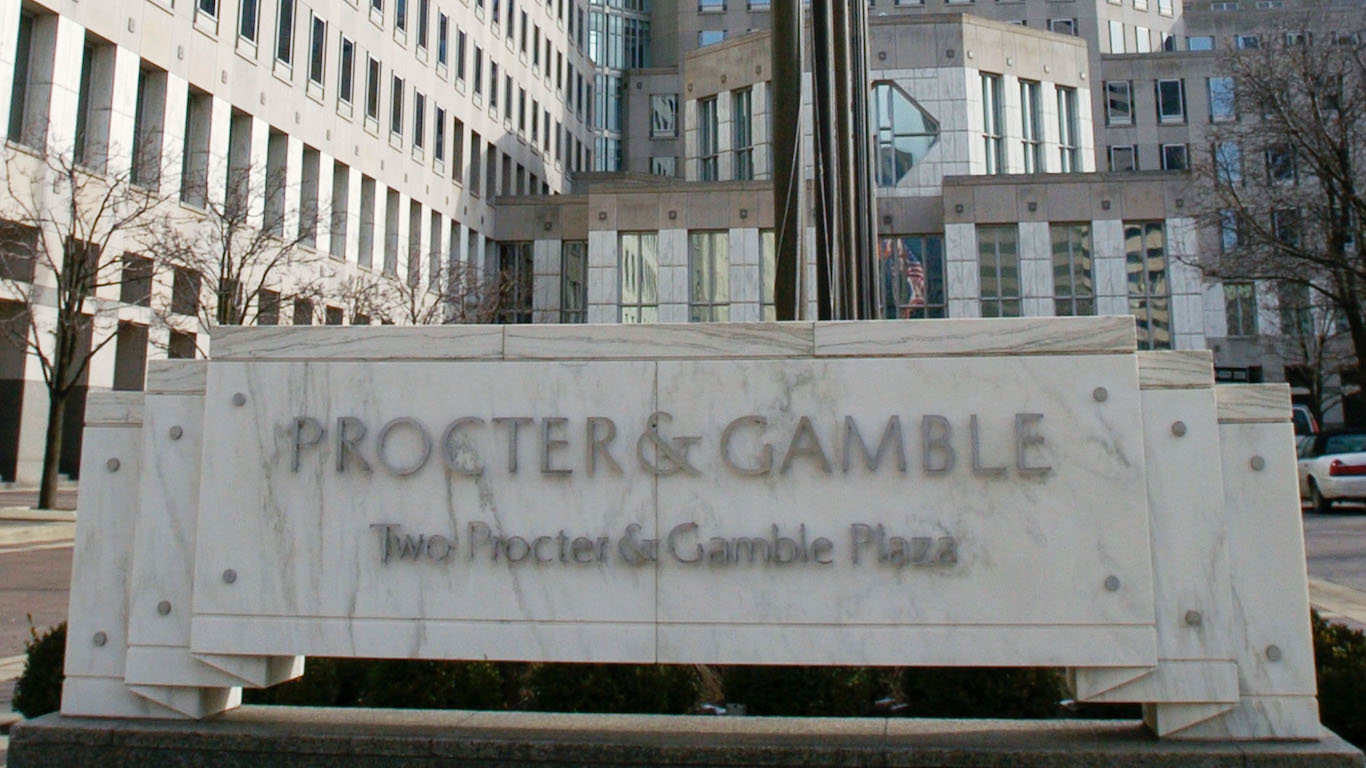
According to environmental activists who rallied outside the company’s headquarters back in the fall, the company sources ingredients for its products from suppliers, contributing to deforestation. Activists claim that the company’s failure to address the unsustainable sourcing of wood pulp and palm oil creates long-term damage.
At the margin, Procter & Gamble is one of the safest mega-cap consumer staples companies investors can own. However, trading at 24 times earnings and with Wall Street expecting single-digit earnings growth in 2024, the stock is expensive when other insured safe investments pay higher dividends. While we would suggest holding shares if you have them, we don’t recommend buying the stock now.







 Top Gaining Stocks
 Top Losing Stocks