


From its beginnings as the Vacuum Oil Company founded in 1866 to the Standard Oil Company started by John D. Rockefeller in 1870, over the last 140 years, the company grew from a regional seller of kerosene to one of the largest publicly traded oil and gas and petrochemical companies in the world.
Operating worldwide as Exxon Mobil Corp. (NYSE: XOM | XOM Price Prediction) and Esso, the company develops next-generation technologies to help meet energy and chemical demands worldwide.
While the company has been in large-cap growth and income portfolios for decades, the shifting power in the energy sector and the constant barrage of green energy activists have changed the outlook for the integrated energy behemoth. We found six reasons investors should avoid the stock right now.
Exxon Mobil’s massive Pioneer purchase could haunt them
In October, the company announced it would buy Pioneer Natural Resources (NYSE: PXD) in a vast all-stock $59.5 billion deal. Since it is an all-stock and no-cash deal, it’s possible that former Pioneer shareholders could be big sellers of the stock unless there is a hefty collar on selling the shares. In addition, regulators are closely scrutinizing the deal.
Exxon Mobil shares have traded sideways for over a year

Despite the strong move higher for oil earlier in 2023, the stock has traded sideways since the fall of 2022. Should there be a significant decline in oil over the next six months, the bottom for the shares holding right around $101 could break, and the next level of support is 15% lower.
Wall Street loves the shares and has high hopes

With 14 Buy ratings, 4 Hold ratings, and no Sell ratings, Wall Street analysts love the shares, but with an average price target 30% above current trading levels, they may be overly optimistic. The $131 average price target is a level the stock has never traded at.
Third-Quarter 2023 profits plunged
The company posted third-quarter 2023 results that were dramatically lower than the previous year’s results for the quarter on drops in oil and natural gas realizations. The results were a stunning 54% below the 2022 prints, as revenue slid 19%.
Warren Buffett has been out of stock for years
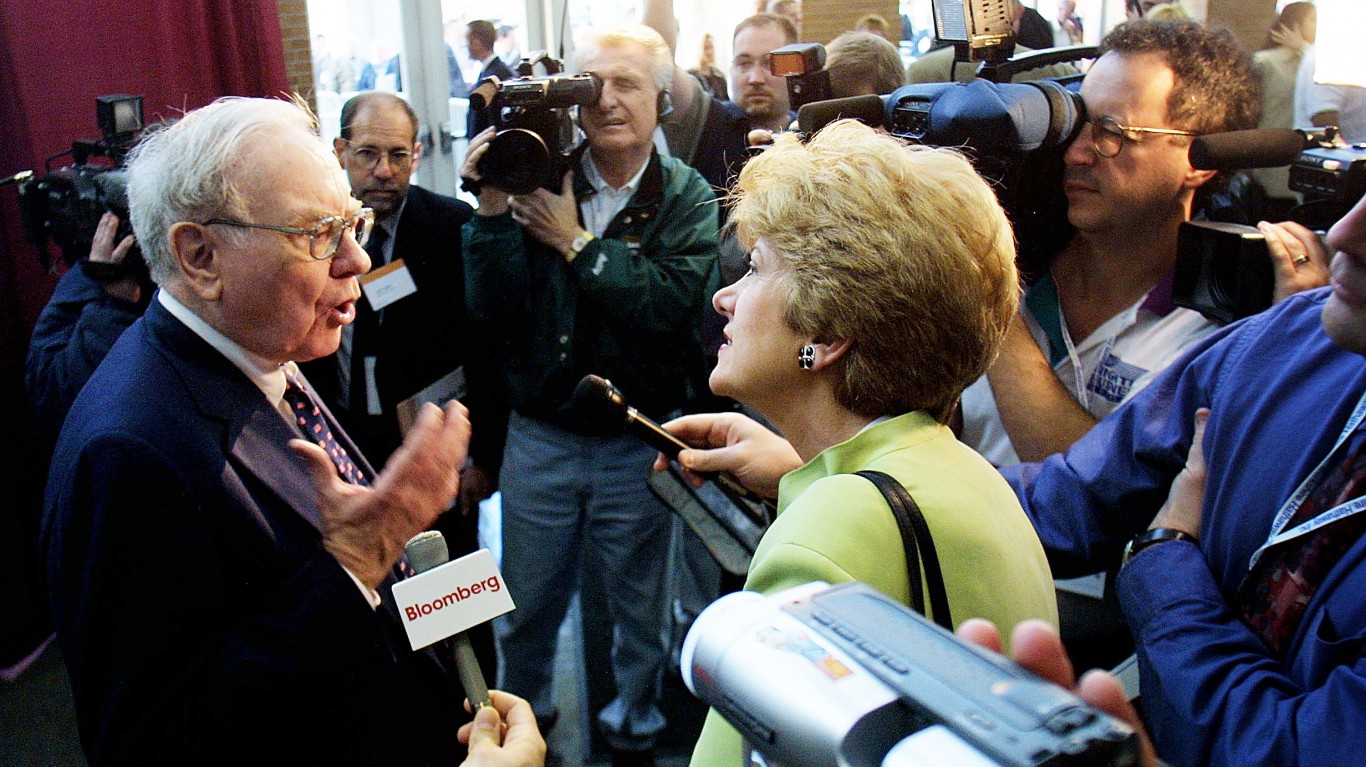
After first buying shares of Exxon Mobil in 2009, Warren Buffett bought the stock five more times and sold it four times later. His final sale was in 2014, and Berkshire Hathaway has not owned any of the stock since. The company has a prominent position in Chevron Corp. (NYSE: CVX).
The shares haven’t split in over 20 years
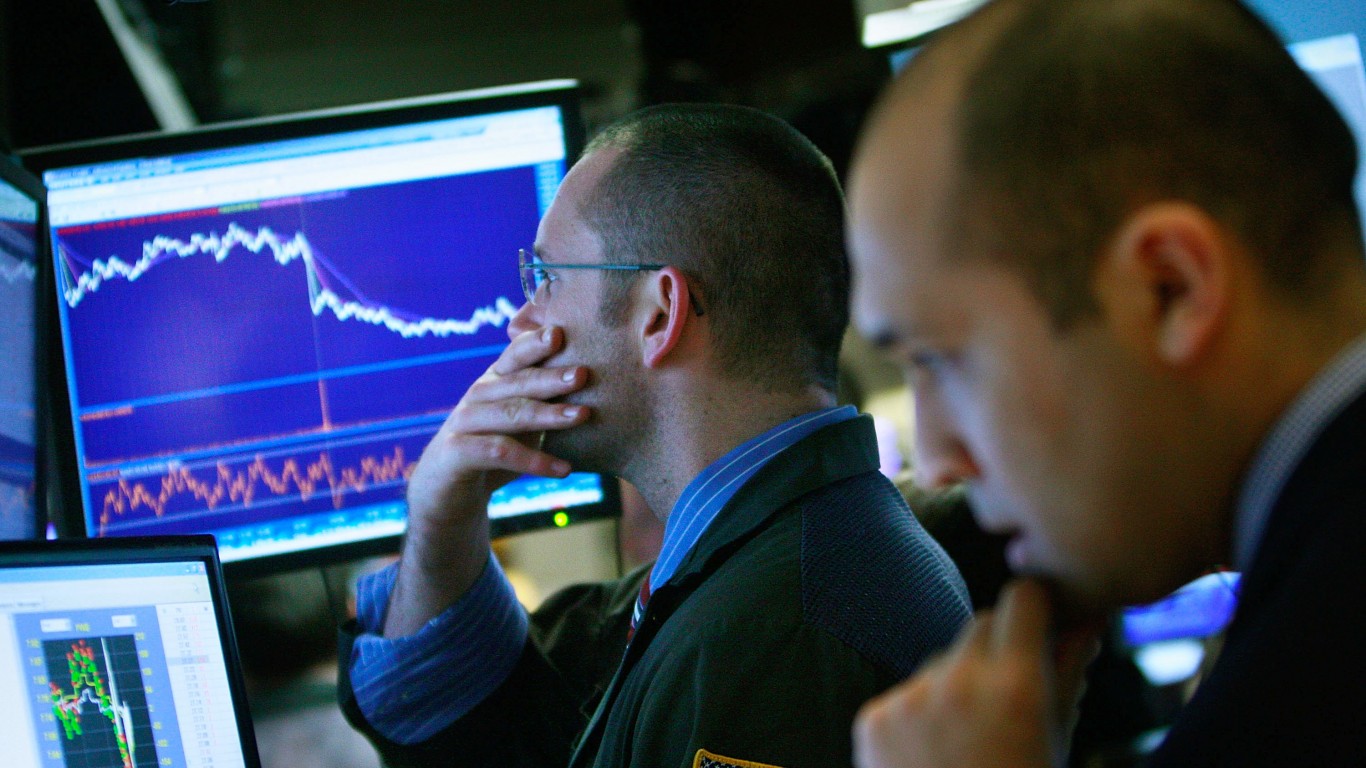
While Exxon Mobil has had five stock splits over the years, the shares haven’t split since July 2001. At the current trading price of $101, the stock is higher than many retail investors can afford, so the only way to have a position is via a Mutual Fund S&P 500 exchange-traded fund.
The bottom line for investors is the demand for oil and gas over the coming years. While the need for so-called fossil fuels will remain in place for decades, especially after the electric vehicle push and other green agendas hit serious headwinds, the competition is stiff. OPEC could either lower production or flood the market. Investors intent on looking to buy shares now should scale buy, adding some at current levels and looking for a market sell-off in 2024 to add more.











 Top Gaining Stocks
 Top Losing Stocks