


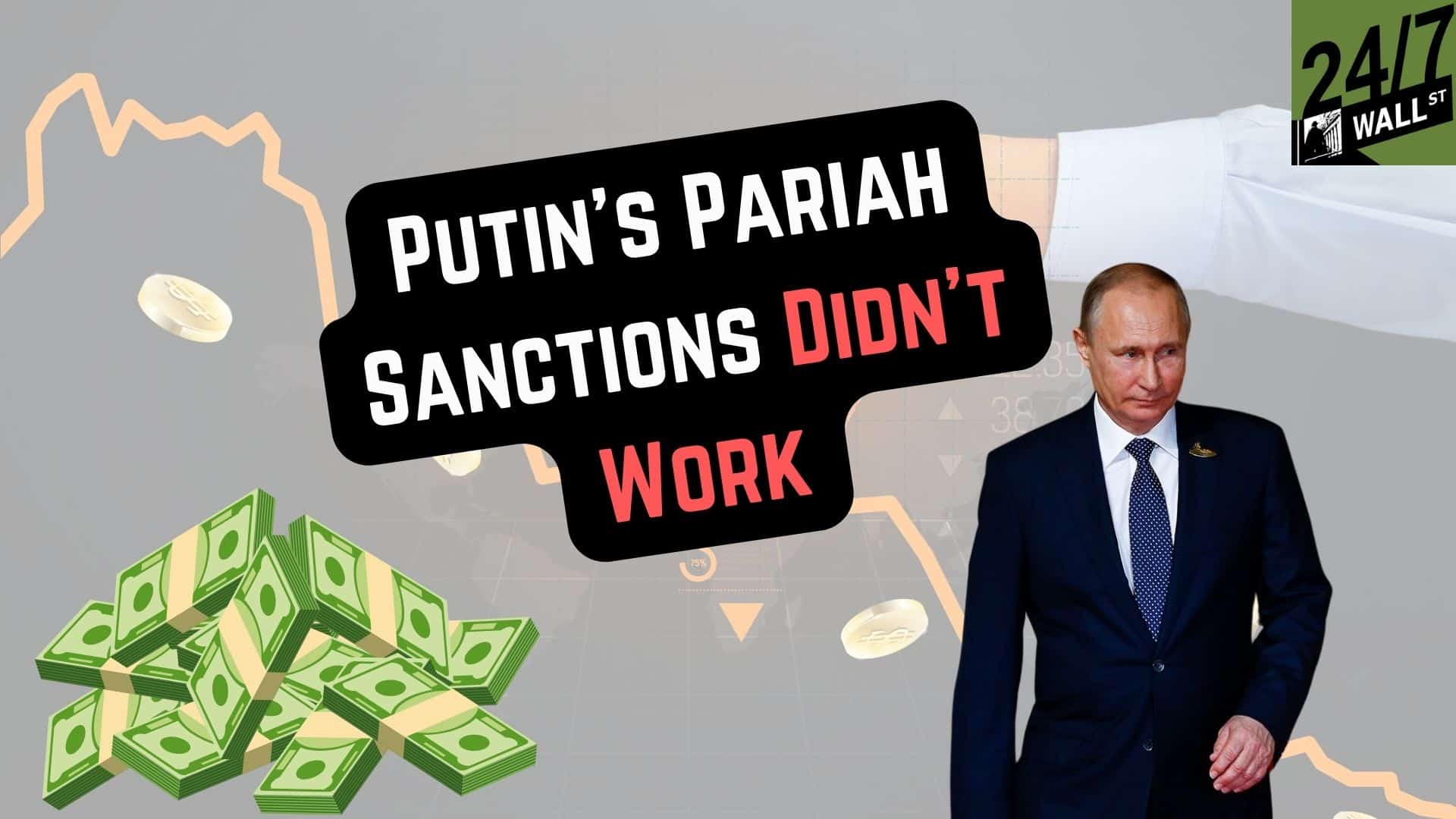
The Global Money Games Didn’t Work
The discussion centers on the effectiveness of global sanctions on Russia following its invasion of Ukraine. Despite the sanctions, Russia’s oil economy flourished due to rising oil prices and continued trade with certain nations. The conversation highlights the challenges of enforcing sanctions without global unity.
Invest In Trends, Not Geopolitics
With so much turmoil and uncertainty, it’s easy to forget that there are mega trends brewing that could make investors fabulously rich. The few who are looking ahead to the future are placing their bets, and the most promising opportunity by far is AI. That’s why we penned a 38 page research report titled ‘the next Nvidia’ revealing our top three AI picks for the years ahead. For a limited time you can access the report, completely free, simply by clicking here.
Transcript:
You brought up a really interesting point that I’d love to just spend a little pause, another beat on, which is there was this belief early on in the invasion of Ukraine that Russia would be a pariah state and there were all of the global sanctions led by the US.
And it really was a case of we’re going to freeze all the money and asphyxiate the Russian economy.
Yeah.
But what interestingly what happened is, you know, Russia, largely being an oil state, ended up having a fantastic year for their oil economy immediately following the invasion.
Oil prices rose and they still had enough friends that they were able to sell oil to other countries.
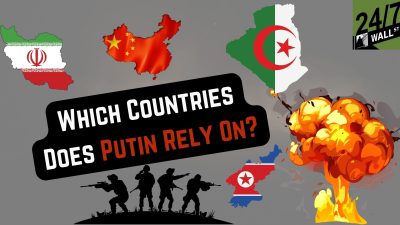
So can we talk a little bit about, you know, which countries are still actively trading with Russia today?
Is it the same countries you mentioned, you know, China, Belarus, and what are they trading?
Is it energy?
Is it coal?
Is it arms?
Do we know?
Yeah, well, transparency is definitely difficult in this area, obviously.
For example, North Korea has been sending a huge amount, or they allegedly sent a huge amount of artillery shells to Russia.
They consistently deny it, but it’s pretty obvious that they’ve been doing that.
No, I think the biggest problem the United States has encountered with sanctions has been enforcement.
It’s one thing to say you won’t buy Russian oil or Russian gas.
That’s another thing to actually do it.
And we’re seeing a lot of third parties getting involved.
So Russia hasn’t suffered nearly as much as the sanctions were supposed to.
And I suppose that’s because energy in many ways is a global market, right?
So as long as there is one buyer of Russian oil, that demand is coming out of the other markets and other buyers or other sellers they might have been buying from, and it does affect the price.
So unless there is a global unity, it would seem, of large economies to sanction Russia, they’re only going to be somewhat effective.
And you’re still seeing some very large economies, be it China, the BRICS, Iran, continuing to purchase Russian goods, which can certainly, if some of the buyers leave the pool, but not all, the effect is dramatically muted.
Yeah, I mean, it requires unity, as you said, it requires, and there’s no way to enforce it, really, that’s the big problem.
You know, if some large nations don’t want to go along with the sanctions, there’s not really many ways to compel them to do so short of threatening them with sanctions on top of sanctions, which is obviously not going to be a very practical way to go about things.
Right.






 Top Gaining Stocks
 Top Losing Stocks