



Key Points:
- Government overestimated job creation by 900,000.
- Weaker job market increases recession concerns.
- Miscount may have delayed earlier Fed rate cuts.
- One of the best ways to protect yourself in a downturn is high-quality dividend stocks. Smart money is scooping up these two dividend legends before word gets out.
A significant discrepancy in U.S. job market figures, with nearly 900,000 jobs previously reported as created that were not. This miscount impacts perceptions of the economy’s strength, suggesting that the job market wasn’t as robust as believed, which could have influenced earlier decisions by the Federal Reserve regarding interest rates. The conversation also touches on the potential for further economic revisions and concerns about the U.S. heading toward a recession, especially given the rising credit card debt among Americans. Lastly, it questions the accuracy of GDP numbers in light of these job market revisions.
The Monthly Unemployment Figures: A Flawed System

- The government releases unemployment figures every month, which often lead the business news and are highly anticipated.
- Over the past couple of years, job additions have consistently been in the hundreds of thousands, frequently exceeding expectations.
Revisions Reveal a Massive Job Miscount

- Recent revisions by the government revealed that nearly 900,000 jobs previously reported were never actually created.
- This significant miscount is particularly concerning during an election cycle, as politicians have been touting strong job growth.
The Implications of the Miscount
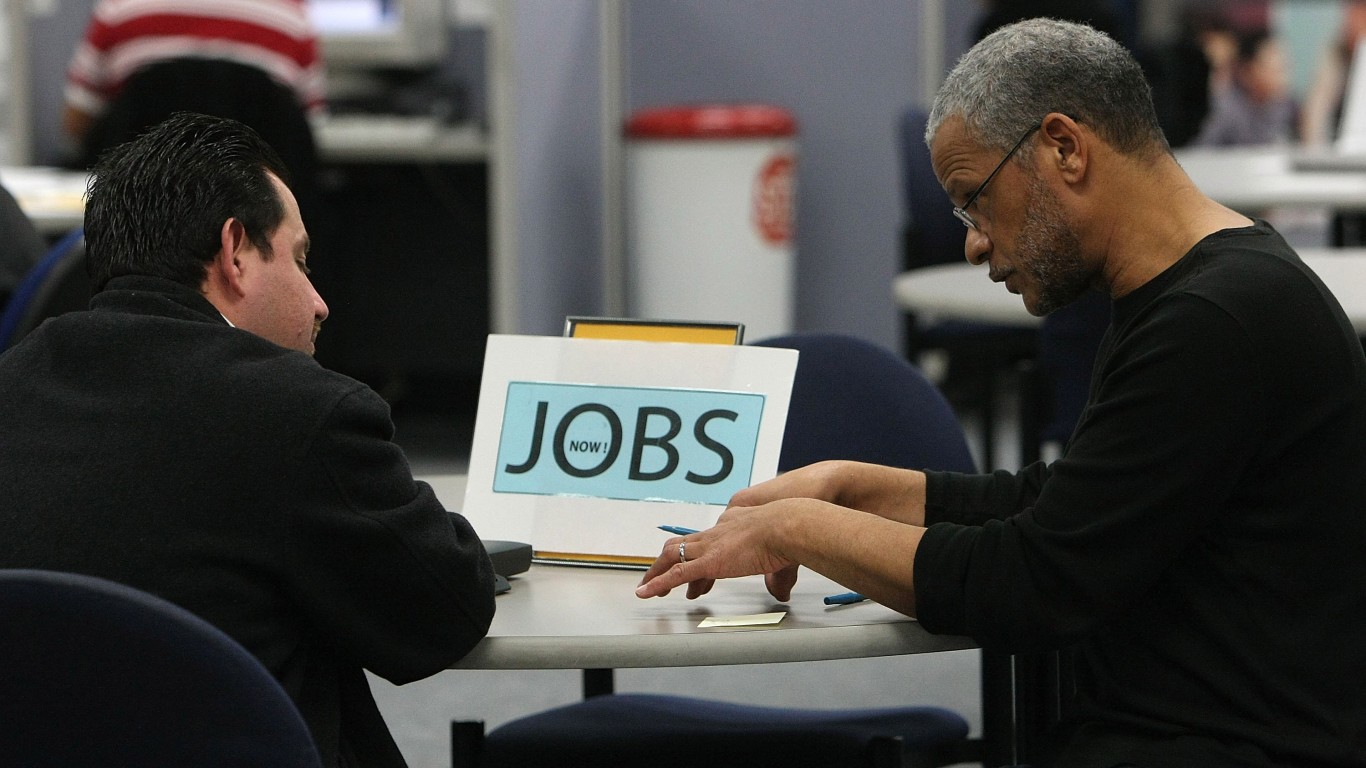
- The scale of the miscount is staggering, with the error surpassing the population of a major city like Detroit.
- The realization that the job market wasn’t as strong as reported could have influenced earlier decisions by the Federal Reserve, potentially leading to earlier rate cuts.
Post-COVID Job Growth: Filling the Hole, Not Real Growth

- Politicians have been promoting post-COVID job growth, but much of it was simply recovering jobs lost during the pandemic.
- The underestimation of the unemployment rate suggests the economy may have been weaker than believed, raising the possibility of a recession.
The Rising Risk of Recession
- As job numbers are revised downward, the likelihood of the U.S. heading into a recession or already being in the early stages of one increases.
- Wall Street firms are adjusting their recession predictions, with some raising the probability based on the new data.
The Question of Future Revisions and Economic Impact

- There is concern that more revisions to job numbers could occur, potentially pushing the economy into deeper trouble.
- The previous quick recession in 2022 was downplayed, but with higher interest rates and depleted savings, the economic outlook is now more uncertain.
The Role of Consumer Debt in the Economic Outlook
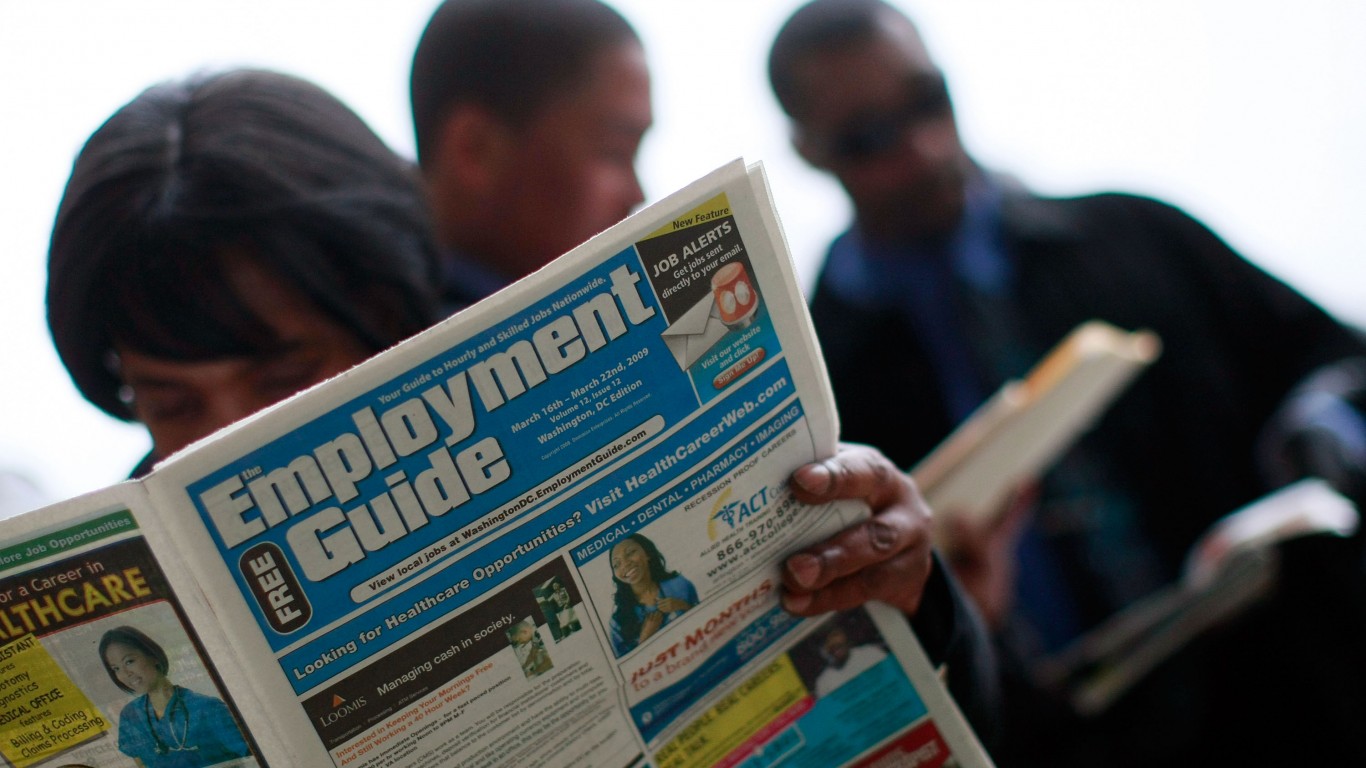
- The depletion of savings from COVID-era handouts has led to a surge in credit card debt, now exceeding a trillion dollars at high interest rates.
- This growing debt burden, coupled with weaker job numbers, paints a worrying picture for the U.S. economy.










 Top Gaining Stocks
 Top Losing Stocks