



After over 300 days without a stock market correction, we may start trying to close in on one. All the pieces are in place, and with the S&P 500 down 2% on the year and the tech-heavy Nasdaq down almost 5%, the path of least resistance is likely lower at this juncture. Treasury bills and bonds have collapsed yield-wise as investors run for the safe haven of government debt.
The 10-year Treasury note was trading at a 4.75% yield in January, now at 4.13%. Treasury yields go down as prices are bid higher. Consumer spending is slowing, tariffs are being imposed worldwide, as we finally respond to tariffs imposed upon the United States, and a host of additional items are all fanning the correction flames. To be frank, it is high time that a correction comes in to help cleanse the market of the recklessness ignited by artificial intelligence almost two and a half years ago.
By definition, a stock market correction is a decline of more than 10% but less than 20%. A bear market is usually defined as a decline of 20% or greater. With inflation way above the Federal Reserve target and the Atlanta Fed GDPNOW calculating that first-quarter gross domestic product could come down almost 3%, we could enter a recession. Fortunately, the team at Merrill Lynch feels that the input data the Atlanta Fed uses for the GDPNOW calculation does not necessarily mean negative GDP. They noted this is a recent research report:
While the unexpected widening of the trade deficit mechanically weighs on GDP tracking, imports are at a net zero for GDP from an accounting perspective. They get subtracted out of net exports, but added into one of the other components of GDP. Imports likely drove January’s strength in wholesale inventories, which should continue through the rest of 1Q. Moreover, the import increase appears to have been partially driven by shipping of gold bars from the UK: this would not likely affect GDP.
The softer-than-expected details of the Feb ISM manufacturing survey also took more than 1pp off the Atlanta Fed’s tracker. We’d look through this as well: ISM doesn’t even enter our tracker.
The third major drag on the GDPNow tracker was the weakness in January consumption. Even on that front, we are less pessimistic than the Atlanta Fed. The January PCE data took 0.9% off their tracking estimate and 0.2% off ours. The rebound in auto sales in February from 15.6 million to 16.0million gives us greater confidence in our sanguine consumer outlook. We are tracking 1.7% GDP growth in the first quarter.
We decided to screen our 24/7 Wall St. safe dividend stock database and found five of the best companies to own during stock market turbulence. Five companies that have stood the test of time, and will come out of any sell-off still standing made the cut, and all are rated Buy at top firms we cover.
Why do we cover dividend stocks?
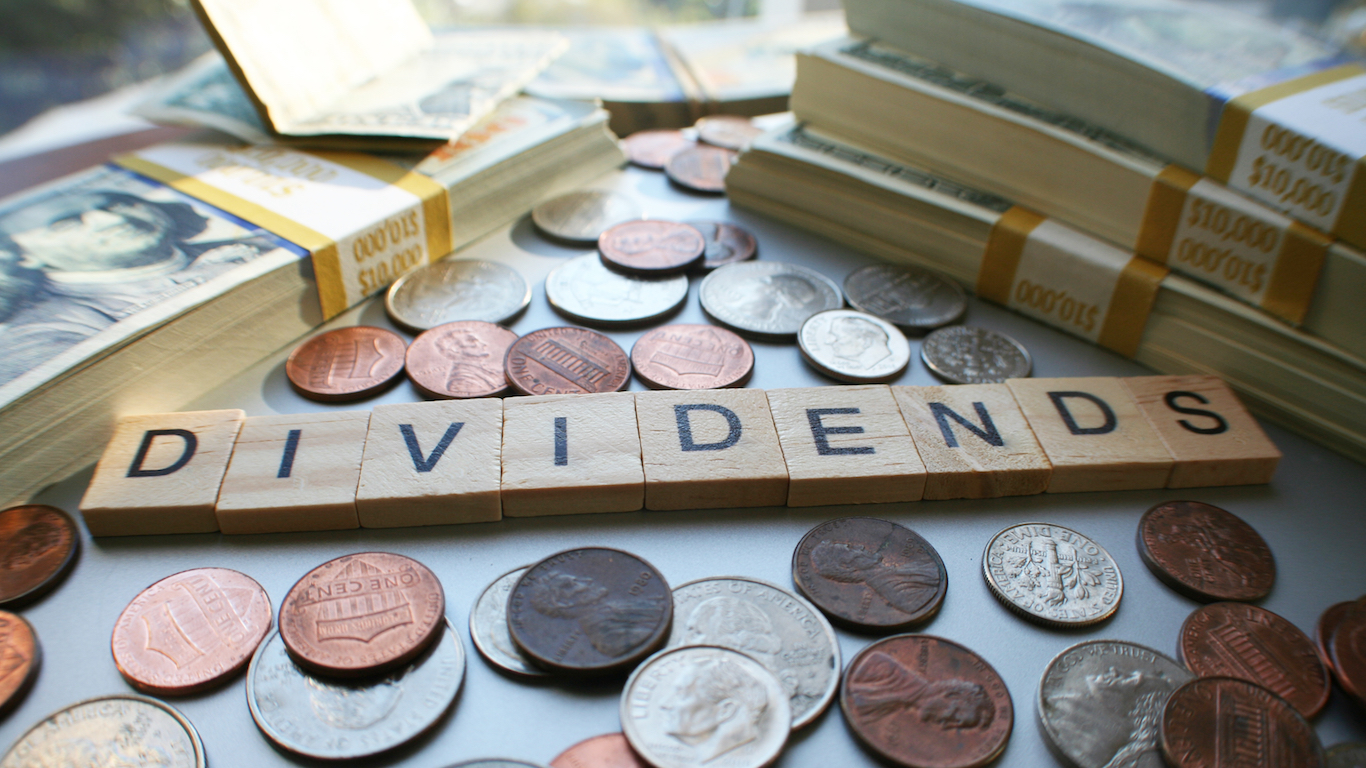
Dividend stocks provide investors with reliable streams of passive income. Passive income is characterized by its ability to generate revenue without requiring the earner’s continuous active effort, making it a desirable financial strategy for those seeking to diversify their income streams or achieve financial independence.
AT&T
AT&T is the world’s fourth-largest telecommunications company in terms of revenue.
The legacy telecommunications company has been undergoing a lengthy restructuring while lowering its dividend, which still stands at 4%. AT&T Inc. (NYSE: T | T Price Prediction) provides worldwide telecommunications, media, and technology services. Its Communications segment offers wireless voice and data communications services.
AT&T sells through its company-owned stores, agents, and third-party retail stores:
- Handsets
- Wireless data cards
- Wireless computing devices
- Carrying cases
- Hands-free devices
AT&T also provides:
- Data
- Voice
- Security
- Cloud solutions
- Outsourcing
- Managed and professional services
- Customer premises equipment for multinational corporations, small and mid-sized businesses, and governmental and wholesale customers.
In addition, this segment offers residential customers broadband fiber and legacy telephony voice communication services.
It markets its communications services and products under:
- AT&T
- Cricket
- AT&T PREPAID
- AT&T Fiber
The company’s Latin America segment provides wireless services in Mexico and video services in Latin America. This segment markets its services and products under the AT&T and Unefon brands.
Coca-Cola
Coca-Cola is an American multinational corporation founded in 1892.
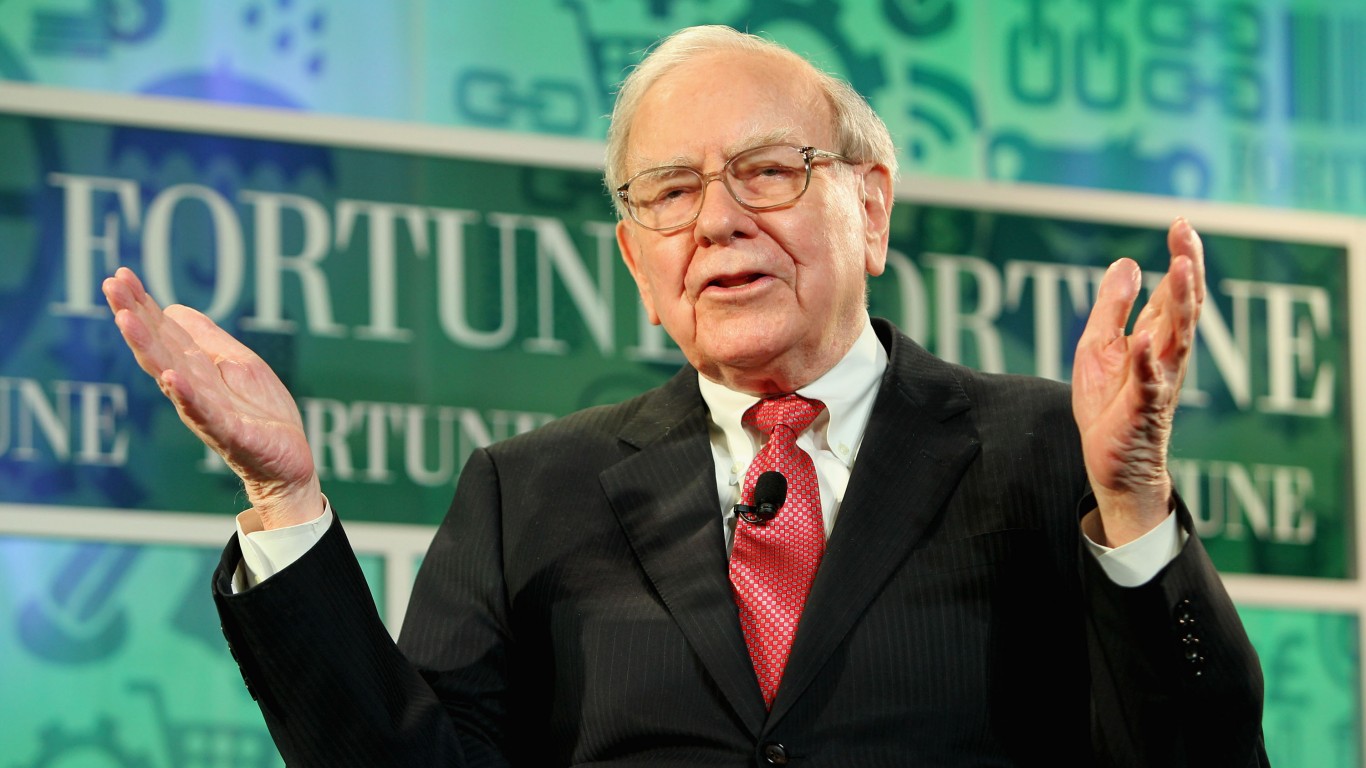
This company remains a top long-time holding of Warren Buffett. He owns a massive 400 million shares and pays a dependable 2.82% dividend. Coca-Cola Co. (NYSE: KO) is the world’s largest beverage company, offering consumers more than 500 sparkling and still brands.
Led by Coca-Cola, one of the world’s most valuable and recognizable brands, the company’s portfolio features 20 billion-dollar brands, including:
- Diet Coke
- Coca-Cola Light
- Coca-Cola Zero Sugar
- Caffeine-free Diet Coke
- Cherry Coke
- Fanta Orange
- Fanta Zero Orange
- Fanta Zero Sugar
- Fanta Apple
- Sprite
- Sprite Zero Sugar
- Simply Orange
- Simply Apple
- Simply Grapefruit
- Fresca
- Schweppes
- Dasani
- Fuze Tea
- Glacéau Smartwater
- Glacéau Vitaminwater
- Gold Peak
- Ice Dew
- Powerade
- Topo Chico
- Minute Maid
Globally, they are the top provider of sparkling beverages, ready-to-drink coffees, and juices and juice drinks.
Through the world’s most extensive beverage distribution system, consumers in more than 200 countries enjoy the company’s beverages at a rate of more than 1.9 billion servings a day. It’s also important to remember that the company owns 16.7% of Monster Beverage Corp. (NASDAQ: MNST), which continues to deliver big numbers.
UBS has a Buy rating with a $78 target price.
Duke Energy
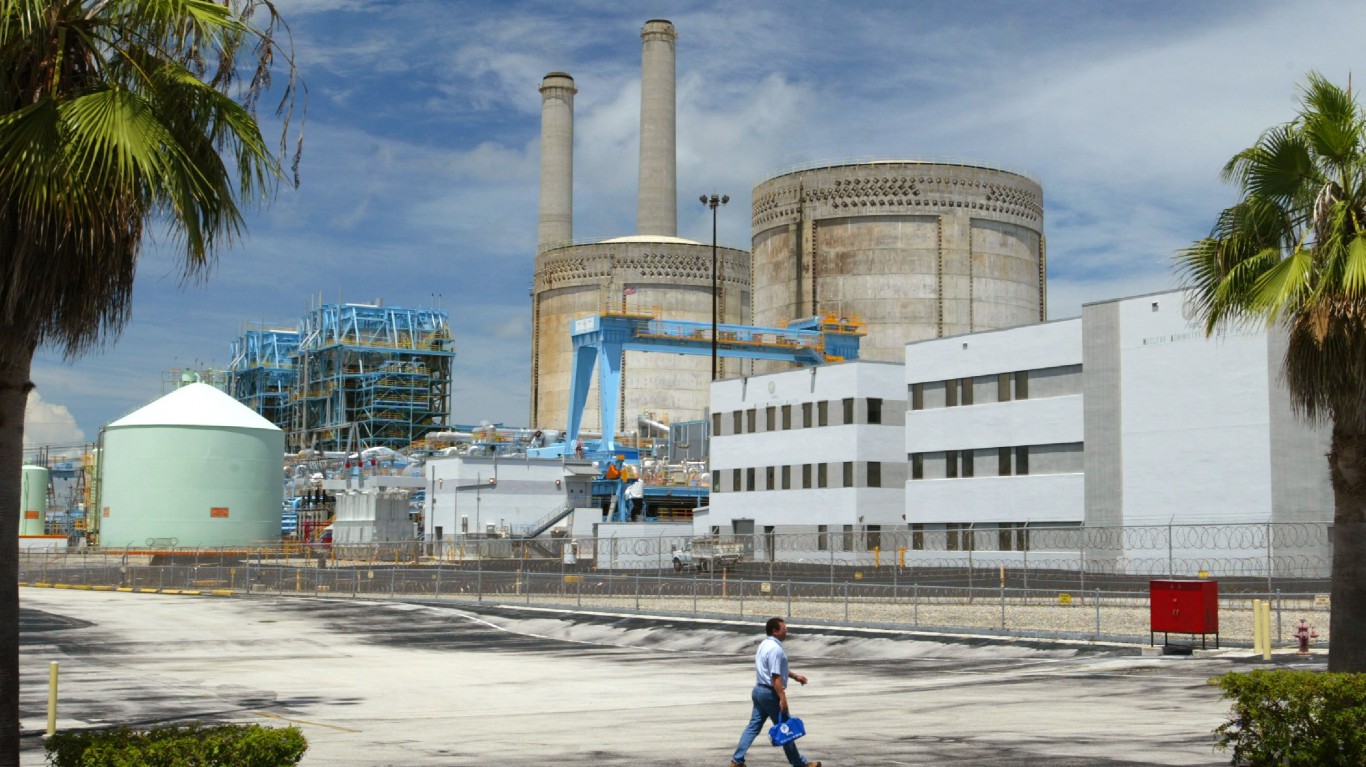
Duke Energy is an American electric power and natural gas holding company in Charlotte, North Carolina.
This is another excellent safe idea now. It is located in a growing part of the country and pays a hefty 3.55% dividend. Duke Energy Corp. (NYSE: DUK) and its subsidiaries operate as energy companies in the United States.
It operates through two segments:
- Electric Utilities and Infrastructure (EU&I)
- Gas Utilities and Infrastructure (GU&I).
The EU&I segment generates, transmits, distributes, and sells electricity in the Carolinas, Florida, and the Midwest.
To develop electricity, Duke Energy uses the following:
- Coal
- Hydroelectric
- Natural gas
- Oil
- Solar and wind sources
- Renewables
- Nuclear fuel
This segment also sells electricity to municipalities, electric cooperative utilities, and load-serving entities.
The GU&I segment distributes natural gas to
- Residential
- Commercial
- Industrial
- Power generation natural gas customers
The segment also invests in pipeline transmission projects, renewable natural gas projects.
Kimberly-Clark
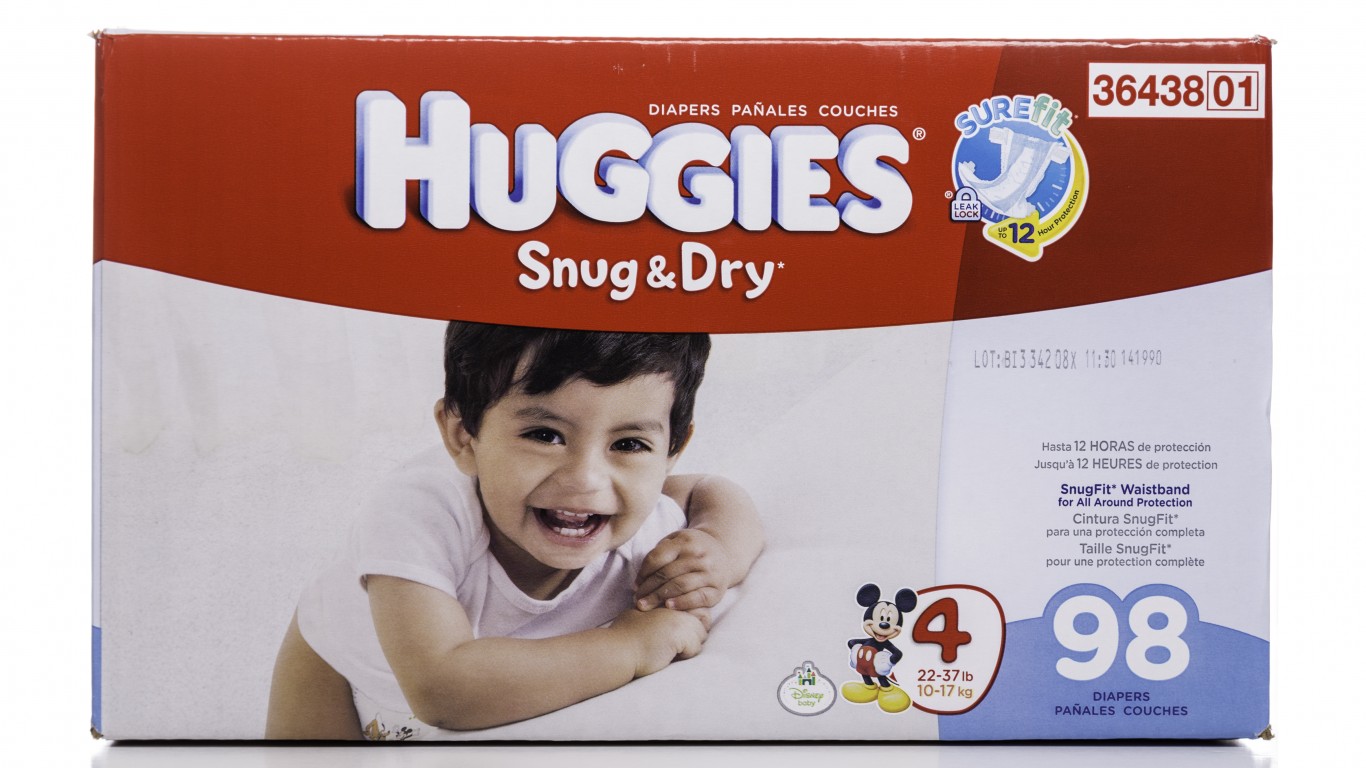
Kimberly-Clark is an American multinational personal care corporation that produces mostly paper-based consumer products.
This consumer staples leader is a safe bet for nervous investors, paying a hefty 3.52% dividend. Kimberly Clark Corp. (NYSE: KMB) and its subsidiaries manufacture and market personal care and consumer tissue products worldwide.
It operates through three segments:
- Personal Care
- Consumer Tissue
- K-C Professional
The Personal Care segment offers a diverse range of products, including:
- Disposable diapers
- Swim pants, training and youth pants, baby wipes
- Feminine and incontinence care products, as well as related products under the Huggies, Pull-Ups, Little Swimmers, GoodNites, DryNites, Sweety, Kotex, U by Kotex, Intimus, Depends, Plenitud, Softex, Poise, and other brand names
The Consumer Tissue segment provides facial and bathroom tissues, paper towels, napkins, and related products under the brand names.
- Kleenex
- Scott
- Cottonelle
- Viva
- Andrex
- Scottex
- Neve
The K-C Professional segment offers wipers, tissues, towels, apparel, soaps, and sanitizers under the Kleenex, Scott, WypAll, Kimtech, and KleenGuard brands.
Kraft Heinz
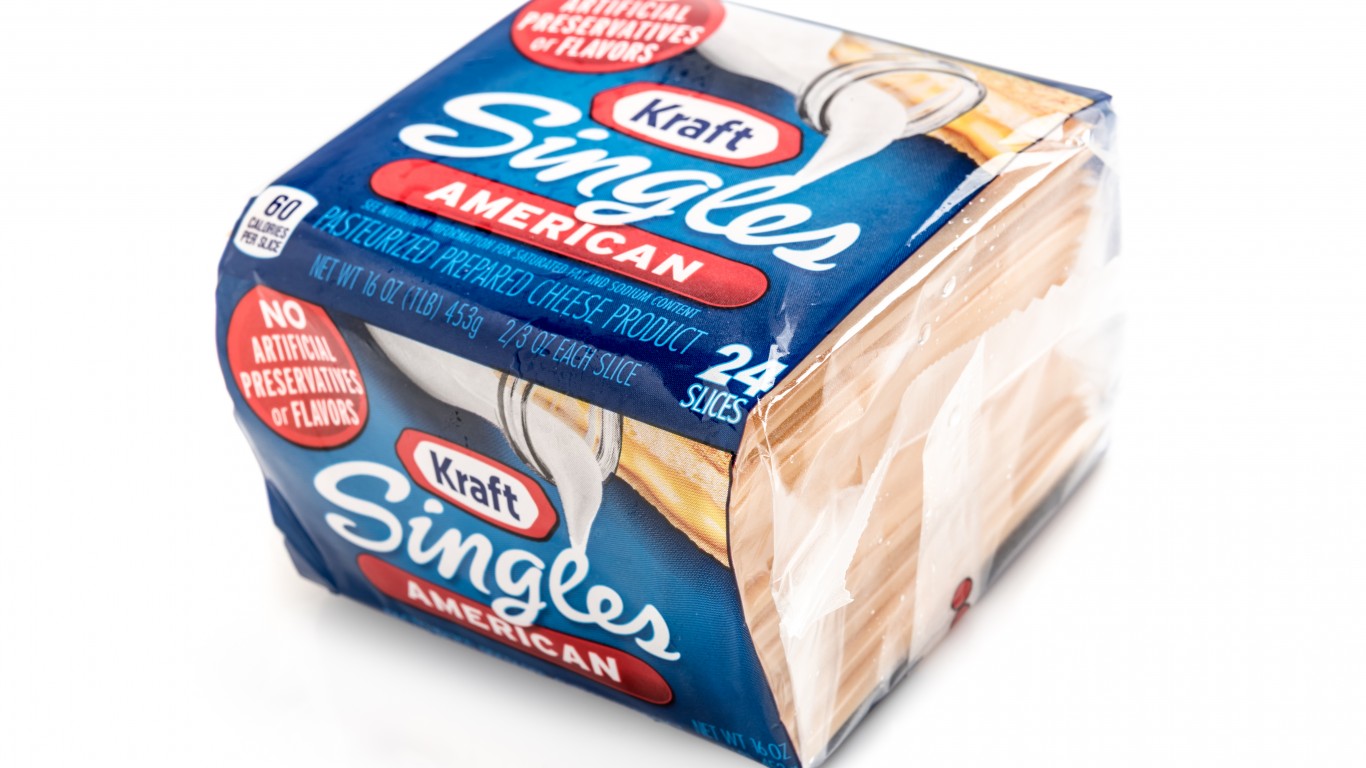
Kraft Heinz is the fifth-largest food and beverage company in the world.
Even in bad times, everybody has to eat, and this company always stands to benefit while paying a tremendous 5.11% dividend. Kraft Heinz Co. (NYSE: KHC) was formed via the merger of H.J. Heinz and Kraft Foods.
The company is a leading global food company with estimated annual revenues of $25 billion from well-known brands such as Kraft, Heinz, Oscar Meyer, and Maxwell House.
Kraft Heinz is North America’s third-largest food and beverage manufacturer. It derives 76% of its revenues from that market and 24% from the International segment.
The company’s additional brands include:
- ABC
- Capri Sun
- Classico
- Jell-O
- Kool-Aid
- Lunchables
- Ore-Ida
- Philadelphia
- Plasmon
- Quero
- Weight Watchers
- Smart Ones
- Velveeta
The 5 Highest-Yielding Monthly Dividend Stocks Deliver Gigantic Passive Income Streams
Editors note: An earlier version of this article incorrectly stated Kraft Heinz owned Planters. However, Planters was sold to Hormel in 2021.







 Top Gaining Stocks
 Top Losing Stocks