



Like many who may be reading this piece, I’m honored to have a few friends I’d say would be on the upper-middle-class (if not upper-class) end of the spectrum. When it comes to tax return time, they’re the type to moan and groan (whereas most may be cheering the refund that will hit their account at tax time).
This family I’m going to highlight in this piece is a five-person household with three young children. They’ve agreed to let me share their story, and what Trump’s so-called “Big Beautiful Bill Act” (though its name has been changed) will mean for their personal finances.
So, for those looking to see what’s on the other side of the fence where the grass may certainly be greener (or at least the bank accounts are larger), let’s dive in.
Context

A briefcase full of cash
For context, this family I’m highlighting has averaged a total household income of around $450,000 for the past three years. That’s a decent sum to be sure, and most readers would salivate at such a number. However, that’s just a little more than half way to the income this household would need to be included in the 1% (around $730,000 per year), so there’s still room for improvement.
With three children and three pets (one might have already guessed dual incomes as well), there’s no doubt plenty going on. But this family tells me that tax season is particularly stressful, given the number of forms that need to be filled out (which are done by the accountant) not only for this household’s personal finances, but for their personal LLC.
They’ve optimized their tax situation the best I can tell from the outside looking in, and have also analyzed how this bill will impact their household. Here’s what they shared with me.
Tax Breaks
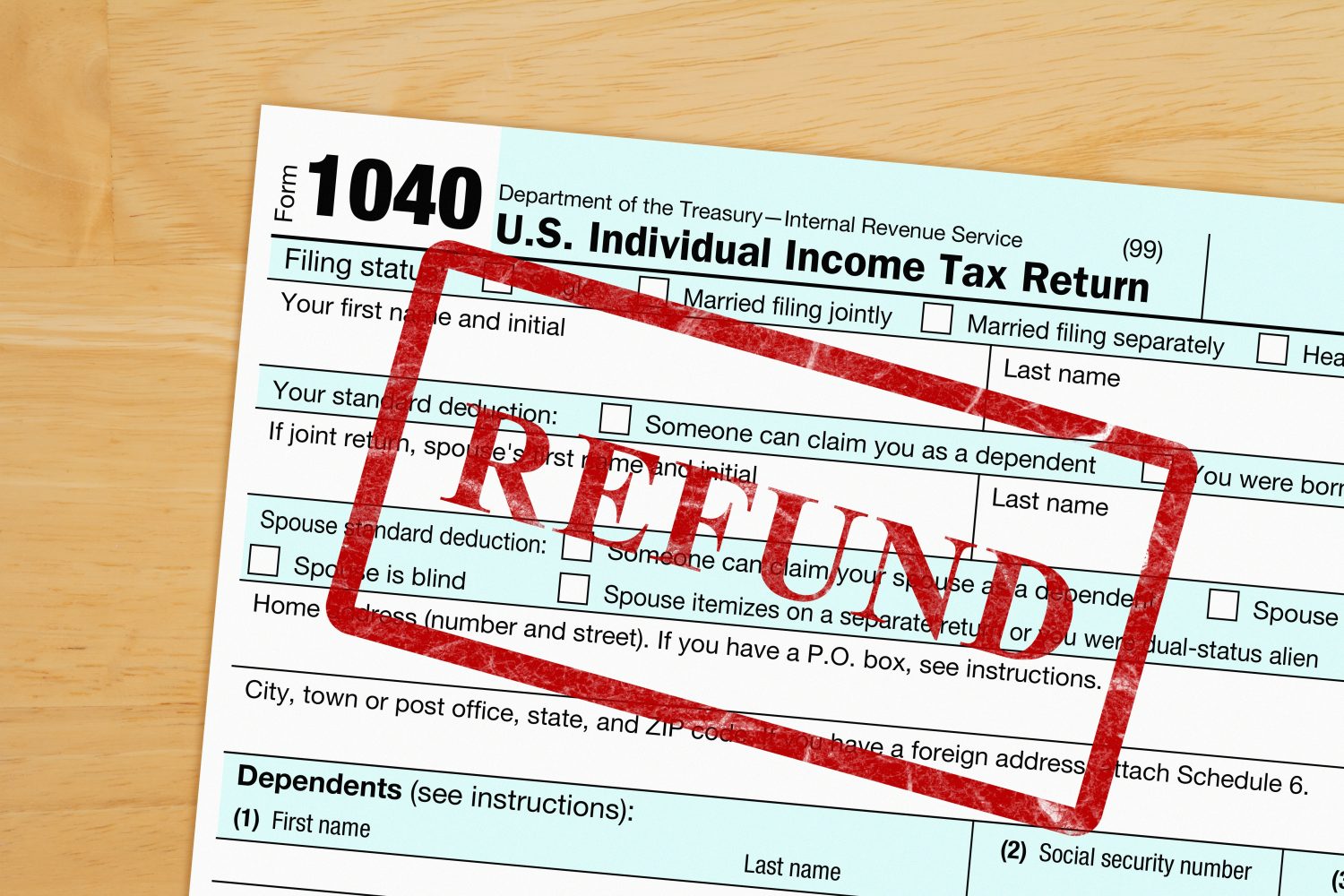
A tax form with the word “Refund” stamped on top
There are a plethora of tax breaks, particularly for those in the higher-income category and those with businesses to dive into. I’ll do my best to get to all the key tax breaks I’m aware of (some they told me, others I had to do more research on my own).
Let’s start with the tax break most readers are probably aware of: the increased State and Local Tax (SALT) deduction cap. This cap has been increased from $10,000 to $40,000 starting this tax year. And given that this family pays more than this amount in property taxes alone, they’ll be taking full advantage of this tax break. At a 24% tax bracket (which I’m using for calculation purposes after other deductions are taken into consideration), that amounts to $7,200.
The next tax deduction which really isn’t a “new” tax deduction per se, but it’s an extension of the previous Trump tax cuts (which reduced federal income tax by 2% per bracket, impacting most filers) is a meaningful tax break for this household. At the $450,000 household income level, with the first $23,850 not taxed, that amounts to a tax break of $8,523.
Another key deduction which comes as a net positive due to the fact that this provision (previously put in place by Trump) was set to sunset is the 20% deduction on qualified business income. With this household bringing in around $150,000 in business income each year, that equates to a total tax break of $36,000.
This household has taken advantage of expanded Health Savings Account (HSA) eligibility as well to set up an account for the primary income earner. This is a relatively small annual deduction (the $4,300 this person can put in his HSA amounts to total tax savings of $1,032), but a thousand bucks is a thousand bucks.
It should be noted that the expanded child tax credits and some of the other provisions in this bill won’t be able to be claimed by this household, as they phase out past $400,000 per year in household income. I guess we can all wipe our crocodile tears away with Benjamins.
Bottom Line

A judge slamming a gavel down
This tax and spending bill does benefit most tax filers in the U.S., and I recently read an intriguing piece I’d recommend others read on which deciles of the population benefit most from this bill (it’s worth reading).
But it’s also true that in absolute dollar terms (while lower deciles may benefit from this bill at a higher rate in percentage terms), the big dollars do go to the big earners. In this case, aside from other itemized deductions this household brings in (and maxed out 401(k) plans which help lower their tax bill), the direct and indirect impact of this bill being signed for these folks comes out to around $52,755.
And that’s each and every tax year.















 Top Gaining Stocks
 Top Losing Stocks