



The Buzz Around Google Cloud’s Latest Blockchain Bet
In the ever-evolving world of blockchain technology, Alphabet‘s (NASDAQ:GOOG)(NASDAQ:GOOGL | GOOGL Price Prediction) Google has thrown its hat into the ring with the launch of the Google Cloud Universal Ledger (GCUL).
Announced back in March, GCUL is a permissioned layer-1 blockchain tailored for institutional finance, promising seamless integration with Google’s vast cloud ecosystem.
Some pundits are calling GCUL an “XRP killer,” suggesting it could replace Ripple’s native token, XRP (CRYPTO:XRP). Because GCUL’s permissioned model dodges volatility while delivering enterprise-grade scalability, it offers a “credibly neutral” stance — it has no ties to specific tokens or vendors — that should appeal to risk-averse banks wary of XRP regulatory baggage from past SEC battles.
And because it’s backed by Google’s trillion-dollar muscle and partnerships like CME Group (NASDAQ:CME) for testing wholesale payments, GCUL seems poised to siphon institutional adoption and and potentially overshadow public ledgers like XRP.
Yet, this narrative just might be overlooking some key nuances in the blockchain battlefield. XRP is not down for the count; it’s not even bloodied. Let’s dive a little deeper to see why XRP will still thrive.
Permissioned Power Meets Big Tech Muscle
Google Cloud Universal Ledger enables Python-based smart contracts, automates compliance like KYC checks, and supports real-time asset tokenization and settlements — think tokenized bonds or 24/7 trading without legacy system delays like SWIFT.
Diving deeper, GCUL stands out for its laser focus on institutional needs. Unlike public blockchains, it’s permissioned, meaning only vetted participants join — ideal for banks handling sensitive data. It leverages Google’s infrastructure for ironclad security and uptime, automating workflows that plague traditional finance.
For instance, GCUL’s integration with CME Group has piloted tokenized futures settlements, slashing reconciliation times from days to minutes. Its neutrality is a game-changer: no forced adoption of rival stablecoins, just a flexible ledger for wholesale payments and real-world assets (RWA). Python smart contracts also lower the entry barrier for developers, making GCUL more approachable than XRP’s custom coding environment.
However, centralized governance by Google raises monopoly fears, and without a native token, liquidity incentives are absent. Additionally, GCUL’s closed ecosystem limits interoperability with public chains, potentially isolating it from broader DeFi trends.
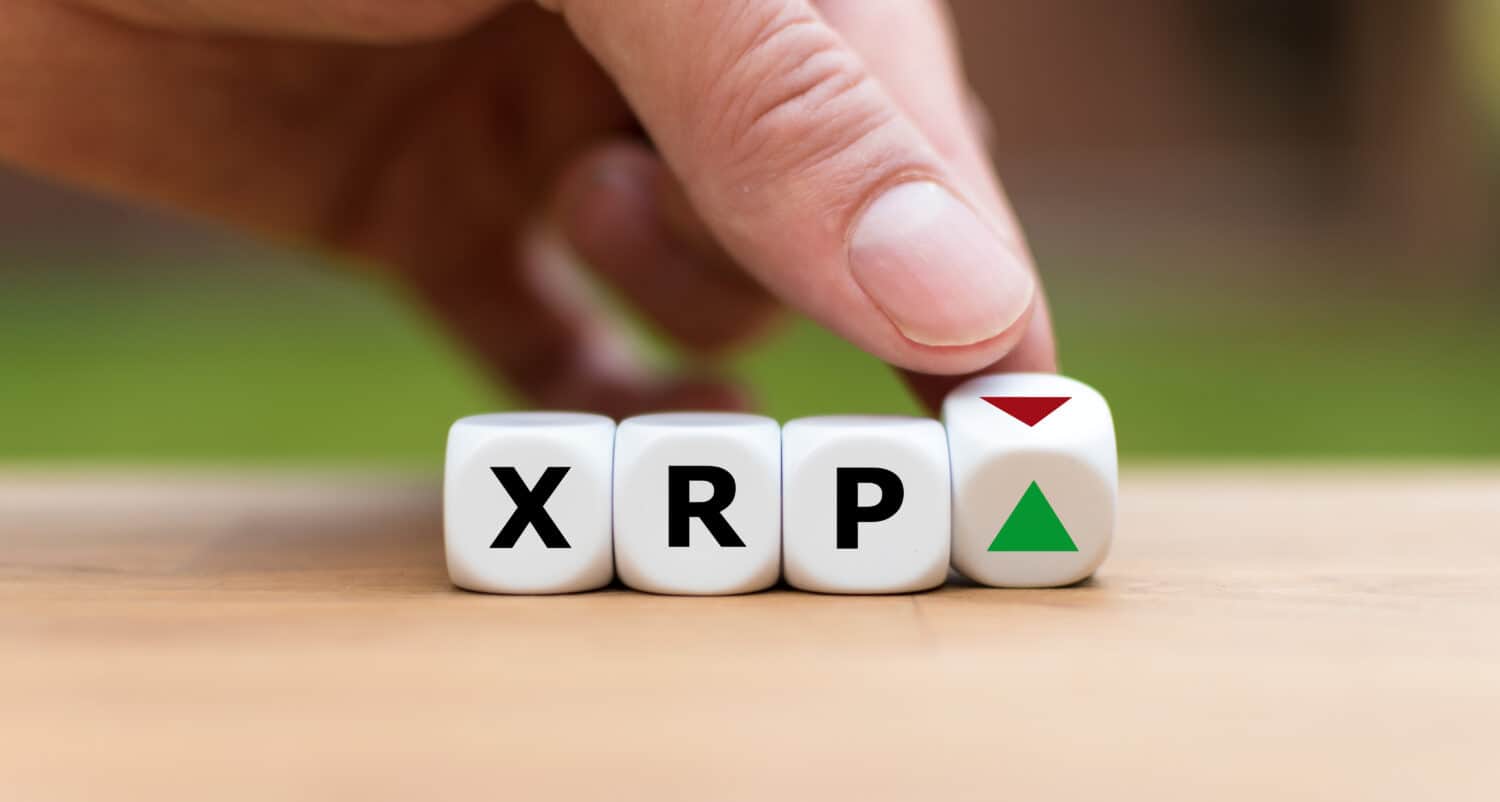
XRP’s Enduring Edge
XRP, on the other hand, shines where GCUL stumbles. Its transaction prowess is unmatched: settlements in three to five seconds at fractions of a cent, with some estimates suggested XRP handled $1.3 trillion in the second quarter via RippleNet — far outpacing GCUL’s early pilots (others dispute the amount). This speed stems from a consensus protocol that’s energy-efficient and decentralized, avoiding proof-of-work pitfalls.
XRP’s liquidity is also a powerhouse of opportunity. As a tradable asset, it serves as collateral for arbitrage and bridges fiat gaps in emerging markets. Ripple’s launch of an Ethereum Virtual Machine (EVM) sidechain in June enhances this capability, enabling DeFi apps and RWA tokenization, such as U.S. Treasuries, via Ondo Finance. Interoperability via Axelar connects XRP to over 60 chains, fostering a vibrant ecosystem.
XRP’s regulatory clarity since resolving its SEC battles further positions it for broader adoption. Partnerships with Santander (NYSE:SAN) and American Express (NYSE:AXP) underscore its utility, while GCUL’s permissioned walls limit it to elite circles. XRP’s open network thrives in emerging markets, where access to fast, cheap transactions is critical. Unlike GCUL’s enterprise focus, XRP democratizes finance for all.
Key Takeaways
GCUL’s arrival doesn’t spell doom for XRP; it highlights blockchain’s multipolar future. While GCUL excels in controlled institutional environments, XRP’s open, liquid model captures the dynamic global payments sector.
The two can coexist — GCUL for tokenized assets in regulated silos, XRP for swift, borderless flows. Investors should view this as evolution, not an extinction-level event. XRP’s proven track record, expanding utilities, and global reach ensure its leadership endures.
As the blockchain matures, diversity drives innovation, but XRP remains an industry frontrunner.






 Top Gaining Stocks
 Top Losing Stocks