



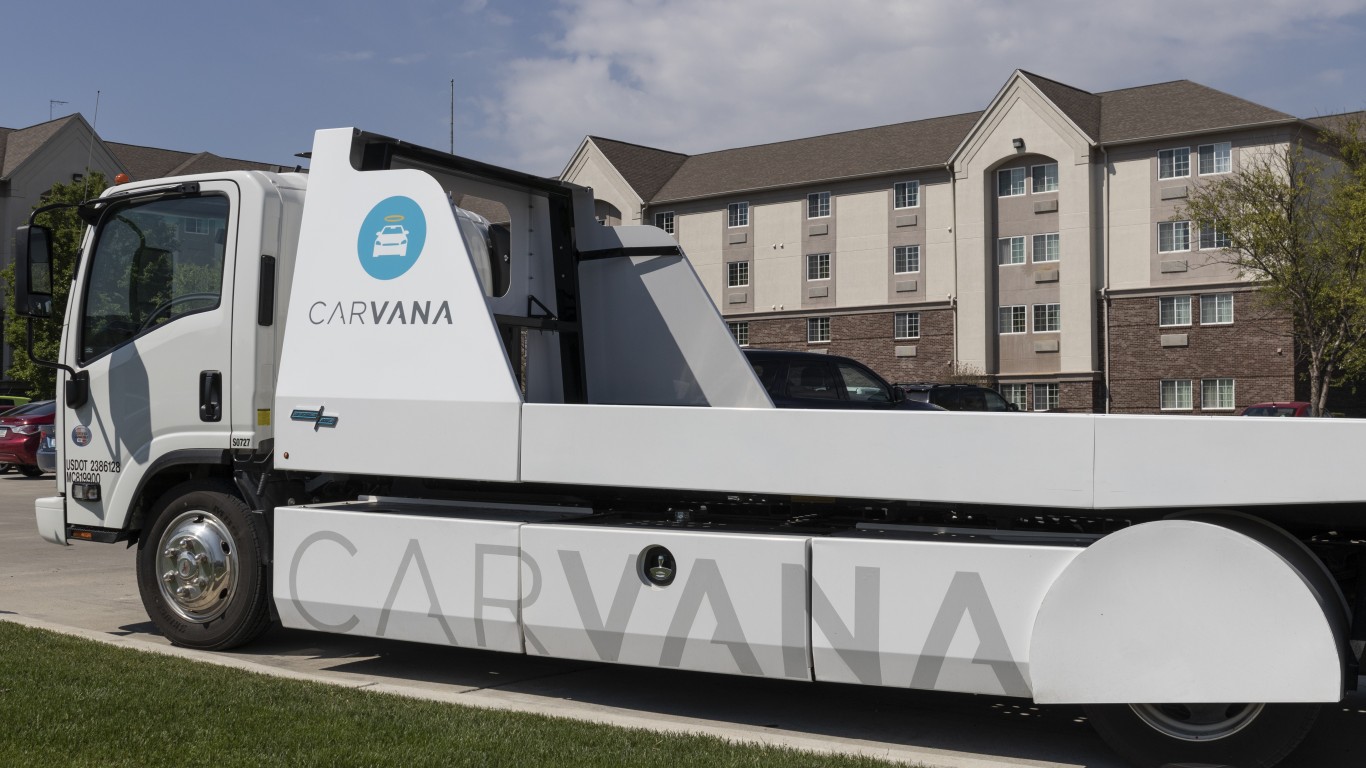
In a bold pivot that’s turning heads in the auto retail world, Carvana (NYSE:CVNA | CVNA Price Prediction) is dipping its toes deeper into physical new car sales. The online used-car powerhouse announced it is under contract to acquire Park Cities Chrysler Dodge Jeep Ram, a Stellantis (NYSE:STLA) dealership in Dallas, Texas — its second such purchase in 2025.
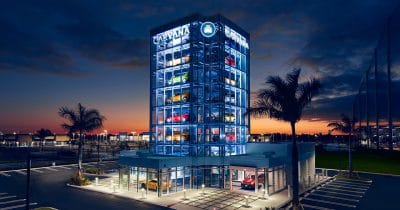
This follows the February buyout of a Chrysler Dodge Jeep Ram (CDJR) dealership just outside Phoenix. These moves shatter Carvana’s long-standing model of selling used vehicles exclusively through its slick digital platform and iconic car “vending machines,” bypassing the traditional dealership hassles altogether.
Breaking into new cars promises some upside. High-volume franchise sales could funnel fresh trade-ins straight into Carvana’s used inventory pipeline, easing the chronic shortage plaguing the pre-owned market amid off-lease droughts. Plus, owning franchises unlocks certified pre-owned (CPO) perks, like Stellantis warranties that juice resale values and customer trust.
But managing dual sales models risks operational chaos, regulatory snags from franchisors, and diluted focus on what made Carvana a disruptor. Investors should eye its execution closely as one misstep could stall the stock’s historic rebound from near-bankruptcy lows in 2022.
Taking Baby Steps
Public info on the latest acquisition remains sparse, and Carvana hasn’t disclosed financial terms, purchase price, or an exact closing date, though it is expected to be imminent. The seller, however, confirmed the deal in a brief statement, which brings Carvana onto prime Stellantis turf in a bustling metro market.
Carvana’s official statement underscores why investors should be cautious: “We are in the very early days of testing as a franchise dealer…and we look forward to continuing to learn as we focus on delivering exceptional customer experiences.”
This “test” vibe indicates Carvana won’t pursue any immediate empire-building, with executives stressing minimal short-term impact on results. Yet, the rapid follow-up — just seven months after Arizona — hints at accelerating ambitions.
An Inventory Goldmine
The crown jewel here is access to new-car volume that supercharges used inventory. Dallas’s massive market churns out trade-ins and lease returns, directly feeding Carvana’s core used-car engine amid a persistent shortage.
Industry data shows CPO supply down 20% year-over-year, crimping growth for pure-play used retailers. By franchising, Carvana sidesteps auctions (it purchased an auction house two years ago), snags OEM parts at dealer discounts, and certifies Stellantis models for premium pricing — potentially adding thousands of vetted units annually.
It’s a vertical integration play: sell new, harvest used, sell again online. If scaled smartly, this could stabilize margins battered by volatile wholesale prices.
Peter Lynch’s Warning
Legendary investor Peter Lynch coined the term “deworsification” in his book One Up on Wall Street to skewer companies chasing growth through unrelated ventures they bungle. Intel (NASDAQ:INTC) flopped getting into TVs while Amazon‘s (NASDAQ:AMZN) scattershot e-commerce side hustles — the Amazon Wallet, anyone? — are diversions that dilute core strengths without synergies.
For Carvana, the master of frictionless online used sales, franchised new-car operations scream deworsification risk. Franchisor rules, floor traffic drama, and service bays clash with its digital DNA, potentially hiking costs 15% to 20% per vehicle while eroding the “one-click” edge that fueled its ongoing surge.
Early Wins, But Yellow Flags Wave
Anecdotes, though, paint a rosy picture. A Car Dealership Guy post on LinkedIn claims the Phoenix location rocketed from “dead last to #3” in its district, spooking rivals. The secret has been zero doc fees or dealer add-ons — customer catnip in a haggling-heavy industry.
But this aggressive tactic amplifies subprime exposure. Carvana’s no-doc push draws riskier buyers, and delinquencies are spiking. A recent Morningstar analysis of an $851 million subprime loan pool shows 28.7% overdue by 30+ days, up from 16% in 2022, with 12.7% seriously delinquent. High-APR loans to these borrowers — once a 2022 growth hack — now haunt older pools. Newer 2025 vintages look healthier, but a recession could balloon losses beyond buffers, torpedoing the stock’s momentum.
Key Takeaway
These acquisitions are peanuts — two dealerships amid Carvana’s more than 250,000 annual used sales — offering low-risk learning without material operational drag, with benefits like trade-in flows that could prove accretive.
Yet, Carvana’s “testing” rhetoric belies bigger plans. It suggests additional franchise expansion, challenging its “do one thing well” ethos, risking Lynch-level deworsification.
For example, rival CarMax (NYSE:KMX) tried new-car franchises in the 1990s, including a Chrysler tie-up, but ditched them by 2002 to double down on a used-only model. Carvana might echo that retreat if synergies fizzle, or pioneer a hybrid model blending online used with franchise fuel.
While plenty of risks abound with a Carvana investment, the dealership buy at least appears to be a good bet on success.






 Top Gaining Stocks
 Top Losing Stocks