


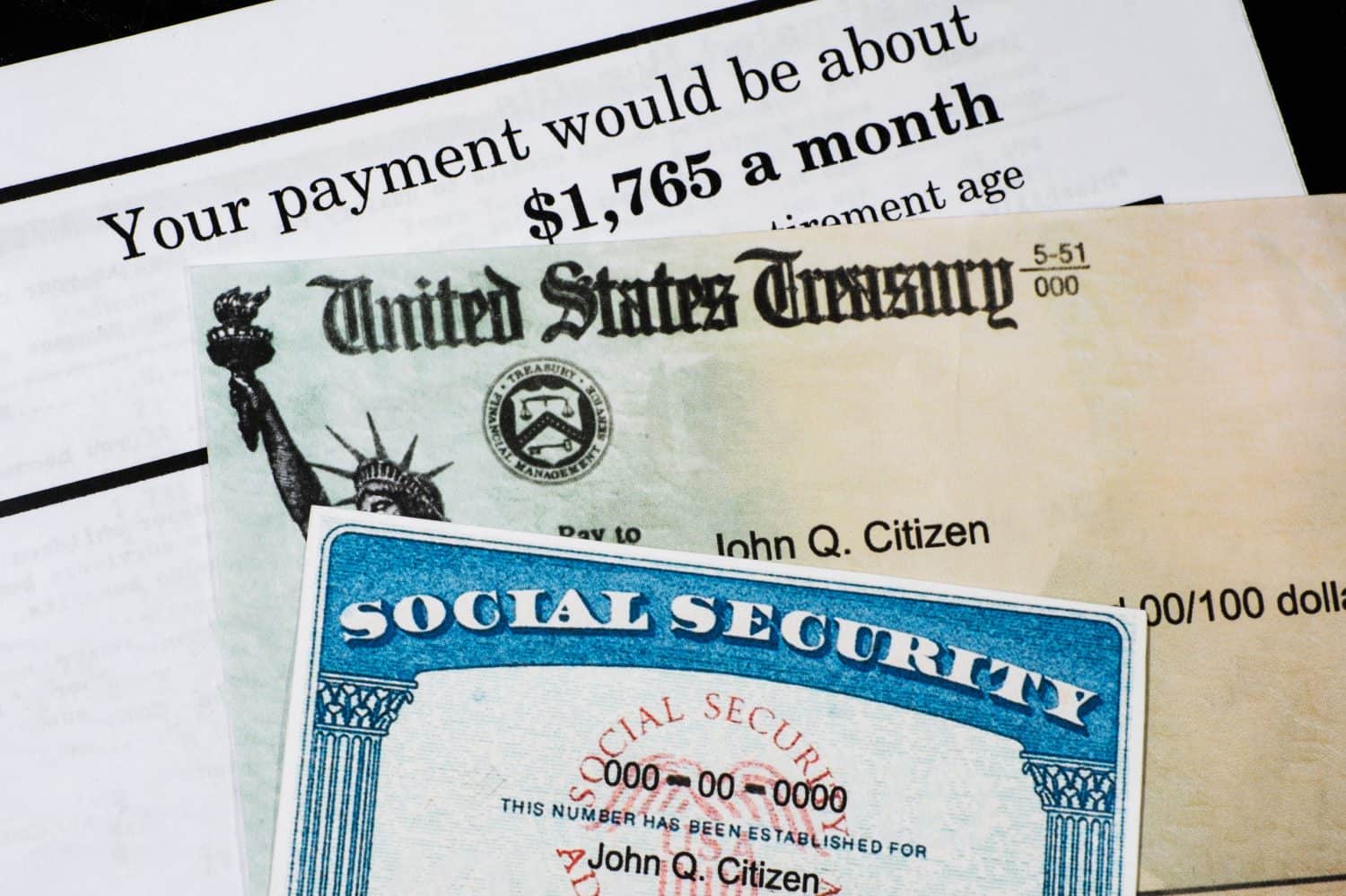
Once you retire, you’ll probably depend a lot on Social Security to cover your expenses. That’s why it’s so important to know your full retirement age, or FRA, which is the age you can claim Social Security without having benefits reduced for an early filing.
FRA depends on your year of birth. But there’s a big change coming to FRA in 2026 you need to be aware of.
FRA is changing in the new year
Social Security’s FRA used to be 65, but lawmakers pushed it up decades ago to improve the program’s solvency. Many recent retirees may have been able to claim their Social Security benefits in full at 66. But for those turning 66 in 2026, FRA will not arrive until 67.
If you were born in 1960 and are turning 66 next year, claiming Social Security could mean reducing your benefits by up to 6.67%, depending on exactly when you file. And that may be fine if you can afford that reduction. If you can’t afford that reduction, then waiting may be your best option.
Should you claim Social Security before FRA?
The earliest age you can sign up for Social Security is 62. Many seniors claim benefits then to get their money as soon as possible.
If your FRA is 67 and you sign up for Social Security at 62, you’ll reduce your monthly payments by about 30% for life. That’s a pretty significant hit. However, in some situations, claiming Social Security before reaching FRA makes sense.
It could pay to claim benefits early if you do not expect to live a long life and want to get more total income out of Social Security. It could also pay to claim benefits early if you’ve lost your job or don’t have other income, and your only way to pay bills is to resort to debt.
Also, claiming Social Security early could make sense if you want to enjoy the money while you’re younger and have plenty of savings to cover your essential costs throughout retirement.
Should you claim Social Security after FRA?
You’re not required to sign up for Social Security once you reach FRA. For each year you hold off until you turn 70, your benefits can get an 8% boost that lasts for life. If your FRA is 67, filing for Social Security at 70 means scoring monthly benefits that are 24% higher.
It can make sense to claim Social Security after FRA if you don’t have much retirement savings and need a way to compensate. It can also pay to delay Social Security if you’re in great health and expect to live a long life, as that could lead to a larger payout all-in.
Ultimately, there’s no right or wrong age to file for Social Security. It’s a personal decision that’s unique to each claimant.
However, it’s important to know your FRA so you can make an informed decision. If you don’t know that key piece of information, you could end up claiming benefits earlier than you want to, thereby reducing them and causing yourself a world of ongoing financial hardship.












 Top Gaining Stocks
 Top Losing Stocks