



Could the future of the PC really lie with the cloud? Jeff Bezos certainly seems to think there’s a future for rental cloud PCs, especially amid the recent wave of inflation hitting electronics components. Undoubtedly, with the RAM shortage, it’s never been pricier to upgrade your custom PC. Add pricier HDD and SSD into the equation, and perhaps it’s out of the price range of most to own an up-to-spec computer, at least until supply catches up to the intense AI-driven demand.
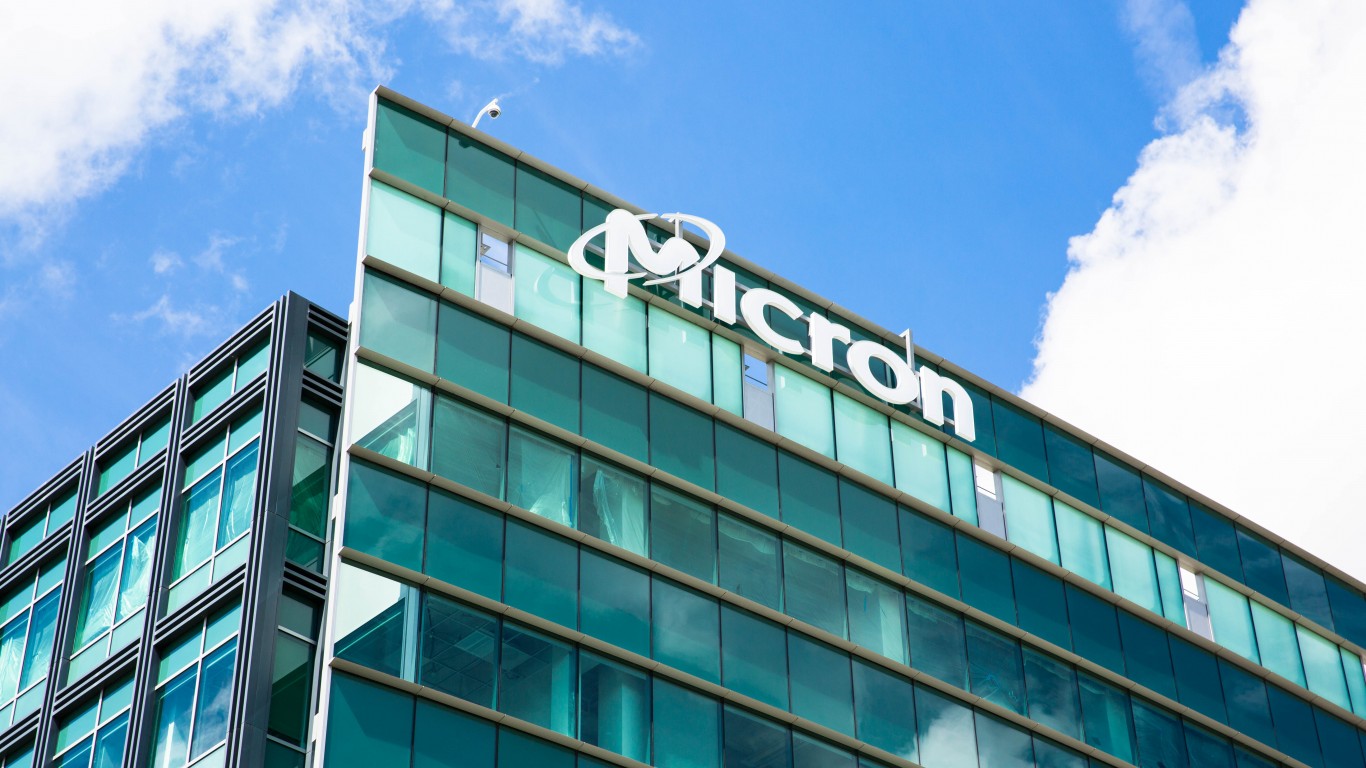
Even firms like Micron (NASDAQ:MU | MU Price Prediction) are moving on from the consumer market to fully focus on opportunities to be had in the AI data center. Of course, it’s tough to blame Micron since AI has been so profoundly lucrative. And with deeper pockets, perhaps the average consumer might need to wait some years before prices have an opportunity to normalize.
The cost of a new computer is only getting pricier
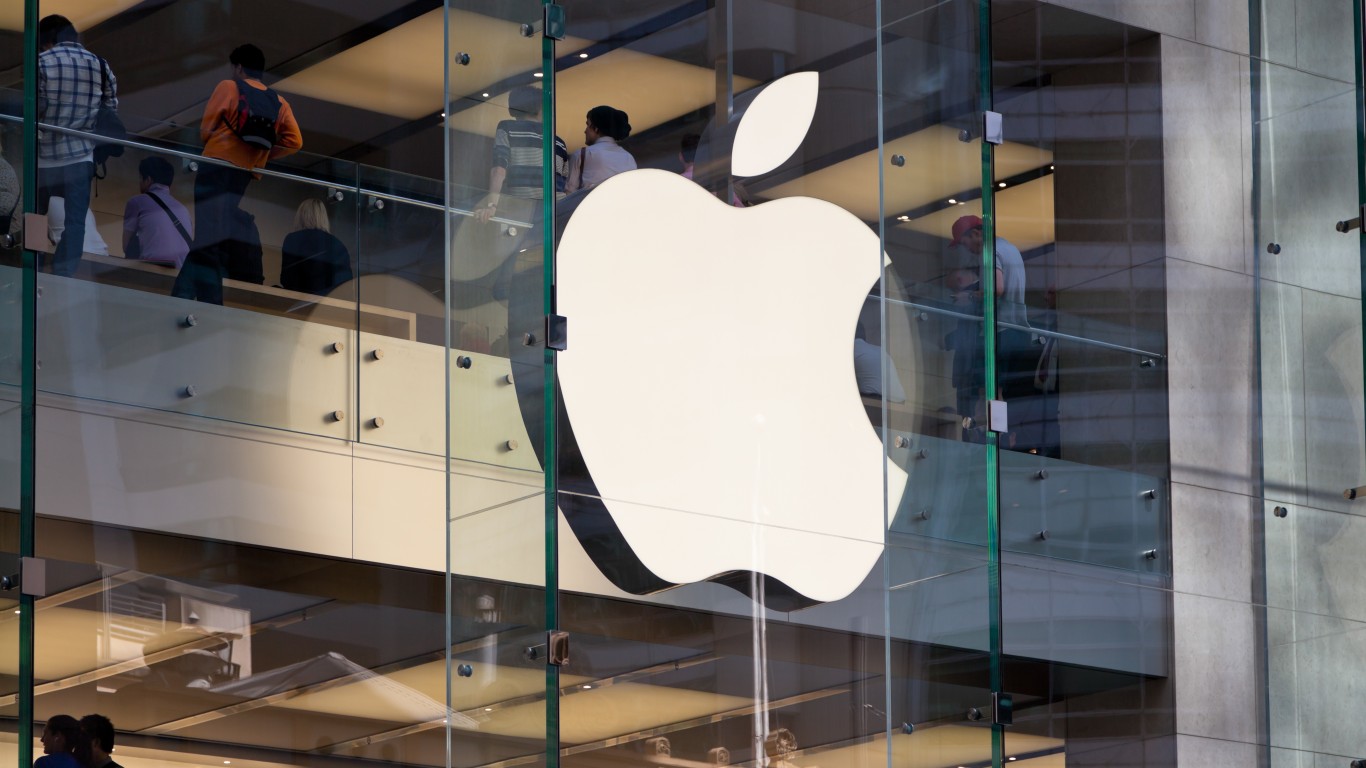
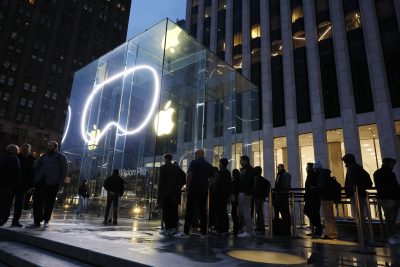
Of course, there are some firms that might be more willing to “eat” the price hikes on essential components like RAM. Much concern has surrounded Apple (NASDAQ:AAPL) and how it will deal with the soaring prices of RAM and storage drives.
The margin impact is certainly poised to become a bit more of an issue later on, but if there’s a man who can navigate a firm through supply challenges, it’s Apple CEO Tim Cook. He has options, and he’ll be sure to exercise them. In any case, Apple will need to find the perfect balance to ensure consumers aren’t scared off from upgrading.
Personally, I’d much rather Apple take a temporary hit if it means powering sales in what could be an AI-driven device supercycle that spans beyond the iPhone. If, however, price hikes do end up on the table at some later point down the road (let’s say RAM prices keep going higher), consumers might need to loosen up the purse strings or perhaps consider alternative solutions, including going down the route of a cloud PC.
Undoubtedly, cloud PCs have come a long way in recent years. And while they may not seem up to the occasion for latency-sensitive tasks such as video-gaming, I do think that such a solution could make a lot of sense for the enterprise, especially given it’s an easy way to shave costs without eroding the remote work experience.
Cloud PCs need to get even better and cheaper
Cloud PCs still have a long way to go before they go mainstream among everyday consumers. And given that many PC builders have devices primarily for gaming, rather than work, I’m not so sure going down the cloud PC route makes a lot of sense, at least until the latency involved in cloud gaming can be reduced further.
Of course, I’m sure the big public cloud players would love it if cloud PCs were to take off in popularity, perhaps in response to innovations, but perhaps more likely due to the rising cost of physical computer components like RAM and GPUs.
Over the long term, perhaps Bezos is right that not everyone will need a PC on-site. In the meantime, though, I believe it’s quite a stretch to compare a desktop or laptop to an “on-site generator.” In any case, as cloud PCs get more reliable and affordable (cloud gaming is getting much better, but it’s not at a level that convinces people to move on from on-site PCs), while the costs of PC parts continue to rocket higher, perhaps the case for renting a capable device in the cloud could get that much stronger.
Personally, I think hardware-as-a-service may very well be the way of the future if further latency gains can be made. I’m sure consumers have had it with subscriptions already. As the AI agent era looms, though, perhaps cloud PCs have an advantage of being always on and not being held back by a personal device’s limited hardware. Of course, time will tell how the rise of agentic AI and soaring component costs factor into the rise of cloud PCs.









 Top Gaining Stocks
 Top Losing Stocks