


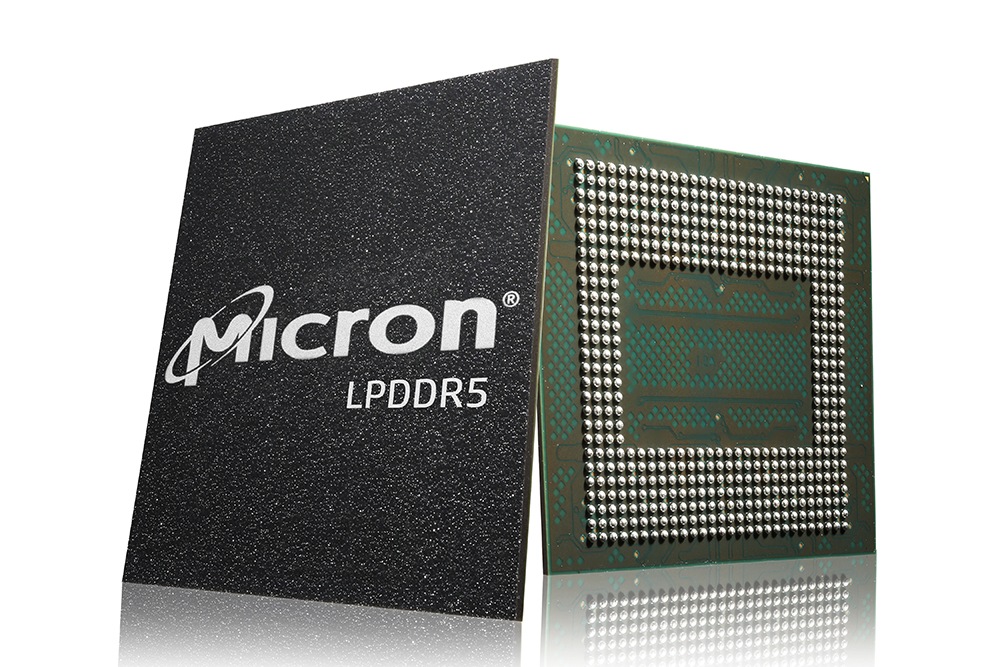
Few stocks embody the AI infrastructure trade quite like Micron Technology (NASDAQ:MU | MU Price Prediction). Shares are up 108% year-to-date and an eye-watering 715% over the past year, riding a memory supercycle that CEO Sanjay Mehrotra calls a once-in-a-generation opportunity. With the stock trading near $657 and HBM demand still outrunning supply, the question now is how much further this rally can run. Let’s walk through what it would take for Micron to hit $1,000 per share.
Wall Street Is Bullish, But Already Behind the Stock
The Street’s average price target sits at $551.40, with 39 buy ratings, 5 holds, and zero sells. That target is below the current price, a classic sign analysts are scrambling to catch up. Wells Fargo’s recent “this time is different” note captured the new framing: disciplined supply, structural AI demand, and DRAM/NAND pricing power. Micron has beaten consensus EPS in every recent quarter, including a 21% beat in fiscal Q1 2026.
The Math Behind $1,000 Per Share
Fiscal Q2 2026 guidance calls for $18.70 billion in revenue and non-GAAP EPS of $8.42, in a single quarter. Annualize that pace and the forward earnings power dwarfs the consensus $14.60 forward EPS figure baked into models today. At $1,000, Micron would trade around 68x today’s stale forward number, but closer to a market-multiple 25x to 30x against a realistic run-rate. That is the disconnect bulls are pressing.
What could push Micron to $1,000?
- Margin expansion: GAAP gross margin has gone from 19% in fiscal Q2 2024 to 56% in Q1 2026, with Q2 guided to 68% non-GAAP.
- HBM order book: Cloud Memory revenue hit $5.28 billion in Q1 2026 at a 66% gross margin, with orders stretching into 2027.
- Reshoring tailwind: Mehrotra notes Micron is “the only U.S.-based memory manufacturer”, a strategic premium during AI policy buildout.
- Cash generation: Free cash flow surged to $3.91 billion in a single quarter.
History Says Outsized Gains Are in Micron’s DNA
Micron has run 571% from $98 last May to today’s level, the kind of move that only happens when fundamentals re-rate. Memory cycles have repeatedly produced multi-hundred-percent annual returns historically, and the 10-year stock return of 6,471% shows how steep the upside can be when capacity tightens.
The Bottom Line on $1,000
Reaching $1,000 would require roughly another 52% gain from current levels. Hurdles exist: insider selling worth $21.4 million and a beta of 1.92 mean volatility cuts both ways. But with margins expanding, AI memory demand structural, and the Street’s $551 target already trailing the stock, the path is real. Returns at this level shouldn’t be expected every year, but we’ve outlined the blueprint for how Micron could see outsized returns in 2026.







 Top Gaining Stocks
 Top Losing Stocks