



Now that 2015 has turned into 2016, it is time to see what analysts and strategists on Wall Street are calling for in 2016. Despite the year getting off to a bumpy start, and despite investors having bought every pullback, the same investors also know that 2015 was the year that the six-year bull market was interrupted.
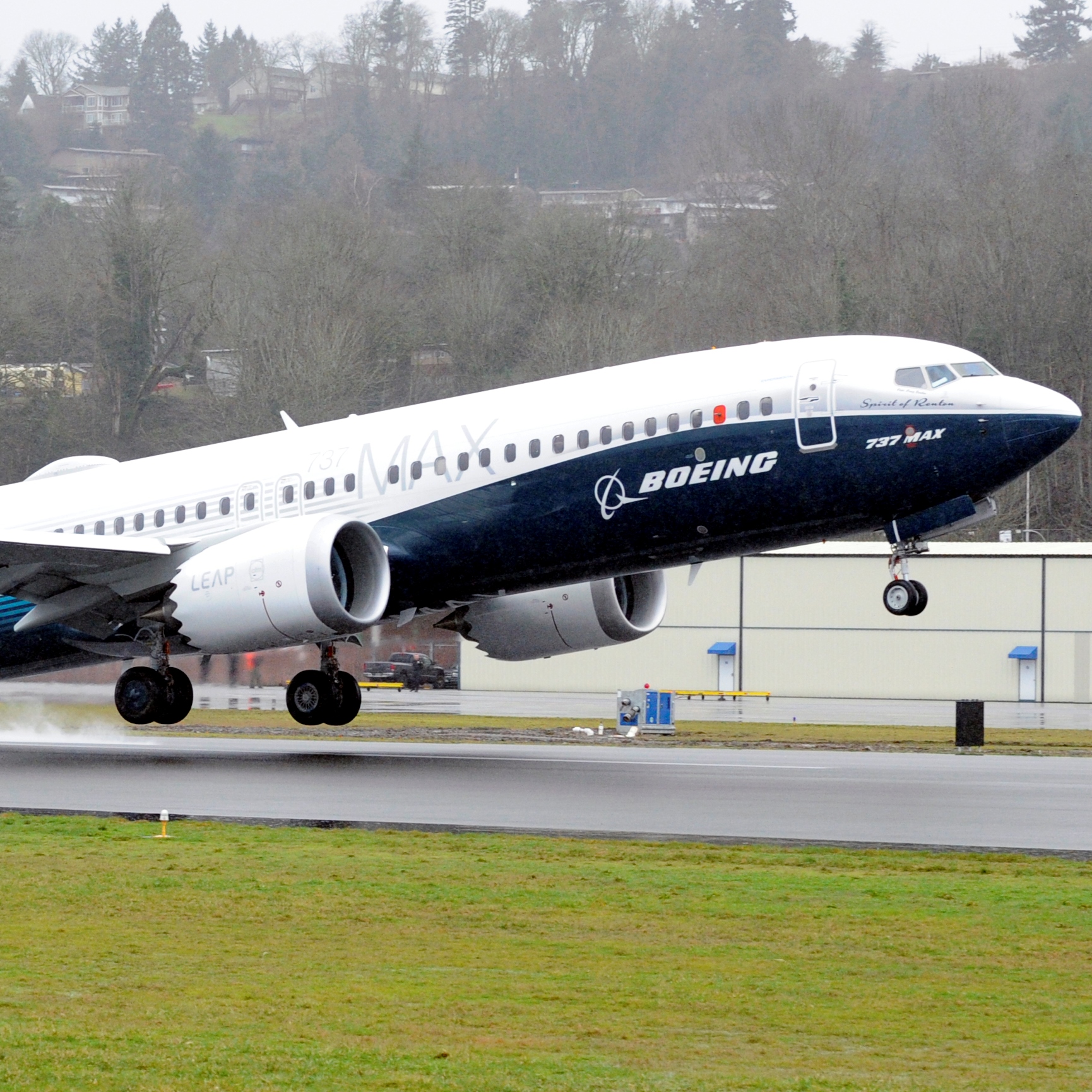
The Dow Jones Industrial Average closed out the year at 17,425.03, for a decline of 2.2% for the year. The Dow’s performance does not account for dividends, but Boeing Co. (NYSE: BA) closed out 2015 at $144.59, for a total return of just over 14%, if you include its dividend adjustments.
For the year ahead, the consensus analyst price target for Boeing from Thomson Reuters is $163.78. If the analysts are correct, the expected total return for the stock would be 15.8%, if you include its dividend yield of 2.52%.
Investors of course need to keep in mind that 2016 has gotten off to a very bumpy start. Boeing shares may have been $144.59 at the end of 2015, but its shares were trading down at $138.00 on just the third day of this year’s trading.
While Boeing has been a story of the 787 Dreamliner in the past few years, the reality is that Boeing can be considered a defense company again rather than just an aerospace company. After all, the conflicts around the world are good for business, and Boeing can easily be among the big defense contractor winners at any time. Boeing can also be a winner in the privatization of space ahead.
[recirclink id=307115]
One issue that should stand out for Boeing shareholders in 2016 is that the company’s dividend hike and stock buyback expansion absolutely blew out expectations to the upside. This has yet to translate into gains for the stock, but the reality is that Boeing is planning on returning more capital to its shareholders.
Another boost for Boeing is the return of the Export-Import Bank. This heavily favors Boeing, and it also may help to ease at least some of the labor issues that the company has faced.
Boeing has perhaps the world’s largest order backlog of any company that reports backlogs. This is the flow of future revenues, measured by orders that have been put on the delivery schedule but that have not yet been booked as revenues. Backlog can of course go south if orders are canceled, but that last formal backlog as of September 30, 2015 was put at a whopping $485 billion. There were nearly 5,700 commercial airplane orders in backlog at that time, but Boeing added more jets to the backlog in December despite seeing some cancellations.
An ongoing risk for Boeing is Airbus and other competition. Airbus was winning in wide-body jet orders in early December 2015. Then there is the downstream risk ahead from the likes of Embraer in short-haul jets. Future competition will be present, but extremely hard to quantify. China wants to end up being a commercial passenger and cargo jet maker. Japan’s Mitsubishi had to delay a commercial jet delivery timing late in 2015, but Japan could be a competitor in the years ahead.
Another risk is a slowing jet order market at the end of 2015. Still, Boeing suggested at the end of 2015 that it would have a record year for deliveries.
[recirclink id=307114]
Wells Fargo decided to downgrade Boeing in mid-December of 2015 to Market Perform from Outperform. When JPMorgan initiated coverage last summer, its price target was listed as $175.00 in that initial call. And Canaccord Genuity started 2016 off by keeping a $165.00 price target for Boeing. The highest analyst price target is from Sanford Bernstein and was last seen all the way up at $196.00 at the start of 2016. Most analysts have price targets that are higher than the current Boeing price, but the lowest price target is still reportedly down closer to $100.
Now what investors have to consider about Boeing for 2016 is whether the great gains have been made in prior years. Boeing’s bullish and bearish case for 2015 called for 15% upside in 2015. Boeing did not close at that price, but the dividend helped to boost that return, and the stock more or less performed in the same direction as analysts expected. Can that be repeated in 2016?








 Top Gaining Stocks
 Top Losing Stocks