


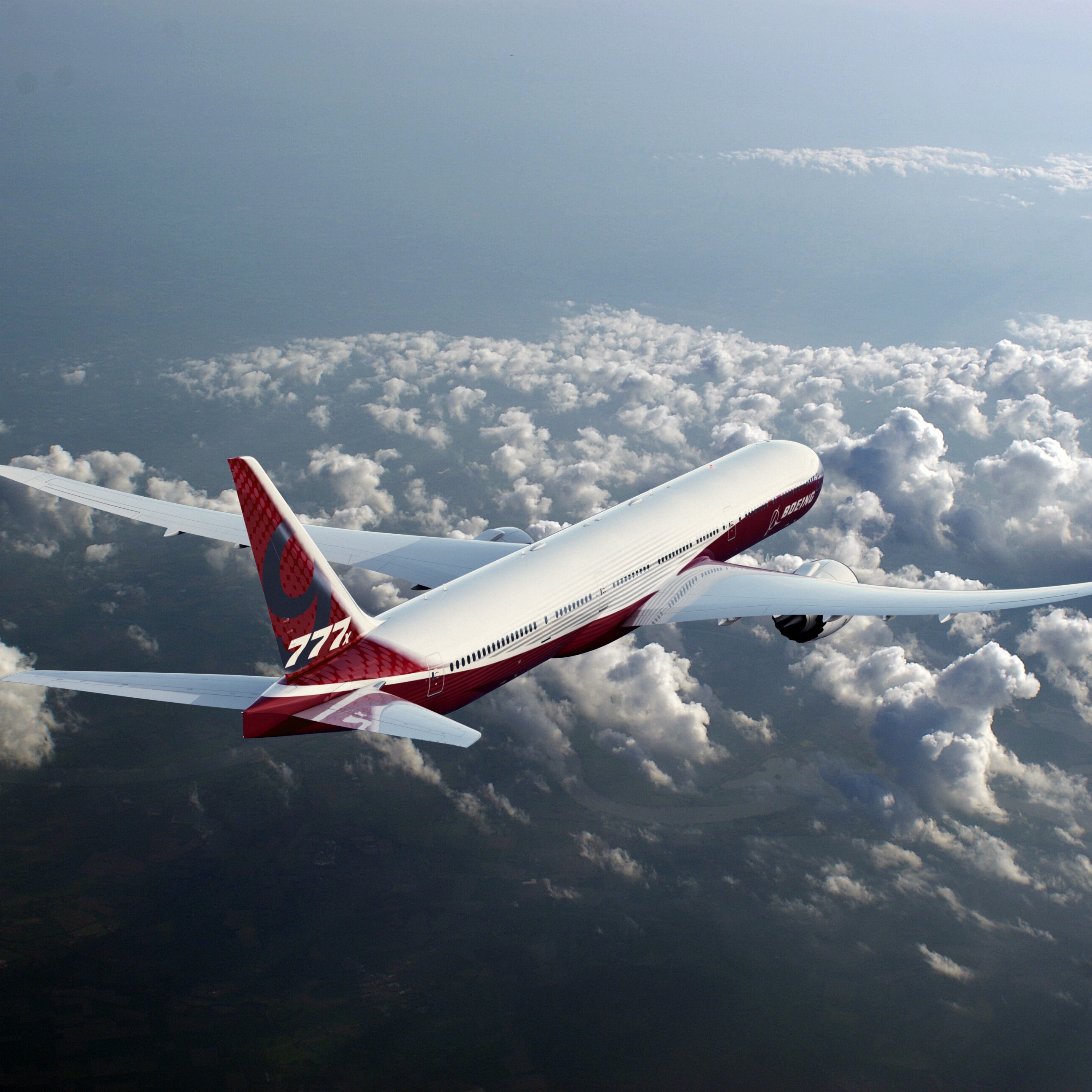
[cnxvideo id=”655240″ placement=”ros”]On Thursday, Boeing Co. (NYSE: BA) filed its 2016 Form 10-K with the U.S. Securities and Exchange Commission (SEC). The SEC form is pretty plain-looking, compared with what the printed version of annual report will look like: lots of big pictures and stylized pull-quotes.
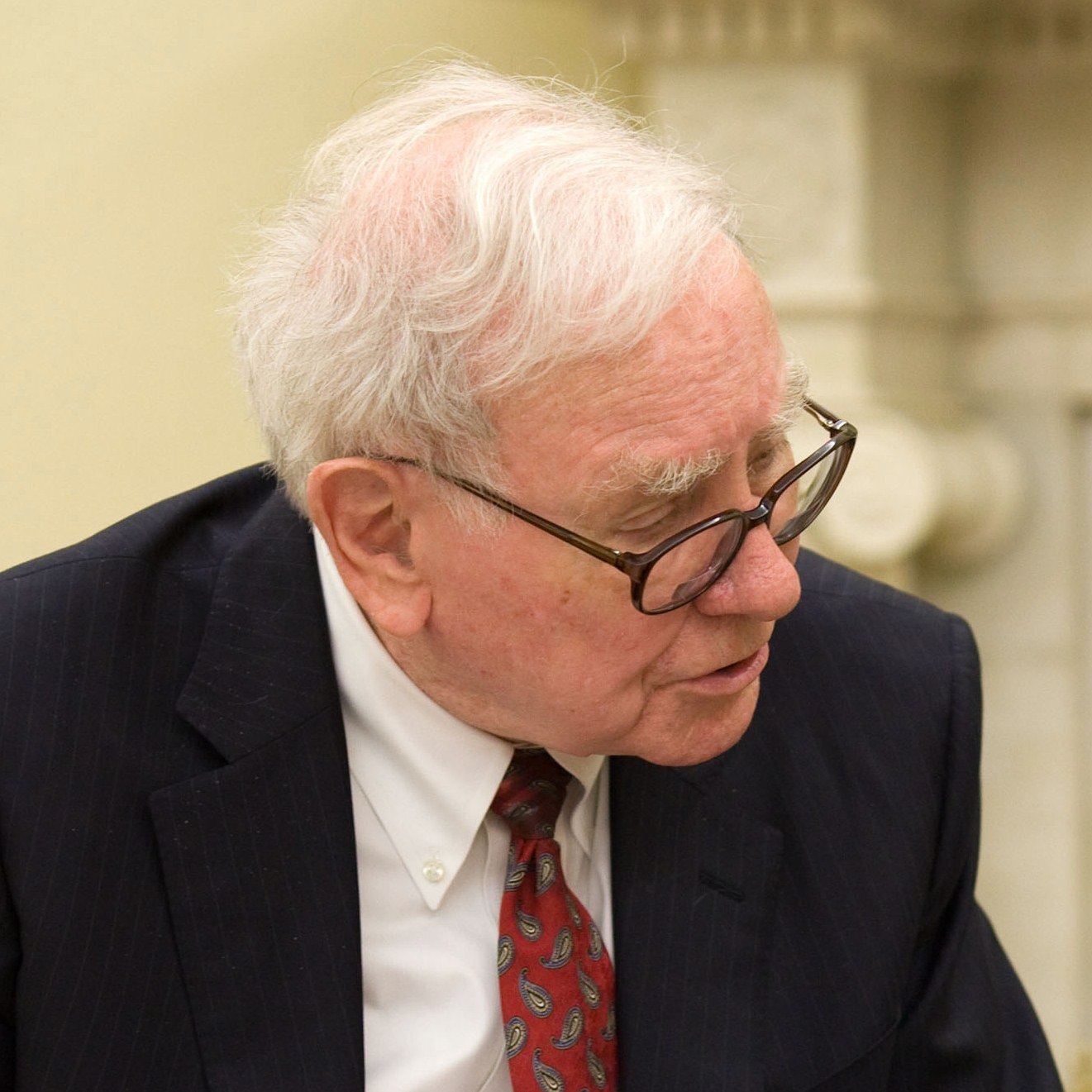
But the stuff that Boeing (and every other company) has to reveal is in the SEC filing, and while reading these often 100 or so page reports can at times be mind-numbing, there can be a big payoff. Warren Buffett has said on more than one occasion that he loves to curl up with companies’ annual reports. The way to get smarter, Buffett once said while holding up a stack of papers, is to “read 500 pages like this every day. That’s how knowledge builds up, like compound interest.”
But most people don’t have time to read 500 pages a day of financial reporting documents (or they don’t think they do), so we went through the Boeing 10-K filing looking for some hidden gems of data. We found 10 and have presented them here.
[nativounit]
Here are a couple, with Boeing’s original text in italic type, along with our comments.
In 2016, 23% of our revenues were earned pursuant to U.S. government contracts, which include foreign military sales through the U.S. government. Business conducted pursuant to such contracts is subject to extensive procurement regulations and other unique risks.
In 2016, non-U.S. customers accounted for approximately 59% of our revenues. We expect that non-U.S. sales will continue to account for a significant portion of our revenues for the foreseeable future.
As of December 31, 2016 and 2015, our airplane financing commitments totaled $14,847 million and $16,283 million.
Boeing finances these commitments, in part, with debt. Rising interest rates will affect the company’s interest payments. Boeing paid $306 million in interest expense last year, an increase of more than 10% from 2015.
The decrease in contractual backlog during 2016 and 2015 was primarily due to deliveries in excess of net orders.
This is the company’s book-to-bill ratio expressed in dollars. Since the banner year of 2014, backlogs have been shrinking as new orders slow. Commercial contractual backlog at the end of 2016 is $416.2 billion, down from $440.12 billion in 2014 and $431.41 billion in 2015. Including the defense segment’s backlog, total contractual backlog for 2016 is $458.28 billion, down from $487.1 billion in 2014 and $476.6 billion in 2015.
[wallst_email_signup]







 Top Gaining Stocks
 Top Losing Stocks