


The first shot in President Trump’s longed-for trade war was fired yesterday after he told U.S. steel and aluminum producers that he planned to order stiff tariffs next week on imports of those materials. Share prices for the producers jumped at the expense of firms that depend on steel and aluminum in large quantities. Like Boeing Co. (NYSE: BA) and Caterpillar Inc. (NYSE: CAT).
Boeing’s stock dropped about 3.5% on Thursday because investors see a 10% tariff on imported aluminum dragging on Boeing’s competitiveness. Either Boeing will have to charge more or settle for a lower margin. Pretty much a lose-lose scenario.
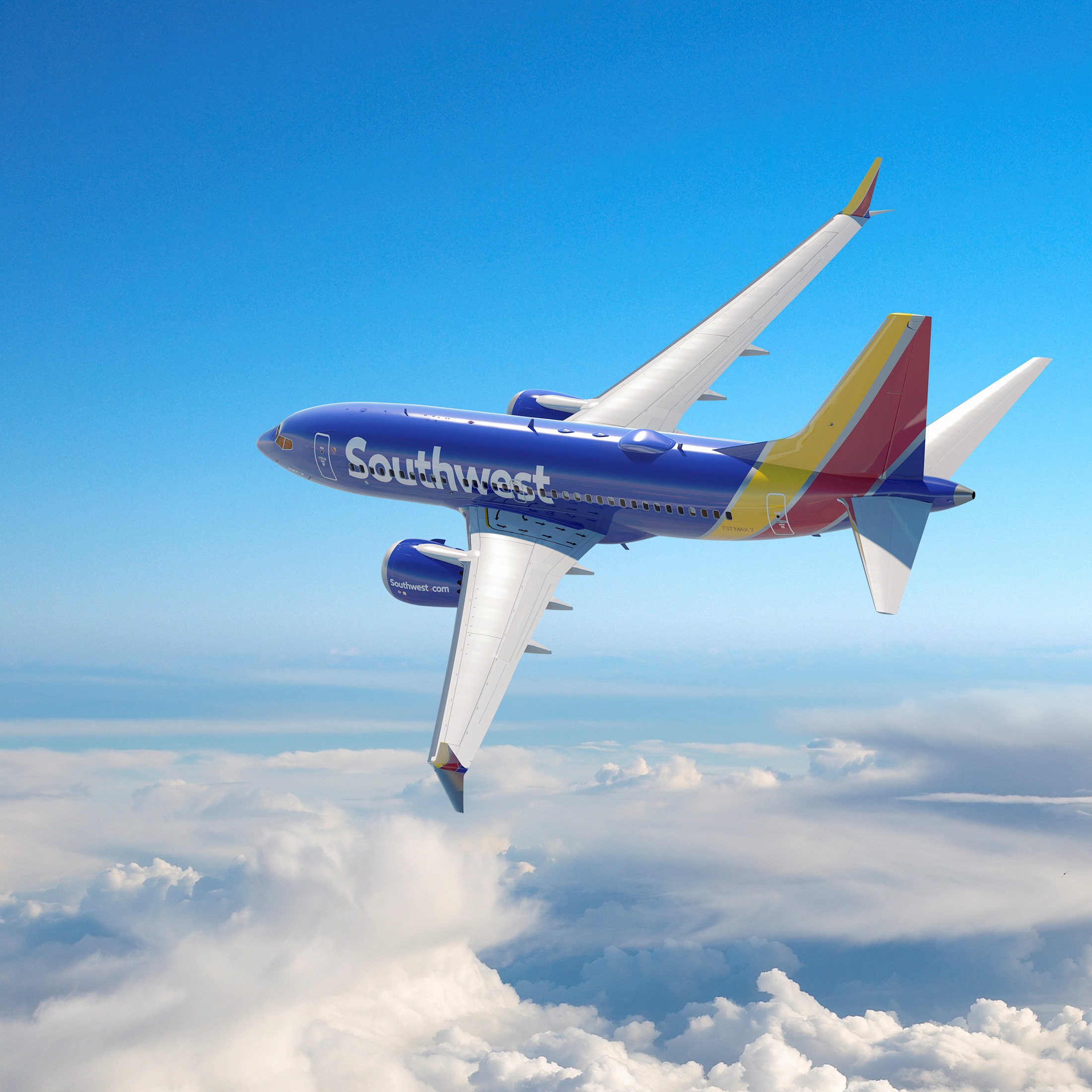
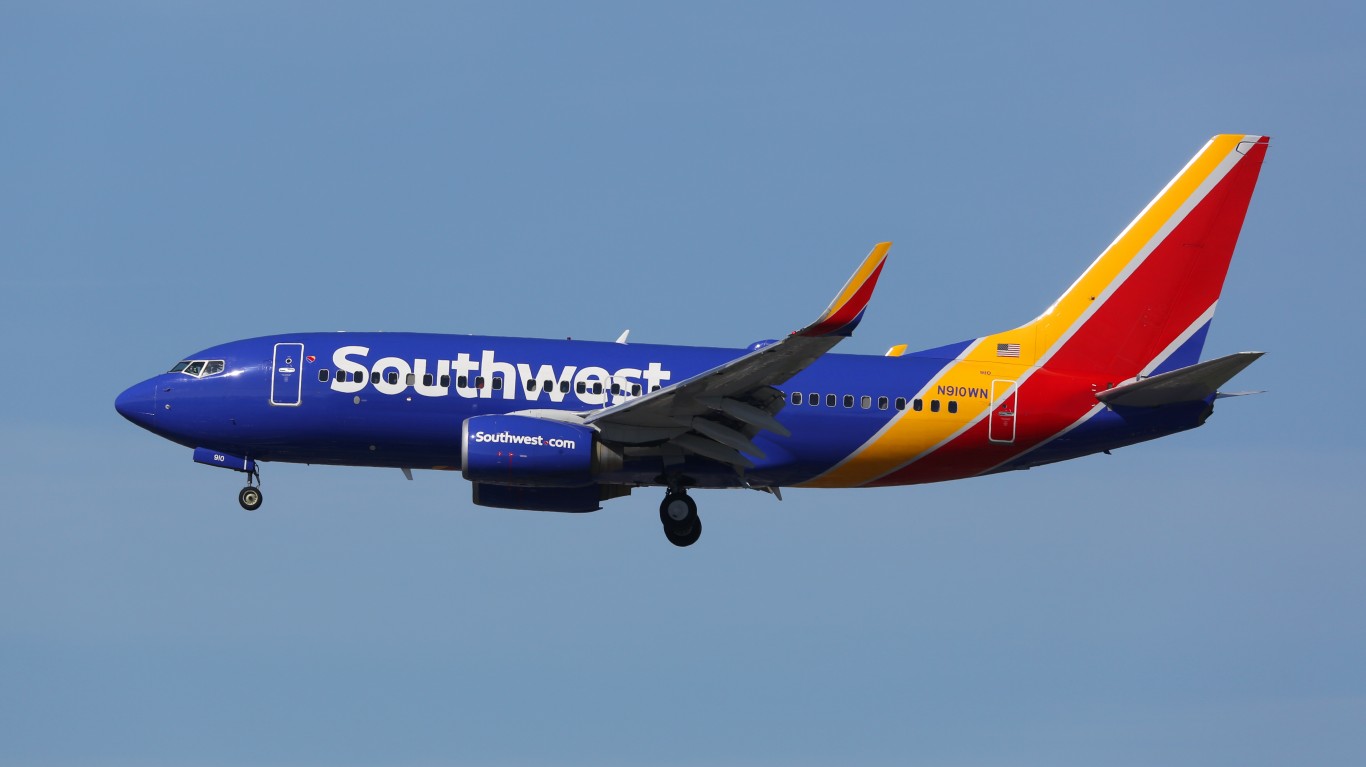
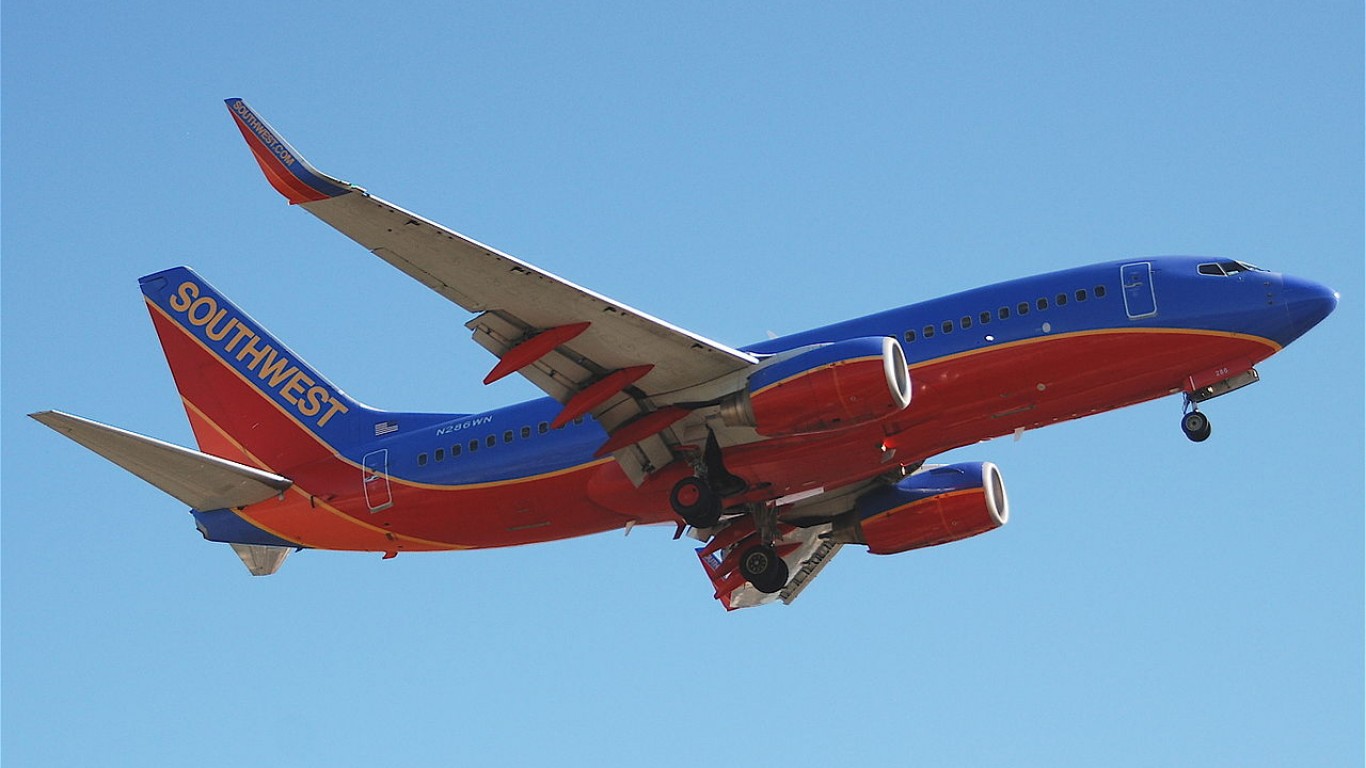
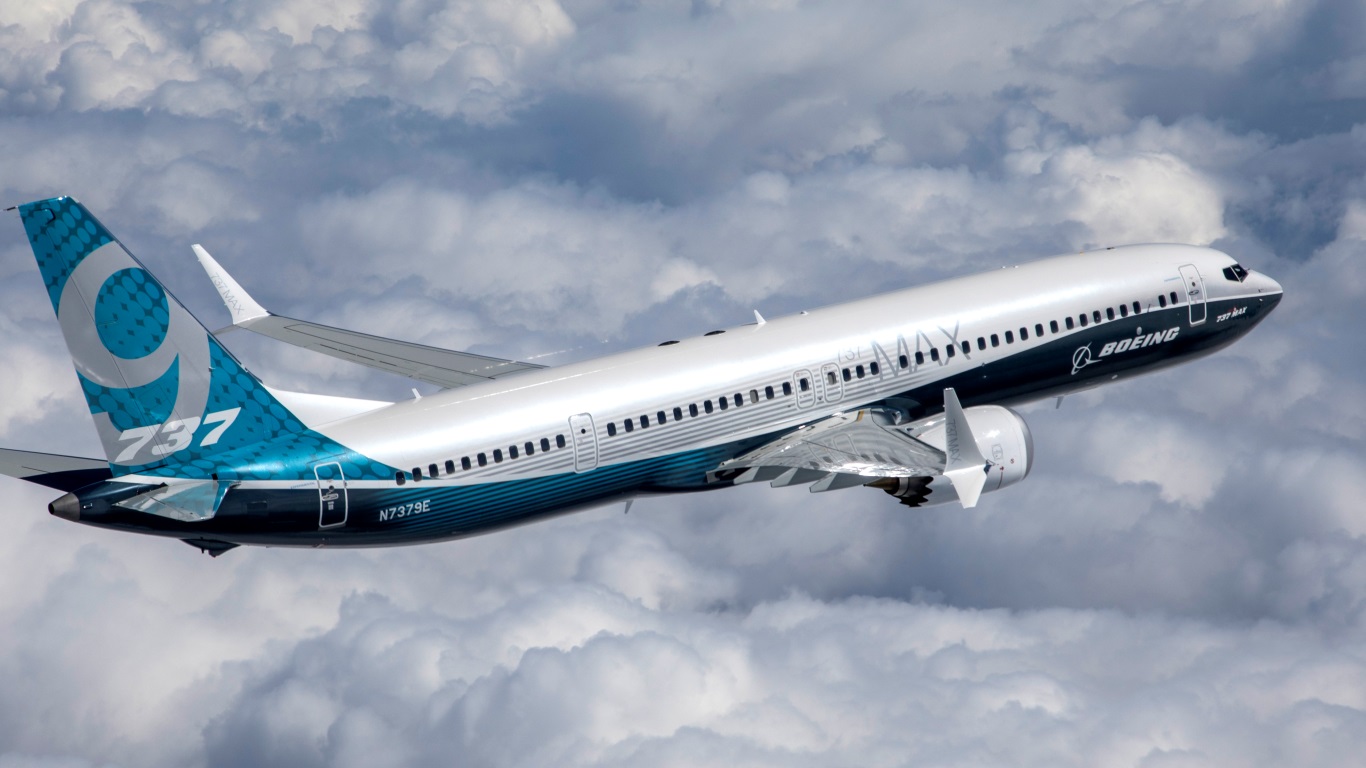
But Boeing did get some good news from one of its biggest customers. On the sidelines of the U.S. Chamber of Commerce’s 2018 Aviation Summit, Southwest Airlines Co. (NYSE: LUV) CEO Gary Kelly said he expects his airline’s fleet in the future to be 60% 737 MAX 7s (737-7s) and that “as long as I am CEO” he has no interest in any other aircraft than Boeing’s venerable 737.
Southwest had placed orders for a total of 240 of the new 737 MAX family as of the end of January. In early January Southwest exercised its option for 40 additional 737 MAX 8 (737-8) aircraft and deferred orders on 34 smaller 737 MAX 7 (737-7) jets. Boeing’s order book shows 240 Southwest orders for the 737 MAX family but the order book does not identify the planes by model.
[nativounit]
According to a report at Leeham News, Kelly said Southwest needs about 100 more 737-8s before pumping up its fleet of the smaller 737-7s. The airline’s current fleet of more than 500 737-700s does not begin to see its first retirements until 2022. Southwest plans to get 15 new 737-8s next year and 25 in 2020. The deferred 737-7s won’t begin to show up in the airline’s fleet until 2023.
Kelly also said he’d take a look at Boeing’s prospective midmarket aircraft but he has no interest in a 737 MAX 9 (737-9). The 737 MAX 10 (737-10) may be attractive if the airline cannot add flights on a popular route and has to switch to a larger aircraft. Southwest could fly a transatlantic route with the 737-7, but the airline is most interested in adding flights to Hawaii and Alaska.
Boeing stock traded down about 3% early in Friday’s session to $339.36, after closing at $349.69 on Thursday. The stock’s 52-week range is $173.75 to $371.60 and the consensus 12-month price target is $386.78.
[recirclink id=445892]
[wallst_email_signup]






 Top Gaining Stocks
 Top Losing Stocks