


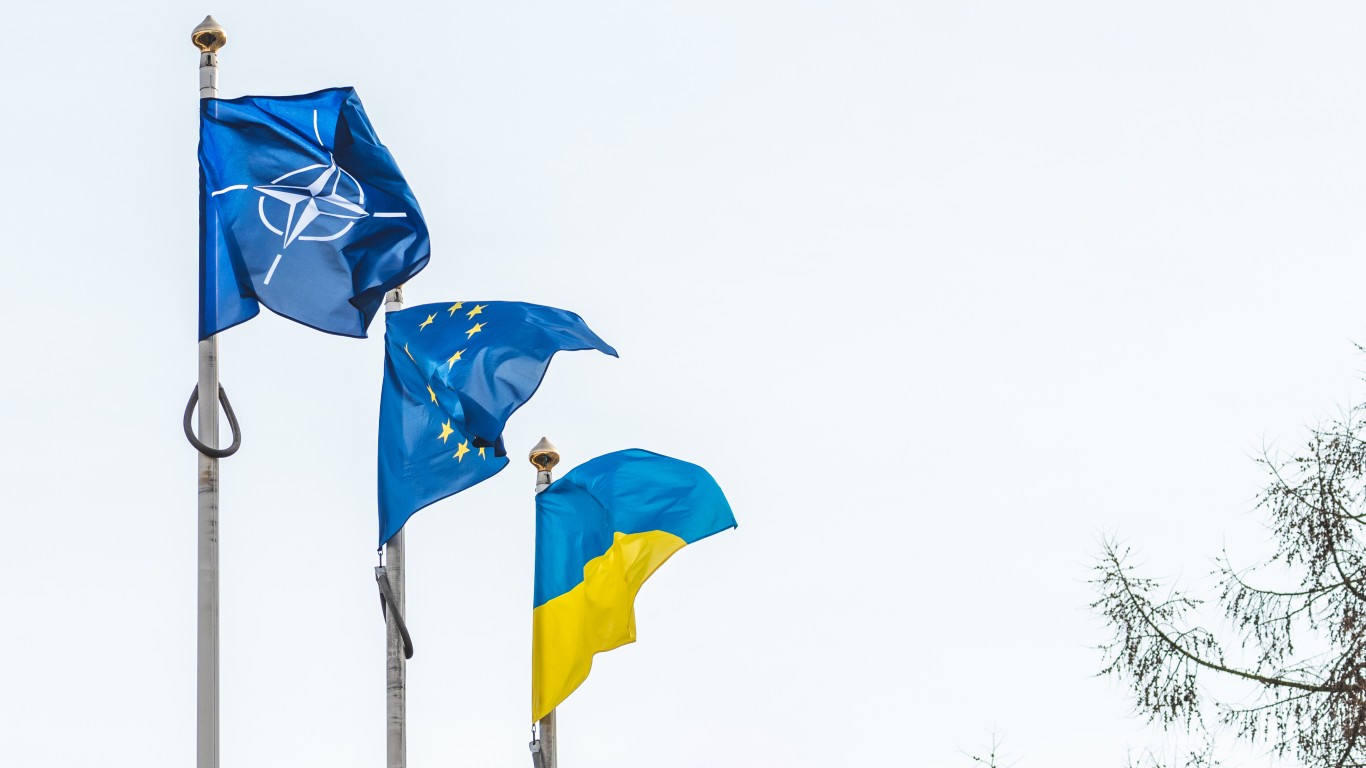
On January 20, 2025, President Donald Trump once again took office in America — and his initial plans and statements for his four years in office already have many people, and countries, feeling unstable. Over the past few months, Trump has clashed with Canada, Mexico, Panama, and Greenland. Canada is a member of NATO; Denmark is also a member and, as Greenland is an autonomous territory of the Kingdom of Denmark, Greenland is included. Trump has stated that tariffs would be placed on Canada and that the United States would like to own Greenland, which he has stated would be his contribution to protecting our world. However, this puts NATO in a tough spot. NATO has a principle of collective defence — if one member country is attacked, the others must step in with full force to protect them. Thomas Hughes, a Post-Doctoral Fellow affiliated with the Centre for Defence and Security Studies, the North American and Arctic Defence and Security Network, and the Canadian Naval Review, writes that: “it’s difficult to see how NATO would view the use of military force against Greenland as anything other than an armed attack on one of its members.” It’s also challenging to consider how the United States’ NATO membership might be affected should this occur. (NATO’s internal tensions are getting worrisome.)
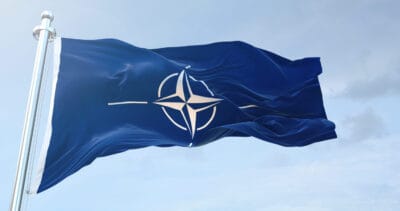
While the North Atlantic Treaty Organization (NATO) has succeeded beyond all expectations, uniting former adversaries in Western Europe and North America to deter war with the Soviet Union/Russia for 75 years, its recent years have seen more conflict. The public and several political leaders have raised questions about the purpose of NATO and whether it really serves American interests to invest in it. What would the world have looked like if the alliance never existed? And what could it look like if it were disbanded today? To answer these questions and give you insight into what would happen if NATO disbanded, 24/7 Wall St. engaged with NATO documentation and blogs, websites like Defense News, and other articles. We listed what NATO is and its member countries, the implications of NATO never existing, and what consequences we would face if the organization fell apart today.
Why We’re Covering This
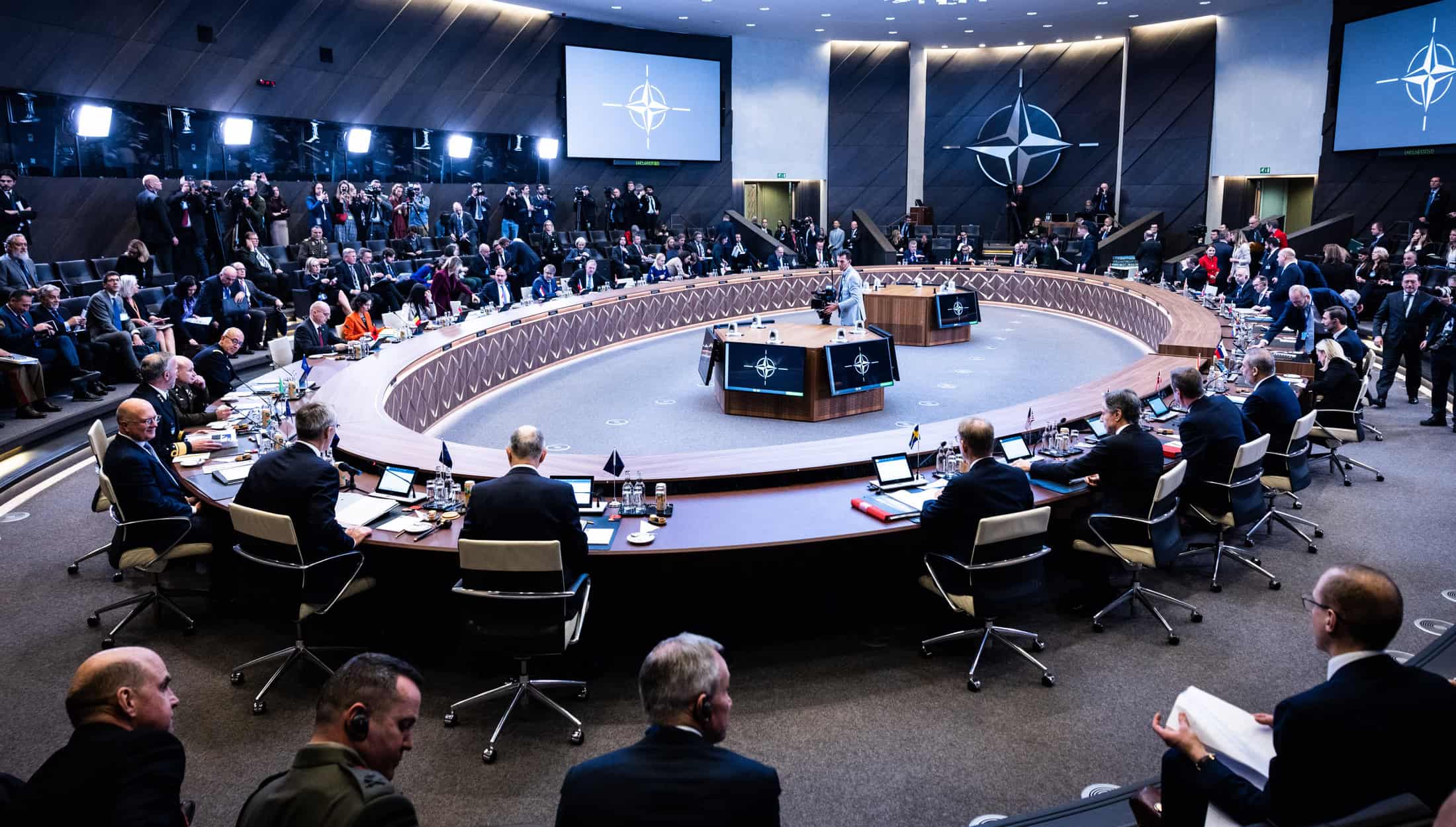
NATO stands as the most powerful military alliance in history. It currently comprises 32 members, shared military bases, and trillions in defense spending between the countries. The non-existence or collapse of NATO would have severe and wide-reaching effects on our defense and the way countries protected their borders. Considering the rapidly worsening instability of our world, a potential NATO collapse has moved from abstraction into definite possibility. By learning more about NATO and its impacts, you can better prepare yourself for the military and economic changes that would undoubtedly come from a NATO disbandment.
Here is what would happen if NATO no longer existed:
What Is NATO?
NATO is a collective security agreement founded in 1949 out of concern for defense against the threat of the Soviet Union, which refused to demobilize from Eastern Europe at the end of World War II. Under the terms of the agreement, and Article 5 in particular, an attack on one member is treated as an attack on all of them.
What Countries Are in NATO?
Today, 32 countries are members of NATO: 30 in Europe and 2 in North America. The 12 founding members of the alliance were:
- Belgium
- Canada
- Denmark
- France
- Italy
- Iceland
- Luxembourg
- The Netherlands
- Norway
- Portugal
- The United Kingdom
- United States of America
Later, four more countries — Greece, Turkey, West Germany, and Spain — joined NATO during the Cold War. After the dissolution of the Warsaw Pact and the Soviet Union, NATO added 14 East European countries: Albania, Bulgaria, Croatia, the Czech Republic, Estonia, Hungary, Latvia, Lithuania, Montenegro, North Macedonia, Poland, Romania, Slovakia, and Slovenia.
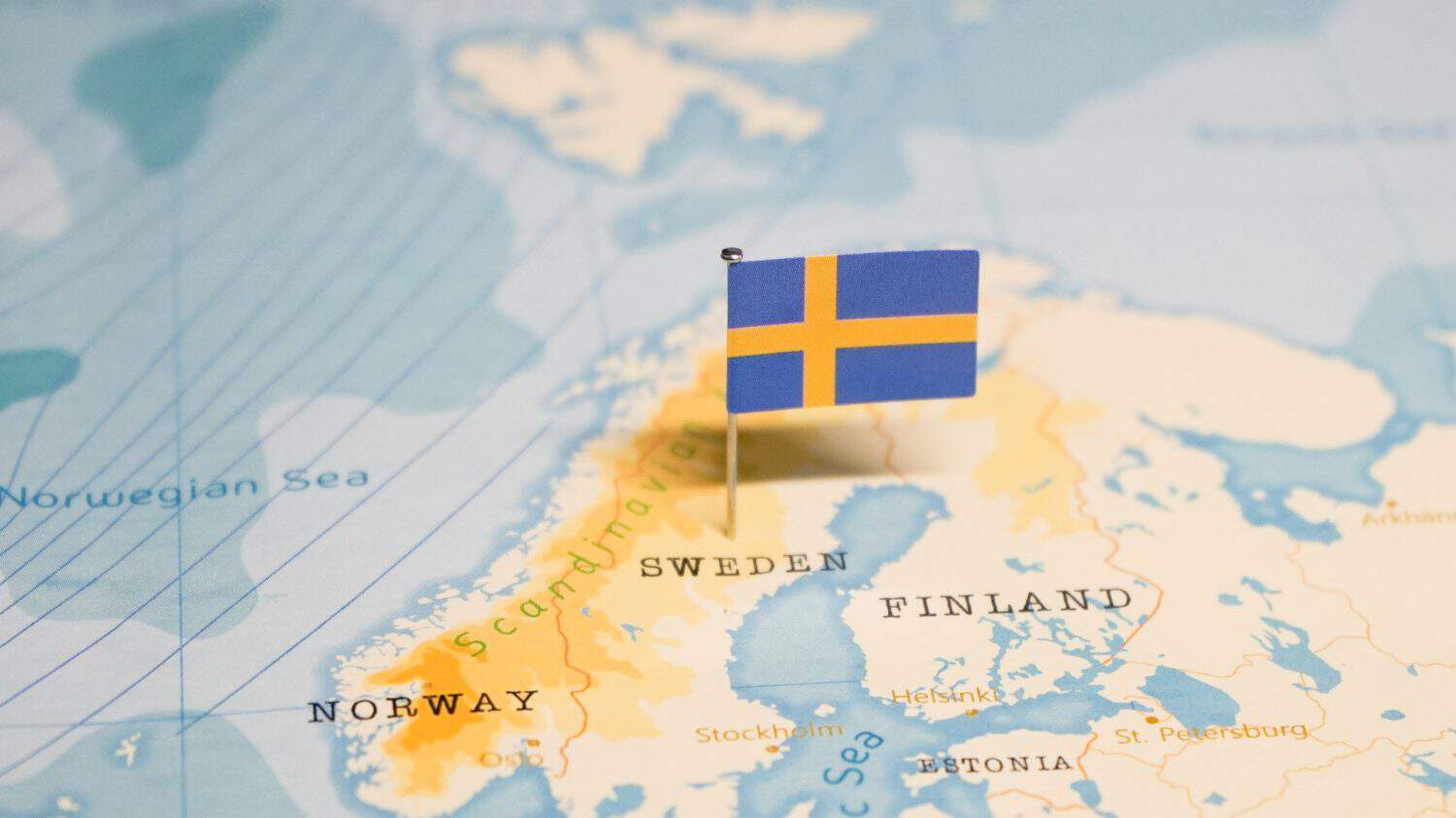
Finally, in response to the Russian invasion of Ukraine, Finland and Sweden joined the alliance in 2023 and 2024. Though Ukraine is not currently a member country, many NATO nations have been contributing to war efforts in Ukraine.
What if NATO Never Existed?
Our current geopolitics are heavily based on NATO membership. Considering the breadth of what NATO has achieved, we put together some ideas of how the world might have been different without it:
The United States of Isolation
The United States may have returned to its traditional isolationism, as it did after World War I. This would mean either we did not get involved in foreign conflicts as much, or we would do so with fewer allies or completely alone.
Depending on its policy choices, the U.S. may have spent less on defense, allowing the USSR to get the upper hand abroad, or may have spent more because the U.S. would have to defend its overseas interests without allies to share the burden. As in the first two world wars, lack of US engagement could have allowed foreign threats to become huge before we finally stood up to aggressors, perhaps even to the point of being involved in a nuclear World War III.
Long before rising foreign challenges became a military threat to the homeland, they would create unreliable conditions for foreign trade and a lower standard of living in the U.S. and other countries.
More Conflicts in Western Europe
European countries with longstanding rivalries, like Britain, France, and Germany, may not have been able to set their differences aside. Military conflicts between them would have been a possibility.
European and North American military equipment would not have been standardized and interchangeable, and there would not be a unified military command structure and defense strategy. This would make cooperation between these countries in wartime less effective.
The USSR might also have had more power. Some countries would have been more susceptible to USSR bullying. This would mean aligning their foreign policies with the Soviets and giving them favorable trade terms in a bid to protect themselves through appeasement.
The Soviet Union’s Supremacy
The Soviet Union would likely have been more aggressive in exporting communist revolutions to the rest of Europe. Its blockade of Berlin would likely have been successful and the city would have been united under communist leadership. Non-nuclear countries bordering the USSR and its allies would have faced the real threat of invasion to add them to the communist bloc. Examples could include:
- Greece
- Turkey
- Italy
- Germany
Bolstered by favorable trade terms from intimidated European countries, or industrialized countries added to their alliance, the Soviet Union may have been able to prop itself up longer rather than collapsing as it did.
What if NATO Were Disbanded Today?
Imagine a future U.S. president declares the alliance has outlived its usefulness and succeeds in withdrawing the United States from it. Without U.S. involvement, the rest of the alliance would likely continue, hoping for the Americans to return under a future administration. But what if all countries rushed for the door and the whole alliance dissolved? Here are some possible repercussions:
Ukraine
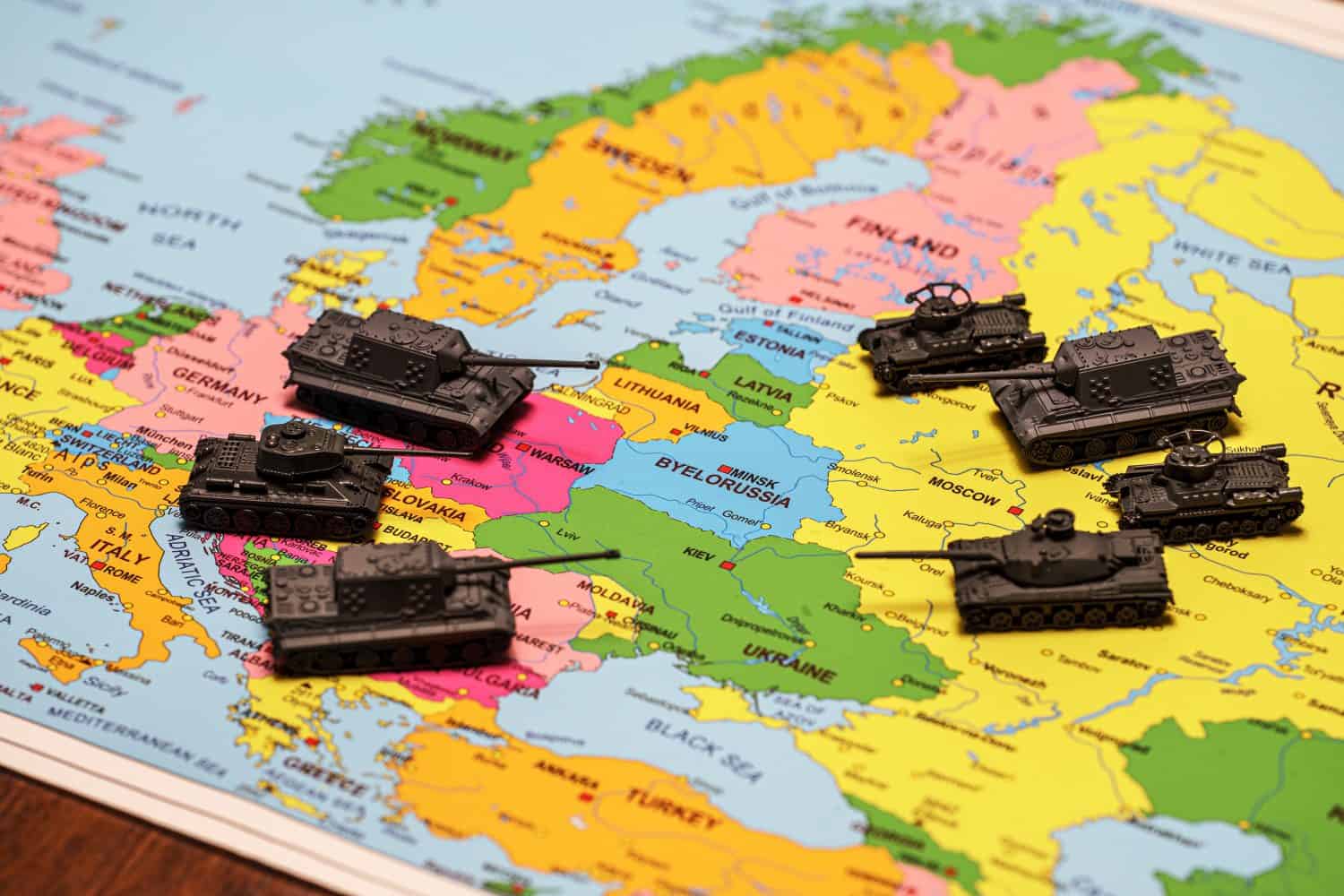
One of the first things we might notice should NATO disband would be a withdrawal of Western support from Ukraine. Without American involvement, European NATO countries would be more fearful of Russian retaliation for supplying arms to Ukraine. With fewer restraints, Russia might escalate the war to the point of using tactical nuclear weapons to force Ukrainian capitulation. Russia would probably pursue maximal goals of annexing the whole country rather than just parts of it.
Eastern Europe
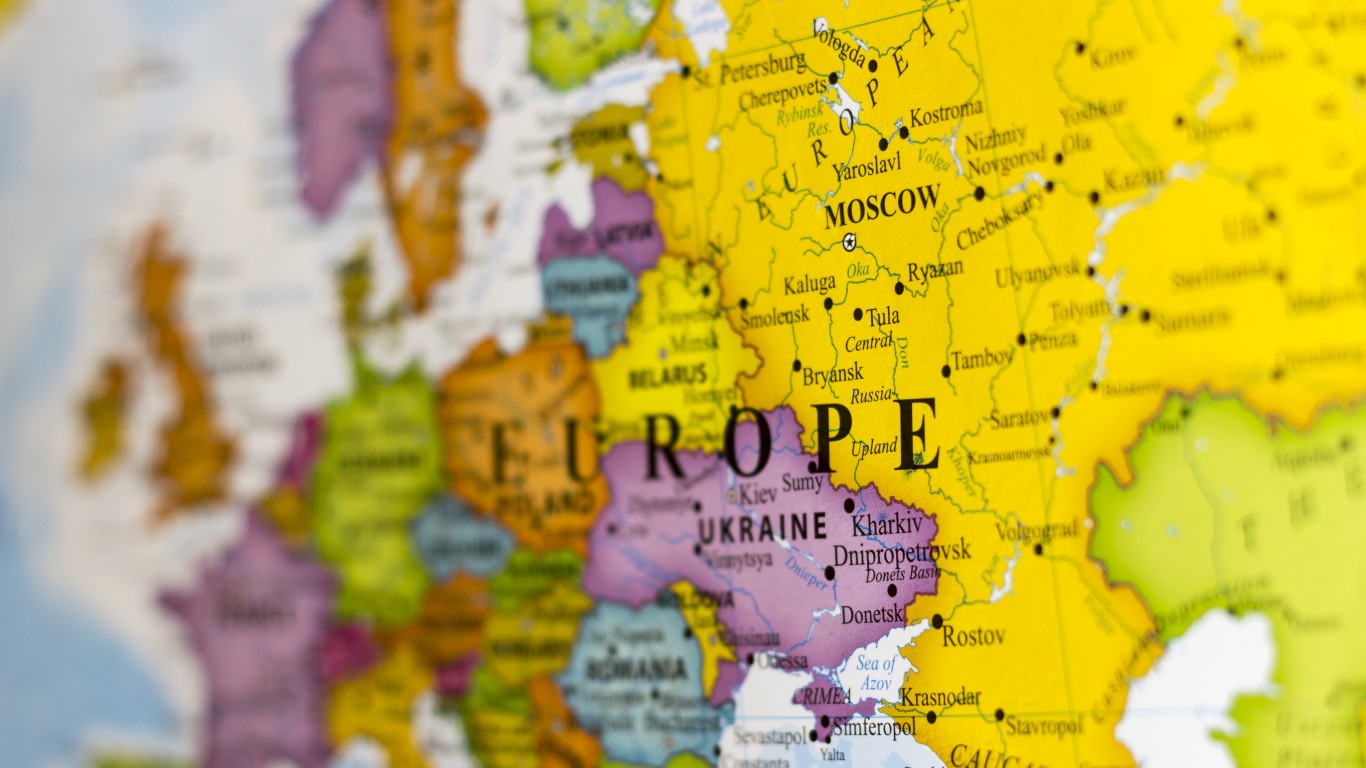
It is highly likely that Russia would go on from Ukraine to reassert control militarily over Moldova and the Baltic States, Georgia, Armenia, and gradually the rest of the former Soviet Union: Azerbaijan and the Central Asian countries.
Finland and Poland are more heavily armed and trained than most countries on Russia’s borders, so they would be better capable of defending themselves. Nevertheless, both of them, along with other East European countries, would want to avoid war and would begin pursuing more Russia-friendly policies.
Serbia, a longstanding Russian protégé, would probably take the opportunity to try to reclaim some of its own lost territory, especially Kosovo and the Serbian parts of Bosnia. There is also a possibility of other territorial disputes, such as between Hungary and Romania, could lead to local arms races or military conflict.
Western Europe
With nuclear arsenals and powerful conventional military forces, the United Kingdom and France would be in the best position to assert themselves against any Russian expansionism in Europe. However, they would be unlikely to do so individually if they thought it substantially raised the risk to their own countries. Without alliances to protect them, the industrialized countries of Western Europe would quickly develop nuclear weapons of their own. Wealthy countries like the following already have the technical and industrial base to go nuclear fairly quickly if they wanted to:
- Germany
- Italy
- Sweden
- The Netherlands
Greece and Turkey
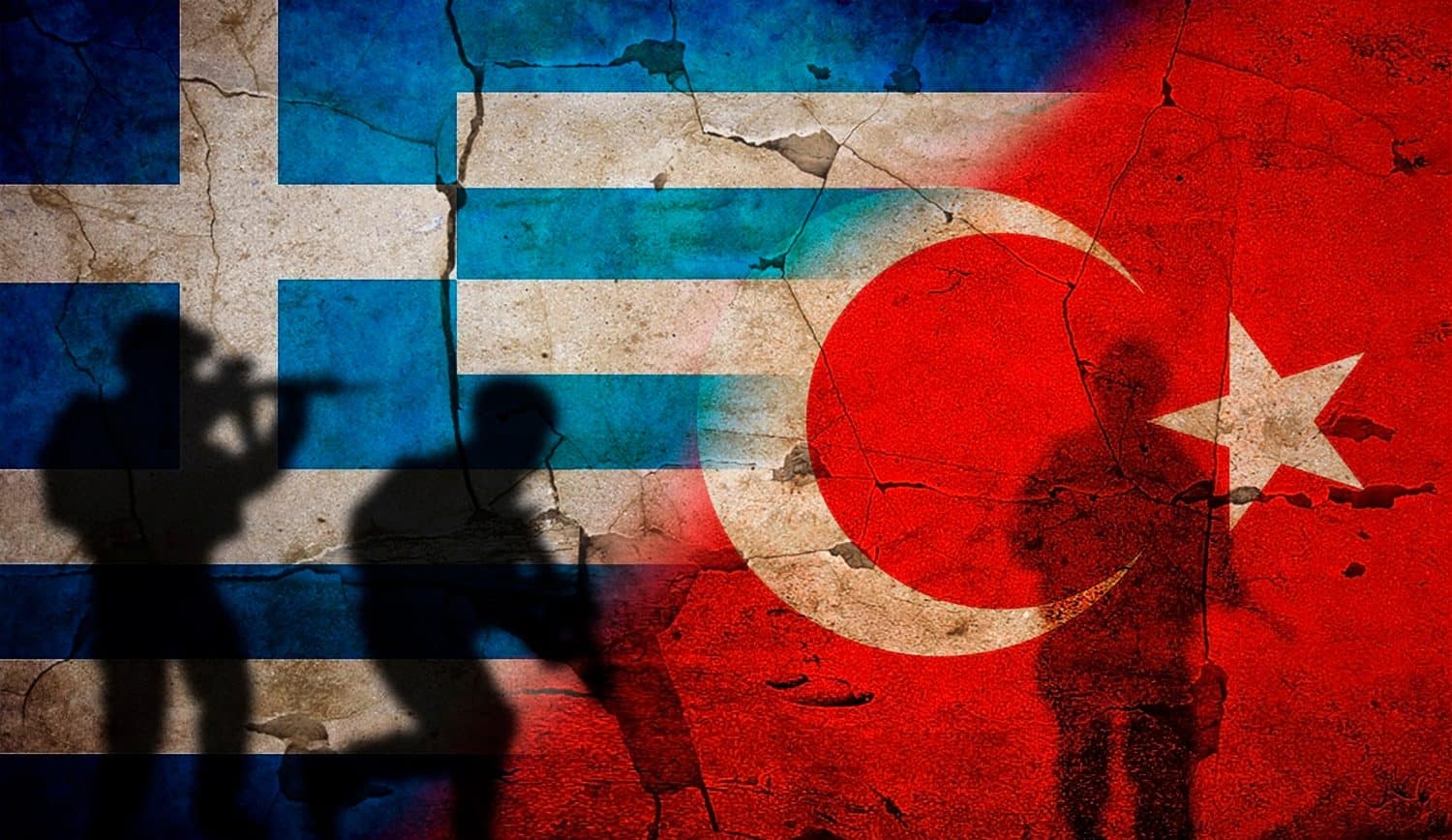
War between Greece and Turkey would be a likely outcome if the NATO alliance was no longer in existence. Ancient rivals, these nations have already nearly come to blows multiple times — even as alliance members. Cyprus is a particularly touchy flashpoint. It is currently divided between Greek and Turkish sides with UN peacekeepers in a buffer zone. This frozen conflict might heat up quickly without NATO pressure to keep a lid on it.
New Alliances

With this European chaos emerging, new alliances on a less-grand scale than NATO would probably develop. These would be a possibility among various combinations of the UK, France, and Germany along with other West European and Scandinavian countries. The Baltic States, Poland, and the Balkans might find it much more difficult to get alliance partners, as they are more directly threatened by Russia and have a higher danger of drawing allies into war with Russia. Eastern Europe, left out in the cold, could find itself in a chaotic power vacuum, vulnerable to military conflict among themselves and with Russia.
The Rest of the World
If the United States demonstrated that it would withdraw from defending our most important national interests, this would greatly diminish every country’s trust in America as a reliable security partner and embolden American adversaries. The loss of trust would have significant and negative impacts on our nation, in more ways than one:
- Fewer countries would buy U.S.-manufactured arms, uncertain of the reliability of the future supply.
- Existing U.S. allies like Japan, South Korea, Australia, and Saudi Arabia might quickly develop their own nuclear weapons capabilities, knowing they would have to rely only on themselves for defense.
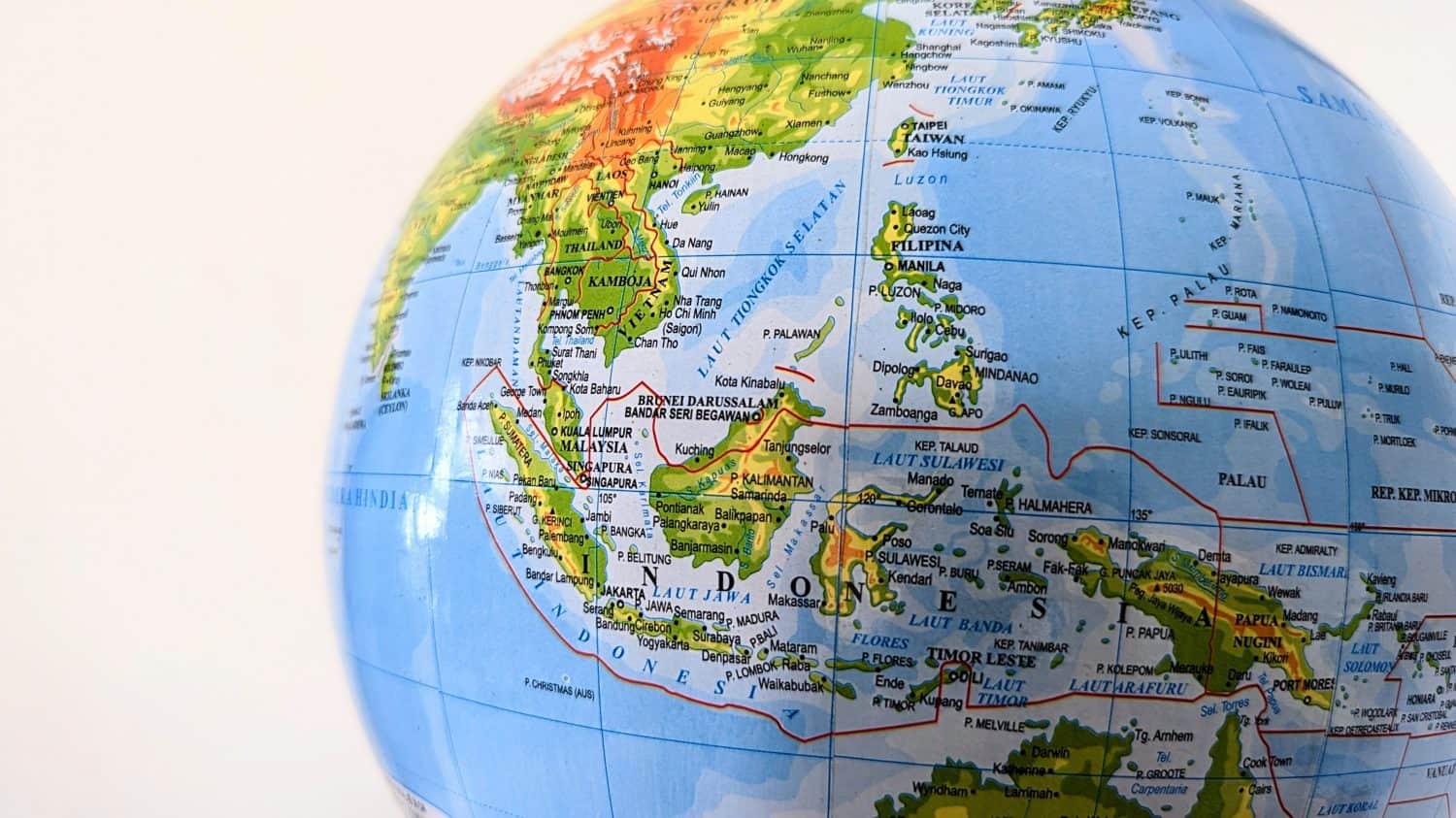
- China would quite likely invade Taiwan, and clash militarily with the Philippines, Vietnam, and Malaysia to assert dominance over the disputed South China Sea.
- North Korea could be expected to invade and annex South Korea if the South had no U.S. troops or alliance commitment to deter such an attack.
- In the Middle East, a series of wars between shifting coalitions of the Israelis, Arabs, and Iranians could be expected.
- Unfettered but also unprotected by alliance partners, Israel might take radical steps to improve its security, including attacking Iran with conventional or nuclear weapons to prevent it from getting The Bomb, annexing the occupied territories, and expelling the Palestinian population en masse into neighboring Arab countries.
Let’s Not Find Out

A world without NATO would be more chaotic and warlike. And no, this wouldn’t just be chaotic and warlike in Europe, but on a massive global scale. The United States would be forced to navigate complex and shifting international crises, trade disruptions, more frequent wars, and the ensuing refugee and humanitarian crises. As in both World Wars, the US might very well find itself one day drawn into another global conflict, this time with dozens of nuclear-armed countries participating. The chance of miscalculation and escalation in such an out-of-control world would make a truly apocalyptic World War III more likely than ever. All in all, we have a pretty good thing going. Let’s not find out what the alternative would be.







 Top Gaining Stocks
 Top Losing Stocks