


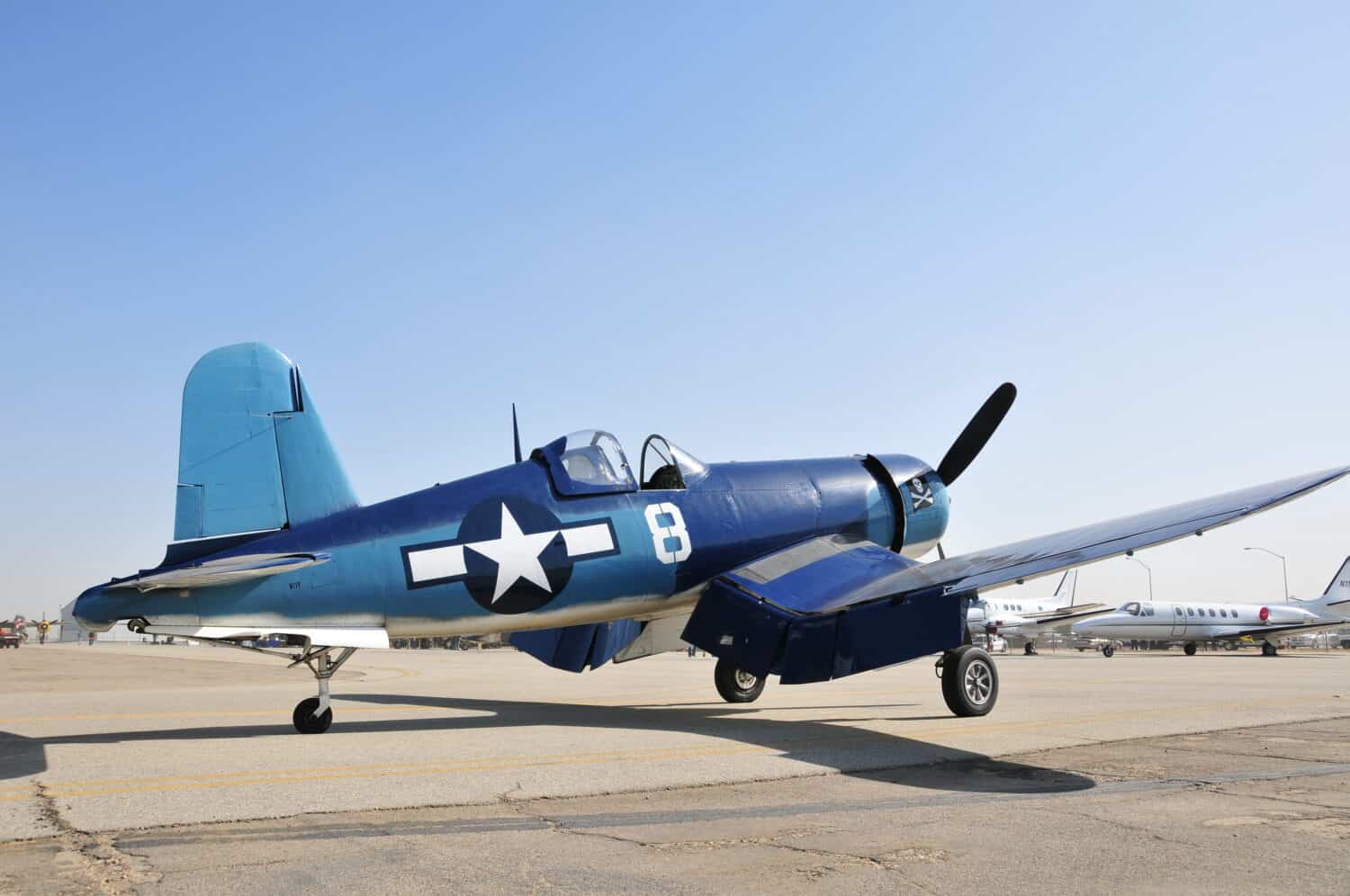
The battle for air superiority and naval power waged across the Pacific theater during World War II. Especially following the attack on Pearl Harbor, the United States’ Navy was forced to respond in a stunning display of power. According to Naval History and Heritage Command, the Navy’s aircraft fleet “faced the supreme test of war only 30 years after acquiring its first airplane and just 19 years after commissioning its first aircraft carrier.” Carrier-based aircraft proved to be an important part of this mission; these aircraft created mobile airfields that could project power across long oceanic distances. These planes required specialized design features to handle the demands of sea operation, and the pilots who mastered these aircraft also required new skillsets. Carrier-based aircraft were used in many capacities, including antisubmarine patrol and resulting antisubmarine warfare. (This iconic American warplane from WWII could reach 577 mph.)
Undoubtedly, the changes made during World War II had long-lasting effects on American carrier-based aircraft builds and naval strategy. These aircraft reinforced how imperative air power can be for naval defense and attack, and also contributed to improved radar technology. 24/7 Wall St. set out to find the most highly-produced carrier-based aircraft used by American forces during World War II. Drawing data from Military Factory‘s comprehensive naval aviation database, we’ve ranked these aircraft by total production numbers, from smallest to largest manufacturing runs. Each entry also includes performance specifications like top speed and the combat roles these aircraft fulfilled.
Why We’re Discussing WWII Naval Aircraft
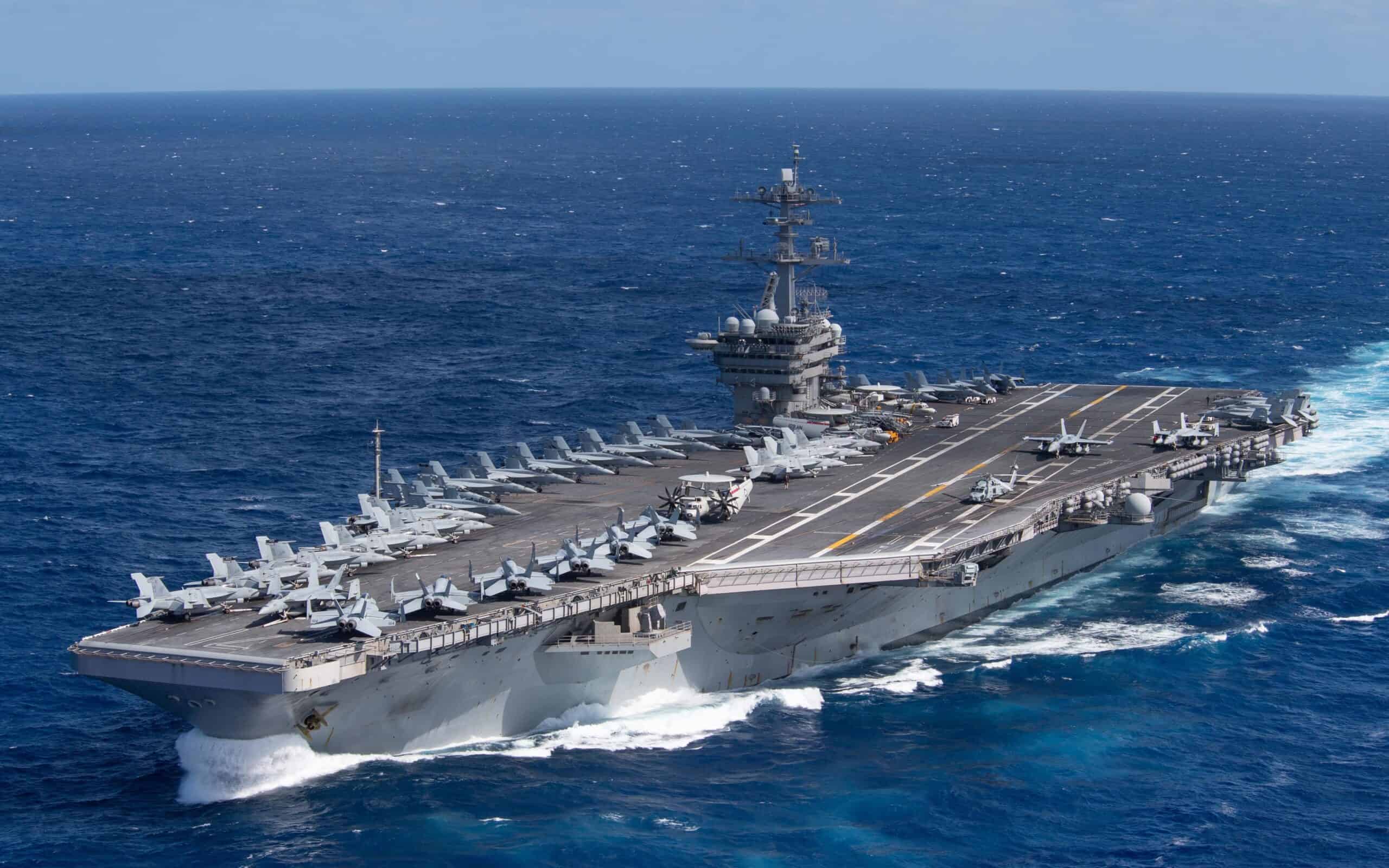
Land-based aircraft have many advantages. But when it comes to naval power, carrier-based aircraft are critical. There are some downsides to carrier-based aircraft, including higher costs, a more limited range based on fuel, and wear-and-tear from taking off and landing. Yet the benefits of these planes far outweight any disadvantages. Using aircraft carriers makes sense when managing potential threats or enemies that are far from land. Our world, especially recently, has been seeing increased rates of violence and countries encroaching on others’ land or resources. From these ever-shifting alliances come emerging threats to national security, particularly as President Trump’s comments have sparked conflict with countries ranging from Greenland to Ukraine. Carrier-based aircraft allow the United States to remain combat-ready, no matter what comes next.
These are the most produced carrier planes in WWII, ranked:
18. Ryan FR Fireball
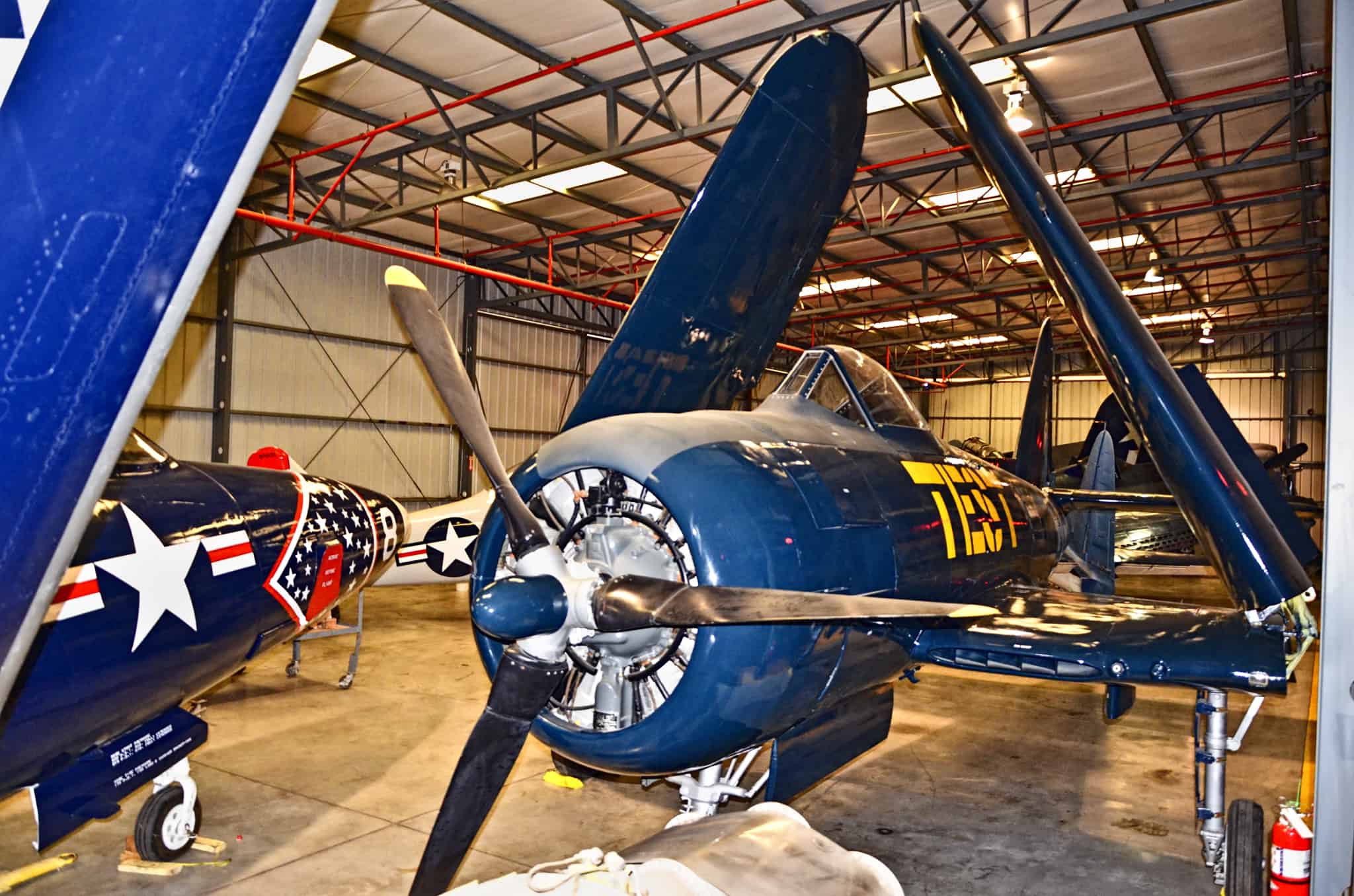
- Number produced: 66
- Type: Mixed-power fighter
- First year of service: 1945
- Top speed: 426 mph
- Use: Air-to-air combat
17. Douglas TBD Devastator
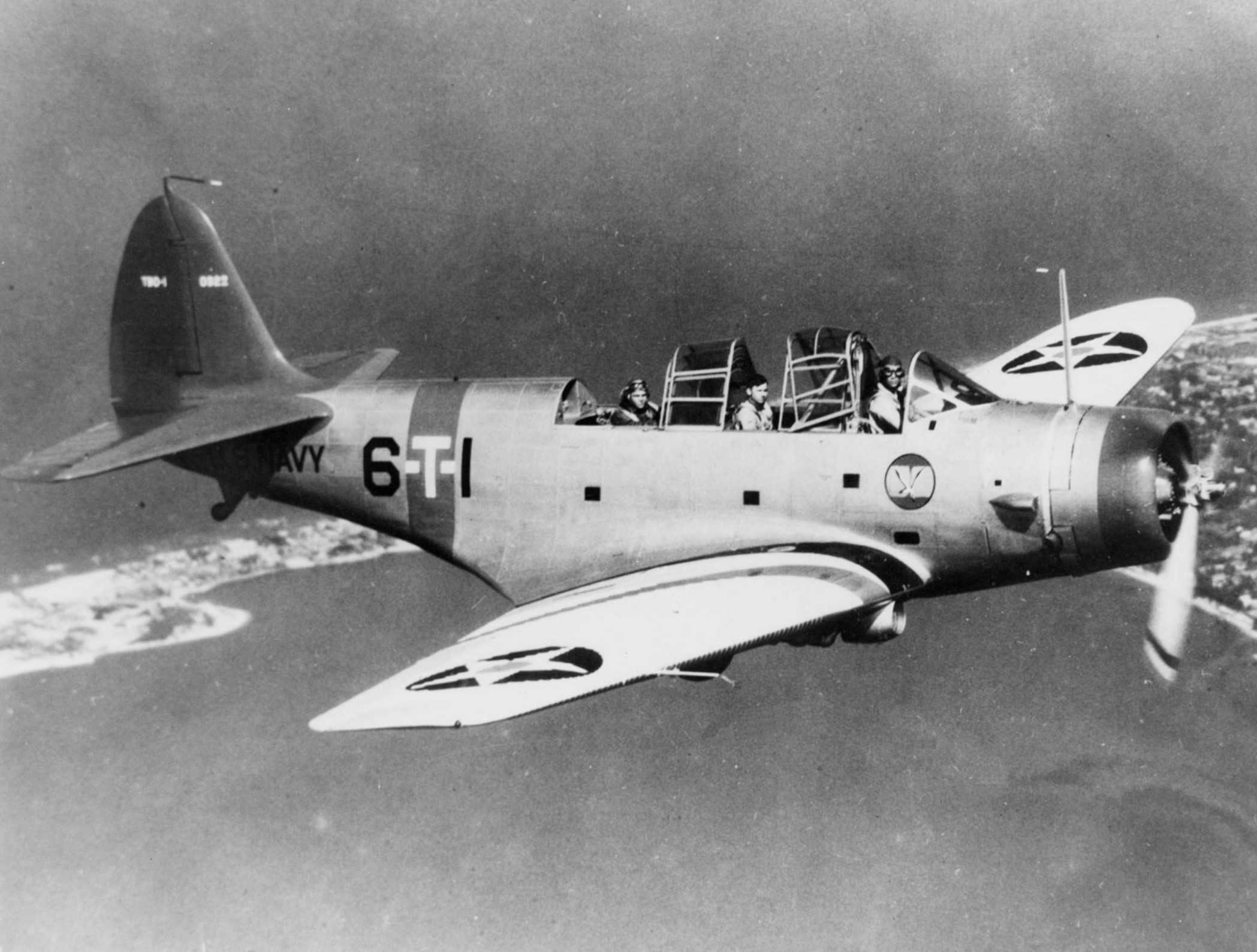
- Number produced: 130
- Type: Torpedo bomber
- First year of service: 1937
- Top speed: 206 mph
- Use: Ground attacks
16. Martin AM Mauler
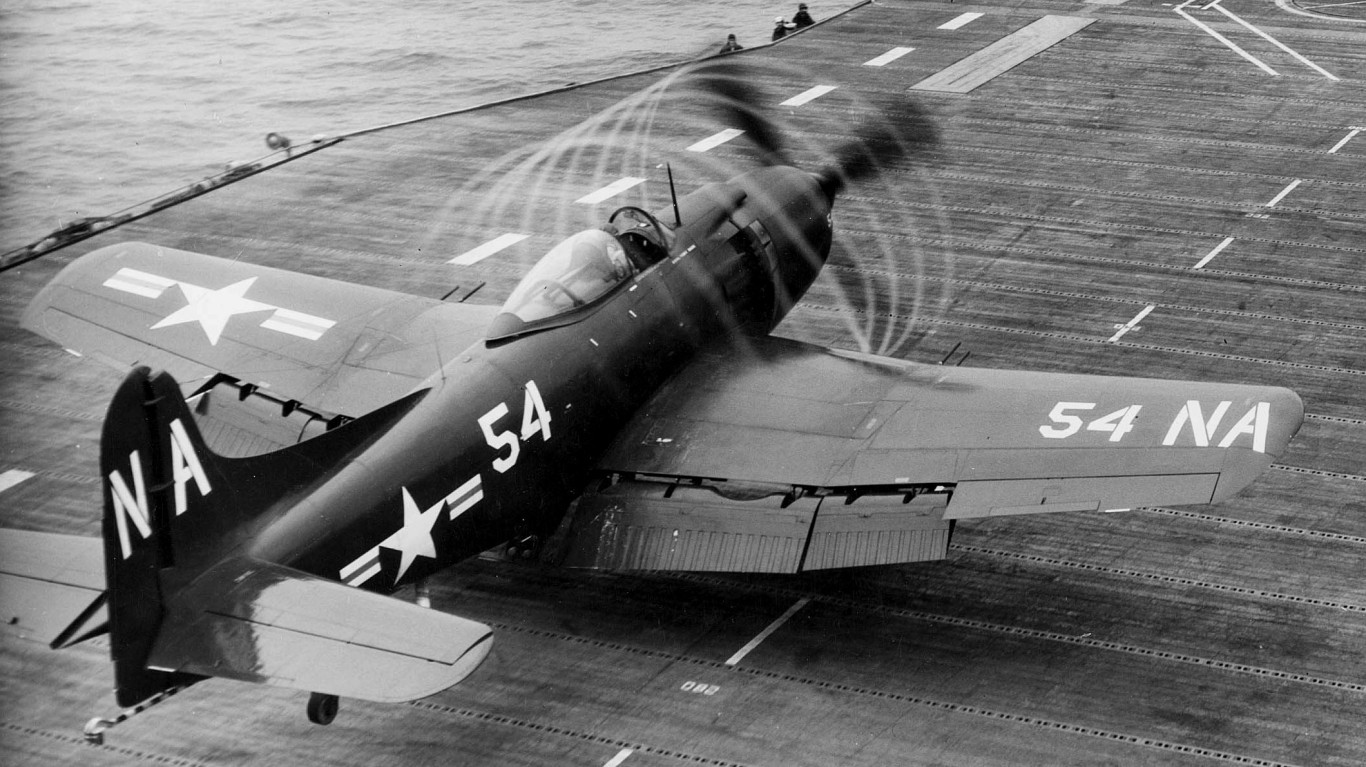
- Number produced: 151
- Type: Attack aircraft
- First year of service: 1948
- Top speed: 384 mph
- Use: Close-air support
15. Consolidated Vultee TBY Sea Wolf
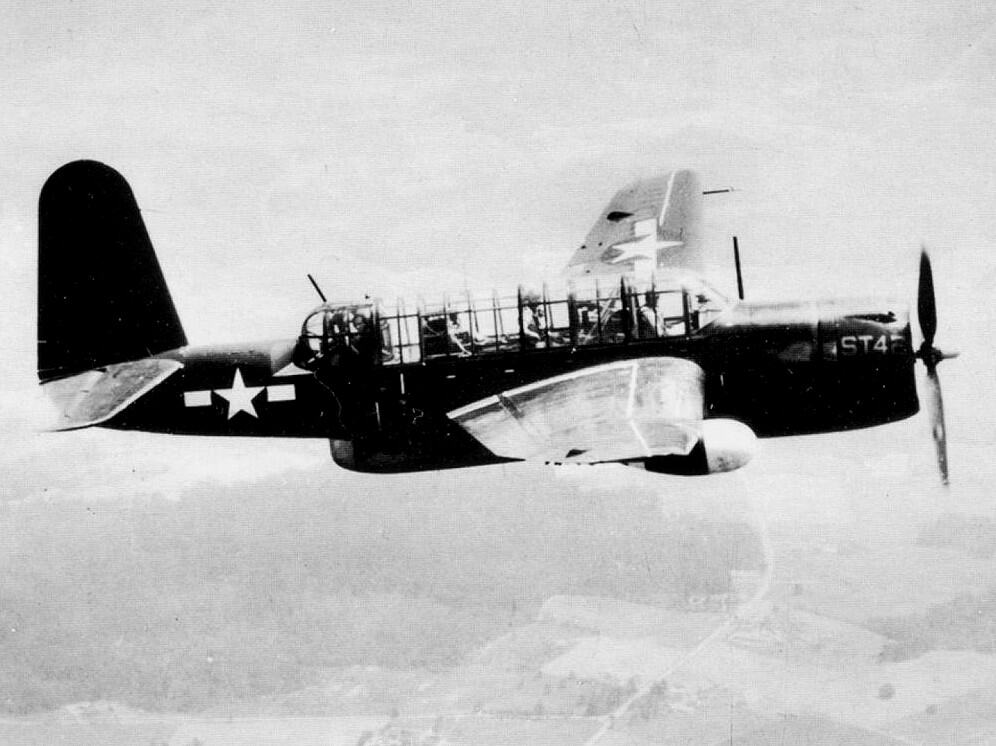
- Number produced: 180
- Type: Torpedo bomber
- First year of service: 1944
- Top speed: 306 mph
- Use: Ground attacks
14. Vought SB2U Vindicator
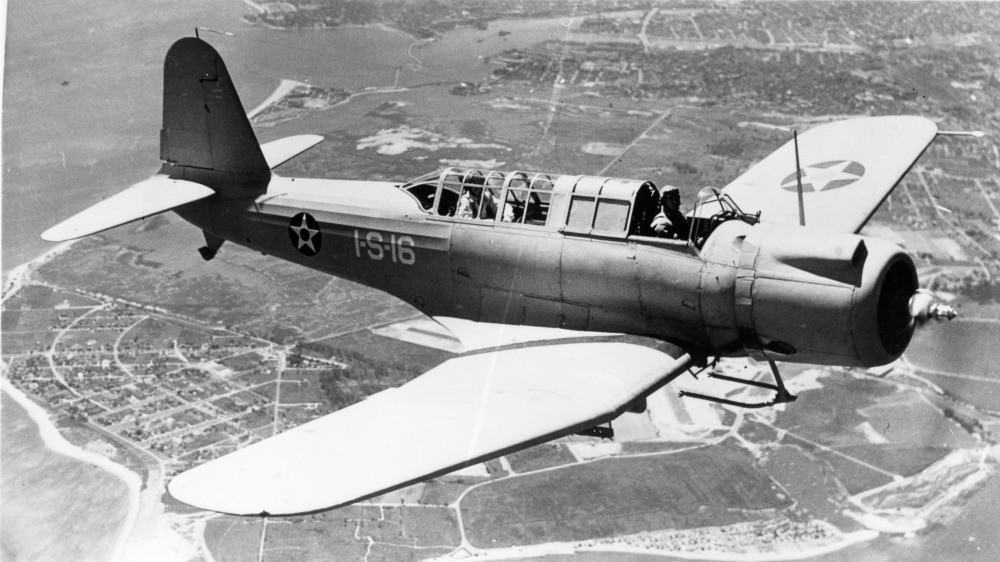
- Number produced: 260
- Type: Dive bomber
- First year of service: 1937
- Top speed: 251 mph
- Use: Ground attacks, anti-ship, training
13. Brewster F2A (Buffalo)
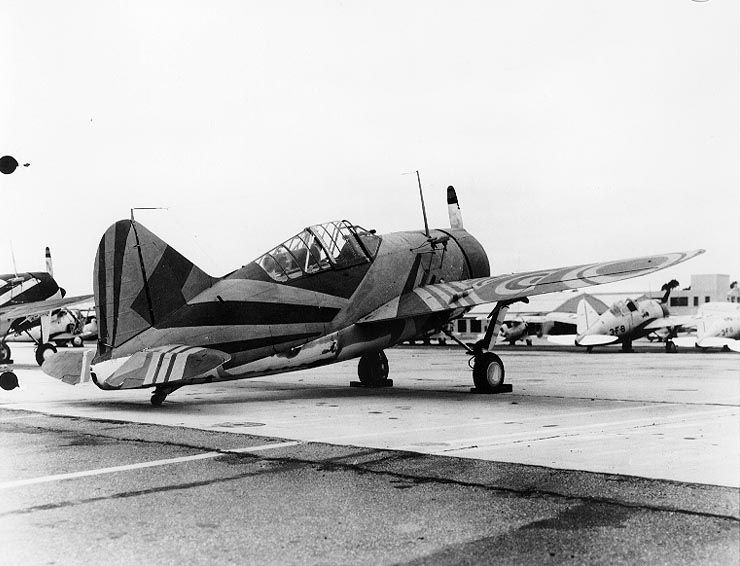
- Number produced: 509
- Type: Single-engine monoplane fighter
- First year of service: 1939
- Top speed: 321 mph
- Use: Air-to-air combat
12. Brewster F3A (F4U-1) Corsair

- Number produced: 600
- Type: Single-engine fighter
- First year of service: 1943
- Top speed: 416 mph
- Use: Air-to-air combat, interception, ground attacks, surveillance, air support
11. Consolidated PB4Y-2 Privateer
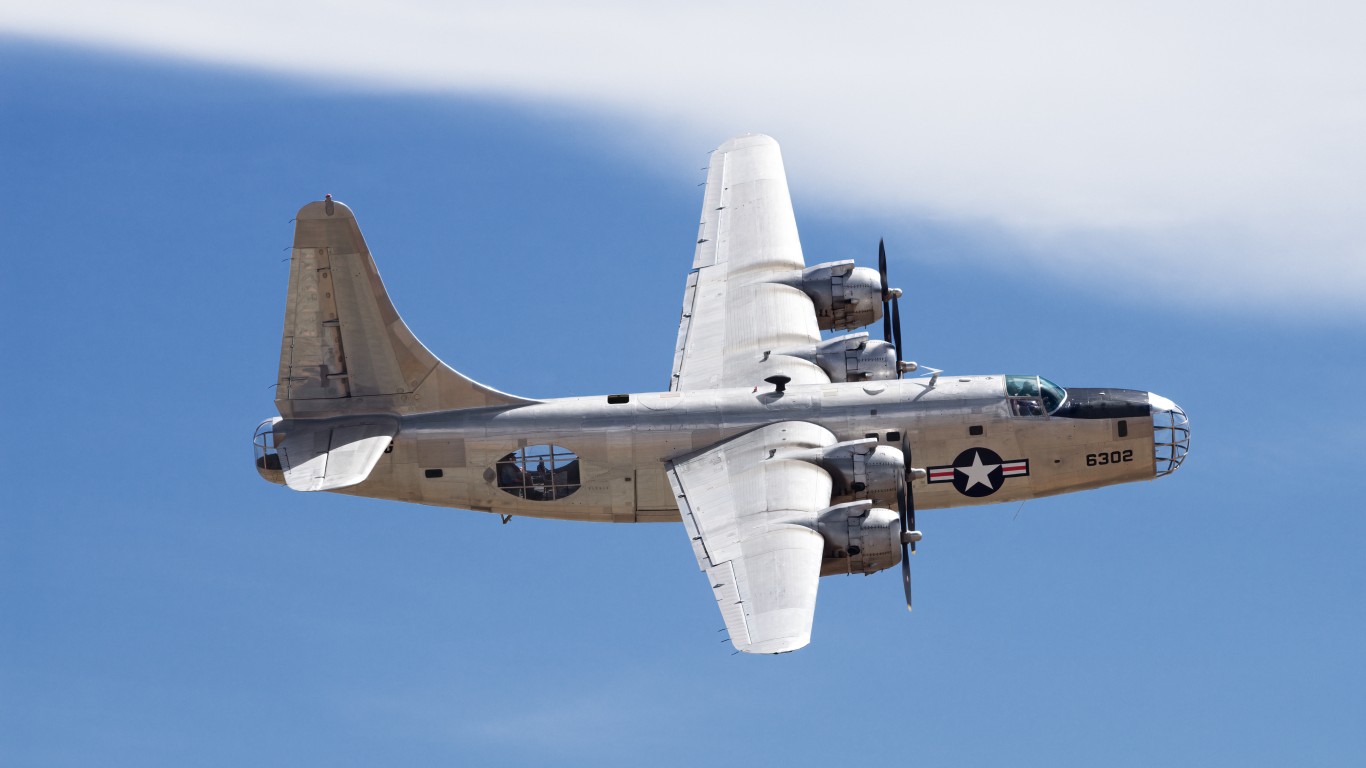
- Number produced: 739
- Type: Long-range maritime reconnaissance aircraft
- First year of service: 1943
- Top speed: 300 mph
- Use: Ground attack, anti-submarine, anti-ship, search and rescue, surveillance
10. Brewster SB2A Buccaneer
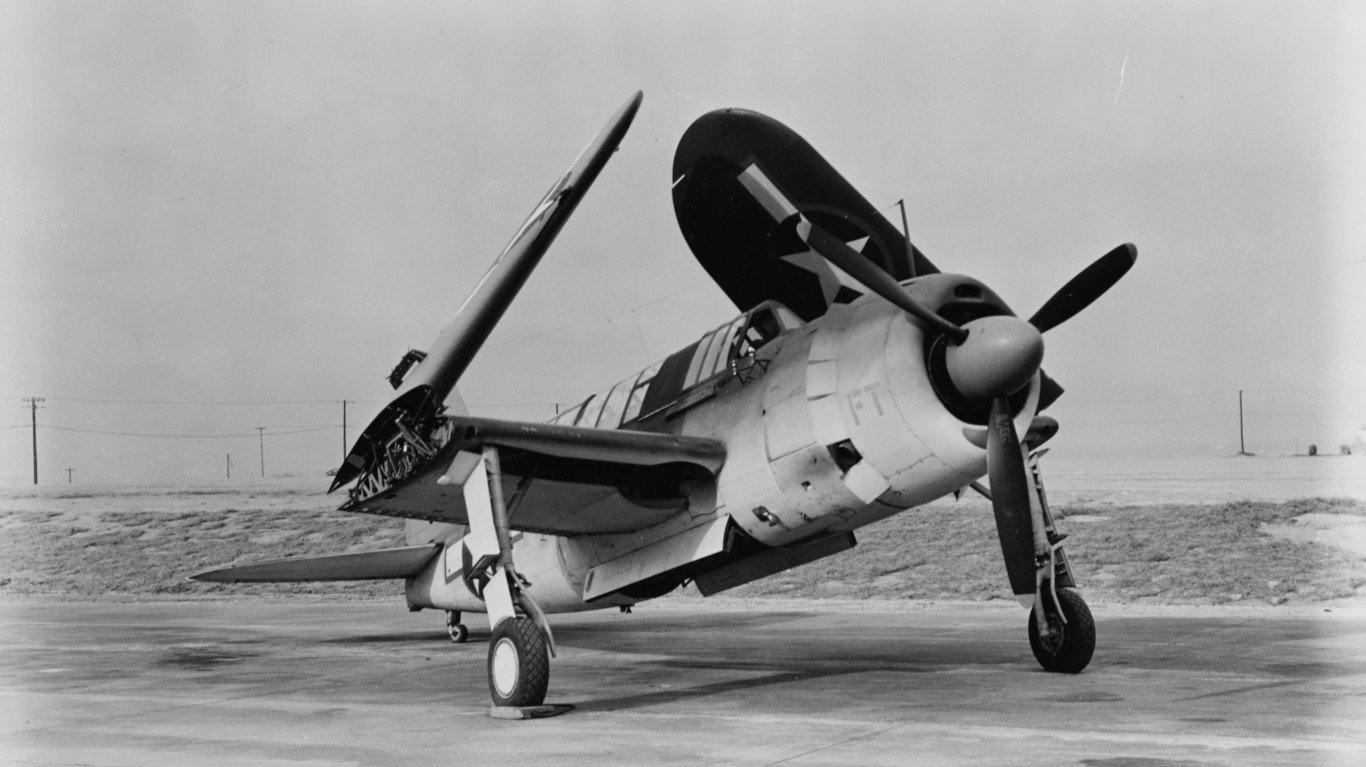
- Number produced: 771
- Type: Scout bomber
- First year of service: 1941
- Top speed: 273 mph
- Use: Ground attacks, intelligence-surveillance-reconnaissance
9. Grumman F8F Bearcat
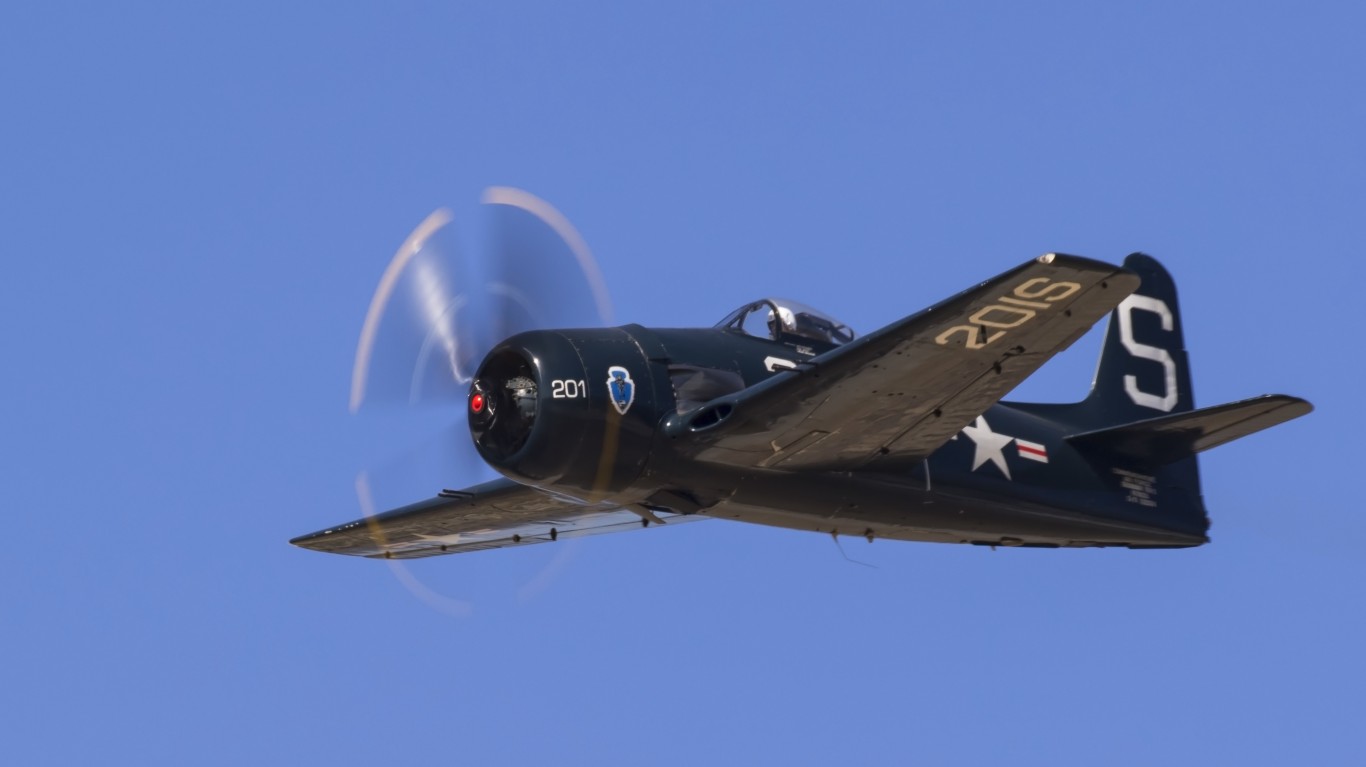
- Number produced: 1,266
- Type: Fighter/interceptor
- First year of service: 1945
- Top speed: 421 mph
- Use: Air-to-air combat, interception
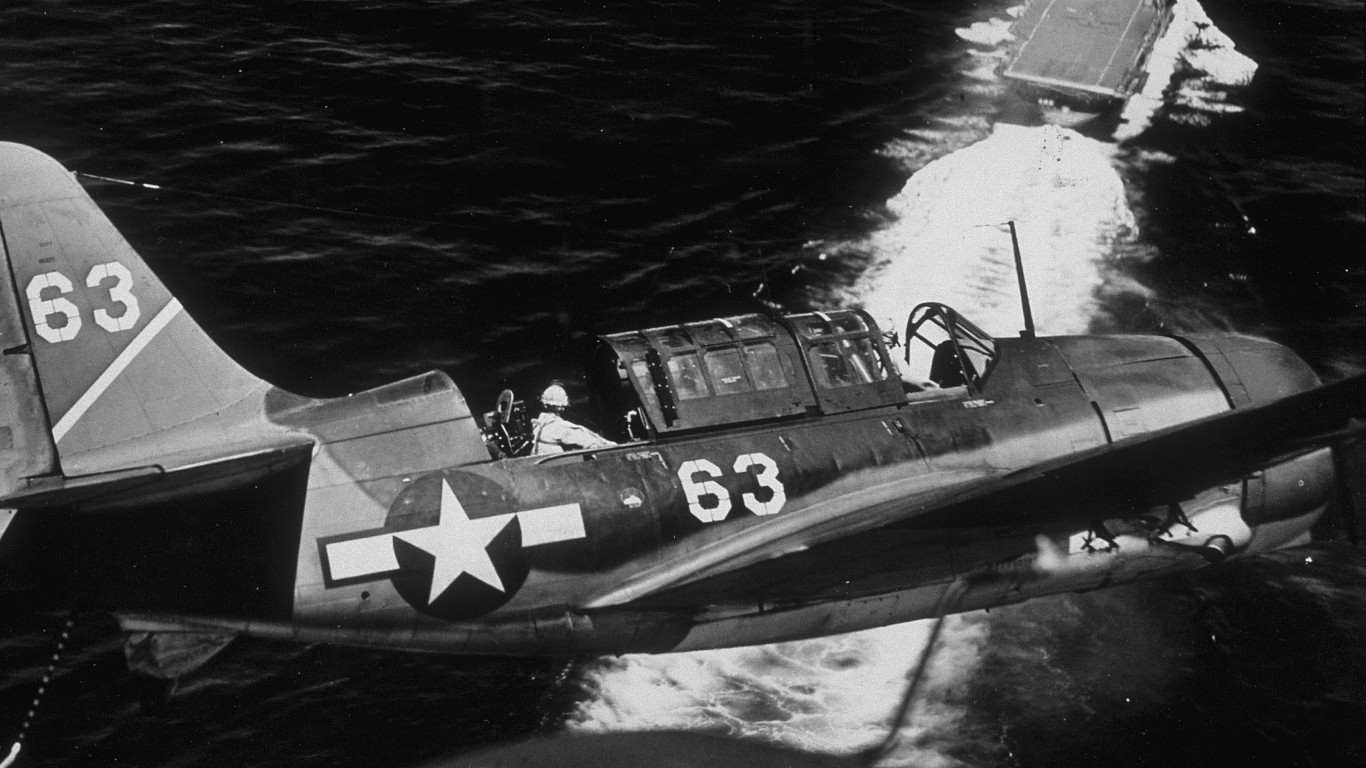
8. Douglas SBD Dauntless

- Number produced: 5,936
- Type: Dive bomber
- First year of service: 1938
- Top speed: 255 mph
- Use: Ground attacks, anti-ship
7. Curtiss SB2C Helldiver
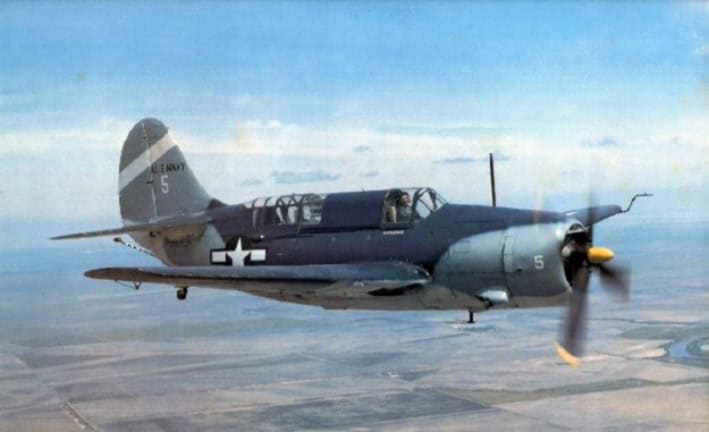
- Number produced: 7,140 (257 of the Curtis SBC Helldiver were also produced at this time)
- Type: Dive bomber/reconnaissance aircraft
- First year of service: 1943 (five years after the original SBC Helldiver in 1938)
- Top speed: 260 mph (23 mph faster than the original SBC Helldiver)
- Use: Ground attacks, anti-ship, surveillance
6. Grumman F4F Wildcat
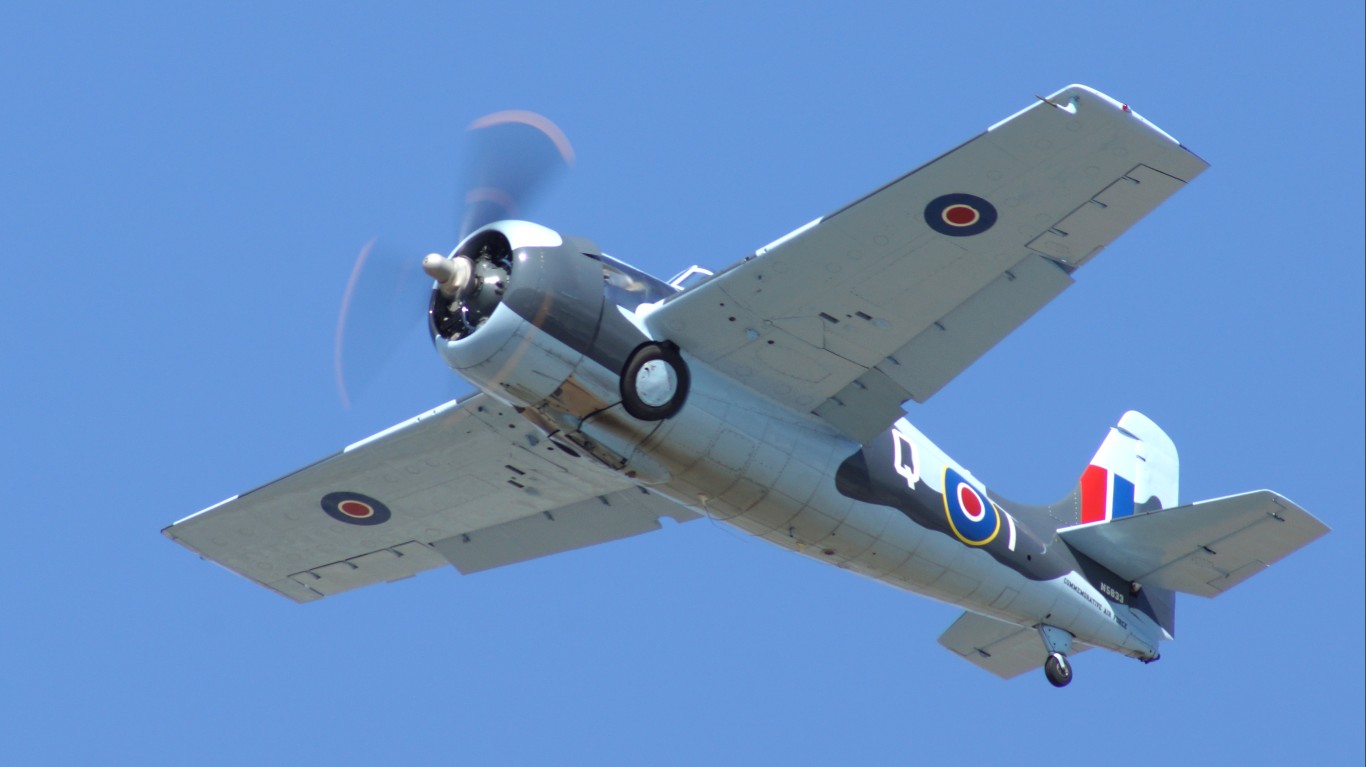
- Number produced: 7,722
- Type: single-seat, single-engine monoplane fighter
- First year of service: 1940
- Top speed: 332 mph
- Use: Air-to-air combat, ground attacks
5. de Havilland DH.98 Mosquito
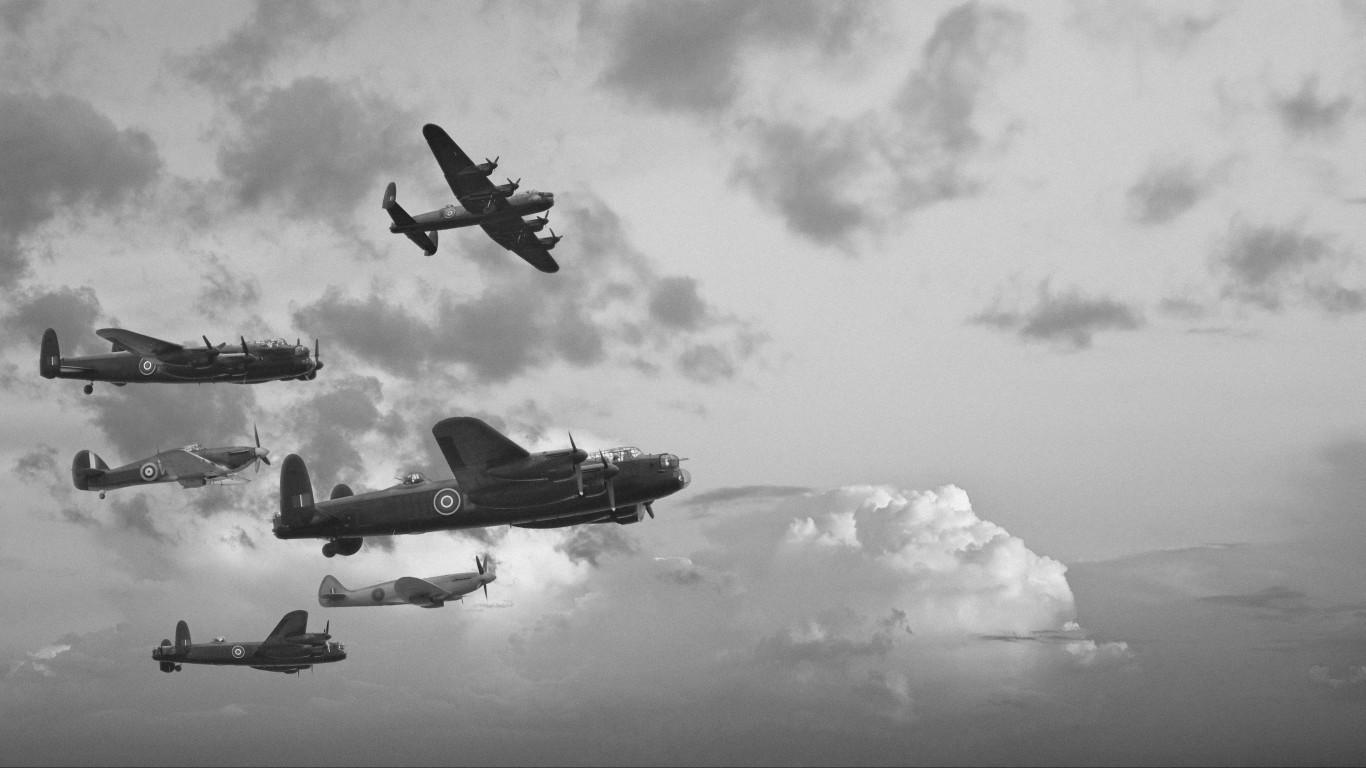
- Number produced: 7,781
- Type: multirole heavy fighter
- First year of service: 1942
- Top speed: 407 mph
- Use: Air-to-air combat, interception, ground attacks, close-air support, anti-submarine, training
4. North American B-25 Mitchell
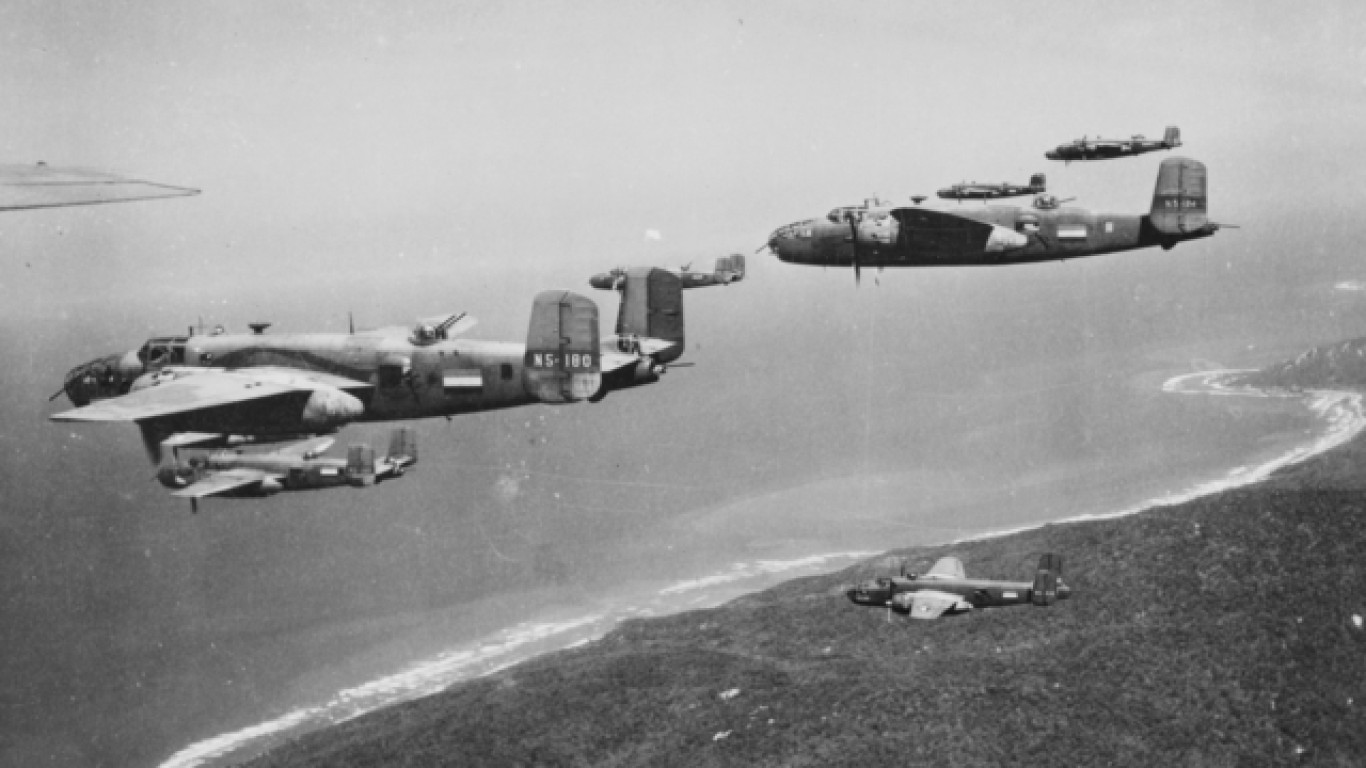
- Number produced: 9,816
- Type: twin-engine medium bomber
- First year of service: 1941
- Top speed: 272 mph
- Use: Ground attacks, air support, anti-submarine, anti-ship, transport, VIP service, training, intelligence
3. Grumman TBF Avenger

- Number produced: 9,835
- Type: torpedo bomber
- First year of service: 1942
- Top speed: 271 mph
- Use: Ground attacks, anti-submarine, electronic warfare, surveillance, airborne early warning
2. Grumman F6F Hellcat
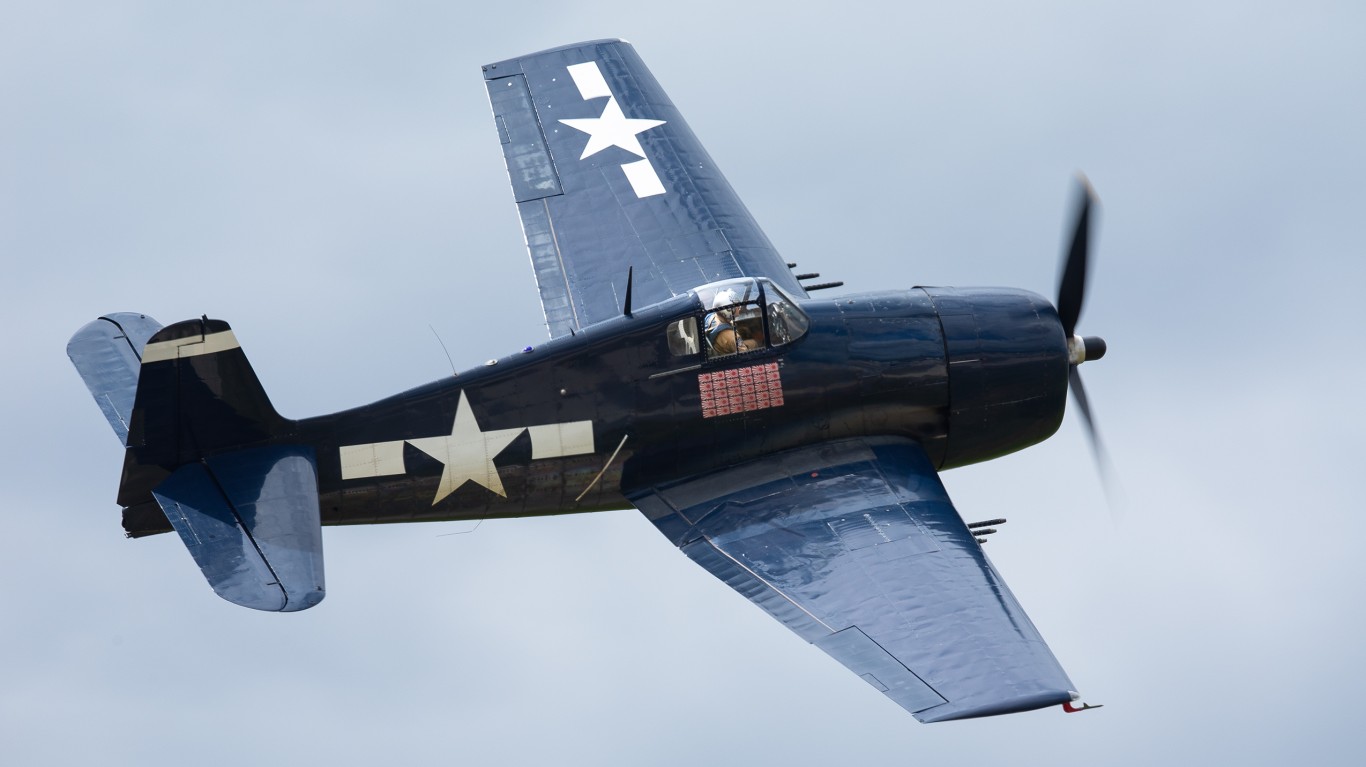
- Number produced: 12,272
- Type: fighter-bomber
- First year of service: 1943
- Top speed: 380 mph
- Use: Close air support, air-to-air combat, interception, ground attacks
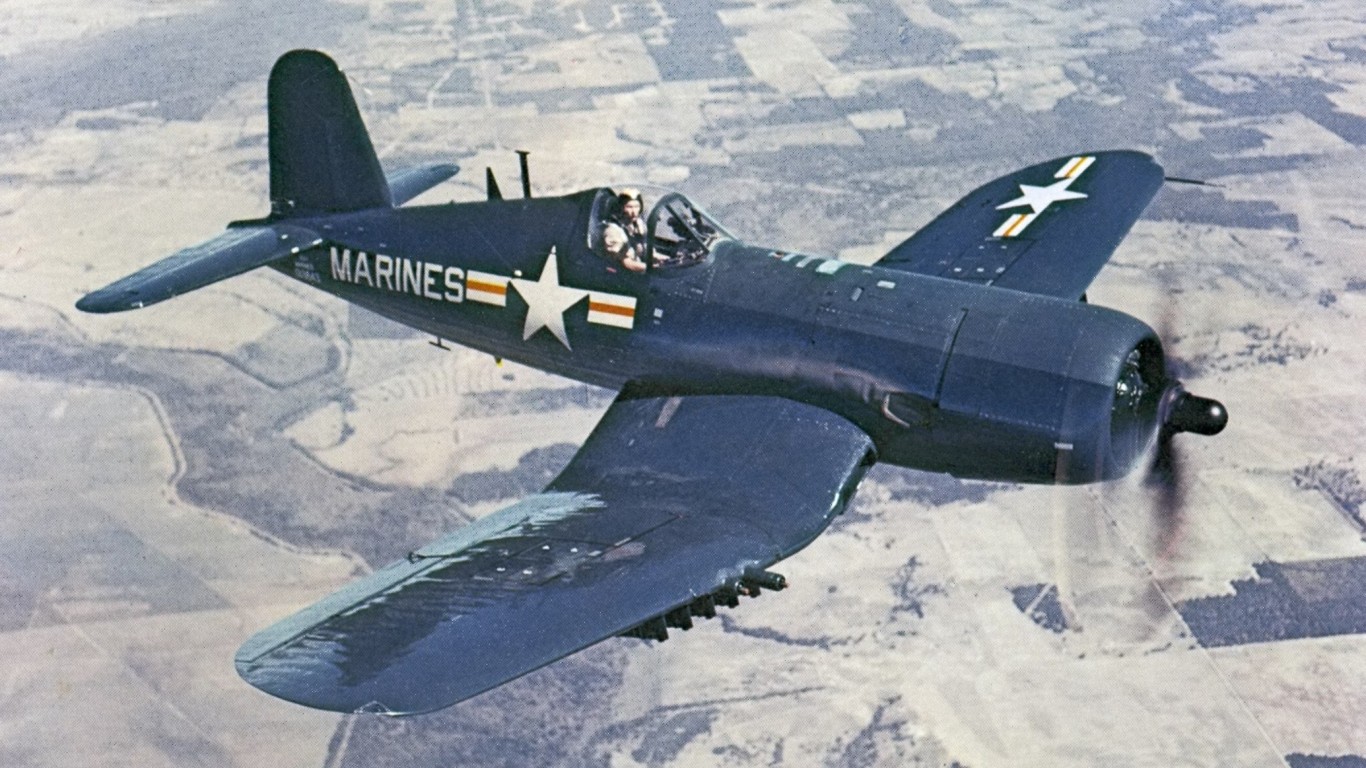
1. Vought F4U Corsair
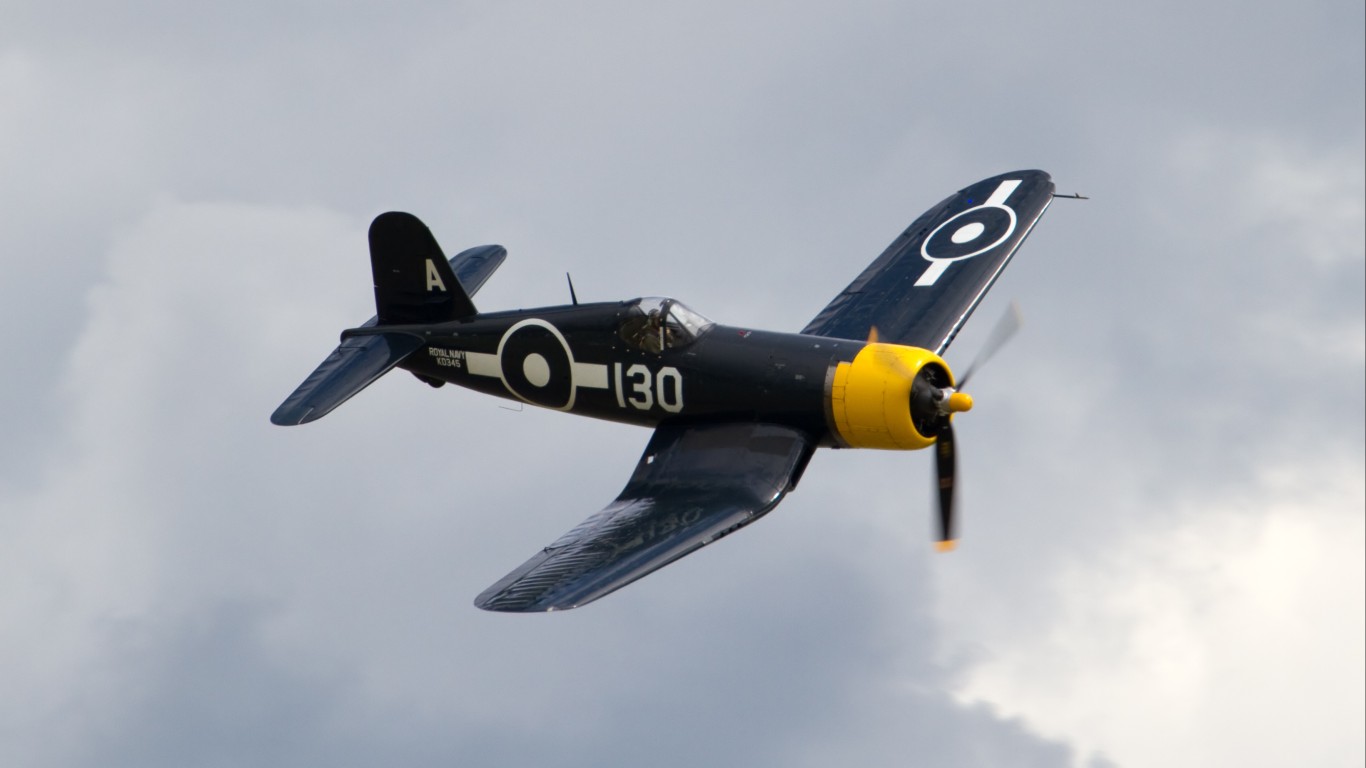
- Number produced: 12,571
- Type: fighter-bomber
- First year of service: 1942
- Top speed: 446 mph
- Use: Air-to-air combat, interception, ground attacks, close air support, surveillance






 Top Gaining Stocks
 Top Losing Stocks