


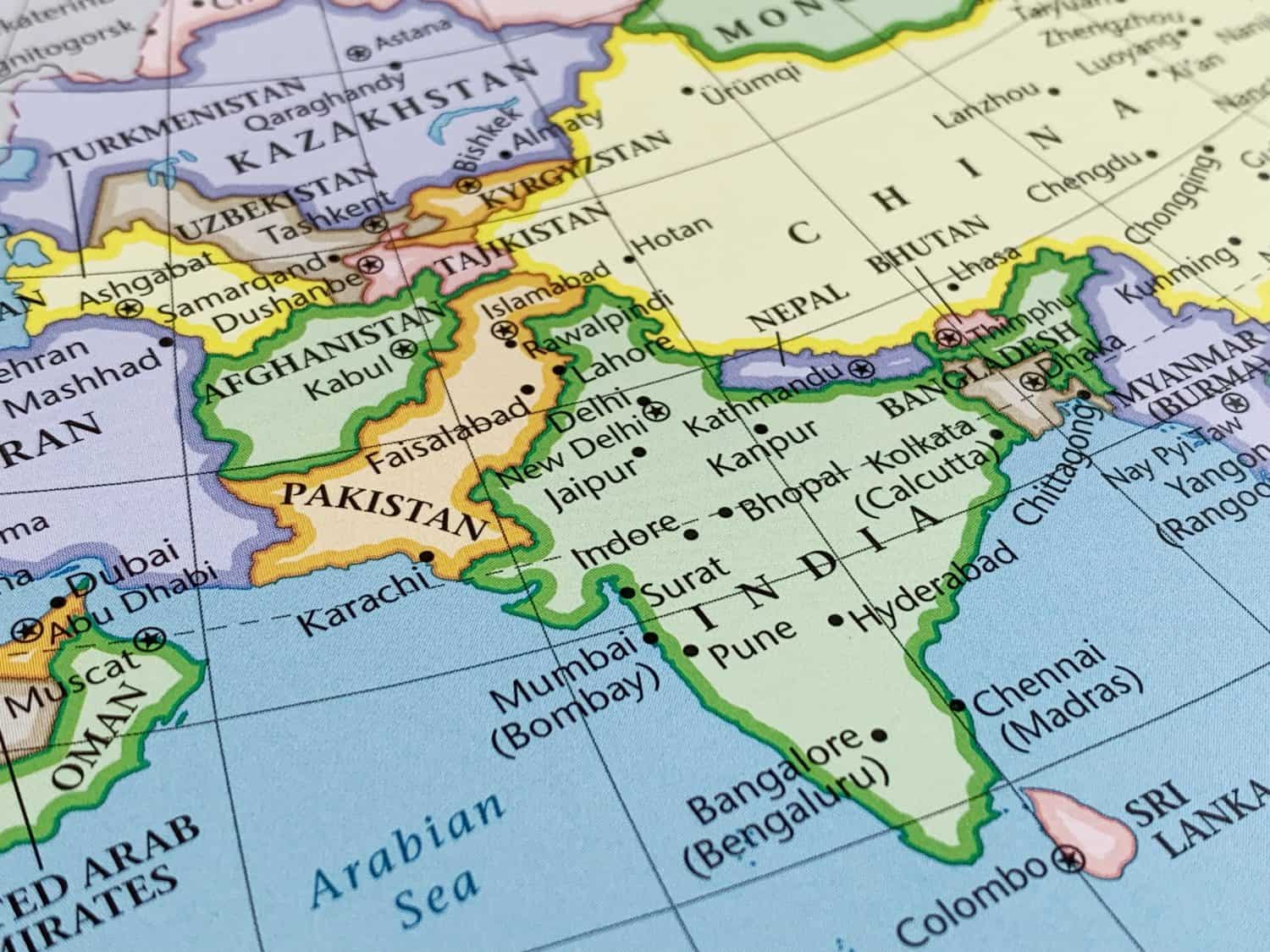
Recent tourist killings have sparked a conflict between two major military powers in the Indian subcontinent of Asia. India and Pakistan have come to blows yet again, but this time the stakes are higher than ever before. Both of these nations have nuclear capabilities with the potential to do unchecked damage.
These two nations have a long history of territorial disputes over Kashmir but for the most part these have been largely isolated to that region. The question remains after these most recent attacks how this conflict will evolve or will these two nations find peace. Here, 24/7 Wall St. is taking a closer look at how India and Pakistan stack up if this conflict should continue.
To compare India and Pakistan, 24/7 Wall St. reviewed the 2025 Military Strength Ranking from Global Firepower, an annually updated defense-related statistics website with information on 145 countries. Global Firepower ranked 145 countries based on their PowerIndex, a composite of over 60 measures in categories such as military might, financials, logistical capability, and geography. The smaller the PowerIndex value the more powerful a nation’s theoretical conventional fighting capability is. We included multiple factors in the comparison across different fields ranging from economics, land power, air power, and naval power, as well as a few others to give a full picture to how these countries measure up.
Here is a look at how India and Pakistan compare on these fronts:
Why Are We Covering This?

In this rapidly evolving world, the comparison of military power between countries serves as a measure of global stability. This analysis is important not just for understanding each nation’s defense capabilities, but also should an offensive conflict arise. While superpowers like the United States, China, and Russia dominate headlines with their military resources, other nations also play important roles in regional security dynamics and geopolitical relations. This analysis seeks to understand these countries from a base level of assets, resources, manpower, and economics.
India Financials

- Purchasing power parity: $13,104,000,000,000
- Foreign exchange reserves and gold: $627,793,000,000
- Defense budget: $75,000,000,000 – #4 out of 145
- External debt: 371,020,500,000
Pakistan Financials
- Purchasing power parity: $1,347,000,000,000
- Foreign exchange reserves and gold: $13,730,000,000
- Defense budget: $7,640,000,000 – #38 out of 145
- External debt: 92,426,000,000
India Population

- Total population: 1,409,128,296
- Population reaching military age: 23,955,181
- Population fit-for-service: 522,786,598
Pakistan Population
- Total population: 252,363,571
- Population reaching military age: 4,794,908
- Population fit-for-service: 85,803,614
India Manpower
- Active personnel: 1,455,550
- Air Force personnel: 310,575
- Army personnel: 2,197,117
- Navy personnel: 142,252
- Reserve personnel: 1,155,000
- Paramilitary forces: 2,527,000
- Total military personnel: 5,137,550
Pakistan Manpower
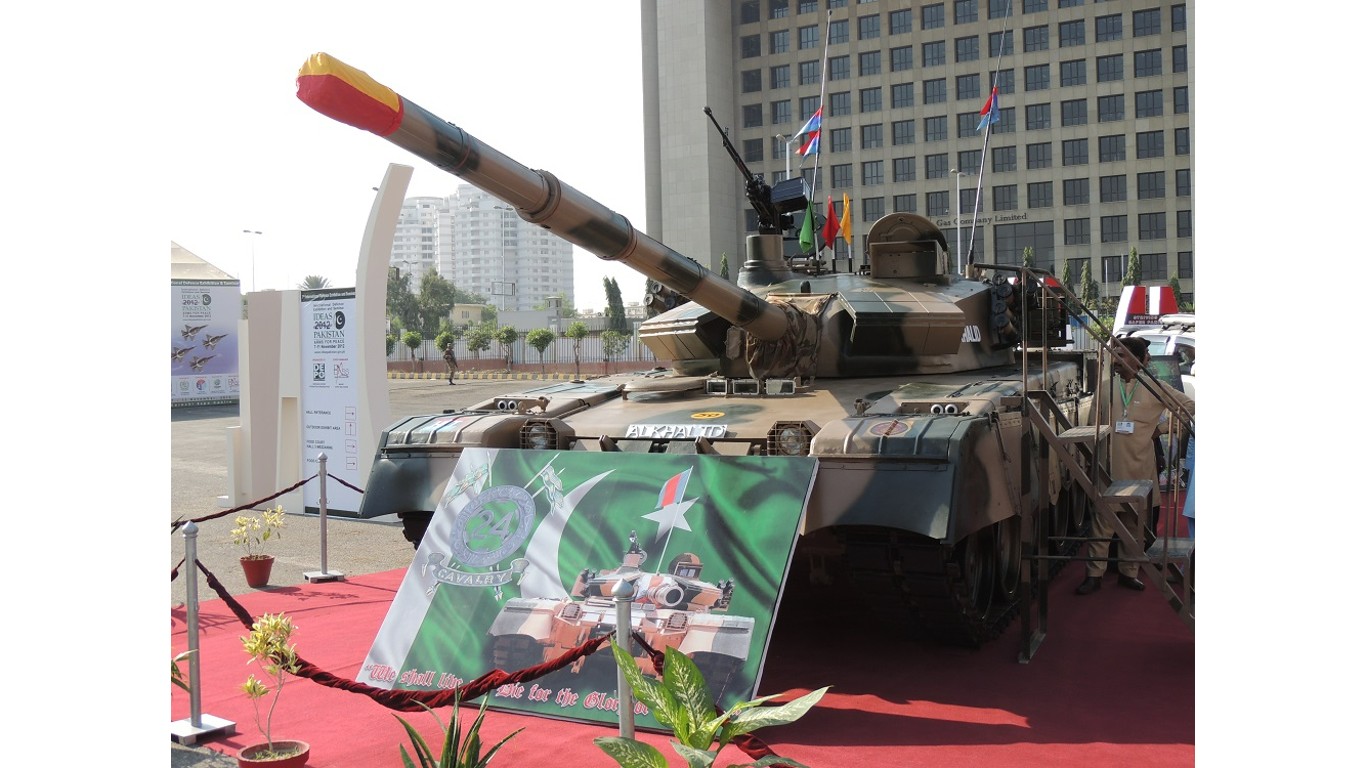
- Active personnel: 654,000
- Air Force personnel: 78,128
- Army personnel: 1,311,500
- Navy personnel: 124,800
- Reserve personnel: 550,000
- Paramilitary forces: 500,000
- Total military personnel: 1,704,000
India Air Power
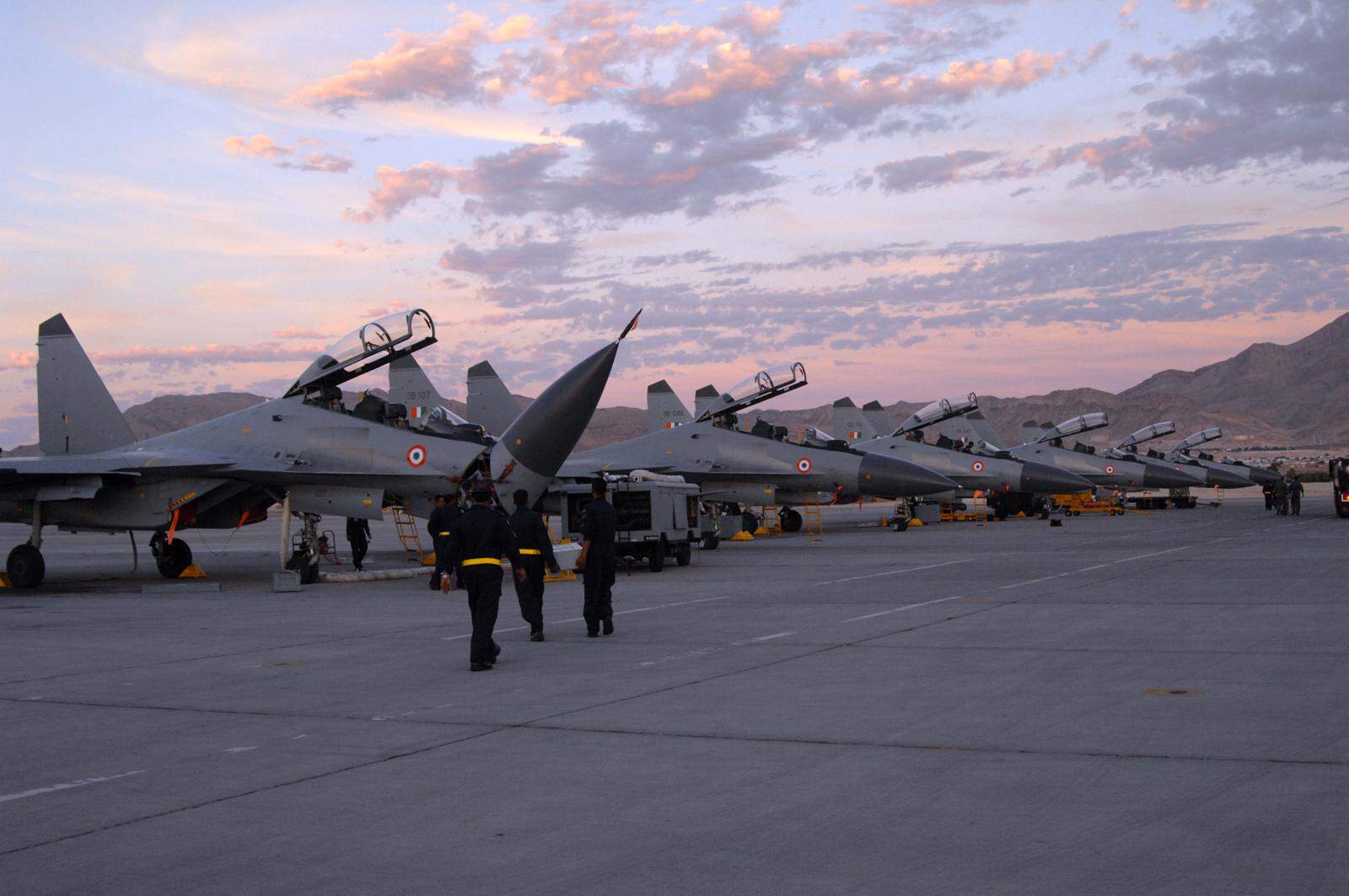
- Total aircraft: 2,229
- Fighter aircraft: 513
- Attack aircraft: 130
- Transport aircraft: 270
- Special-mission aircraft: 74
- Tanker aircraft: 6
- Trainer aircraft: 351
- Helicopters: 899
- Attack helicopters: 80
Pakistan Air Power
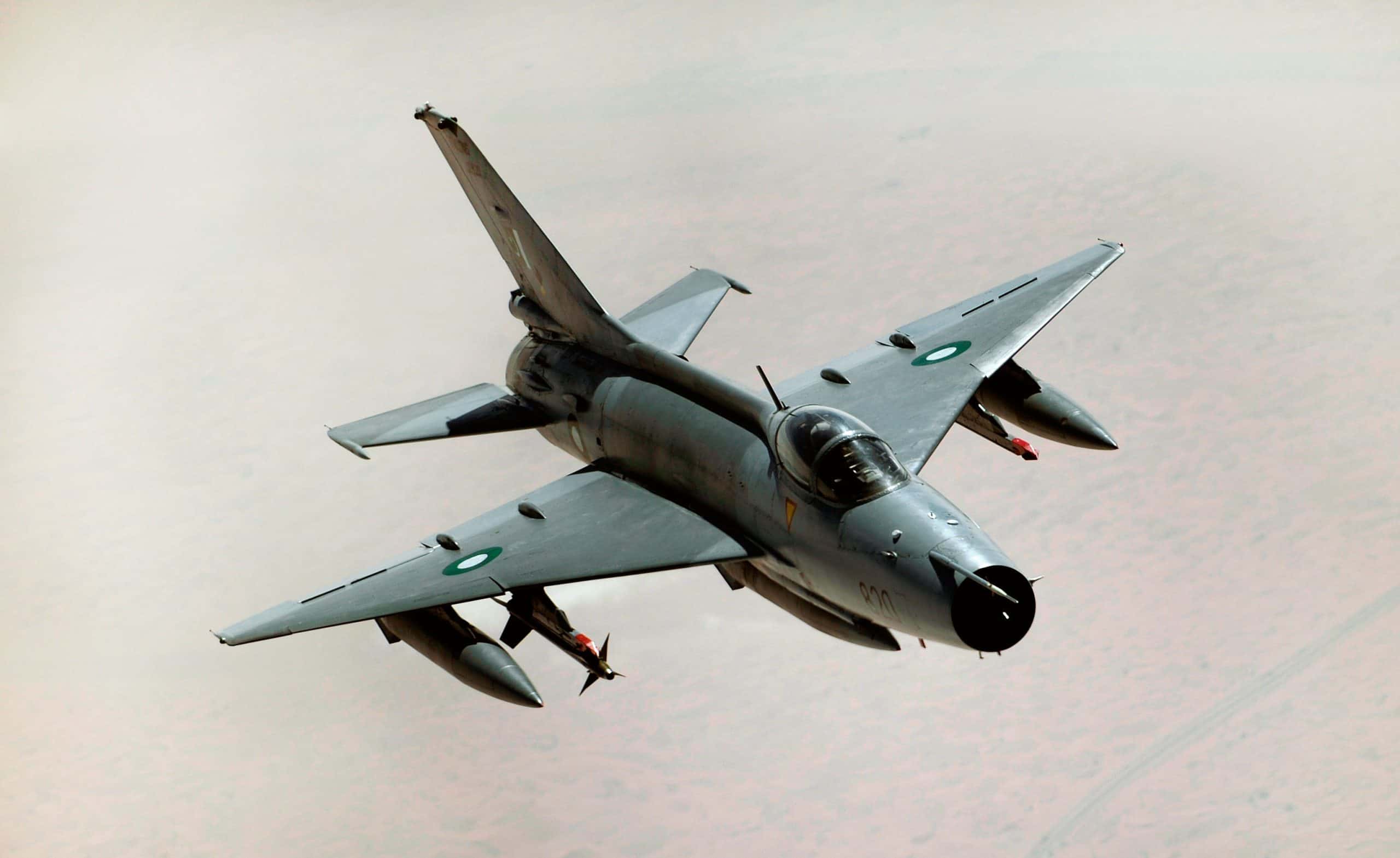
- Total aircraft: 1,399
- Fighter aircraft: 328
- Attack aircraft: 90
- Transport aircraft: 64
- Special-mission aircraft: 27
- Tanker aircraft: 4
- Trainer aircraft: 565
- Helicopters: 373
- Attack helicopters: 57
India Land Forces
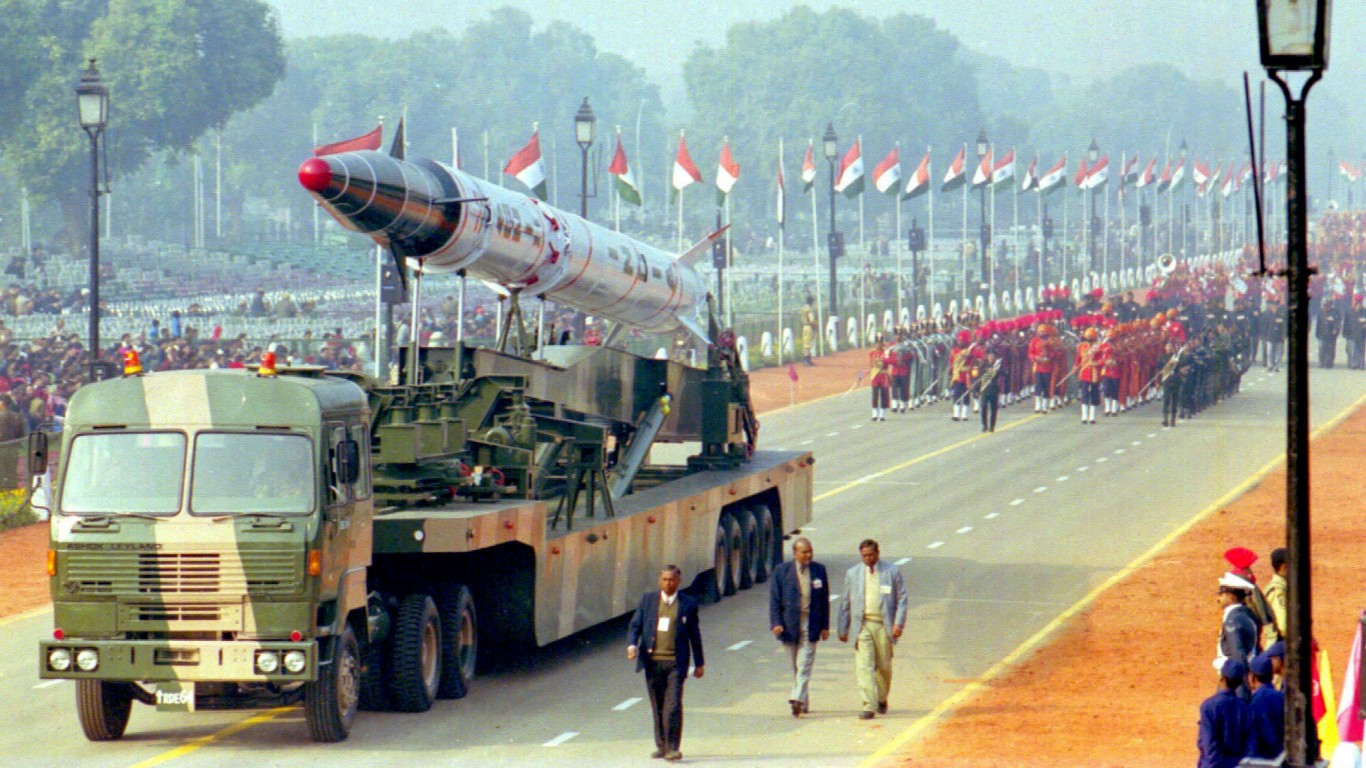
- Total military vehicles: 148,594
- Tanks: 4,201
- Multiple Launch Rocket Systems (MLRS): 264
- Self-propelled artillery: 100
- Towed artillery: 3,975
- Total artillery: 4,075
Pakistan Land Forces

- Total military vehicles: 17,516
- Tanks: 2,627
- Multiple Launch Rocket Systems (MLRS): 600
- Self-propelled artillery: 662
- Towed artillery: 2,629
- Total artillery: 3,291
India Naval Forces
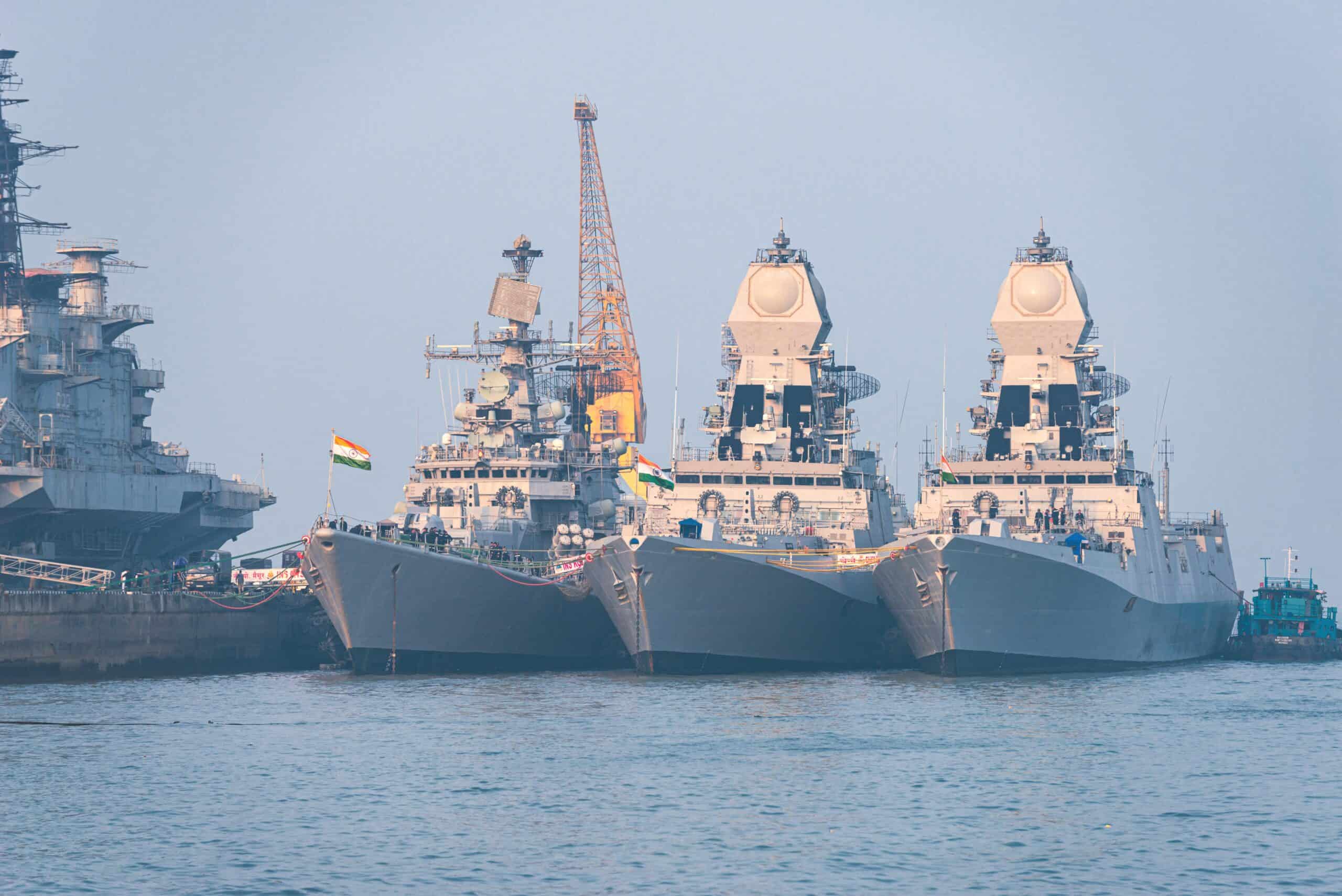
- Total naval assets: 293
- Total naval tonnage: 593,603
- Aircraft carriers: 2
- Helicopter carriers: 0
- Destroyers: 13
- Frigates: 14
- Corvettes: 18
- Submarines: 18
- Off-shore patrol vessels: 135
- Mine warfare vessels: 0
Pakistan Naval Forces
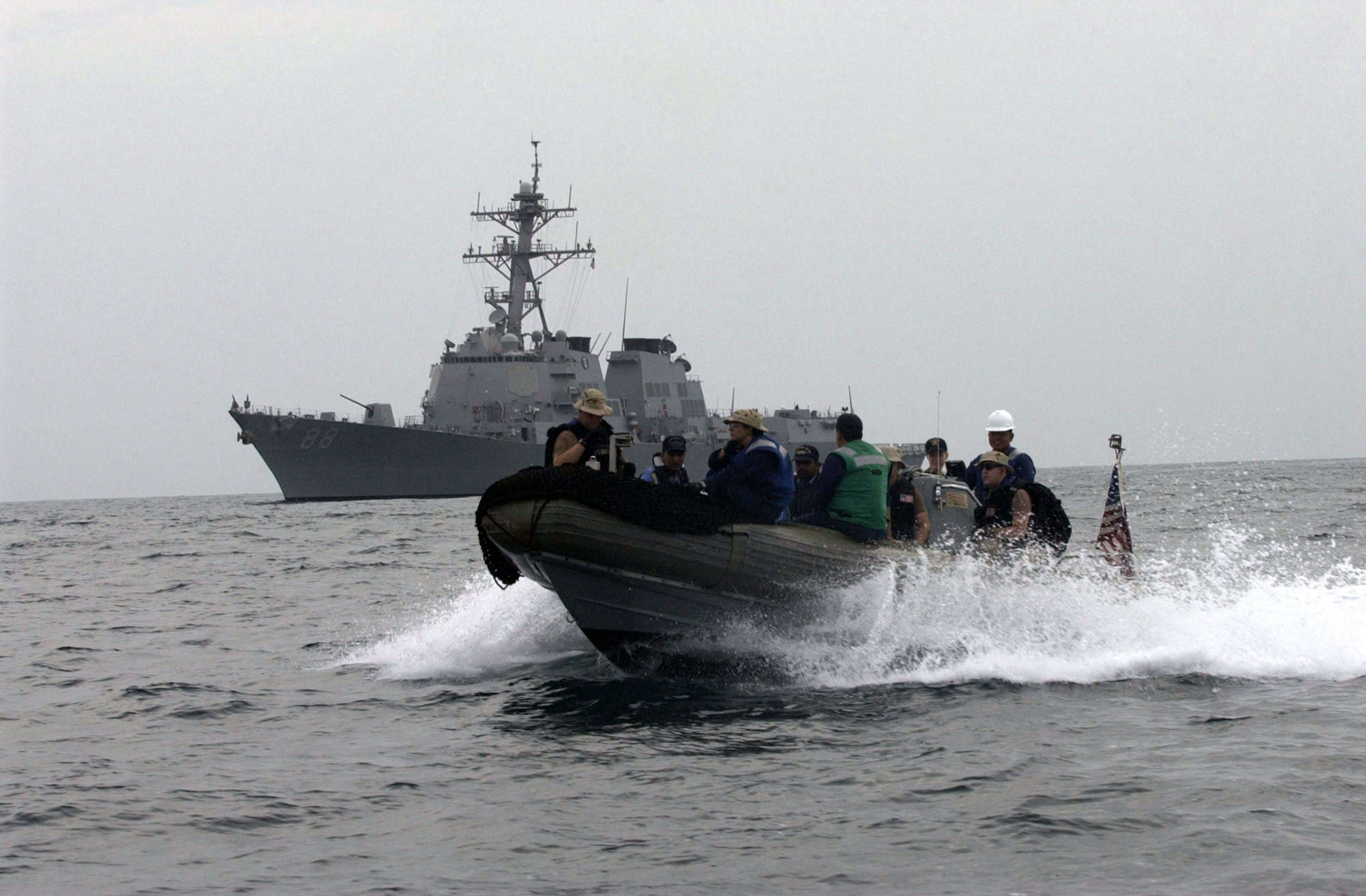
- Total naval assets: 121
- Total naval tonnage: 111,715
- Aircraft carriers: 0
- Helicopter carriers: 0
- Destroyers: 0
- Frigates: 9
- Corvettes: 9
- Submarines: 8
- Off-shore patrol vessels: 69
- Mine warfare vessels: 3
India Natural Resources
- Oil production: 795,000 BBL / day
- Oil proven reserves: 4,605,000,000 BBL / day
- Natural gas production: 33,170,000,000 cubic meters
- Natural gas proven reserves: 1,381,000,000,000 cubic meters
- Coal production: 985,671,000 metric tons
- Coal proven reserves: 111,052,000,000 metric tons
Pakistan Natural Resources
- Oil production: 101,000 BBL / day
- Oil proven reserves: 540,000,000 BBL / day
- Natural gas production: 36,937,000,000 cubic meters
- Natural gas proven reserves: 592,219,000,000 cubic meters
- Coal production: 12,712,000 metric tons
- Coal proven reserves: 3,064,000,000 metric tons
India Logistics

- Labor force: 593,729,000
- Merchant Marine fleet: 1,859
- Ports: 56
- Airports: 311
- Roadway coverage: 6,371,847 km
- Railway coverage: 65,554 km
- Waterway coverage: 14,500 km
Pakistan Logistics

- Labor force: 80,990,000
- Merchant Marine fleet: 60
- Ports: 3
- Airports: 116
- Roadway coverage: 264,175 km
- Railway coverage: 11,881 km
- Waterway coverage: 0 km
India Military Strength
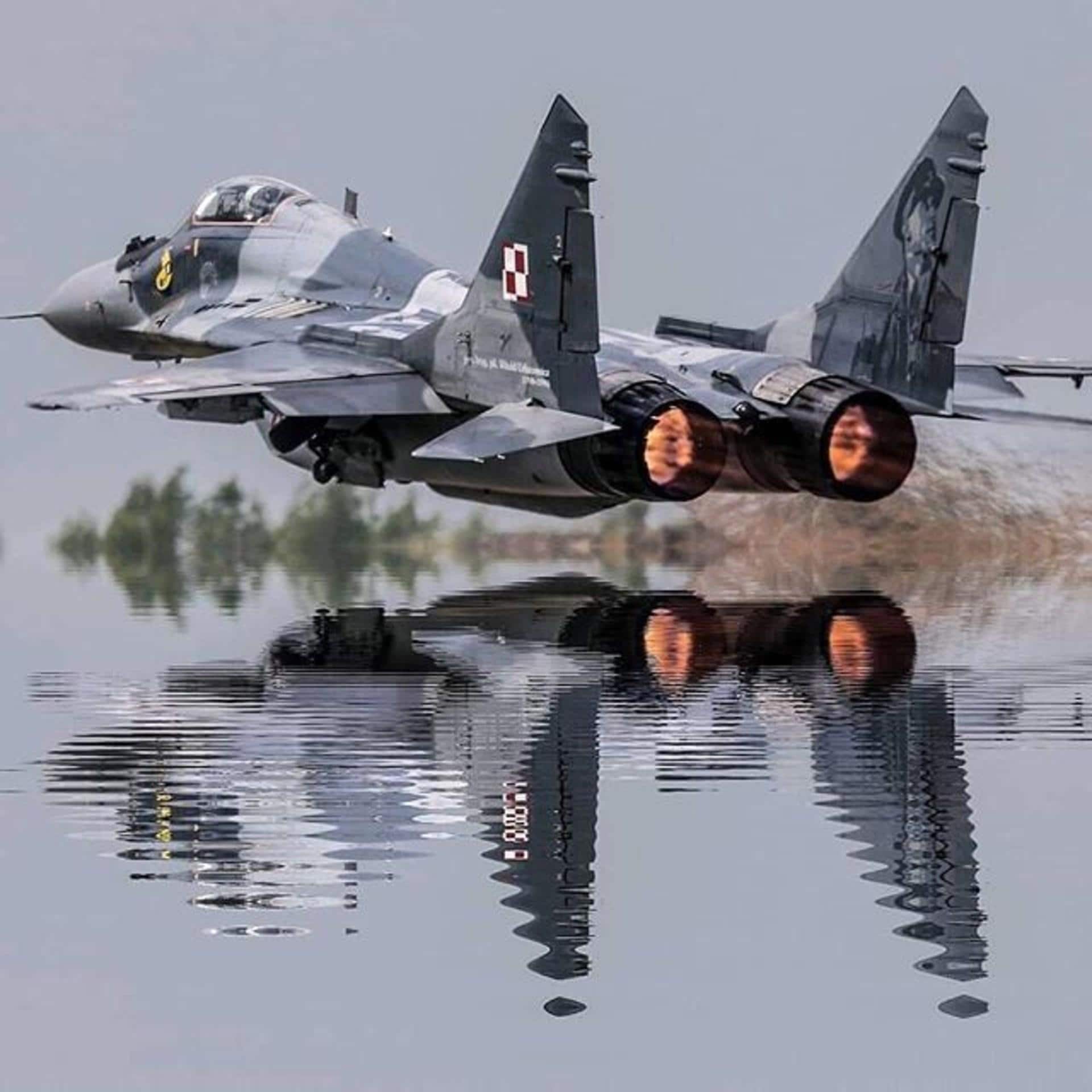
- Strength score: 0.1184
- Global strength rank: #4 out of 145
Pakistan Military Strength
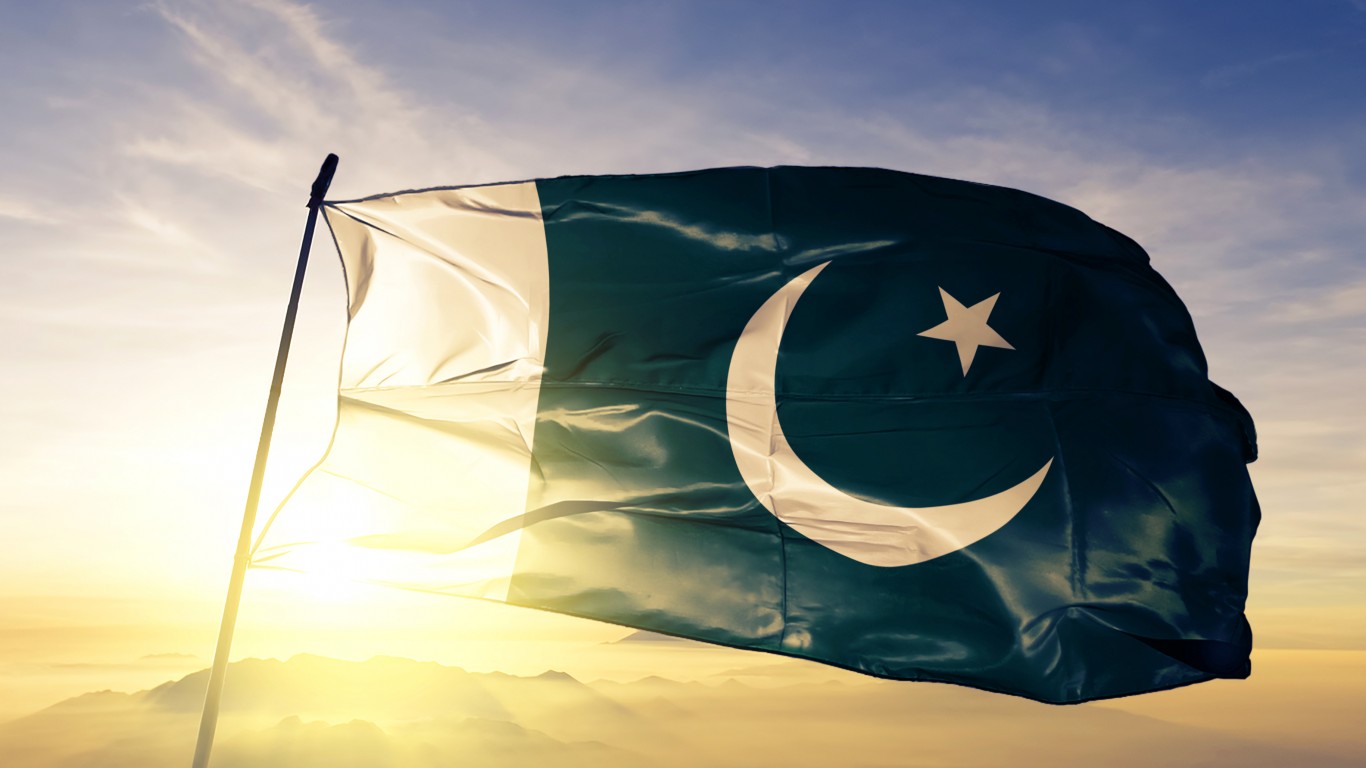
- Strength score: 0.2513
- Global strength rank: #12 out of 145










 Top Gaining Stocks
 Top Losing Stocks