


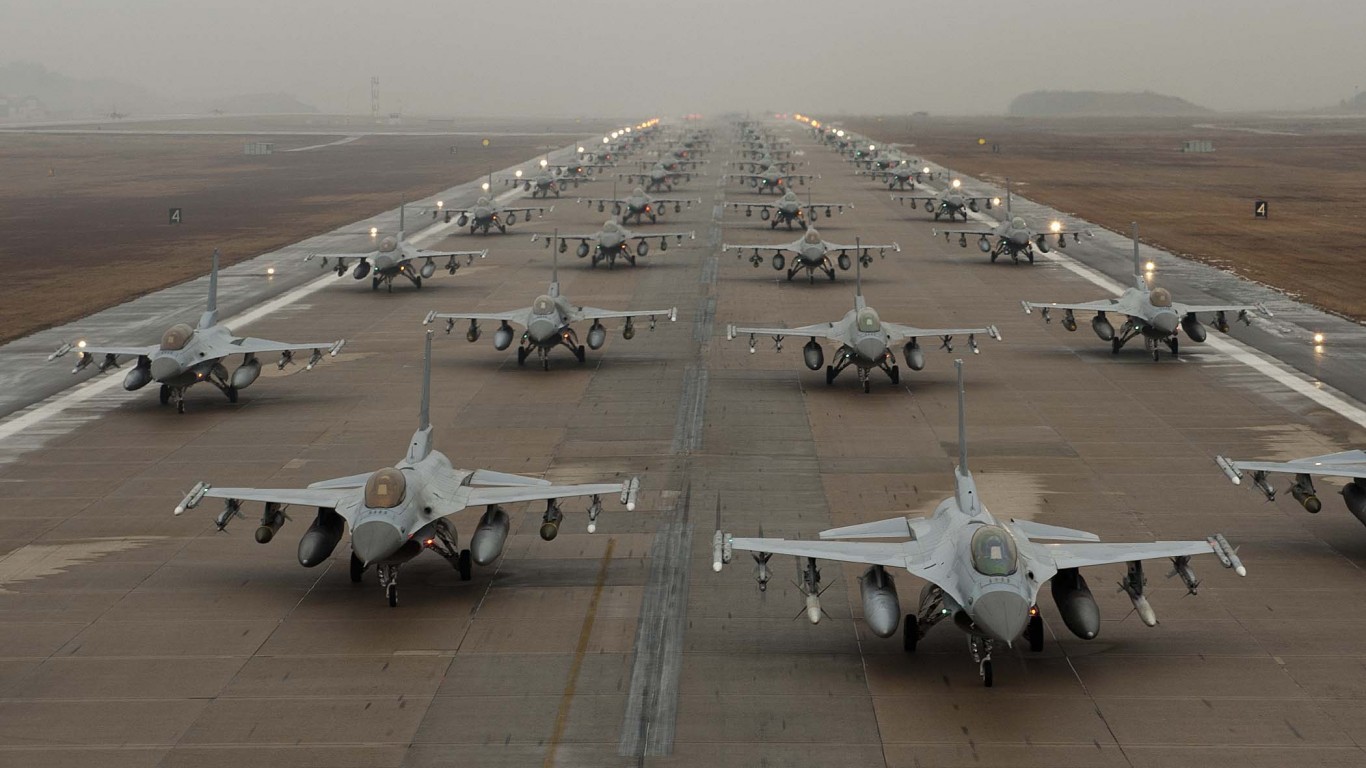
After a long campaign and “hundreds of meetings”, the first batch of F-16s arrived in Ukraine in late 2024. The American-made multirole fighter jet has a long and proven service history with dozens of operators. Ukraine sought the F-16 from the outset of the war, but NATO members had serious concerns about handing them over. Even after the United States gave the green light for European allies to hand over their F-16s, there are still questions regarding their use.
This article will look at the controversies surrounding the F-16 in Ukraine.
This post was updated on September 1, 2025 to clarify the timeline of F-16s arrival in Ukraine, the pledges made by European countries, and the possibility of JASSM integration.
Why This Matters
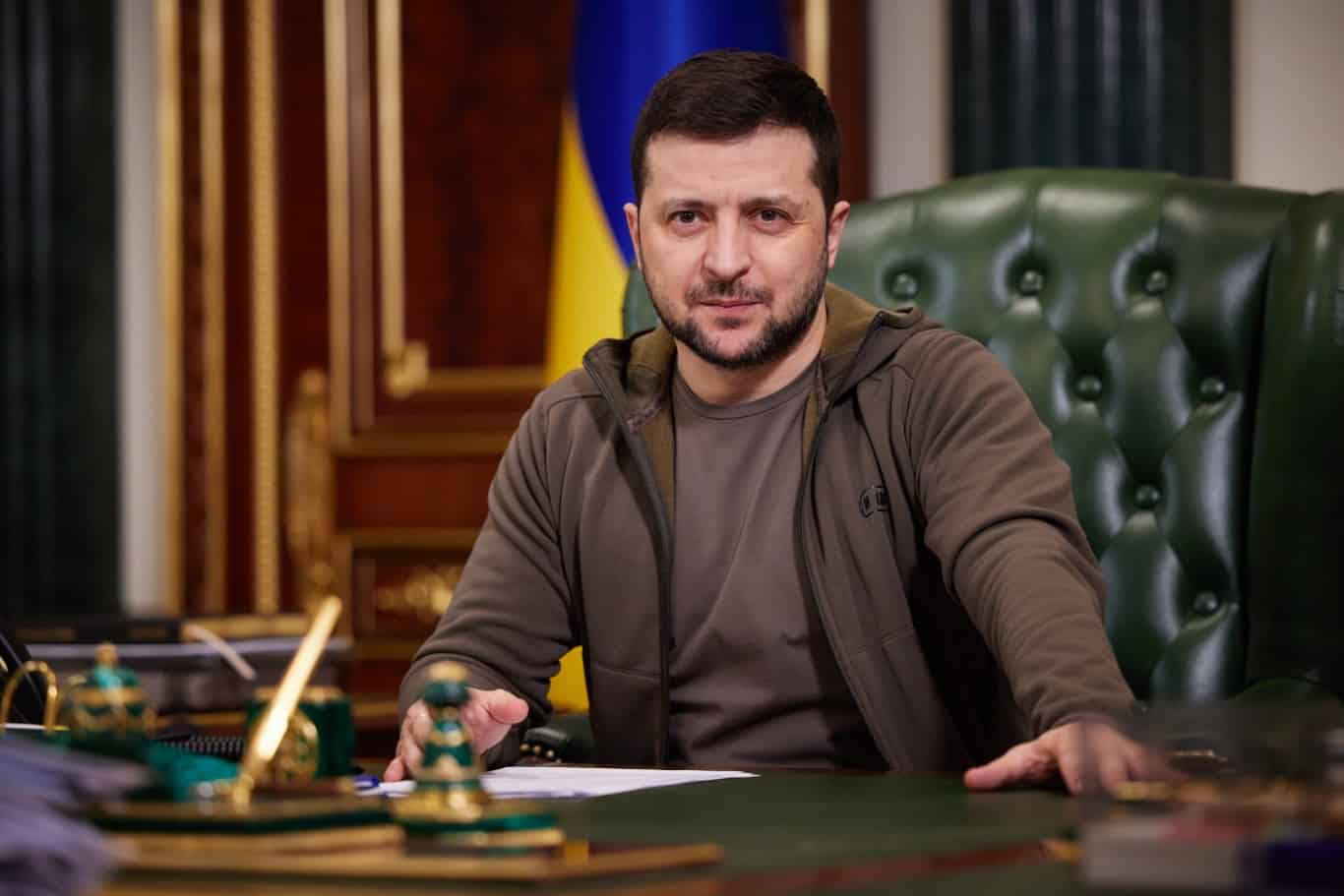
As Ukrainian President Volodymyr Zelenskyy put it, the arrival of the multirole jets represents a “new chapter” for the air force. The F-16’s versatility opens up tactical and strategic possibilities that the older Soviet aircraft couldn’t exploit. However, the donations of F-16s come with strings attached. The debate over whether or not to limit where the F-16s can operate could have a huge bearing on the conflict’s outcome.
F-16 Overview
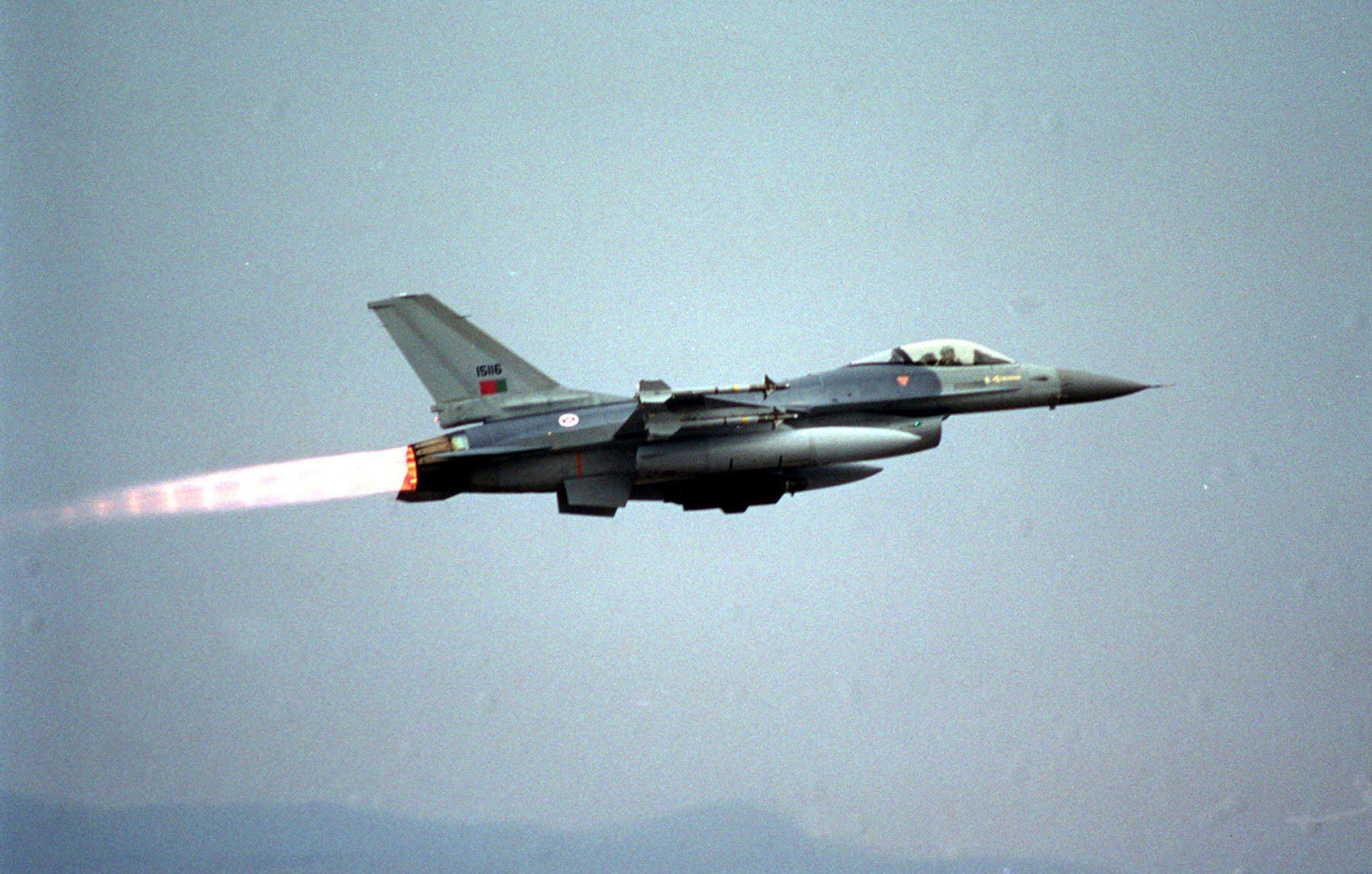
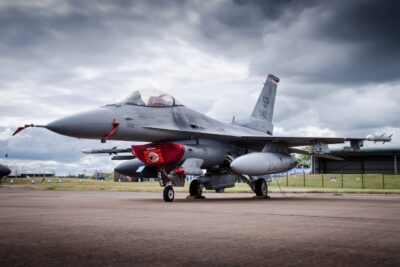
The F-16 is not a new aircraft; its first test flight occurred 50 years ago. The F-16 comes in many variants; the jets sent to Ukraine were part of a mid-life update carried out in the 1990s.
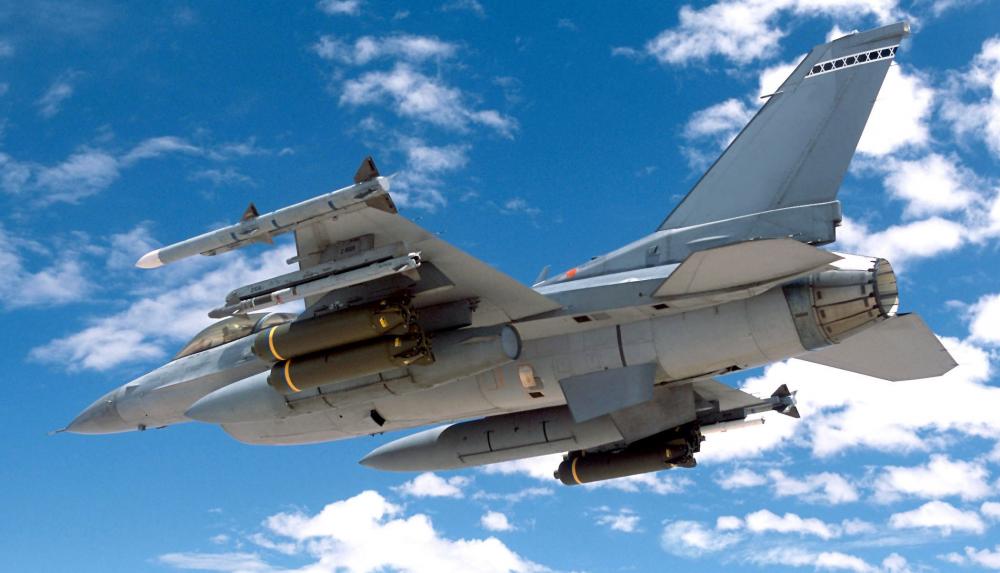
A multirole fighter jet, the F-16’s main strength is its versatility. It can carry out air-to-air and air-to-ground missions. That means the F-16 can intercept and engage enemy aircraft or missiles, support friendly land units, and attack ground targets. It is highly maneuverable and has a good operational range. The F-16 represents a significant upgrade to the Soviet-era jets Ukraine previously relied on.
Donor Countries
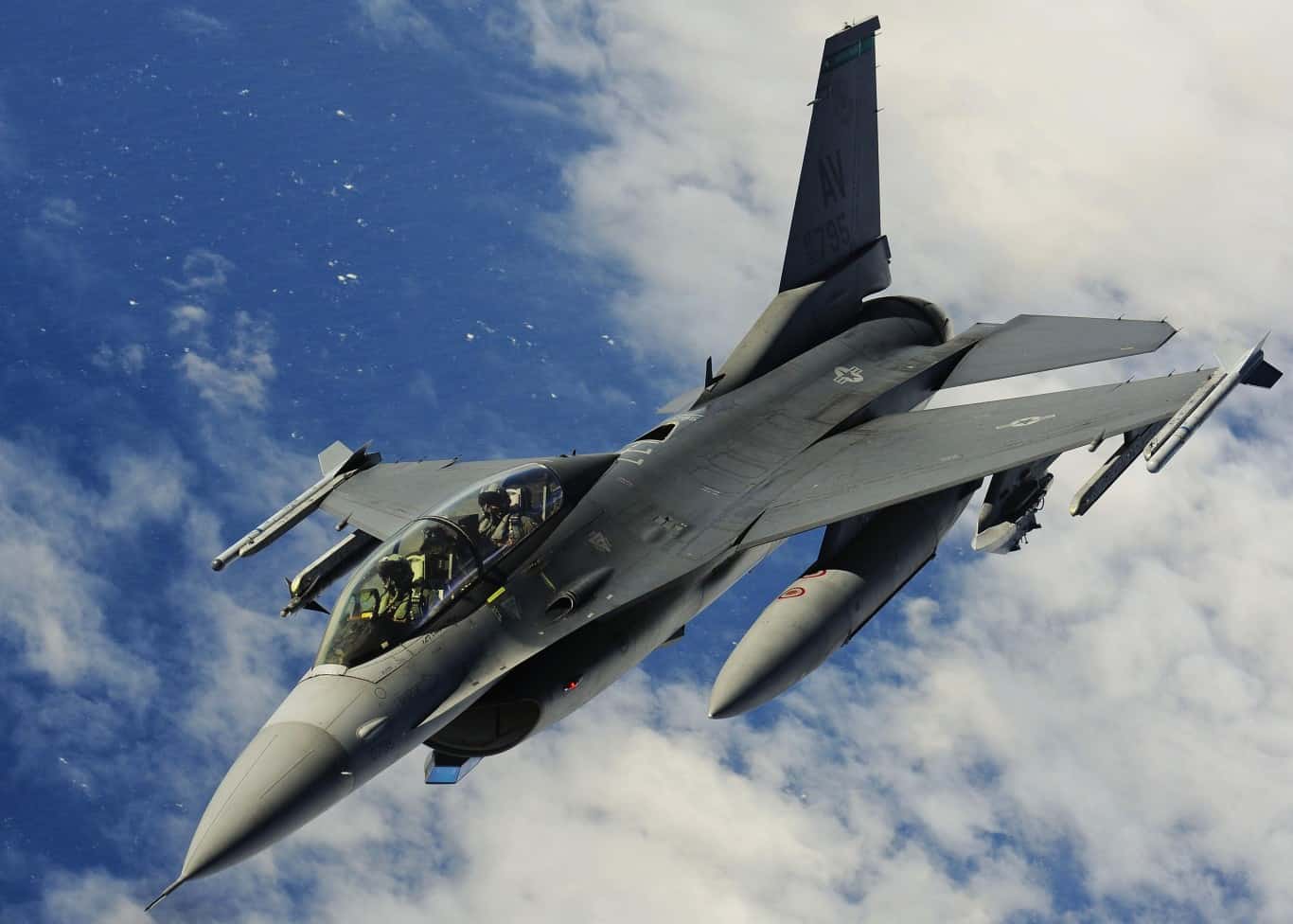
The American-made F-16s donated to Ukraine will come from NATO members. Belgium has pledged 28 aircraft by 2028, while Denmark pledges 19 aircraft out of its roughly 30+ fleet. The Netherlands pledged its entire 42-aircraft fleet. Additionally, Norway pledged 5-6 of its retired F-16 fleet. All four countries are in the process of phasing out the F-16 in favor of the F-35 Lightning II.
Concerns
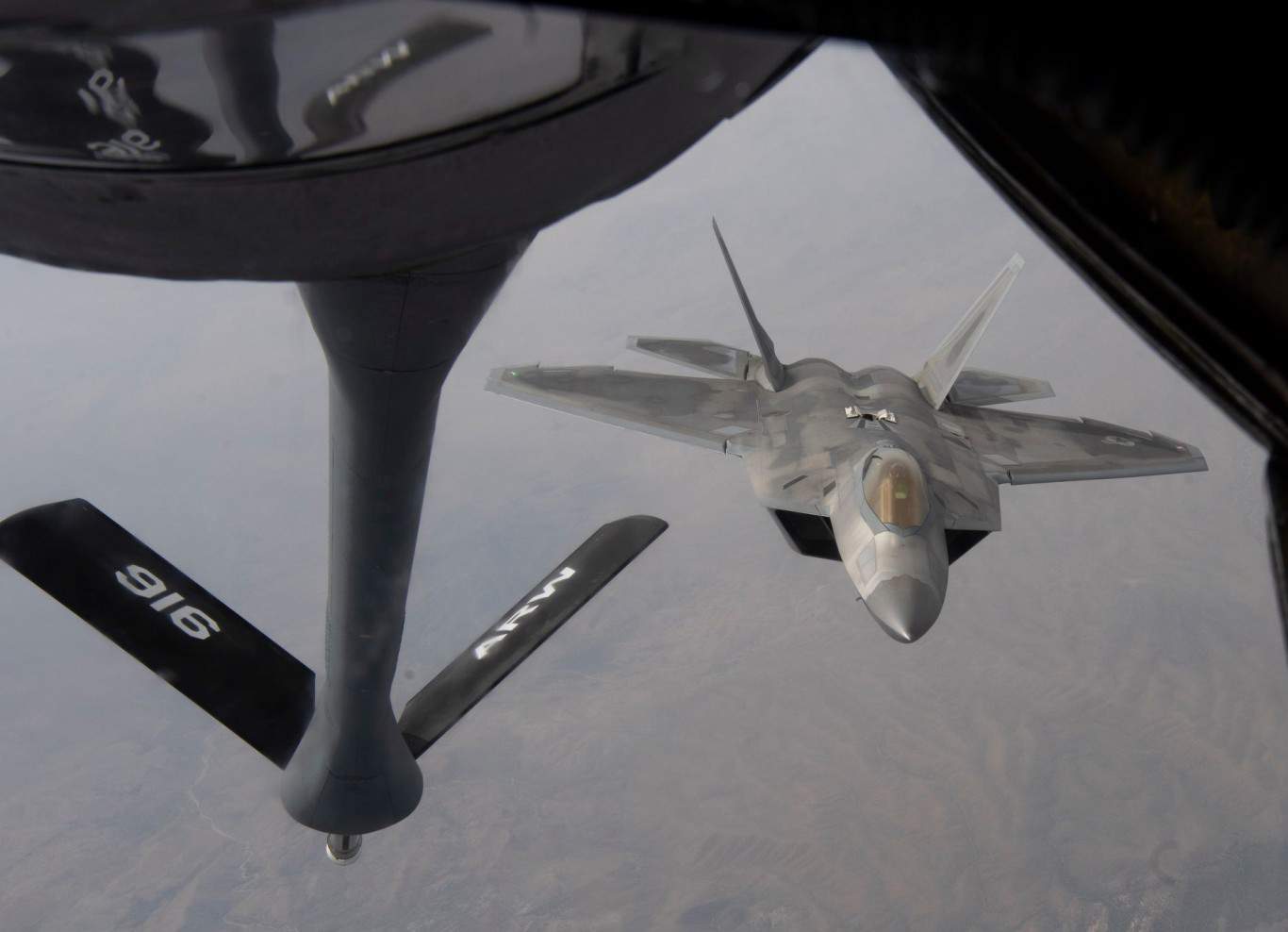
There are two major concerns about donating F-16s to Ukraine. The first is that if they are used within Russian territory the conflict will escalate. Western weapons attacking Russian territory could be construed as an act of war. Moreover, grounded aircraft present a tempting target for the Russians, but they cannot begin combat missions in a neighboring country.
The second concern among donors is that donating F-16s will weaken their own defensive capabilities. Some Danes expressed concern that donating F-16s will leave defensive gaps at home as most of Copenhagen’s F-35 orders are still pending. Domestic politics are always a factor in foreign policy as the right rises in some countries, so too does skepticism over the conflict. In times of economic uncertainty, backing a foreign country’s war effort can be a tough sell for politicians at home.
Limitations
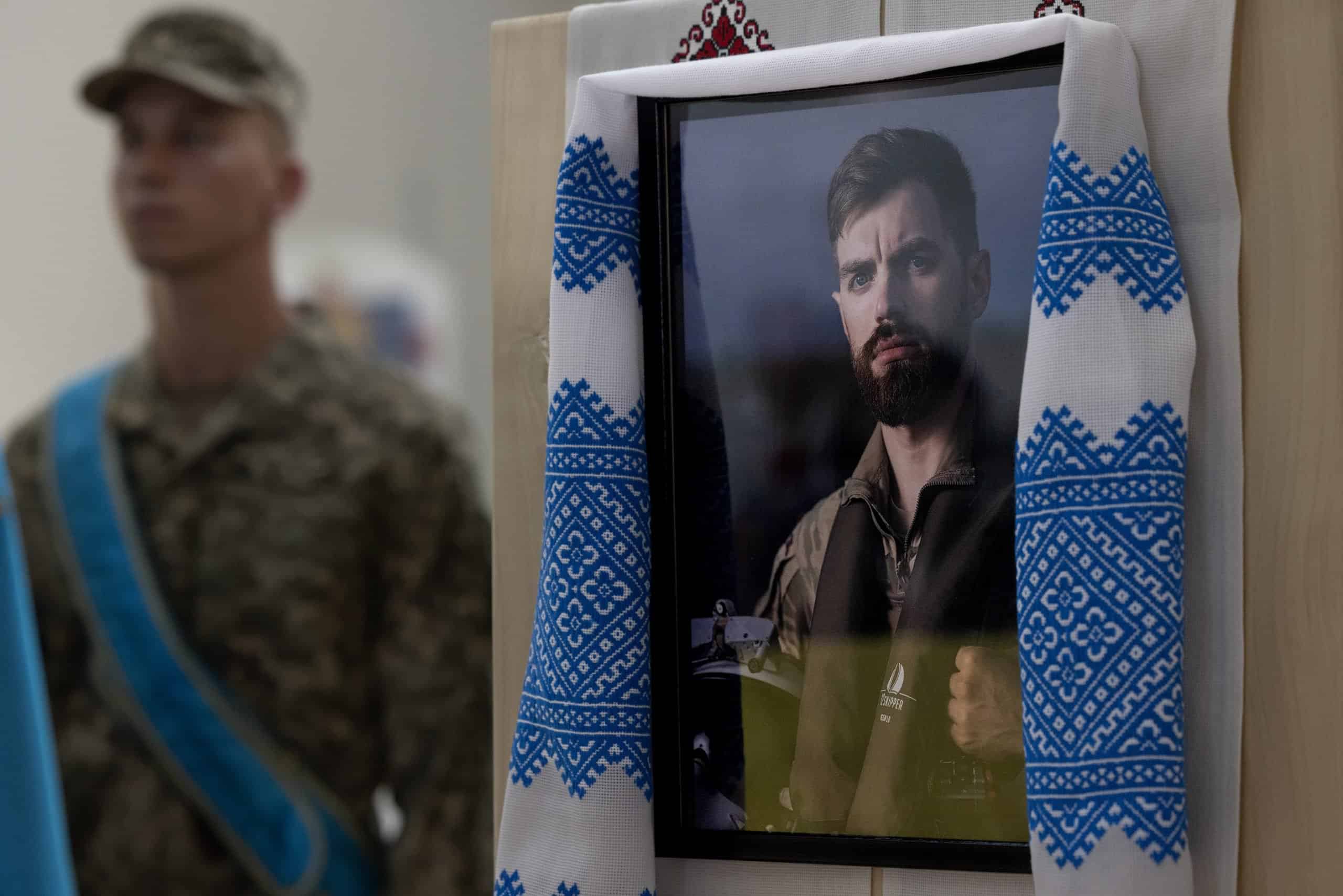
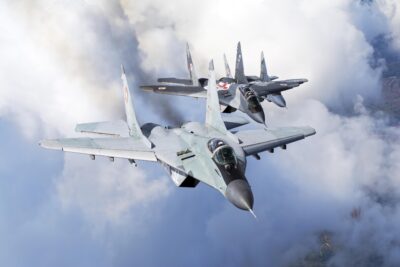
The limiting factors aren’t just tied to strategic concerns or politics as it is not simply a matter of just sending jets to Ukraine. Ukraine has a limited pool of pilots used to flying Soviet-era aircraft. It can take years of training to become combat-effective with the F-16, time that Kyiv simply does not have. Thus, its pilots have to make do in a matter of months, not years and there are only limited spots in training facilities worldwide. The pilot pipeline is simply not large enough and Ukraine risks losing top pilots every day. Andrii “Juice” Pilshchykov perished in a crash in August 2023. Additionally, modern aircraft have a long logistical tail. It’s not just the pilots; maintenance crews also need extensive training.
Ukraine wants at least 130 F-16s and training for pilots and crew. NATO’s pledges and training programs fall well short of this target. As important as hardware is, replacing a lost F-16 is much easier than replacing an experienced pilot lost in combat.
Future Implications
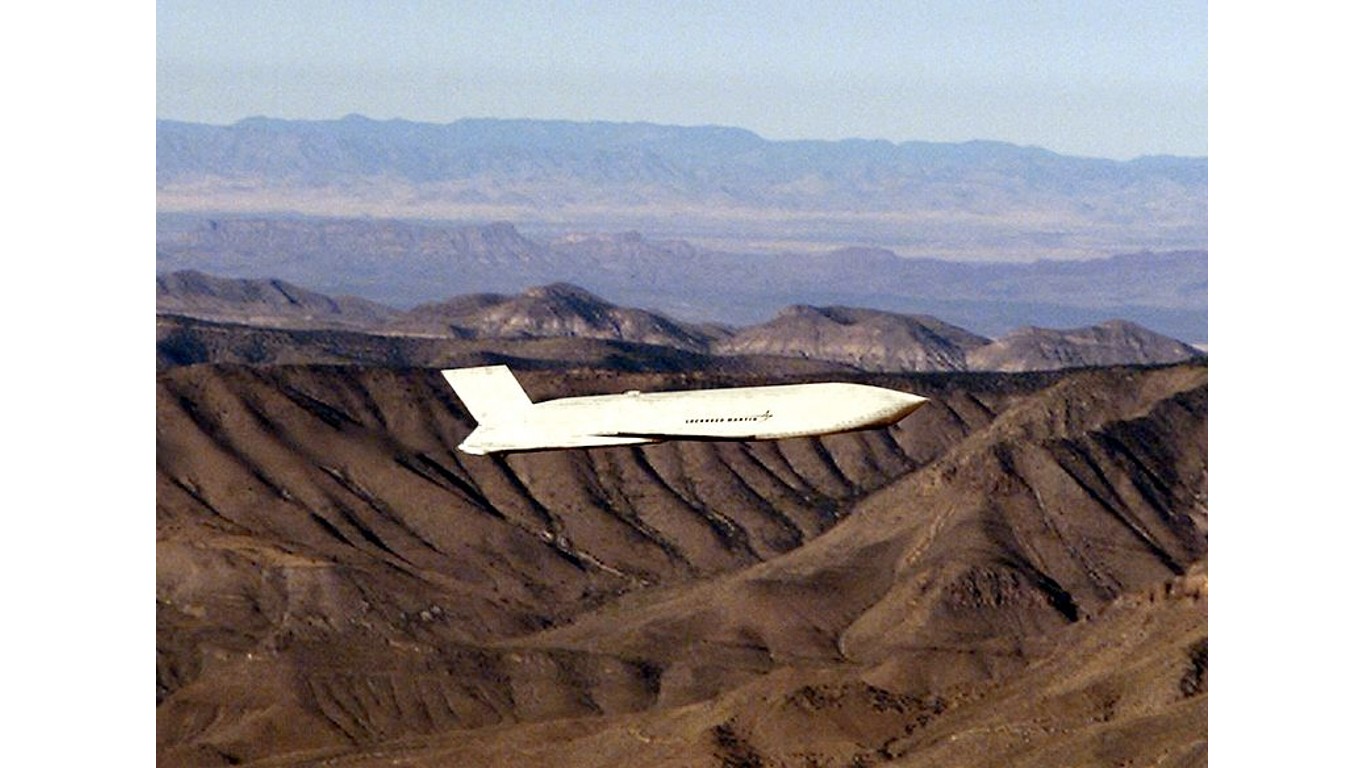
There aren’t currently enough F-16s in Ukraine to significantly impact the war yet. However, the jet’s great versatility offers operational opportunities in the future. The F-16 can be fitted with many different loadouts, including long-range cruise missiles. If fitted with an AGM-158 JASSM (Joint Air-to-Surface Standoff Missile), Ukrainian F-16s could strike key ground targets over 300 miles away. However, Ukraine does not currently have JASSMs. Delivering them would require separate U.S. approval, which has not been granted. It would also require authorization to use them inside Russia but if given the green light, the mere threat of a JASSM strike would force Russia to redeploy assets out of strike range.
Ukraine would have more options to seize the initiative. The ongoing incursion in Kursk demonstrates the value of a surprise offensive. Modern Western hardware could tip the balance back in Kyiv’s favor if deployed in sufficient numbers. The United States is currently working out another aid package to Ukraine and JASSMs might be part of it.
Conclusion
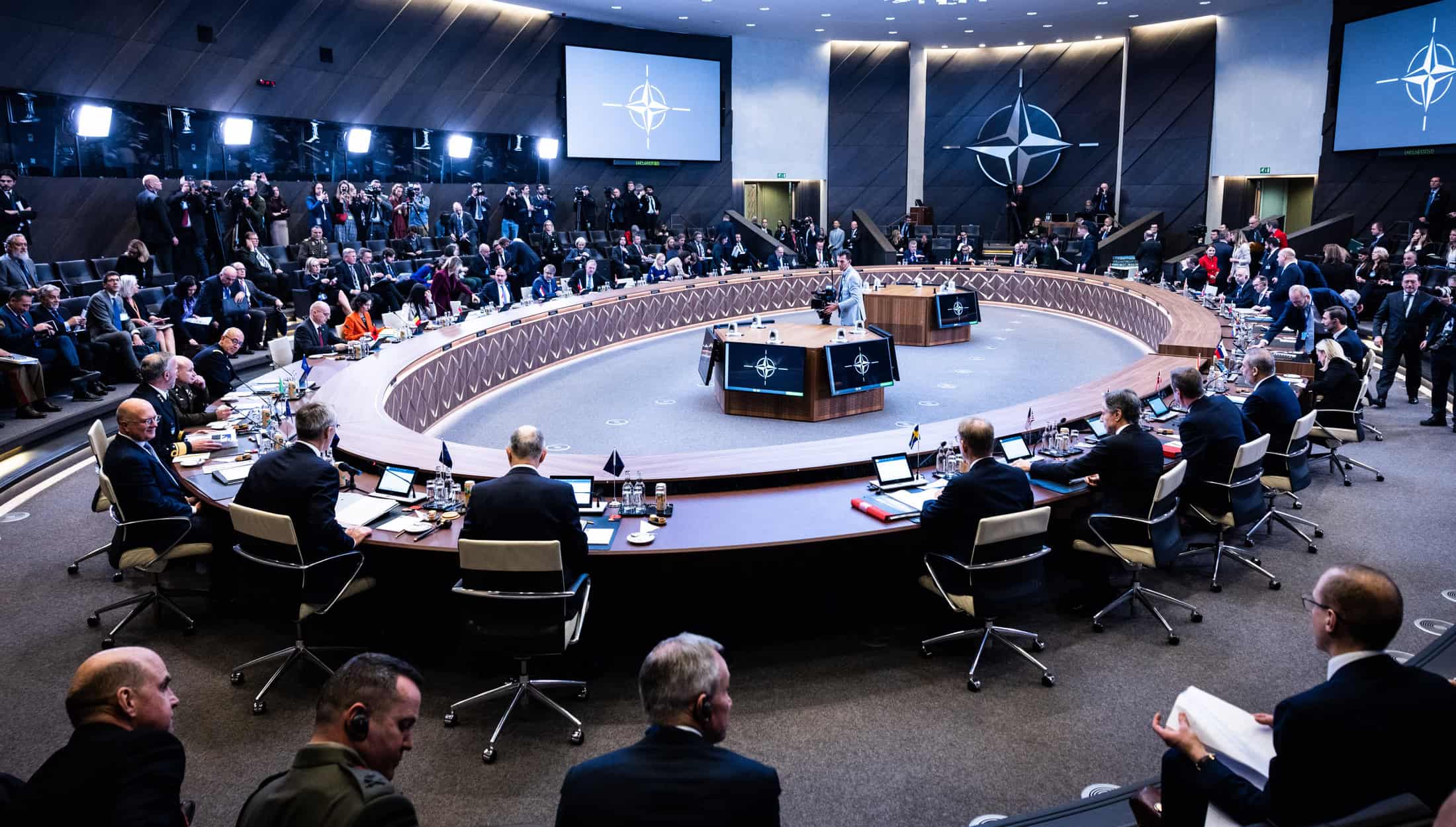
The decision to send F-16s to Ukraine was not taken lightly. Only a handful are currently in service in Ukraine so their impact on the conflict is limited. With logistical and political questions still to be answered, it remains to be seen if they will arrive in time and in sufficient numbers to make a difference.
To fully utilize the F-16, NATO needs to expand the pilot pipeline and rescind any restrictions on their use. If the US agrees to send long-range munitions and donor countries provide more jets and training, the F-16 could play a pivotal role in a favorable outcome for Kyiv. However, if numbers remain limited and their use constrained to purely defensive operations, it will be an opportunity lost.





 Top Gaining Stocks
 Top Losing Stocks