


During World War II, the Axis powers operated numerous prison camps. German concentration camps were central to Nazi racial policy and repression, while Japan’s POW camps were mostly logistical (labor supply, intimidation). Both served as sites for severe human rights abuses.
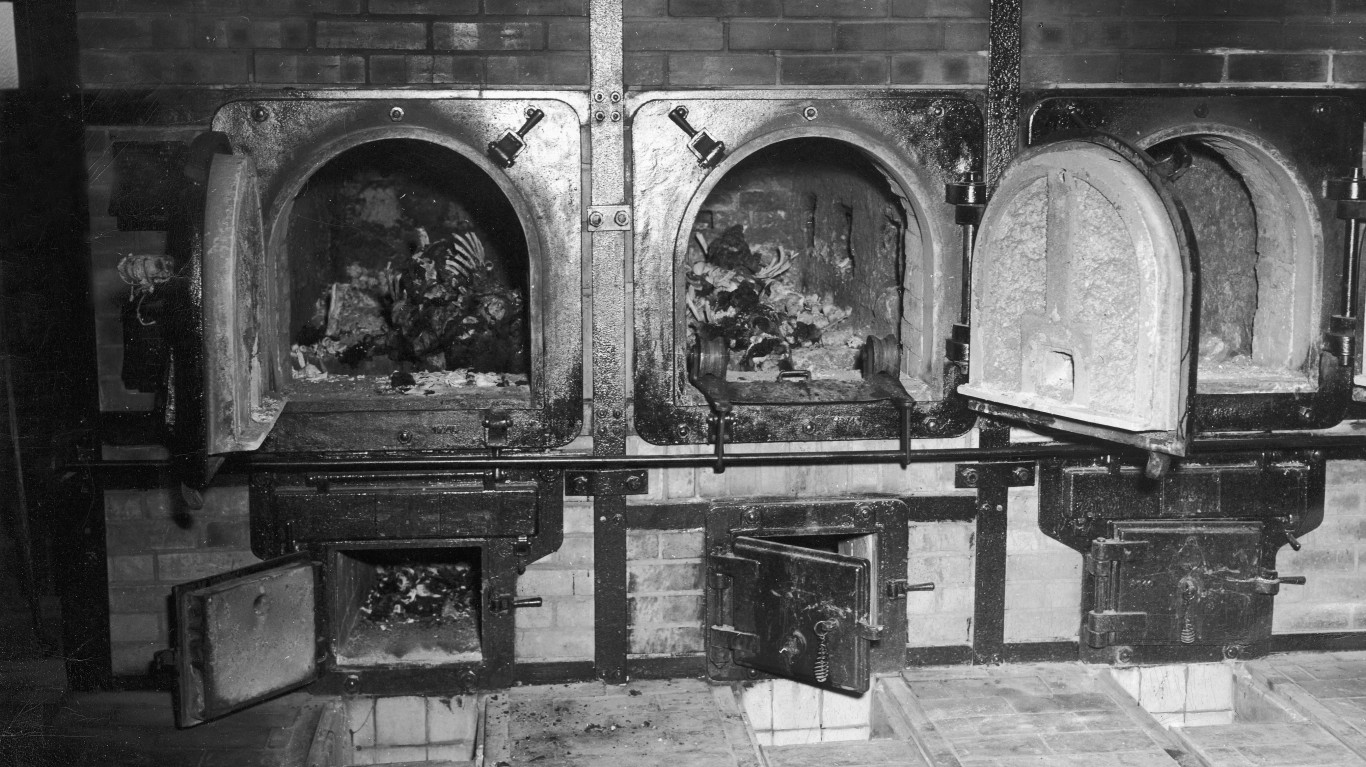
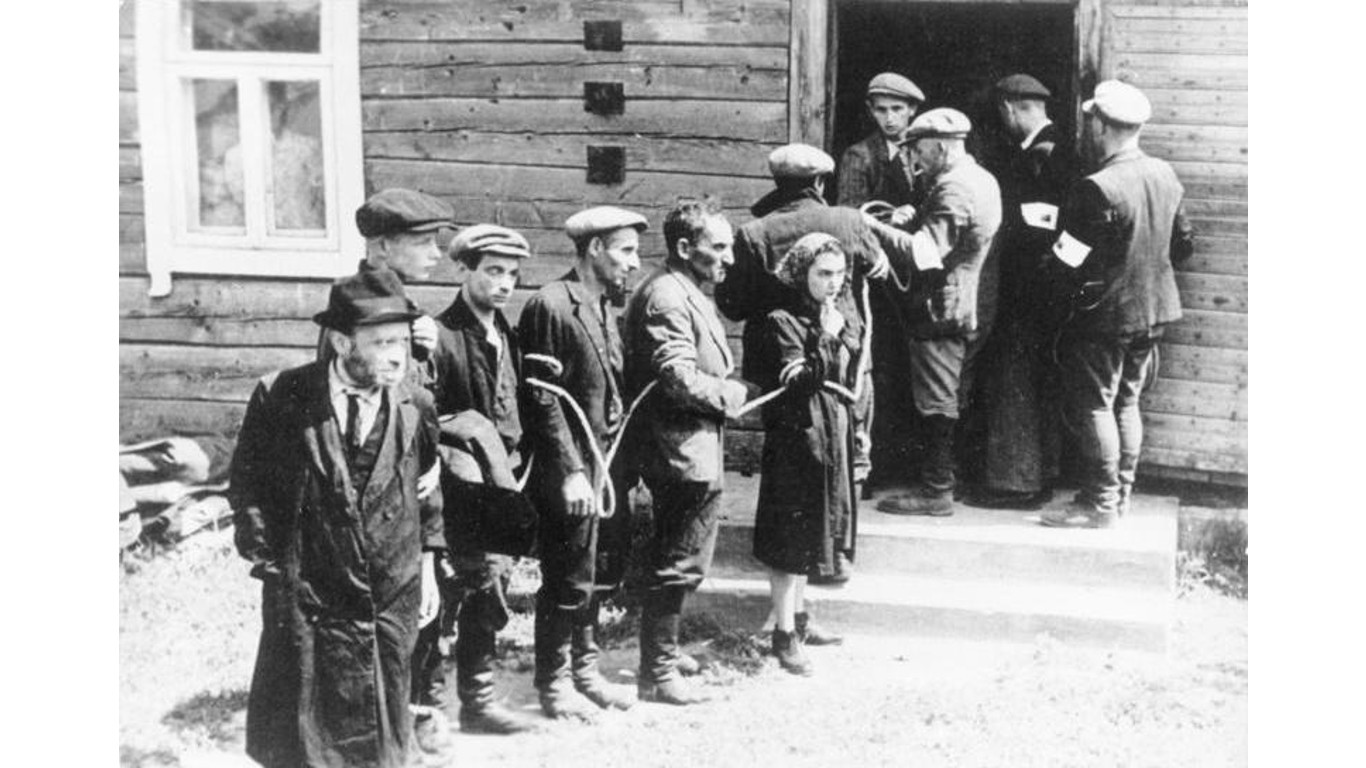
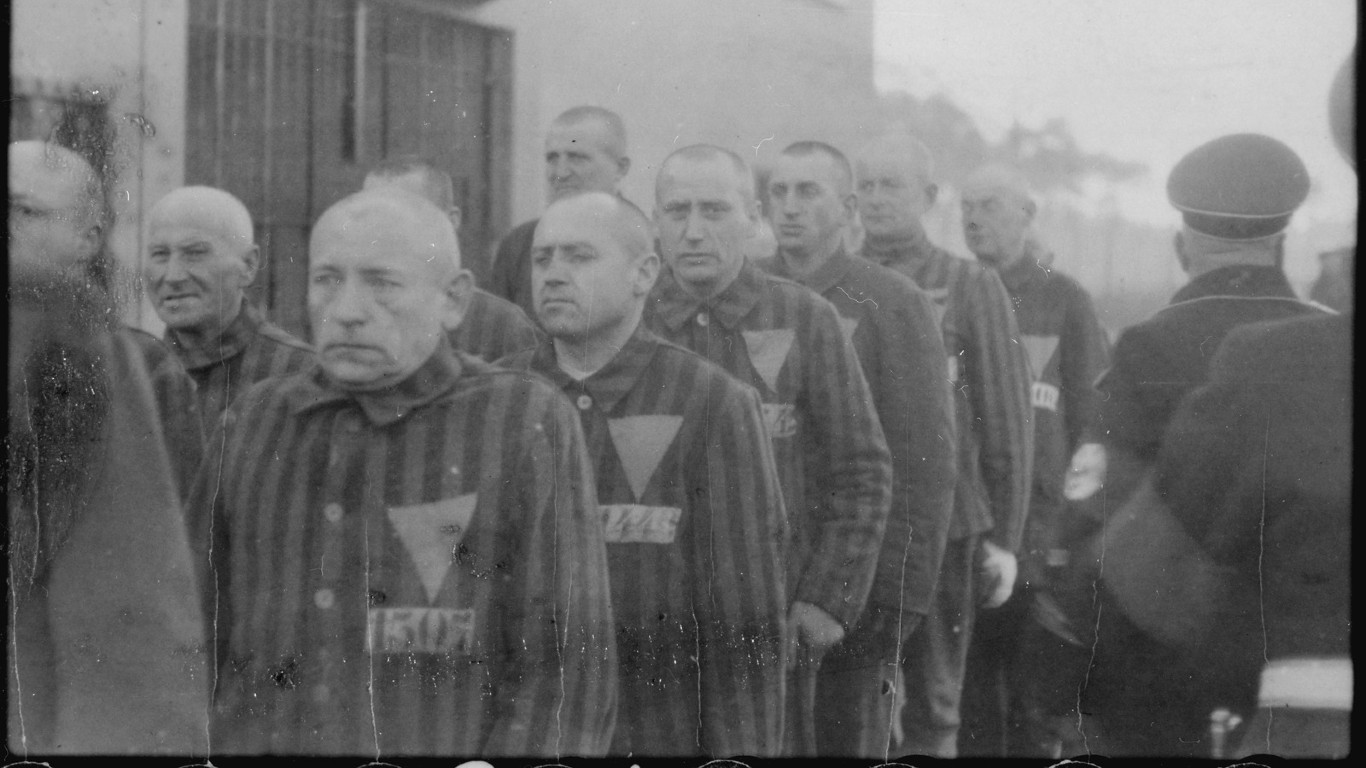
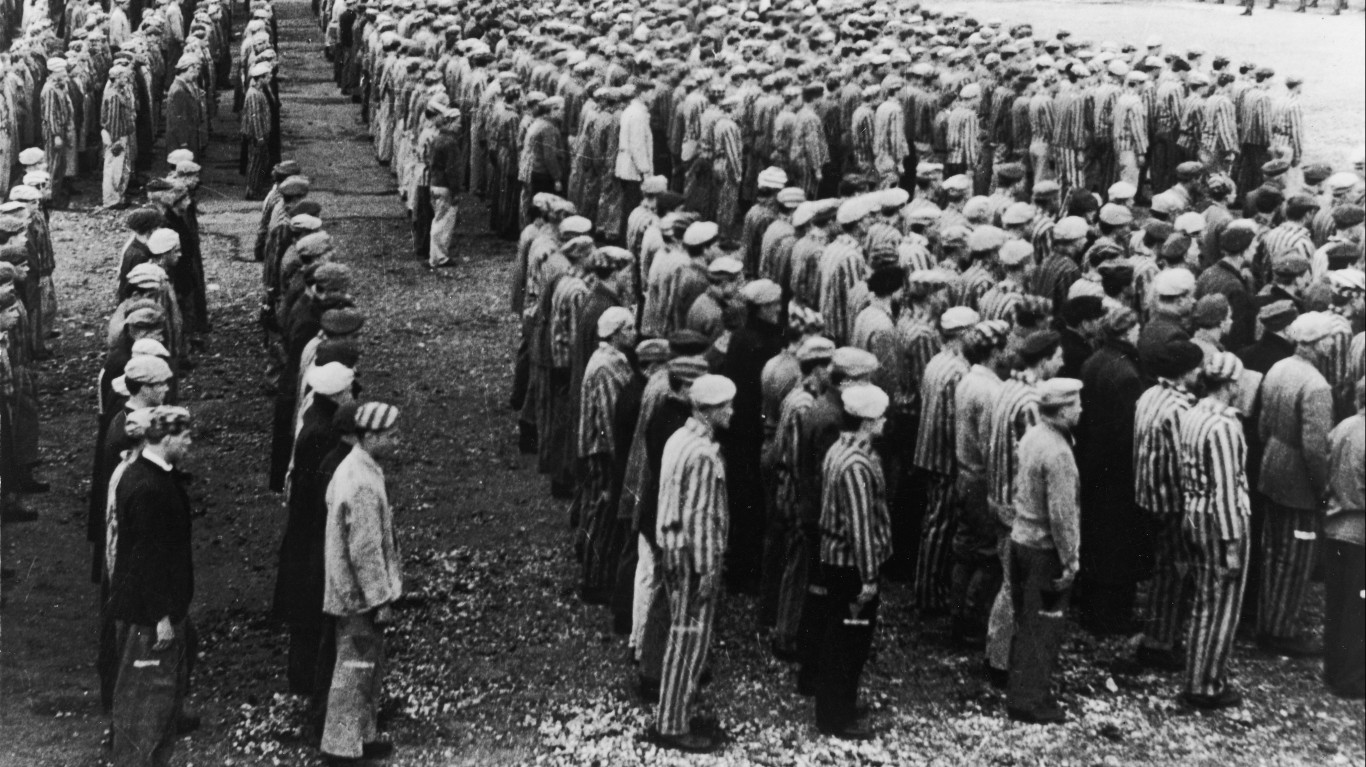
Concentration camps were spread across most of German-occupied Europe at the time. The most notorious of these are Auschwitz, Dachau, and Buchenwald, but there were many others within the Reich. Following the Wannsee Conference in 1942, these camps were central to the “Final Solution”, the systematic genocide of millions of Jews, along with millions of other victims including Poles, Soviet POWs, disabled individuals, and others deemed unfit by Nazi ideology.
The most well-known of these camps is Auschwitz, located in Nazi-occupied Poland during World War II. It was the largest of the Nazi concentration camps and extermination centers. Over a million men, women, and children lost their lives here. Auschwitz has become a symbol of the Holocaust and human cruelty known the world over. It was ultimately liberated by Soviet troops on January 27, 1945. Today, Auschwitz serves as a museum and memorial to the tragic events that occurred on its grounds.
In the East, Imperial Japan operated numerous POW camps throughout Asia and the Pacific. These camps housed Asian civilians and Western prisoners. The conditions in these camps were incredibly brutal, and prisoners faced forced labor and torture. (These two countries suffered the most casualties in WWII, and it’s not even close.)
Overall, these camps serve a grim reminder of the atrocities of war. However, the 1949 revisions to the Geneva Convention expanded protections, partly in response to WWII atrocities. These revisions established further international standards for humanitarian treatment in war. A total of four conventions addressed the treatment of POWs, medical personnel, neutral parties (civilians), and wounded or sick soldiers.
24/7 Wall St. is taking a closer look at the prison camps employed by the Axis Powers. To identify the prison camps of the Axis Powers in World War II, 24/7 Wall St. reviewed World War II Database, an online archive of World War II data. We ordered these prison camps alphabetically and included supplemental information about where they were/are located. Note that WW2DB did not include Italian prison camps (and a few Japanese camps) in this dataset; some of the camps not mentioned include Rab (Arbe), Risiera di San Sabba, and Bridge on the River Kwai Camps.
This post was updated on October 1, 2025 to clarify the difference between concentration camps vs POW camps, the location of HASAG, the designation/purpose of certain facilities, that Poland was under German occupation at the time of WWII, and the Geneva Convention standards set post WWII.
Why Are We Covering This?
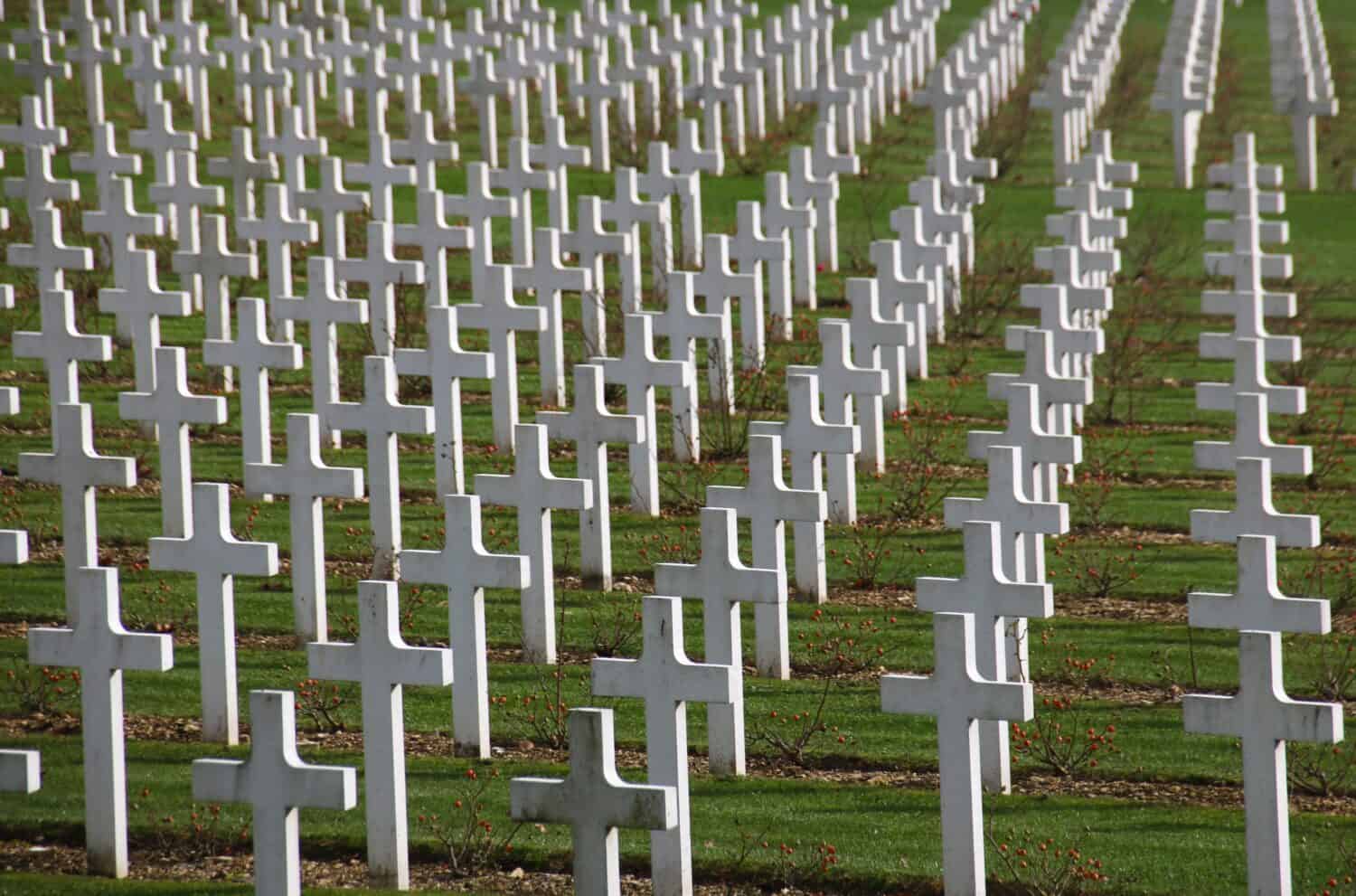
Exploring the history of World War II is important not only to understand one of the most pivotal periods in modern history but also to grasp the profound impact that this global conflict had on the world at large. Ultimately, World War II reshaped boundaries, alliances, and ideologies in ways that still influence global relations and conflicts today. The outcome of World War II effectively made the world order that we know today.
Here is a look at the prison camps of the Axis Powers in World War II:
Auschwitz Concentration Camp
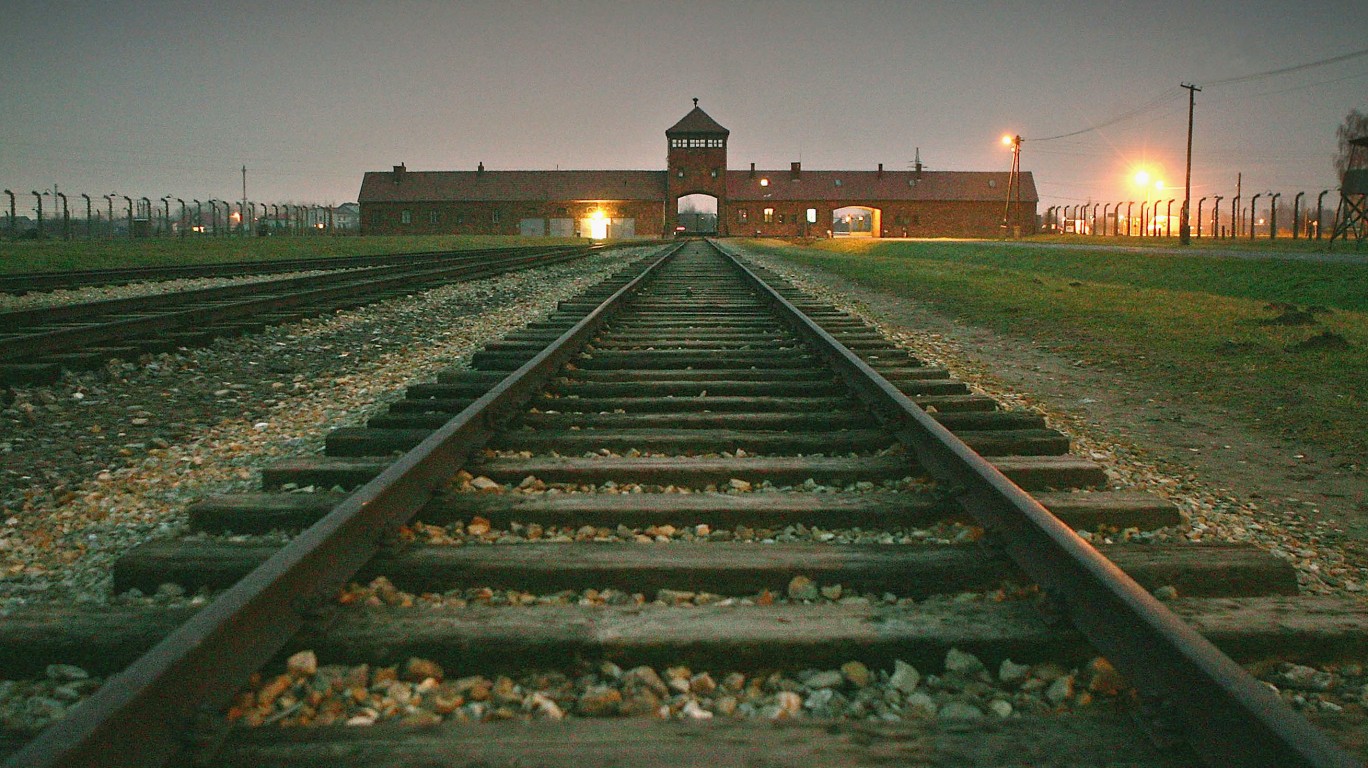
- Country: German-occupied Poland
- Location: Oswiecim
Belzec Concentration Camp
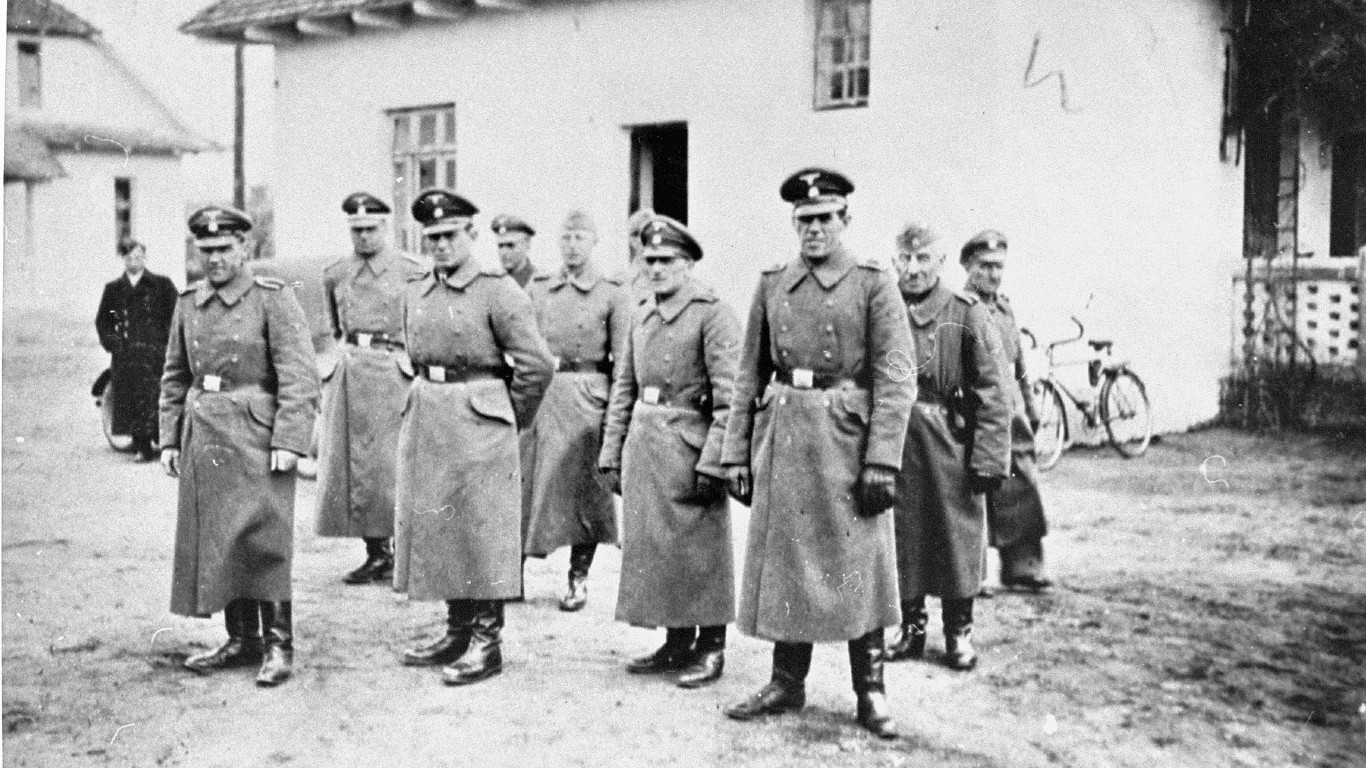
- Country: German-occupied Poland
- Location: Belzec, Lublin
Bergen-Belsen Concentration Camp
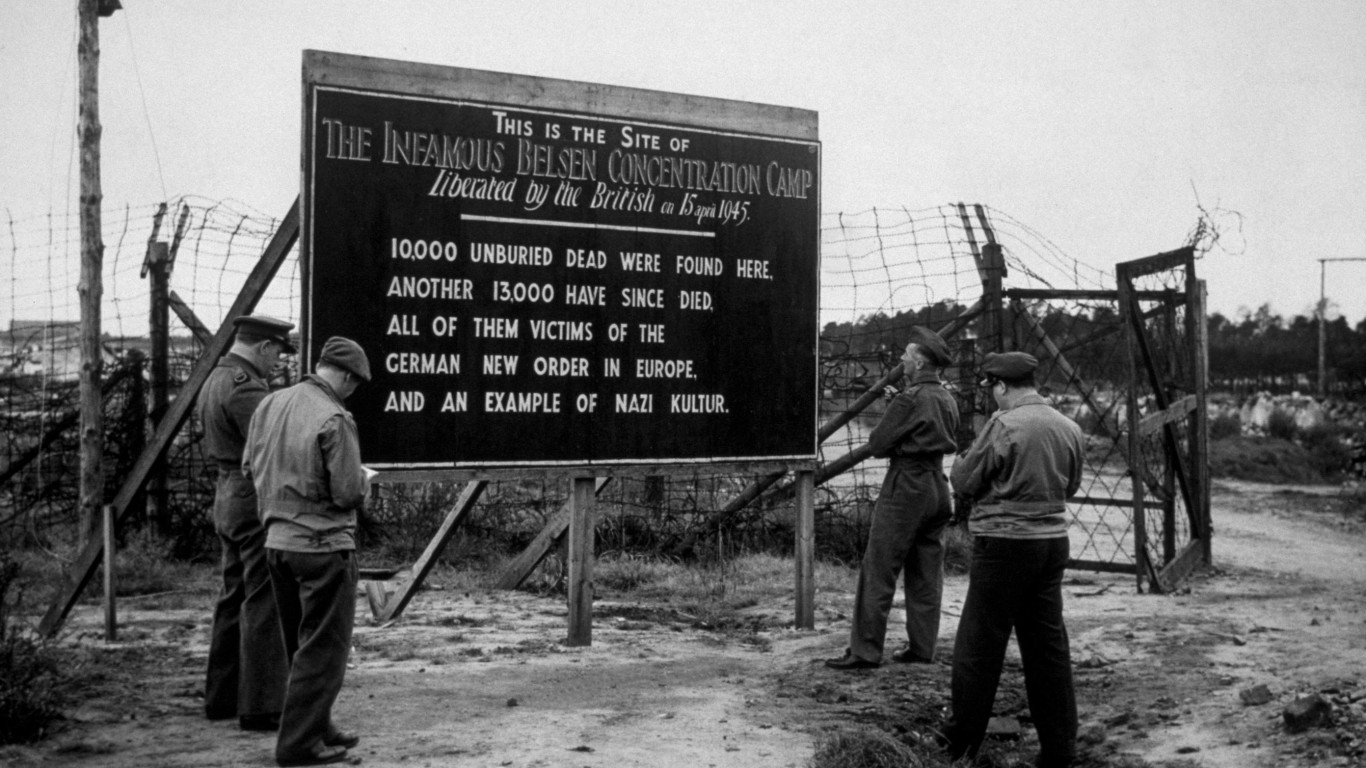
- Country: Germany
- Location: Bergen, Ost-Hannover
Buchenwald Concentration Camp
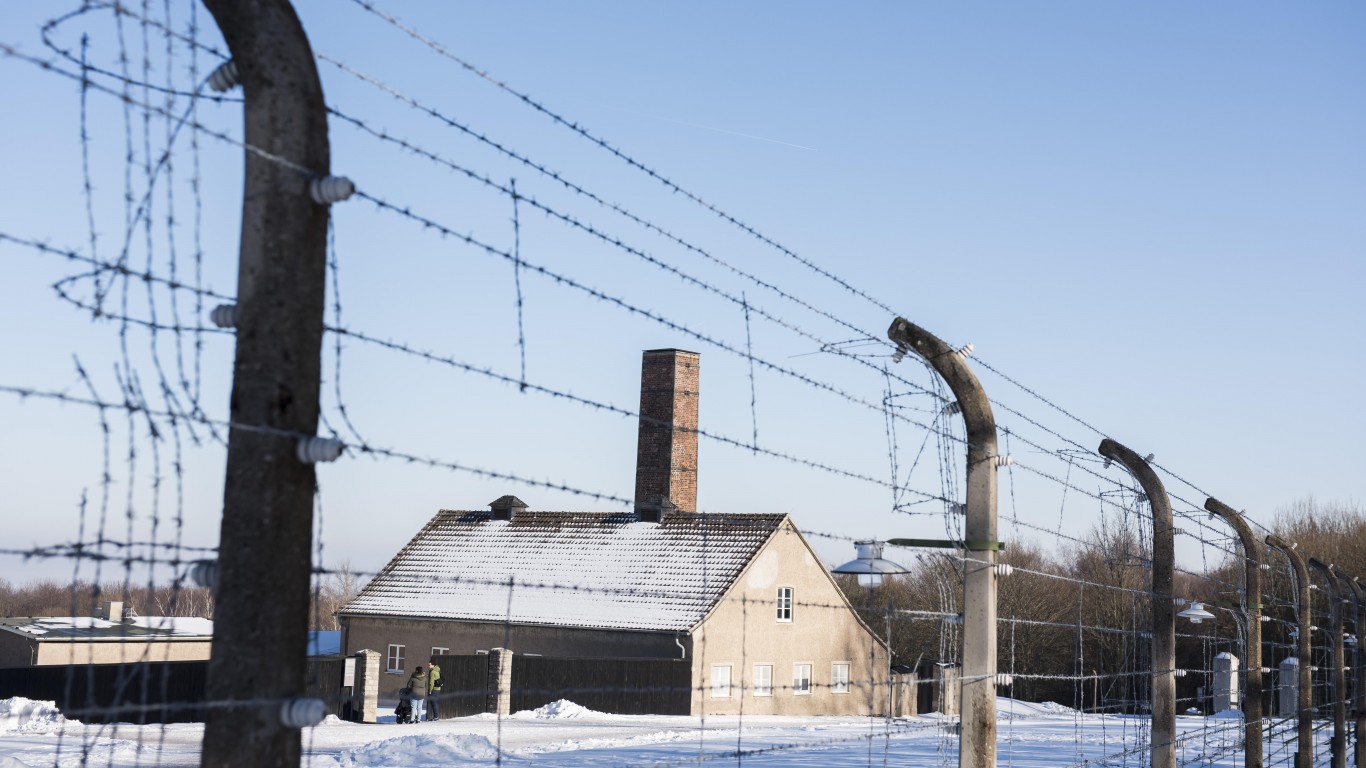
- Country: Germany
- Location: Weimar, Thüringen
Chelmno Concentration Camp
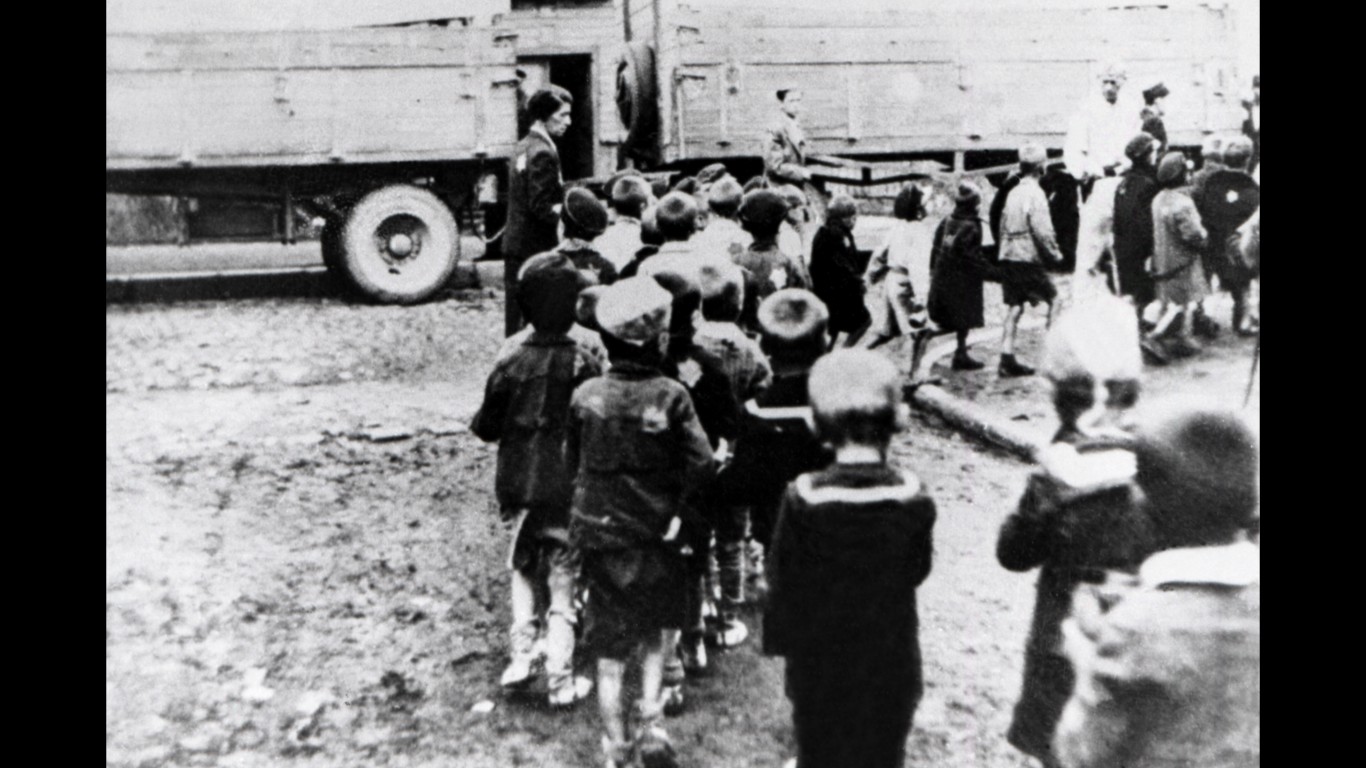
- Country: German-occupied Poland
- Location: Chelmno nad Nerem, Konin
Colditz Castle
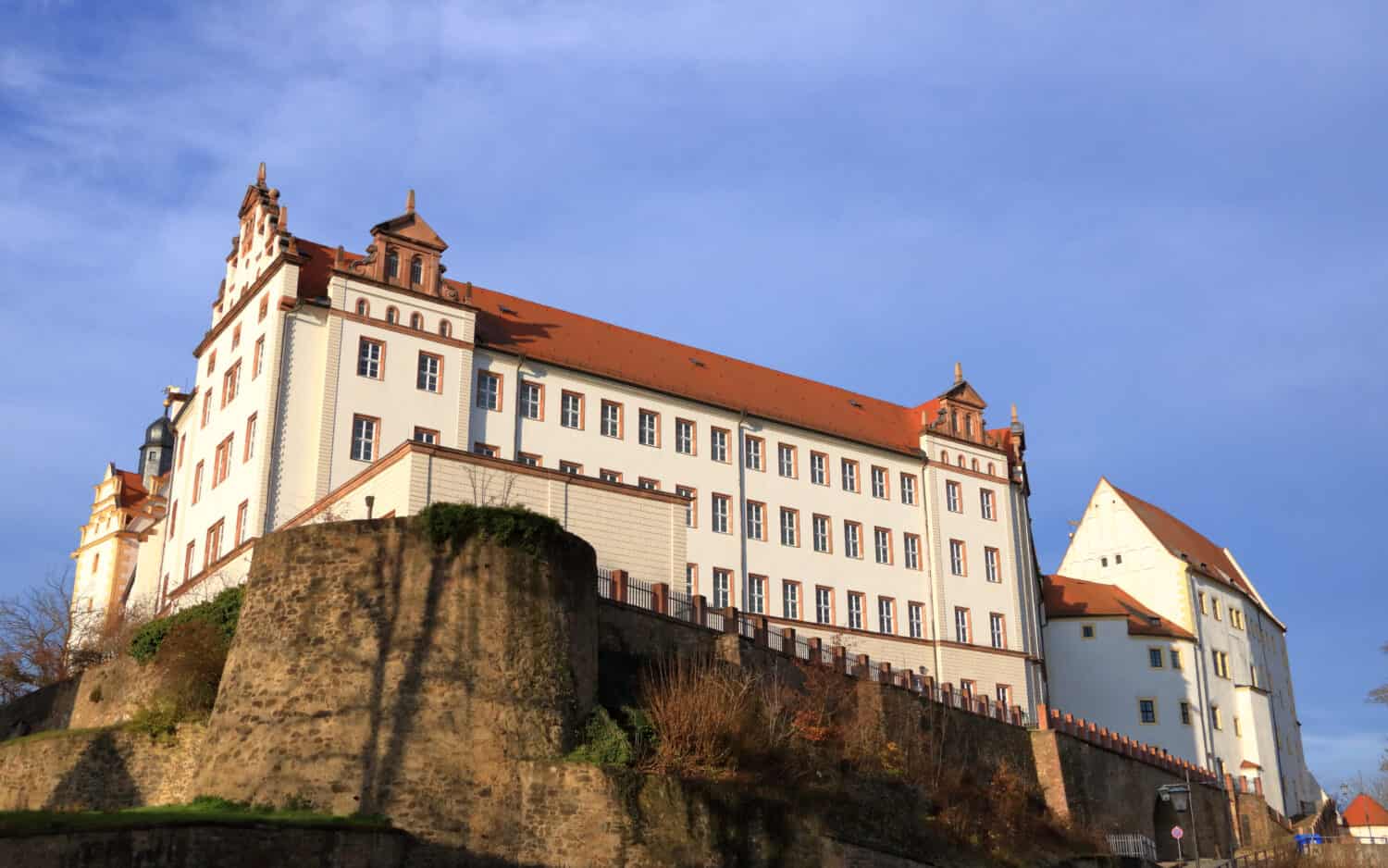
- Country: Germany
- Location: Colditz, Sachsen
Dachau Concentration Camp
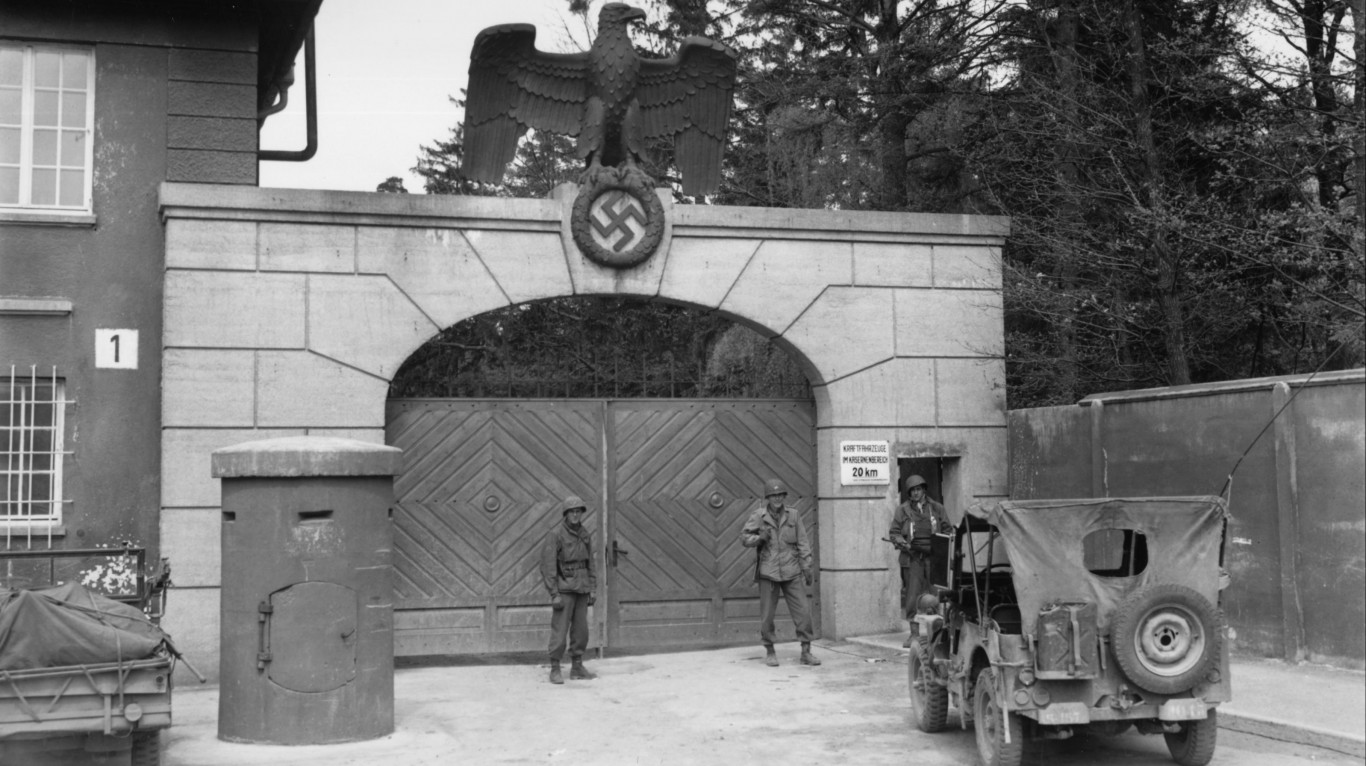
- Country: Germany
- Location: Dachau, München-Oberbayern
Drancy Camp
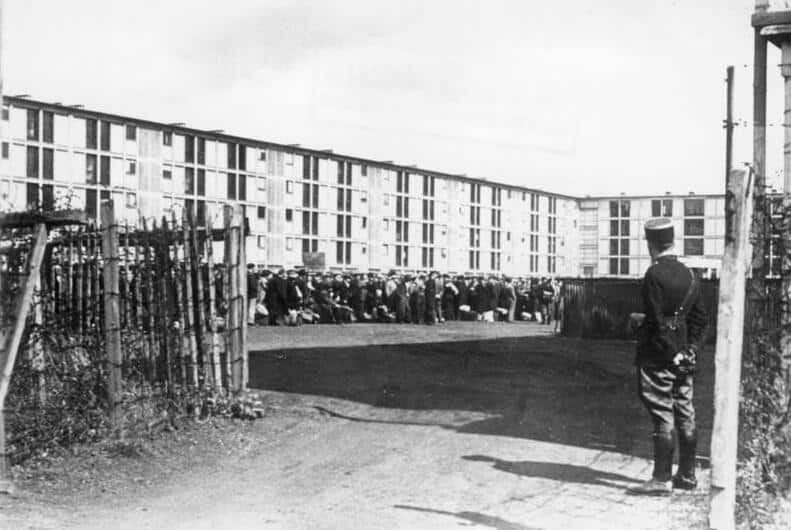
- Country: France
- Location: Paris
- Note: This was a transit camp, not a “concentration camp” in the Nazi German sense
Flossenbürg Concentration Camp
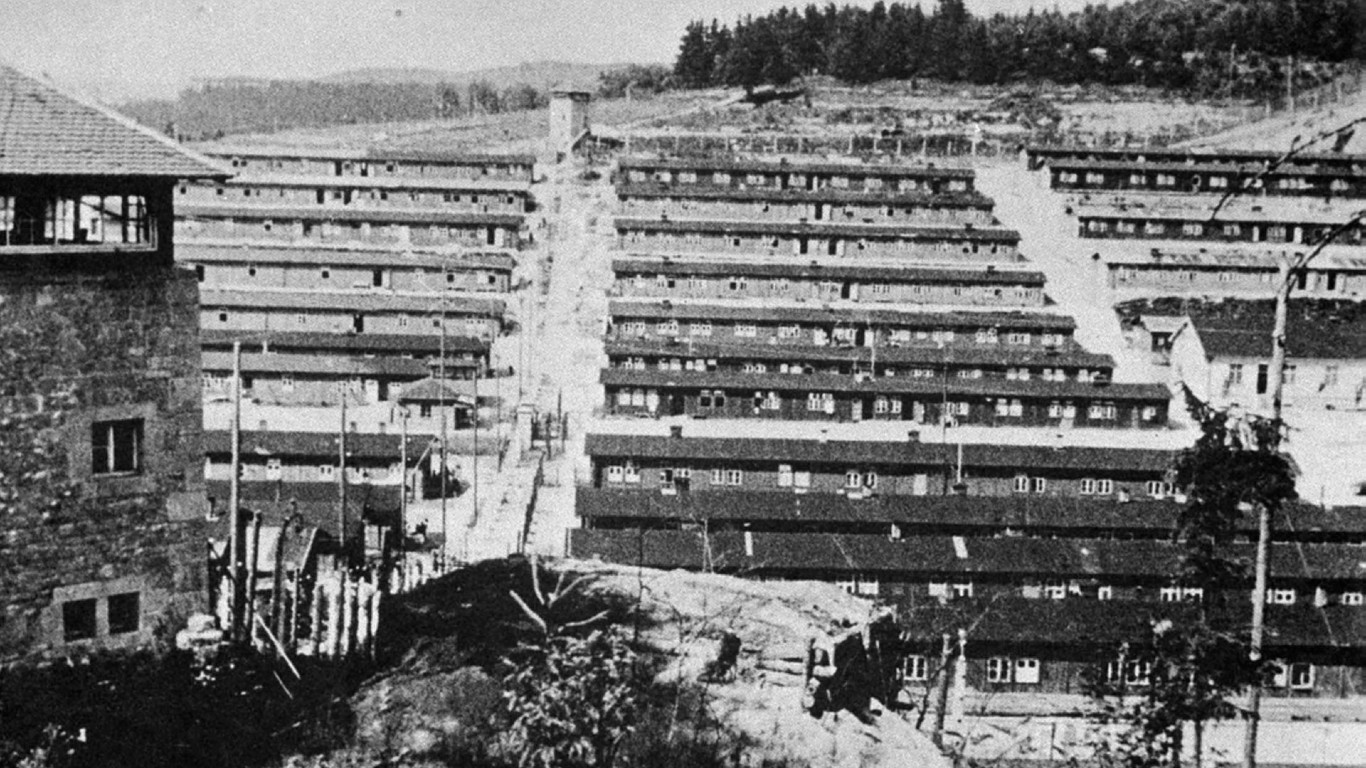
- Country: Germany
- Location: Flossenbürg, Bayreuth
Fort Breendonk
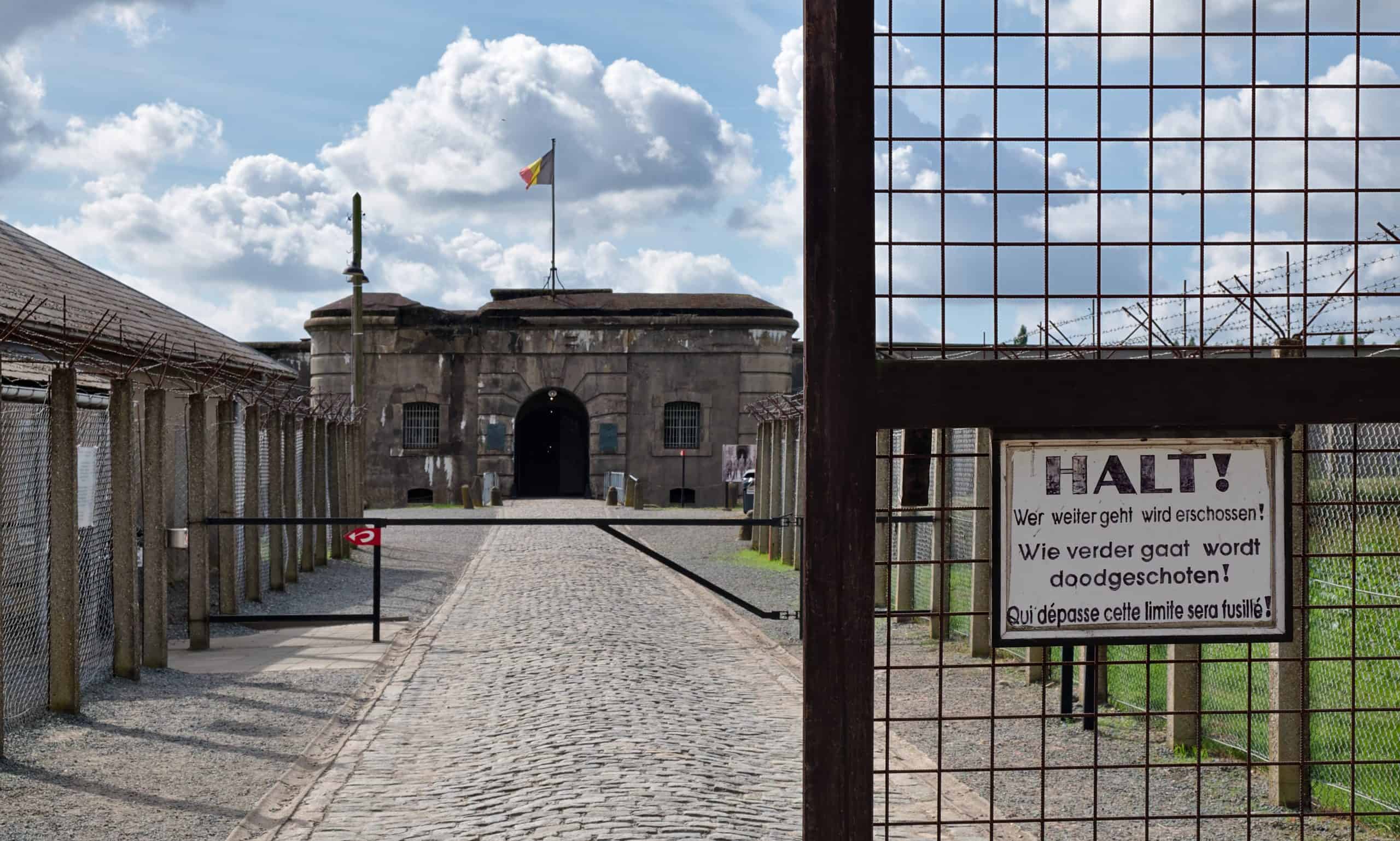
- Country: Belgium
- Location: Breendonk
Fresnes Prison
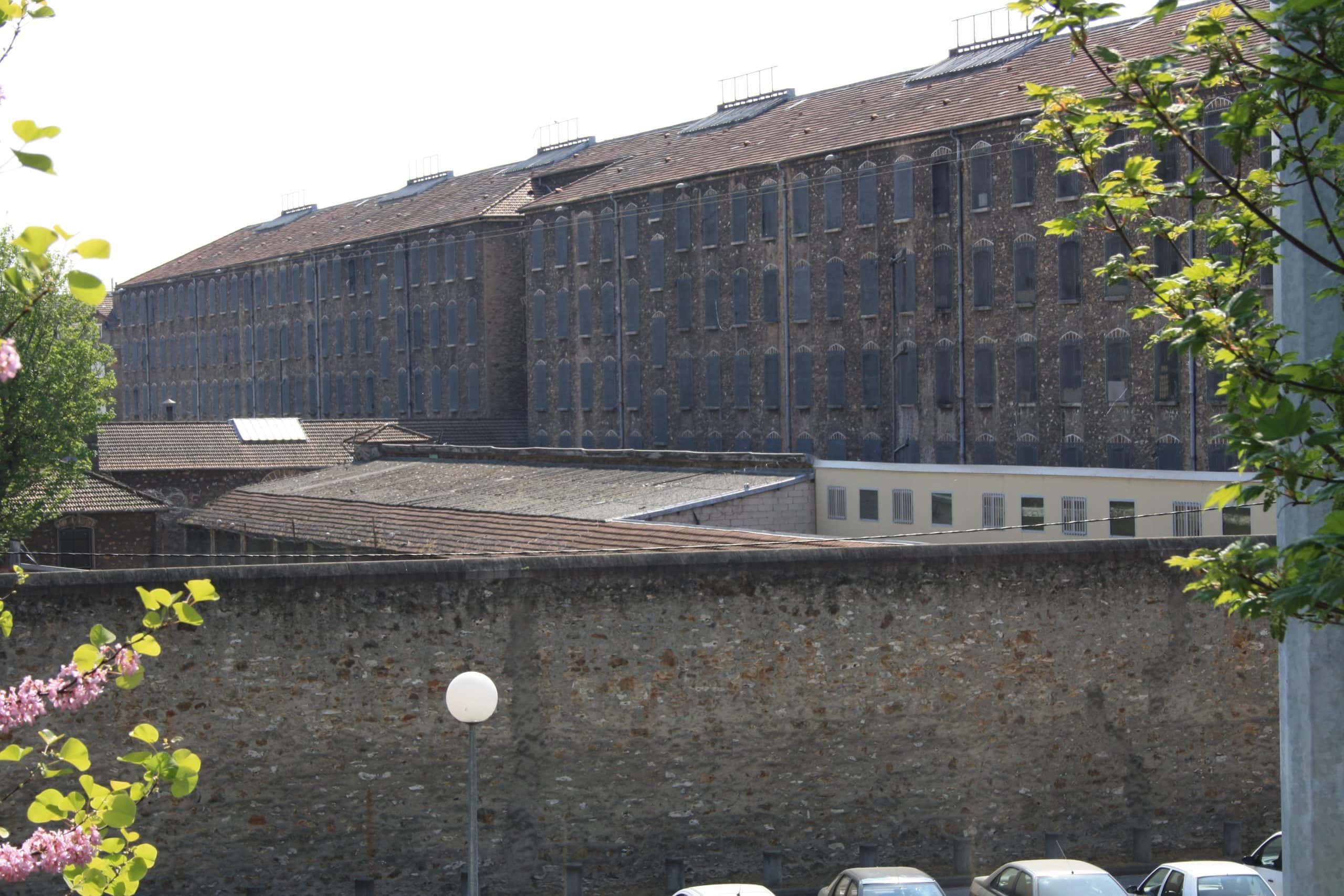
- Country: France
- Location: Fresnes, Île-de-France
- Note: An ordinary prison used by Nazis for political prisoners, not a concentration camp
Hadamar Euthanasia Center
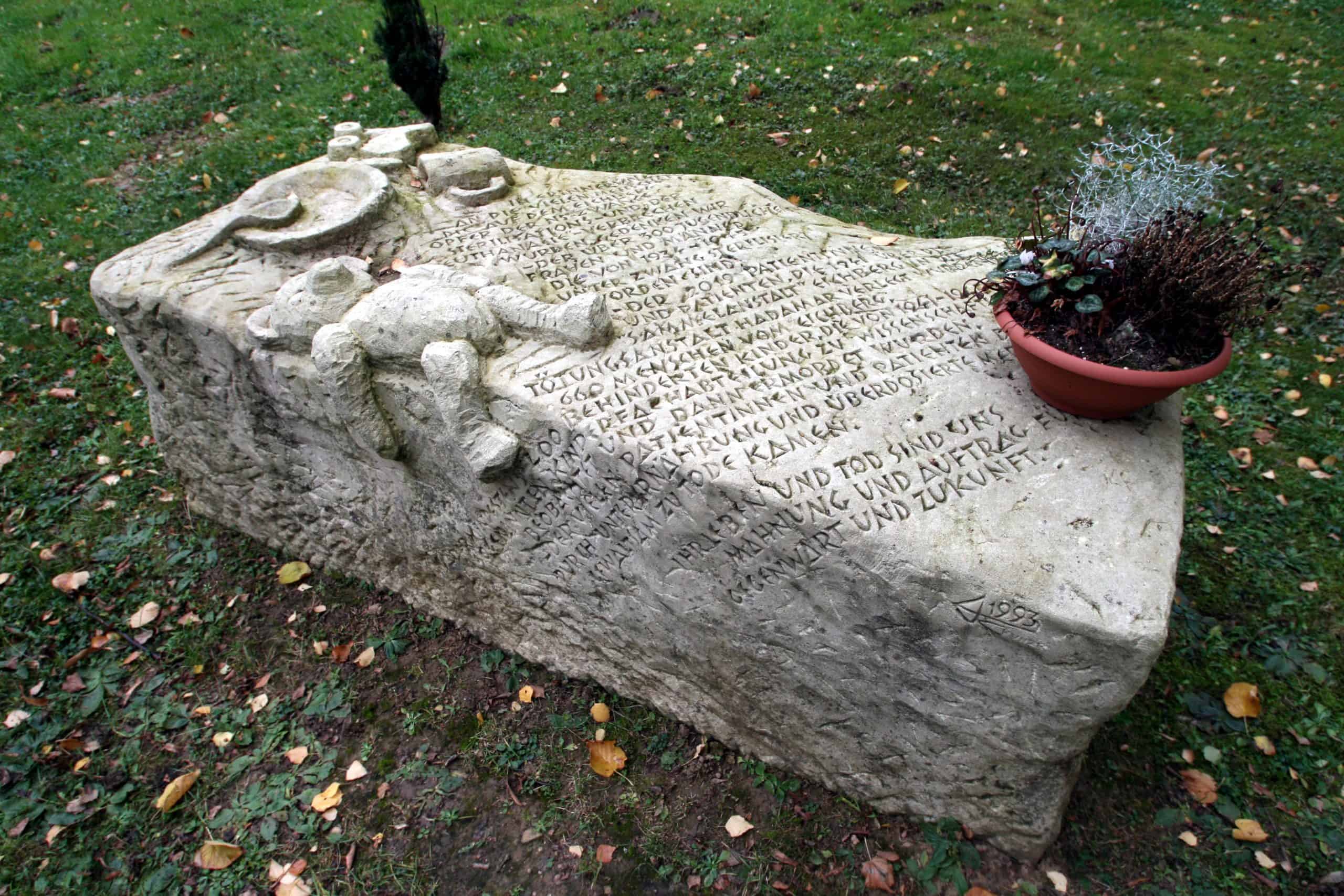
- Country: Germany
- Location: Hadamar, Hessen-Nassau
- Note: As the name implies, this was a T4 euthanasia killing center
HASAG Leipzig
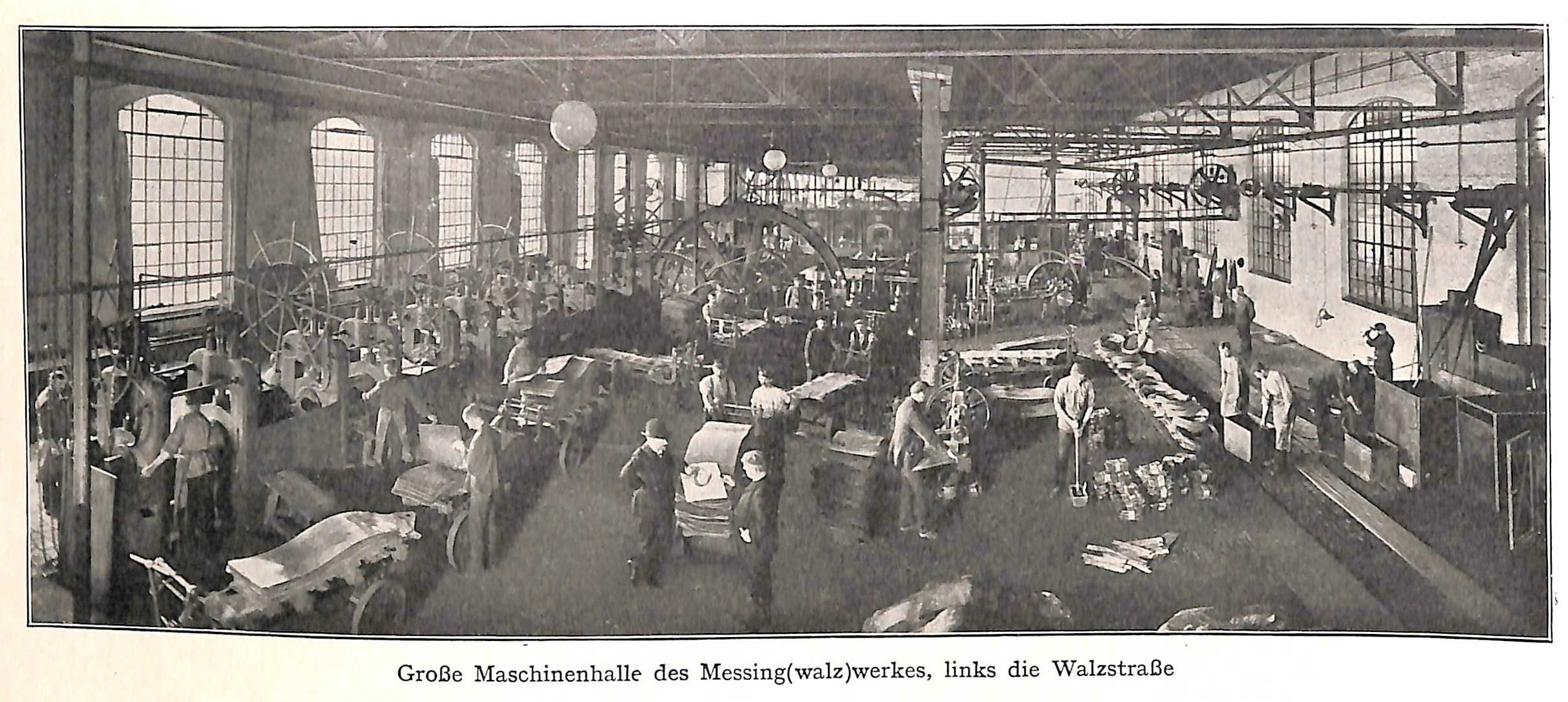
- Country: Germany
- Location: Leipzig
- Note: This was a subcamp/factory site of Buchenwald, not an independent camp.
Kaufering Concentration Camp
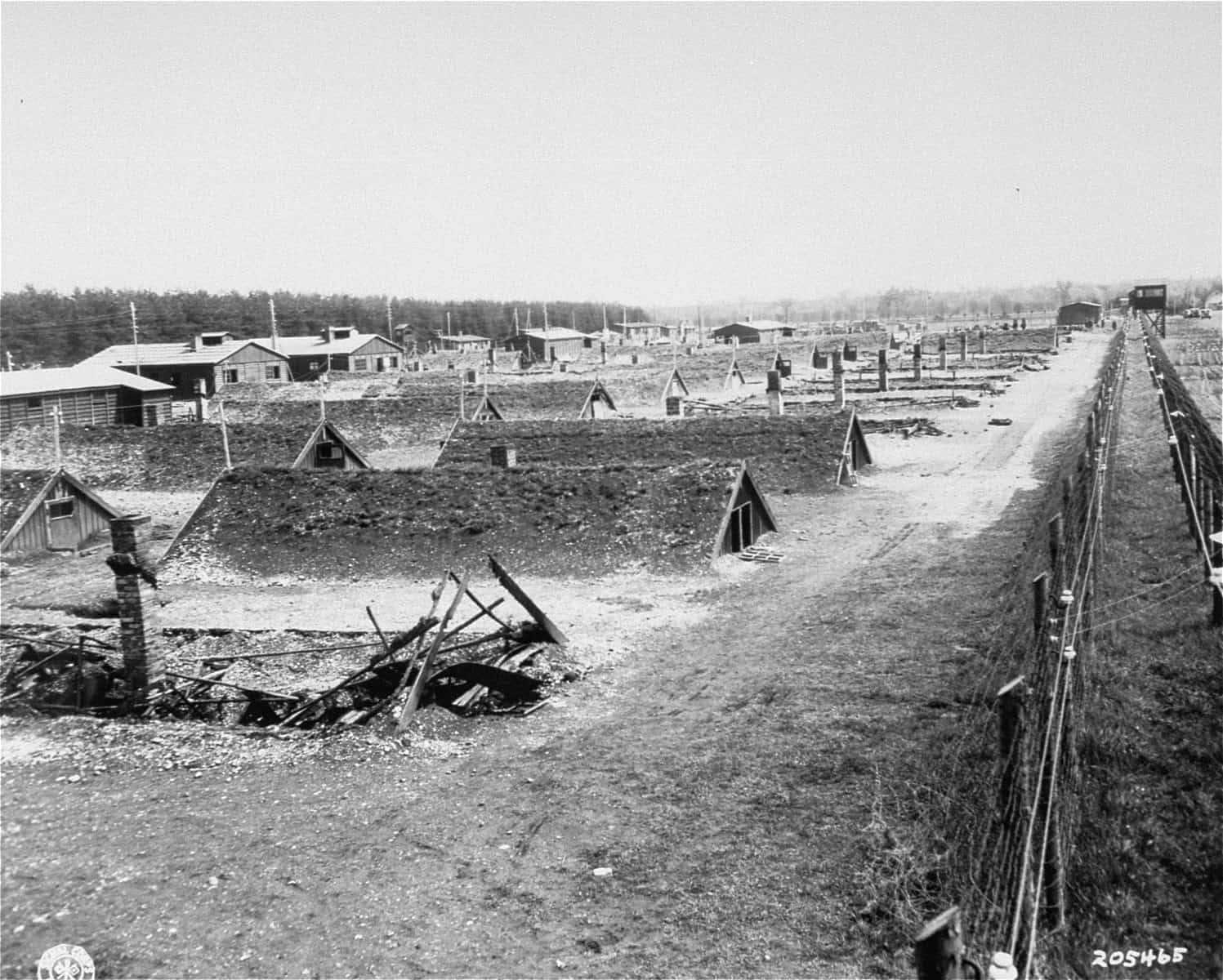
- Country: Germany
- Location: Kaufering, München-Oberbayern
Majdanek Concentration Camp
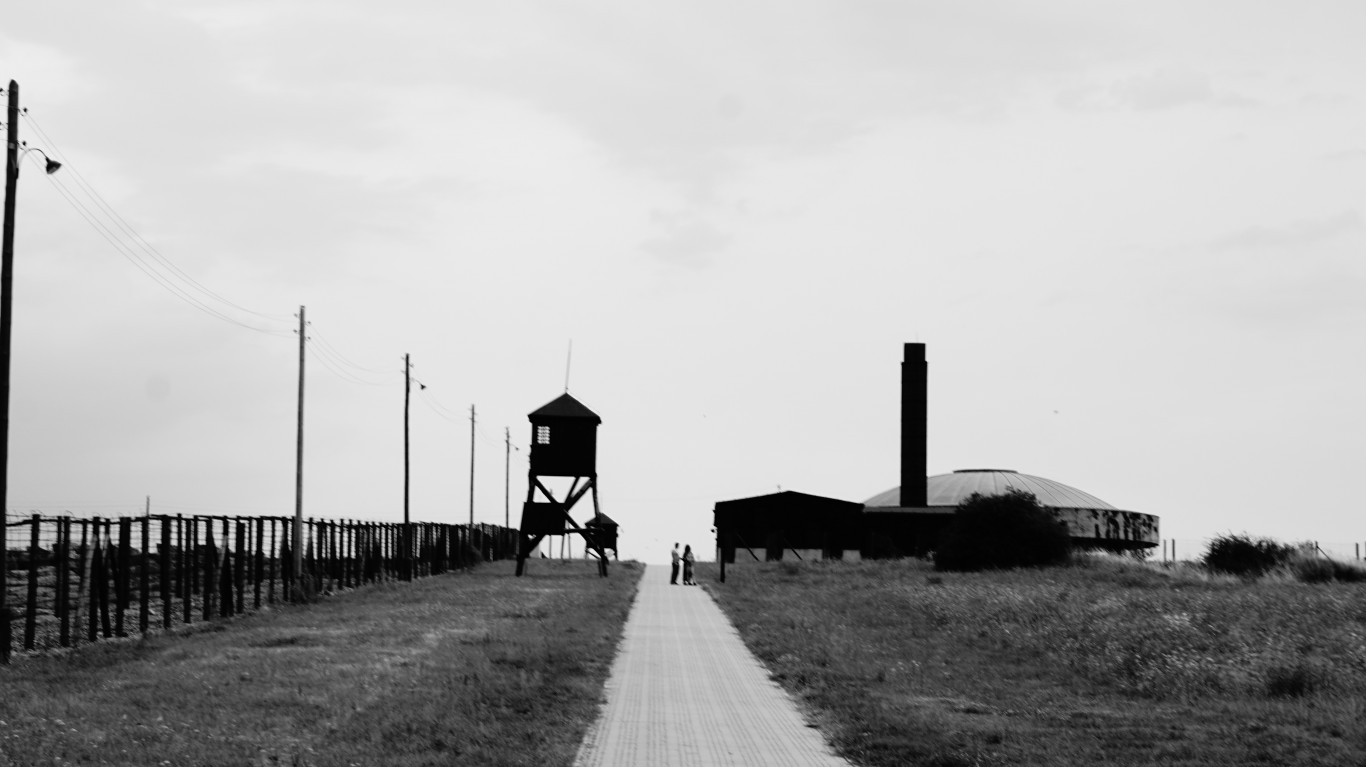
- Country: German-occupied Poland
- Location: Lublin, Lublin
Marlag und Milag Nord
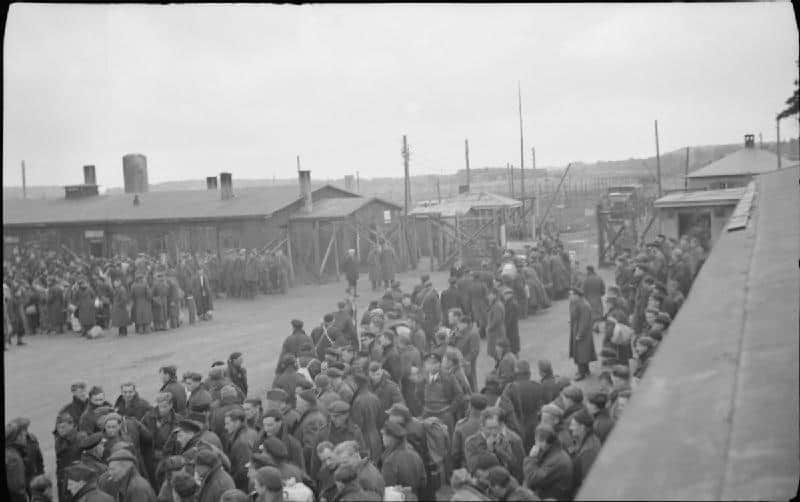
- Country: Germany
- Location: Westertimke, Weser-Ems
Mauthausen-Gusen Concentration Camp
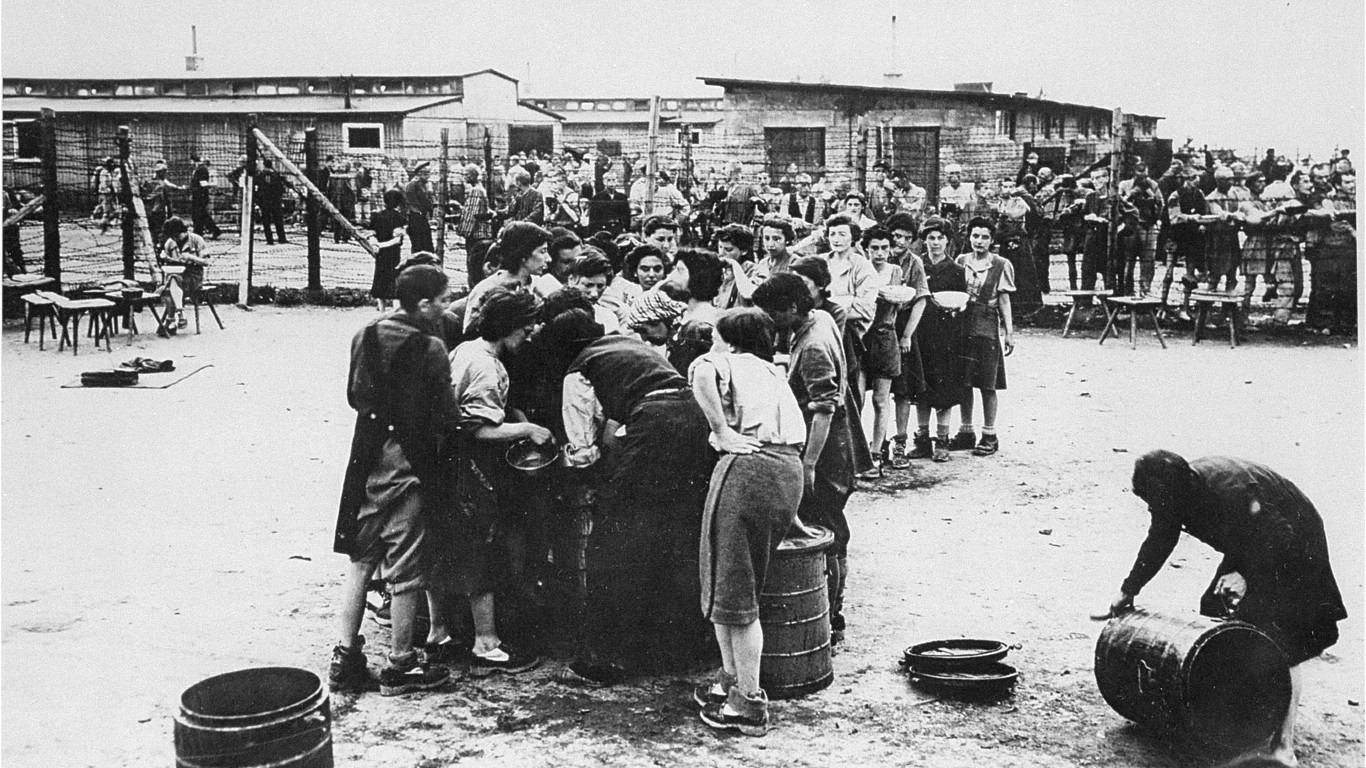
- Country: Austria
- Location: Mauthausen, Oberdonau
Oranienburg Concentration Camp
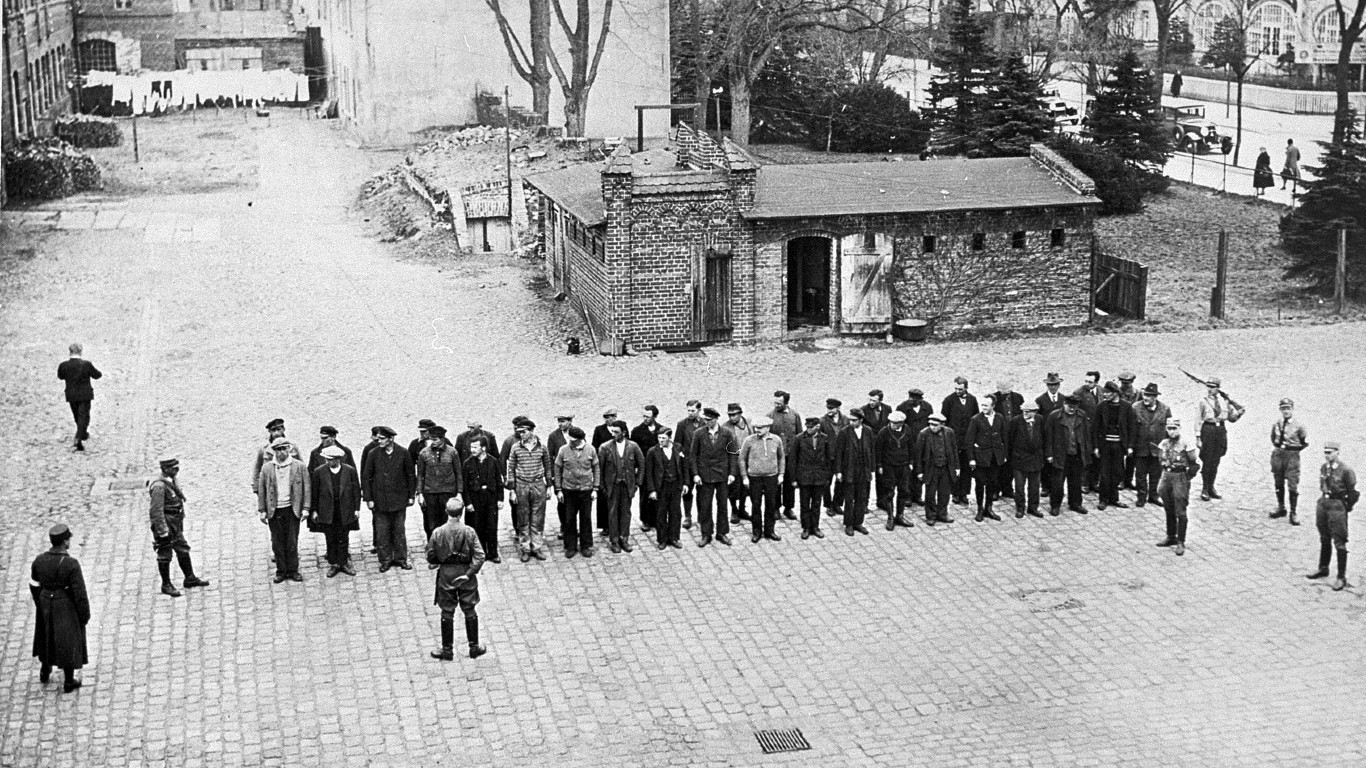
- Country: Germany
- Location: Oranienburg, Mark Brandenburg
- Note: This camp was closed by 1934, so it preceded WWII by several years.
Ravensbrück Concentration Camp
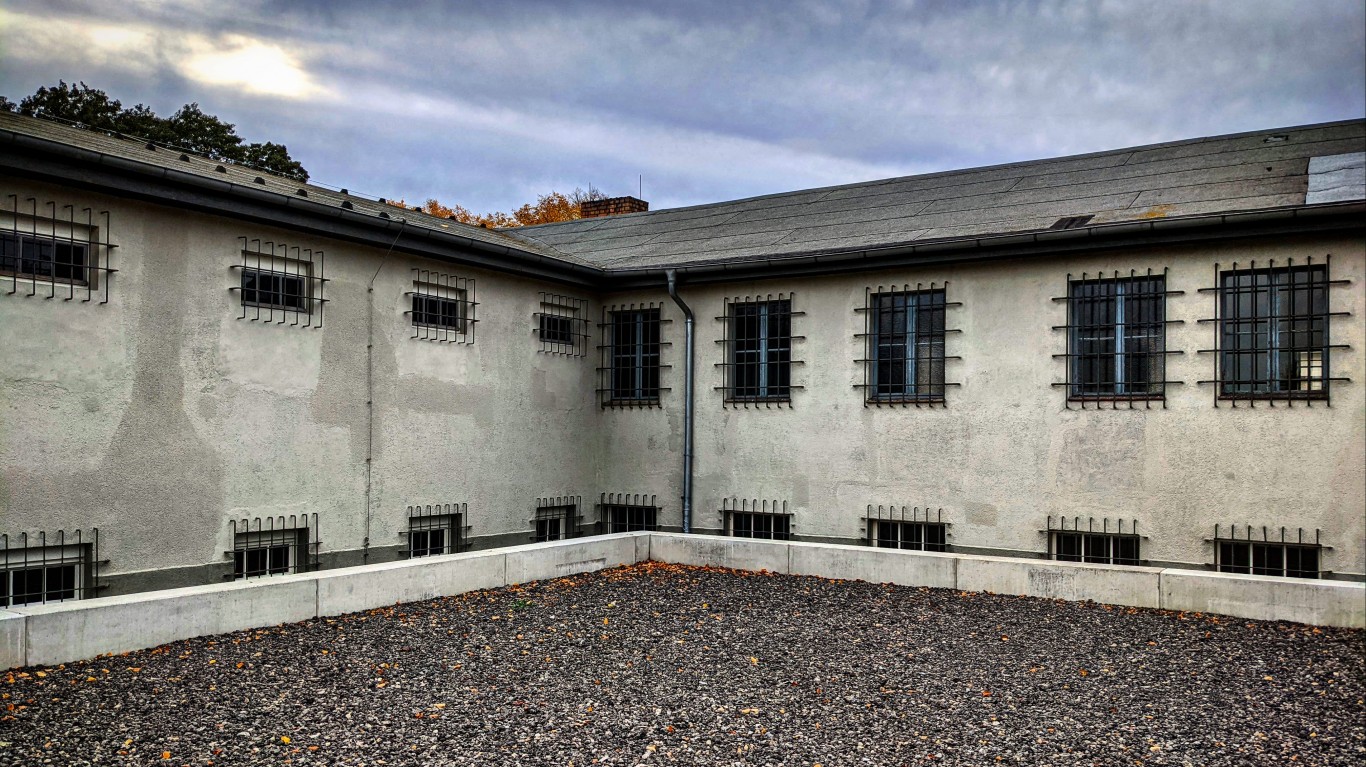
- Country: Germany
- Location: Ravensbrück, Mark Brandenburg
Sachsenhausen Concentration Camp
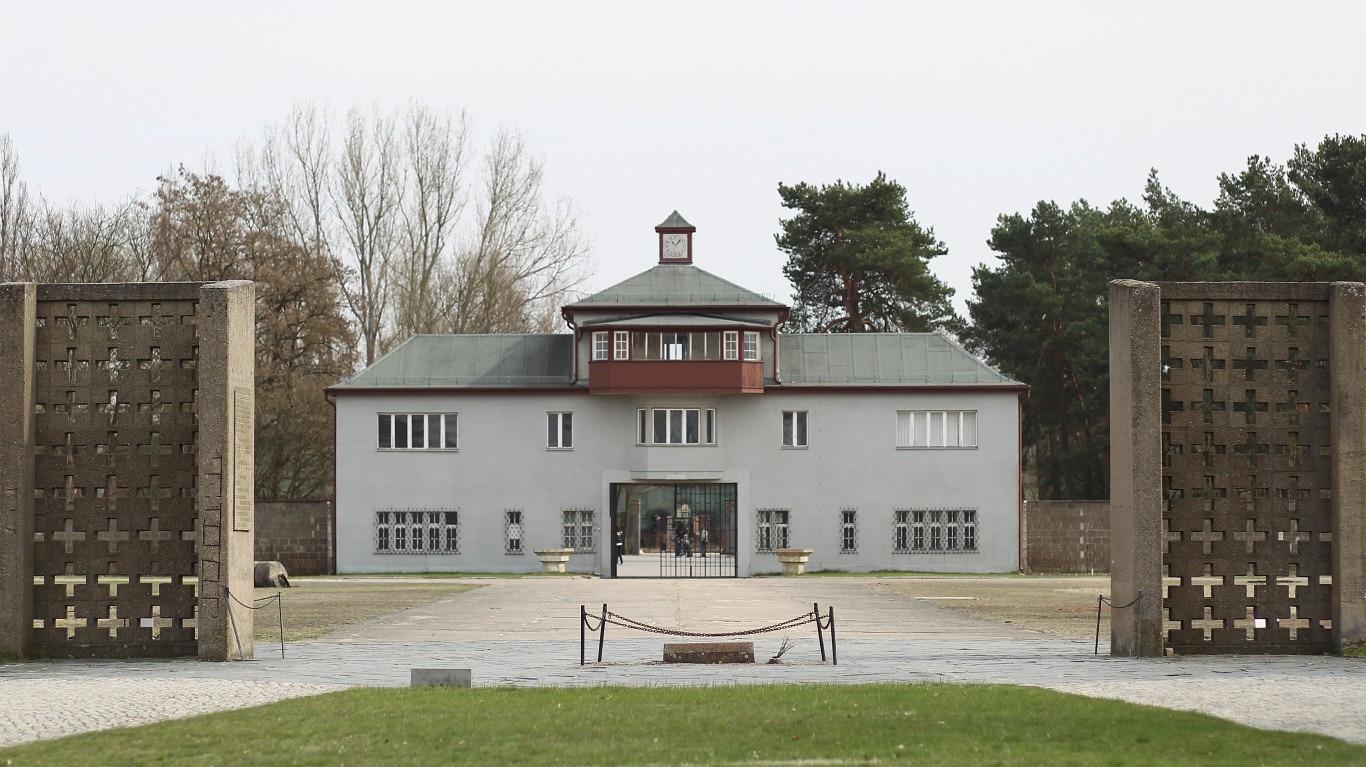
- Country: Germany
- Location: Oranienburg, Mark Brandenburg
Sobibór Concentration Camp
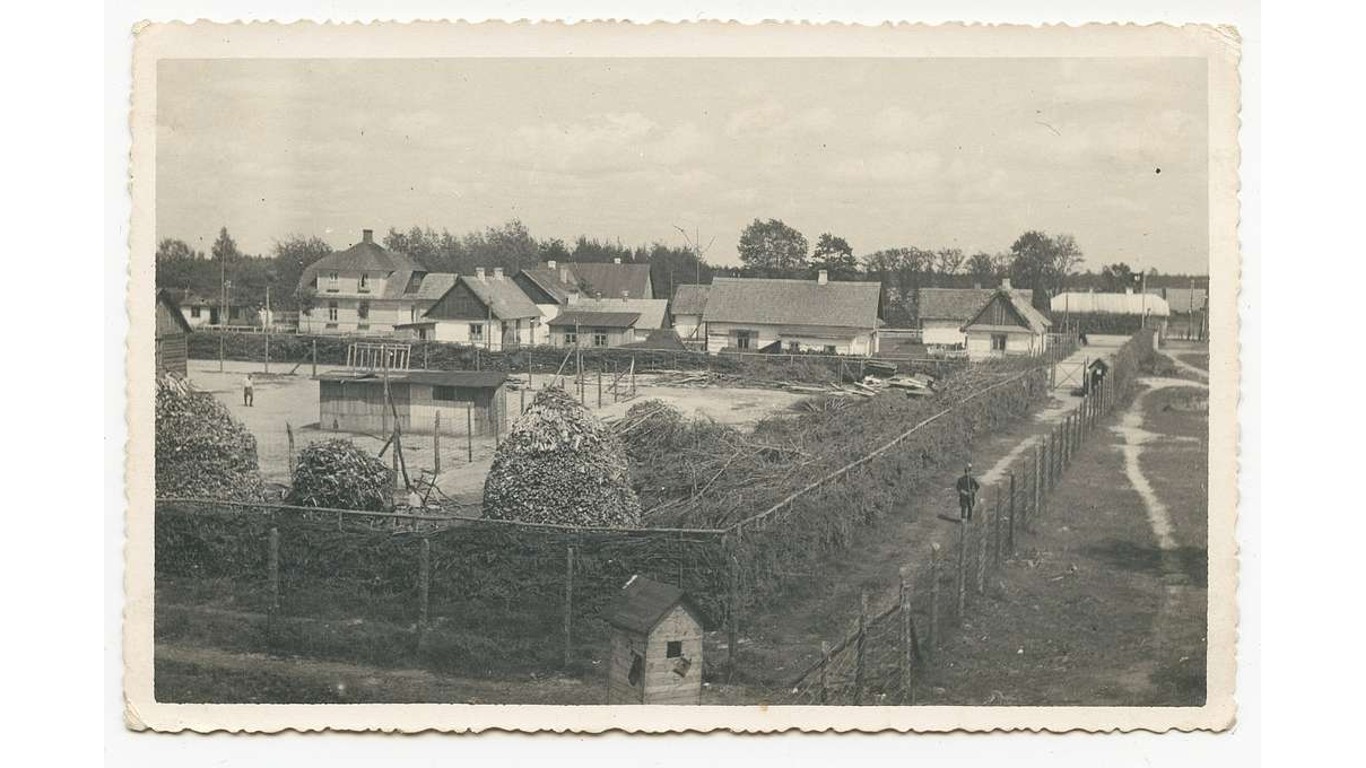
- Country: German-occupied Poland
- Location: Sobibór, Lublin
Theresienstadt Concentration Camp
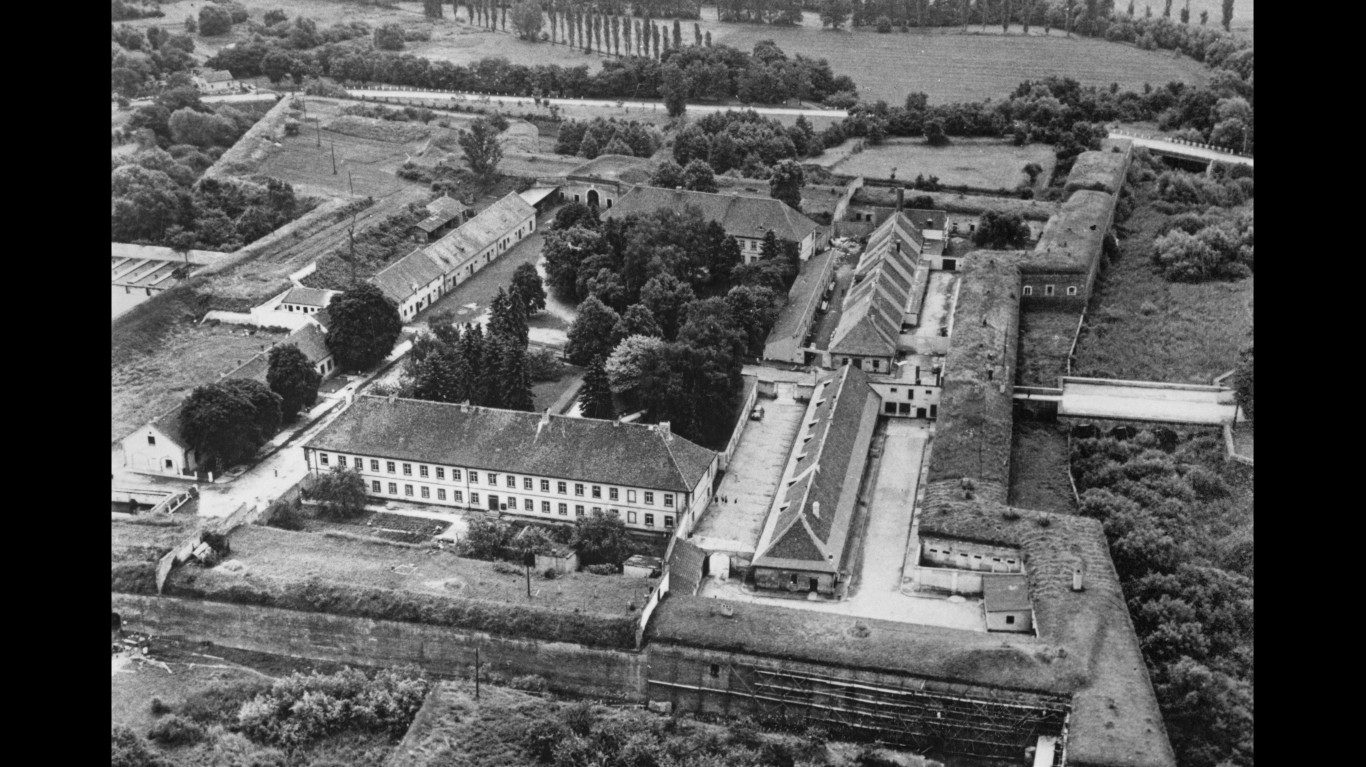
- Country: Czechoslovakia (under Nazi control as the Protectorate of Bohemia and Moravia)
- Location: Terezín, Cechy
Treblinka Concentration Camp
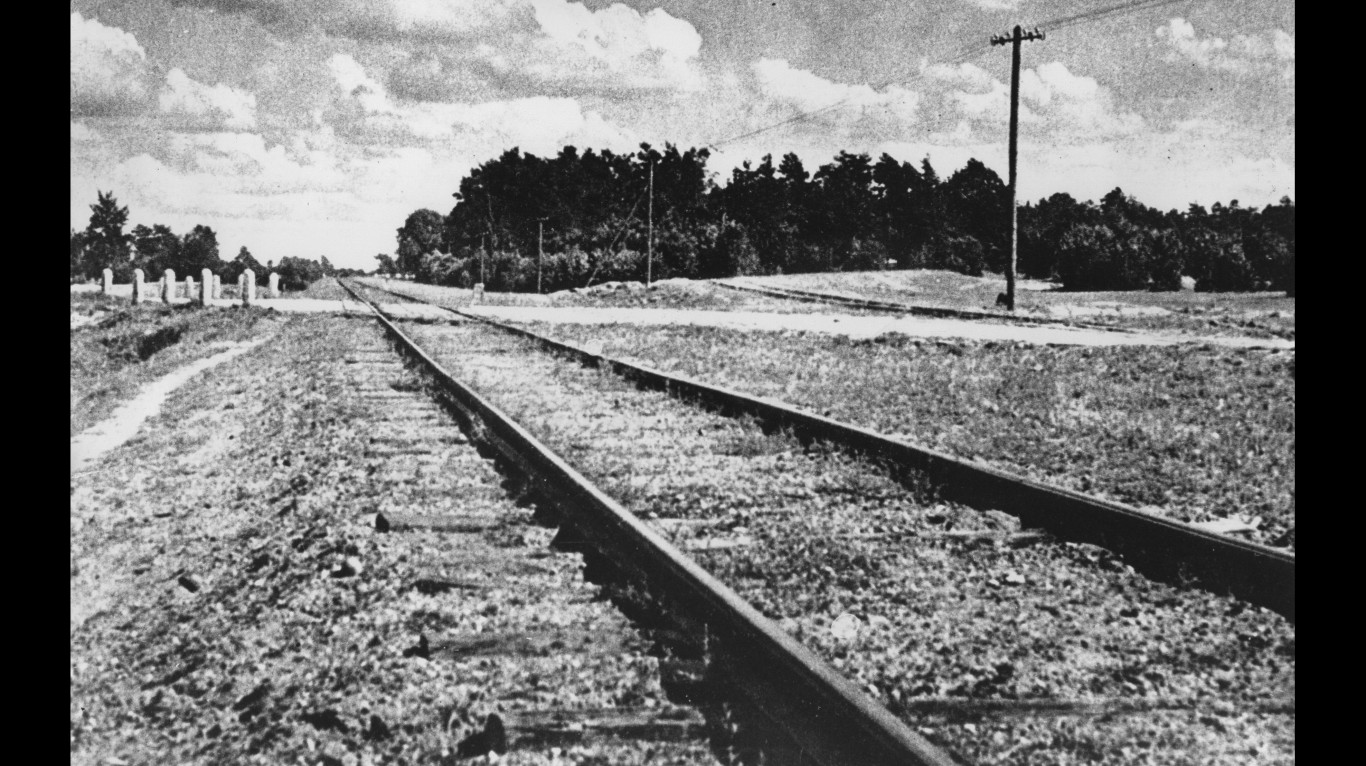
- Country: German-occupied Poland
- Location: Treblinka, Masovian
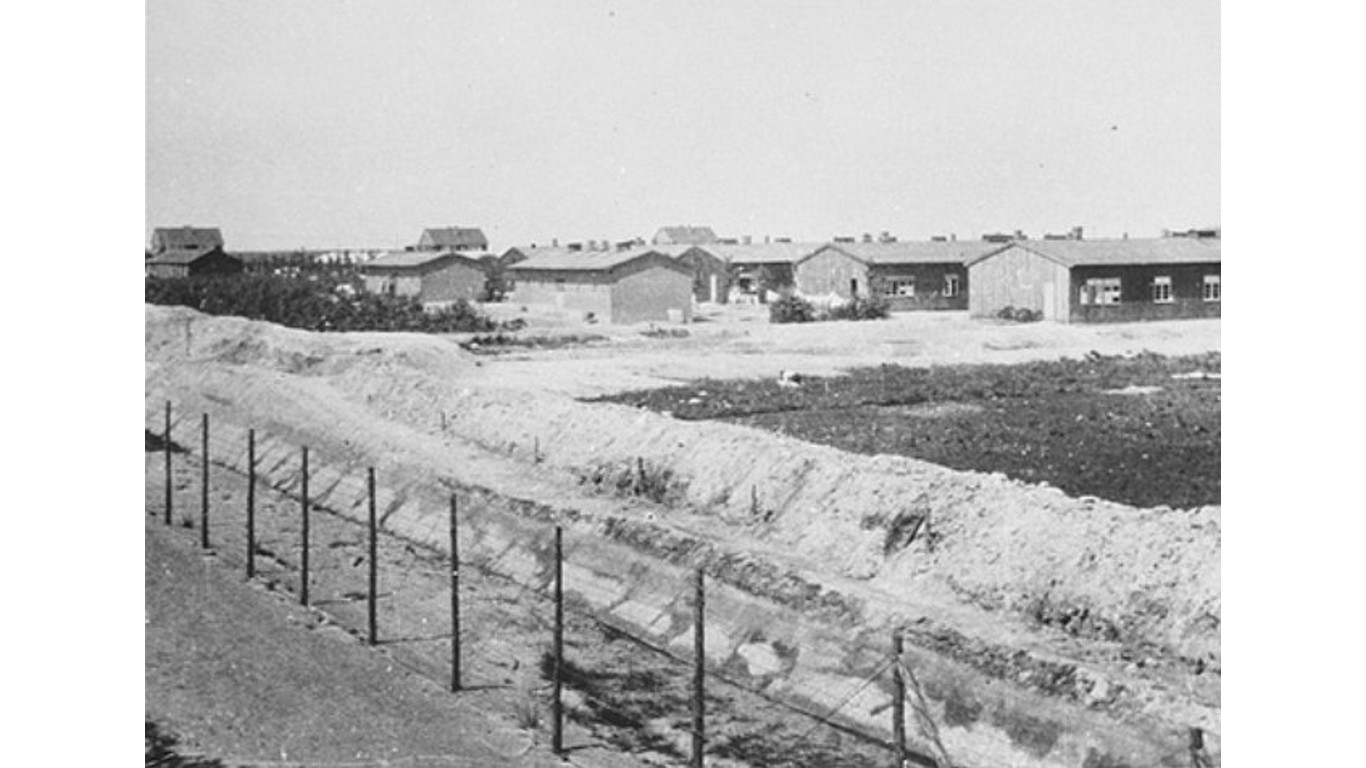
Westerbork Camp
- Country: Netherlands
- Location: Hooghalen, Drenthe
- Note: This camp originally served a different purpose but became a transit camp under Nazi occupation.






 Top Gaining Stocks
 Top Losing Stocks