


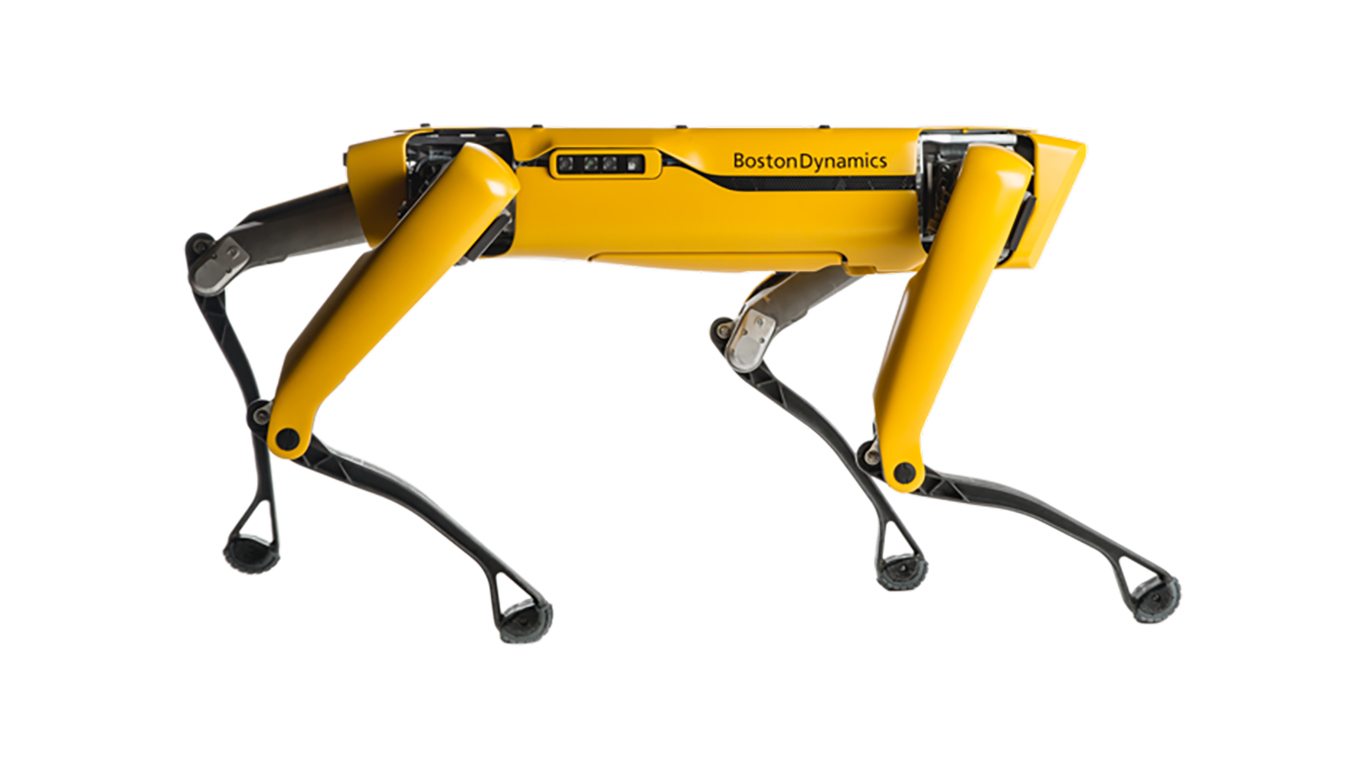
Back at the beginning of 2024, China released footage of a robot dog armed with a service rifle undergoing training in Cambodia. The low-cost remote-controlled canines are reported to offer tactical advantages that the People’s Liberation Army (PLA) will look to exploit in the coming years. China is far from alone in this field; robot dogs are already in use in Ukraine. Russia (evidence showed a robot dog, M-81, armed with a rocket launcher in 2022) and the United States (testing stage) are also developing their own versions. This article will look at what China’s venture into quadrupedal-unmanned ground vehicles (Q-UGVs) means and how that could affect battlefields of the future.
This post was updated on October 27, 2025 to clarify the estimate-based information on China’s robot dogs, Russia’s robot dog evidence, U.S. in testing stage, Forbes/Armourers Bench reporting on speed and battery life, valuations are approximate, and problems with robot dogs thus far.
Why This Matters
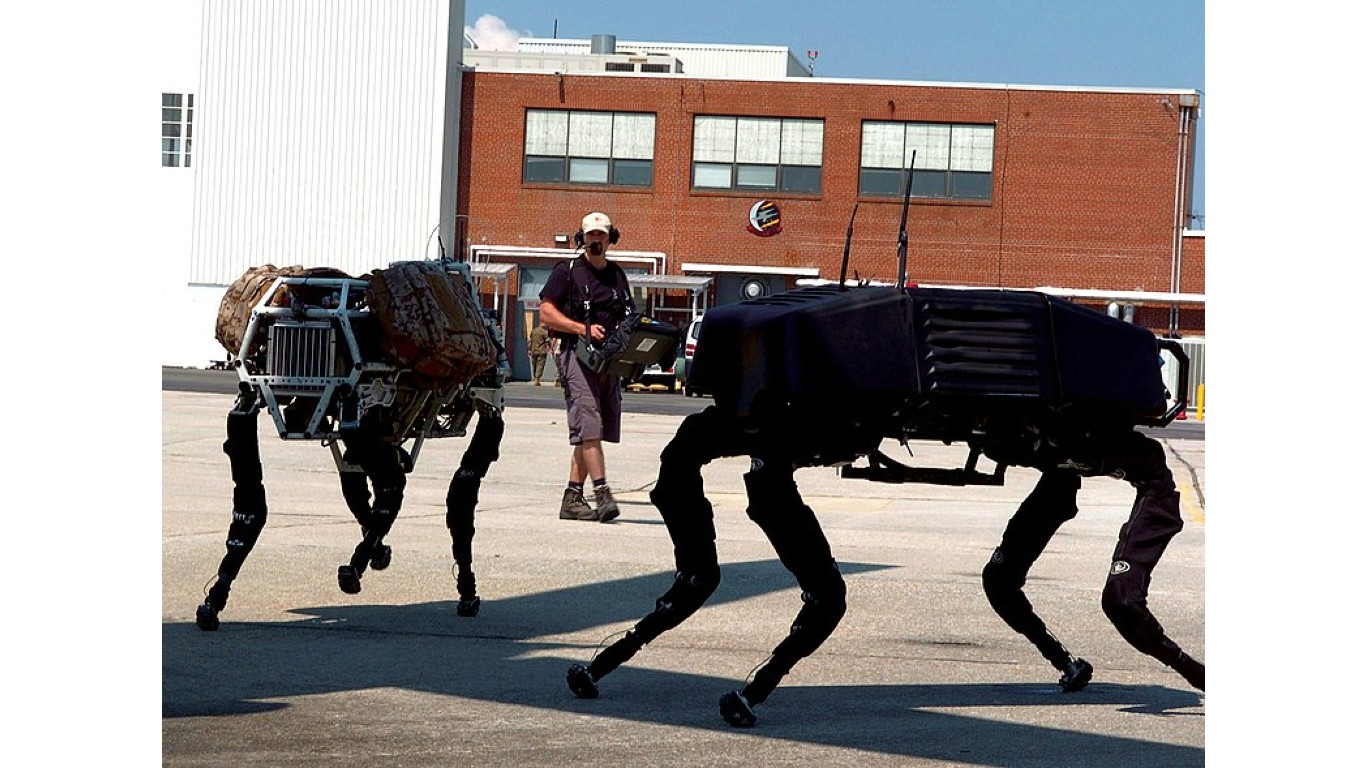
One of the most difficult environments for infantry to operate in is urban warfare. Some theorists posit that in modern war; the aggressor needs a 3-to-1 advantage to be confident of success. In a city, that ratio climbs to 7-to-1. Clearing hostile urban environments is dangerous, difficult, and tedious work. Robot dogs won’t exactly eliminate the risks of city warfare, but they can help mitigate a lot of the dangers.
If China seeks to forcefully assert its claim on Taiwan, robot dogs could help secure the densely populated northwest of the island. Robot dogs offer many possibilities but also raise serious ethical concerns. Equally, the lessons taken from Ukraine’s use of drones against Russia will be valuable in forming future policy.
Unitree GO2 Pro Features
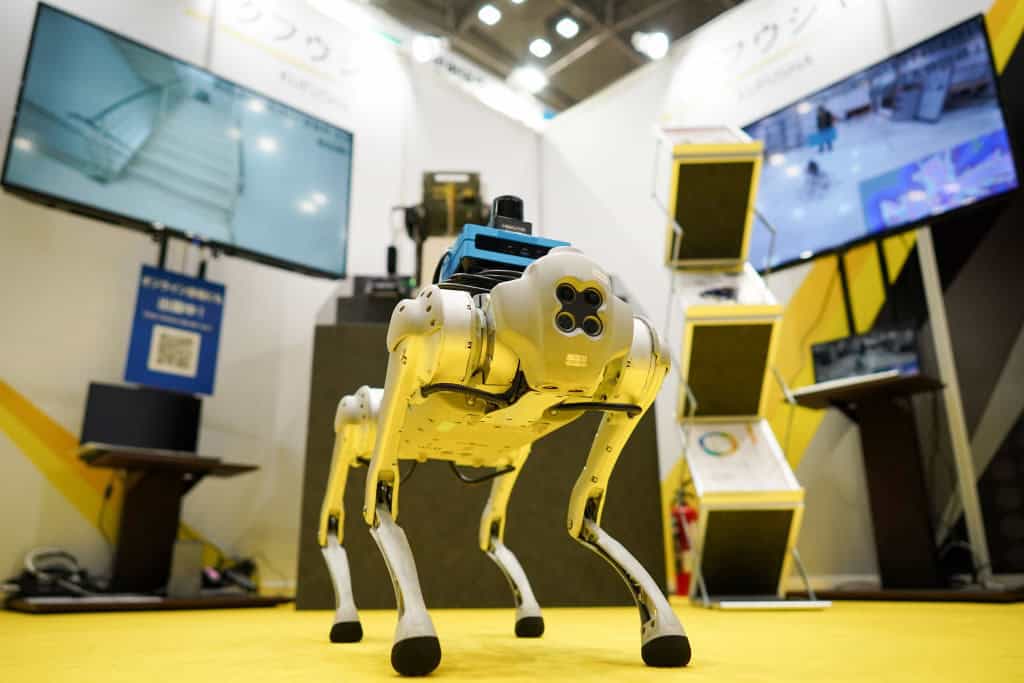
The PLA showcased GO2 Pros manufactured by Unitree, a Hangzhou-based company that denies supplying robot dogs to the military but whose logo is clearly visible in the footage. Unitree might not formally condone the militarization of its device, but there doesn’t seem to be much stopping China or other militaries from using it in combat. The GO2 Pro retails for about $3,000, and the QBZ-95 affixed to it reportedly only costs around $450. It can move at a brisk 9mph, be controlled from up to two miles away, and has a battery life of roughly five hours. (Though data is not consistent, with Forbes/Armourers Bench listing speed at “just under 8 mph” and battery life at “2 hours”). Its exceptionally low cost means that it can be replaced easily and acquired by non-state actors and minor militaries alike.
Tactical Applications
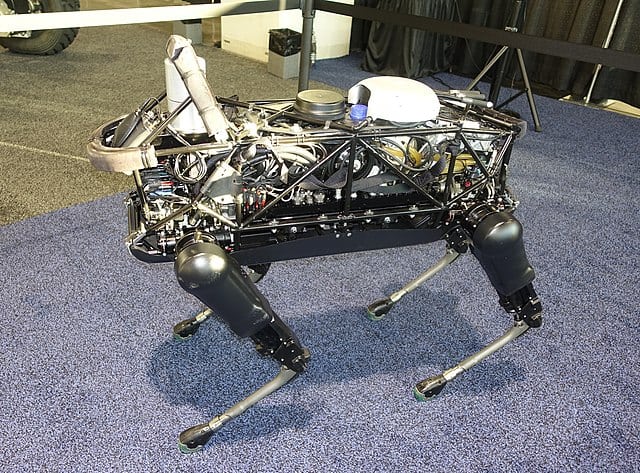
A Q-UGV could offer tactical applications that a flying drone cannot. While a flying drone won’t trigger mines or booby traps as a robot dog would, any explosive triggered by a robot dog is one that won’t harm a human soldier. Their data can be wiped remotely in the case of capture, so they do not present a serious intelligence risk. Additionally, an aerial drone is hard to control indoors, but piloting a remote-controlled dog is a much easier task for the human operator. They’re also very difficult to detect as they don’t show up in thermal imaging. The war dog’s loadout is easily adjusted depending on the situation. A Q-UGV can be fitted with sensors for reconnaissance or an explosive payload for a one-way trip against a high-value target. Robotic war dogs could also be used for perimeter defense and counter-aerial drone operations. The low cost is highly conducive to experimentation.
These robot dogs, though showing promise, are not yet proven in large-scale combat. For example, a Forbes article states robot dogs got stuck in mud and haven’t yet replaced infantry in frontline operations.
Other Operators
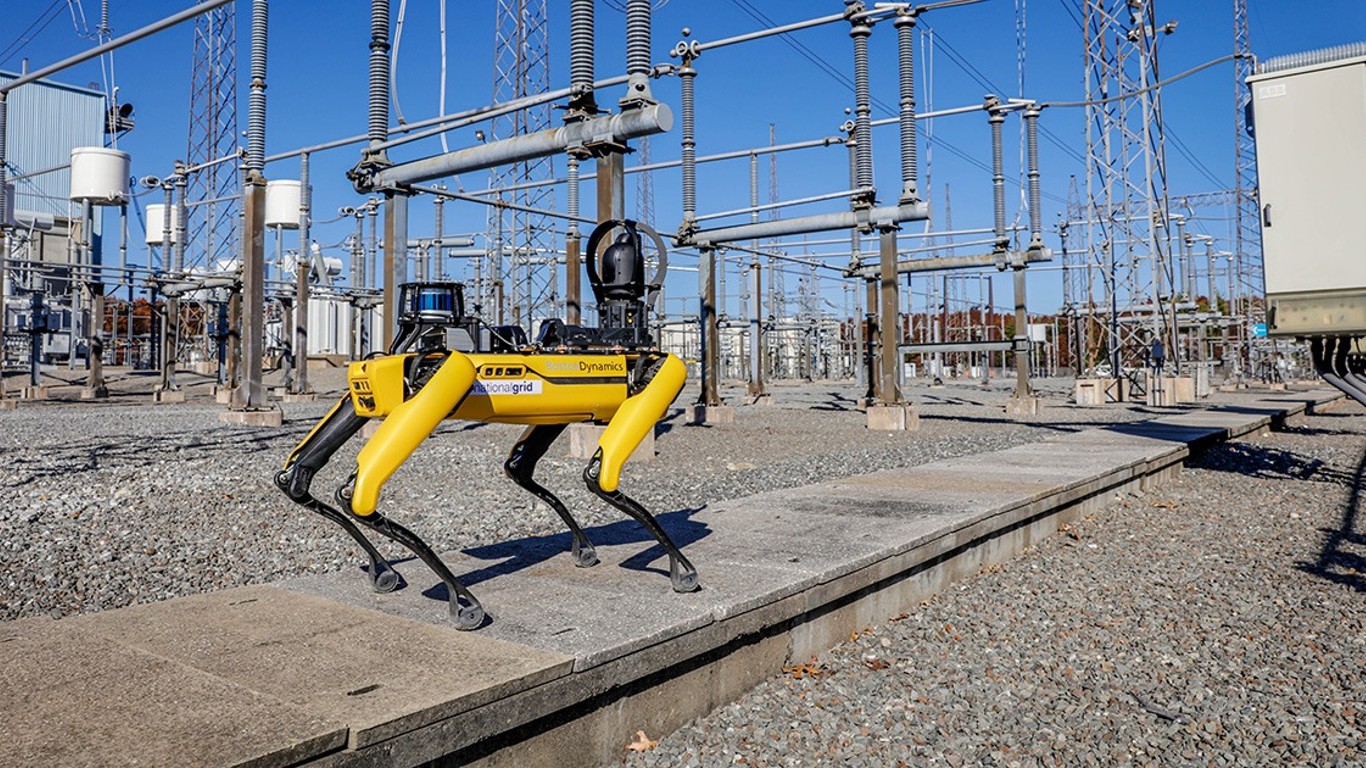
As mentioned earlier, Ukraine already deploys Chinese-made robotic war dogs. They have around 30 supplied by a British company. For a nation with an acute manpower shortage, it is imperative to reduce risks for frontline infantry. Q-UGVs are ideal for screening advances and detecting traps and enemy combatants. In 2022, Russia unveiled its own version, the M-81, equipped with a rocket launcher. Like Ukraine, the M-81 is simply a modified version of the commercial models made by Unitree.
In October 2024, the United States tested war dogs mounted with an AI-controlled turret for anti-drone operations. The Ghost Robotics Vision 60 is specifically designed for the US military rather than a modified civilian device.
Ethics and Controversies
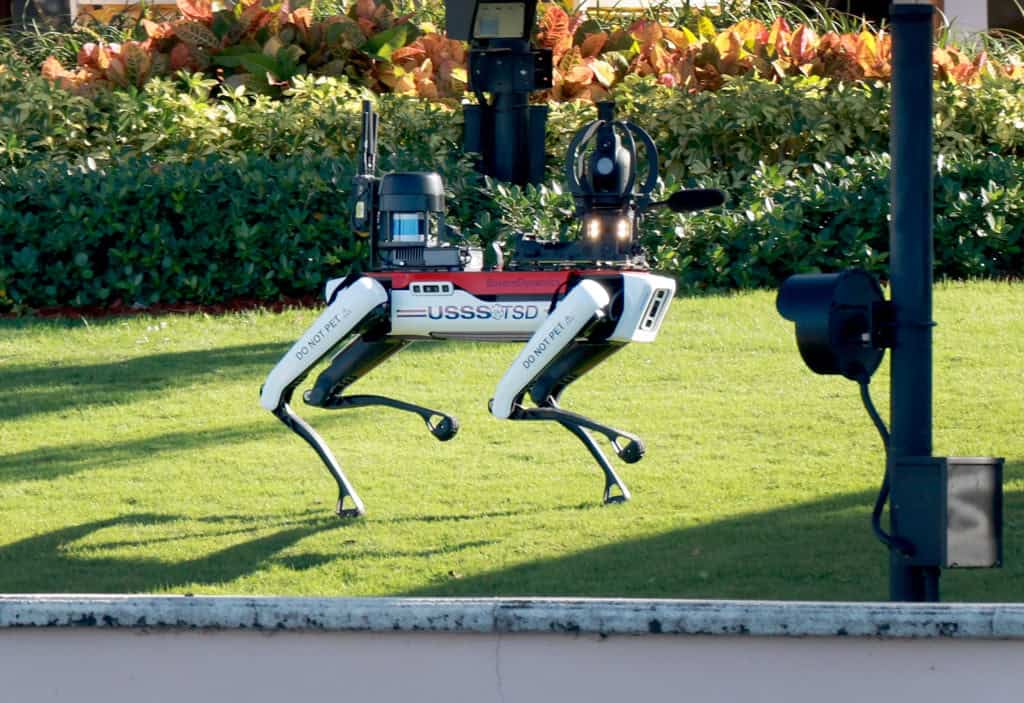
The sight of a robotic dog is unsettling to most. When the New York Police Department deployed unarmed robot dogs on the streets of New York, the public backlash was so severe that the trial was cut short. The manufacturer, Boston Dynamics, is adamant its robots will never be weaponized. There are around 1,000 robotic dogs in operation in 35 countries, but there are concerns over the lack of transparency. Like other autonomous systems, war dogs raise the issue over AI and the use of lethal force.
Another rather odd concern about robotic dogs is uniquely human. Their appearance draws an emotional response. When a Boston Dynamics demonstration involved kicking an inanimate object, it drew backlash online. There is a danger that human operators of robotic dogs might get too attached to them to use them properly. Research has already shown that bomb disposal teams grow unusually fond of their robotic assistants and fear losing them. A device that resembles man’s best friend will tug on the heartstrings that much more.
Conclusion
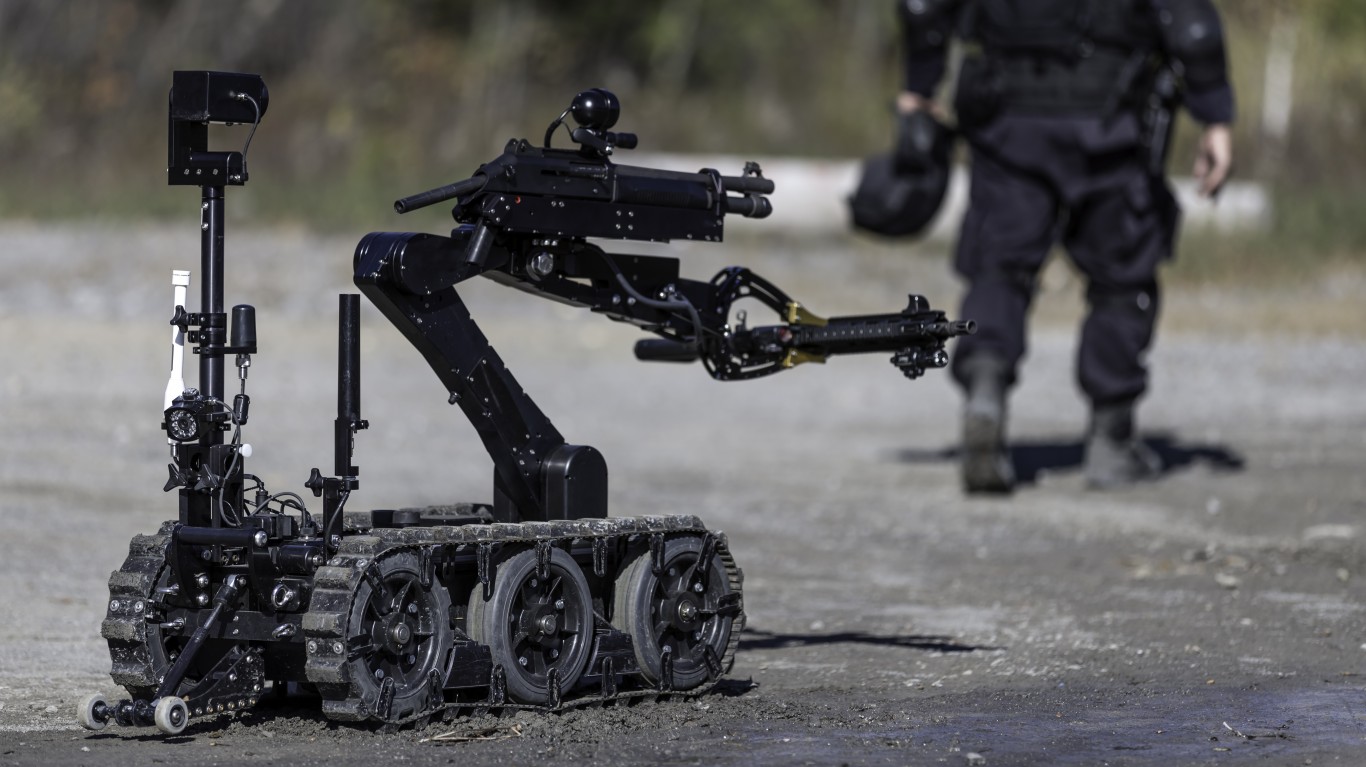
It is no longer a question of whether or not robotic war dogs will be weaponized in the future. They are already here, and China is just one of several nations exploring the possibilities. The advantages are obvious – war dogs provide great flexibility for very little outlay. A Q-UGV can screen the advance of infantry, detonate mines and other traps, and save many lives. Like other autonomous systems, they come with ethical concerns. However, unlike other devices, the canine appearance could cause problems for sentimental operators.
The robotic war dog is still a puppy in some respects, but it could grow into a monster if not carefully managed.











 Top Gaining Stocks
 Top Losing Stocks