


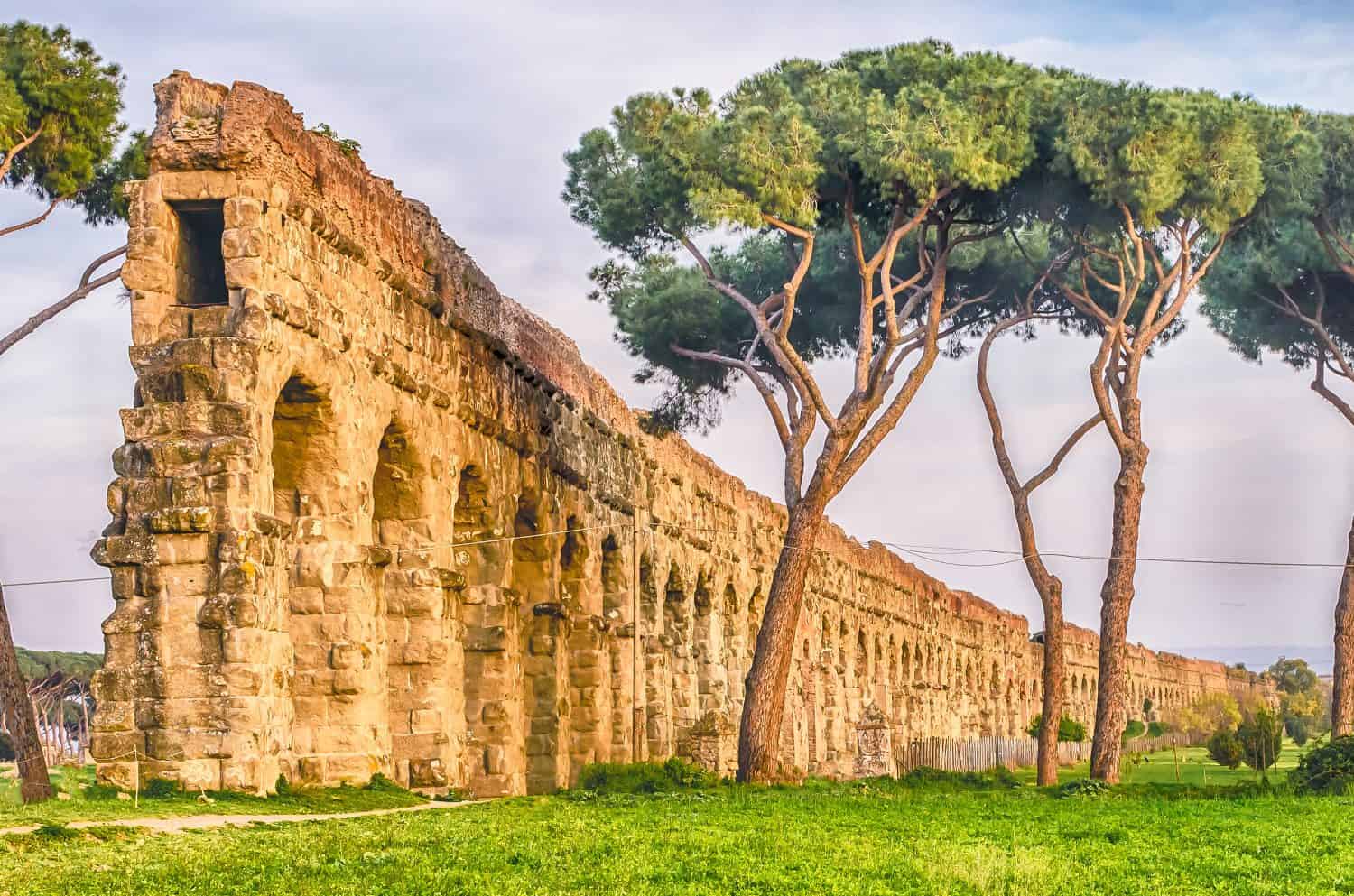
The Roman Republic
From 509-27 BCE, Rome was governed as a Republic that became a model for the United States and other modern governments. During this period, it expanded from a single city to control Italy, Greece, Spain, and much of North Africa.
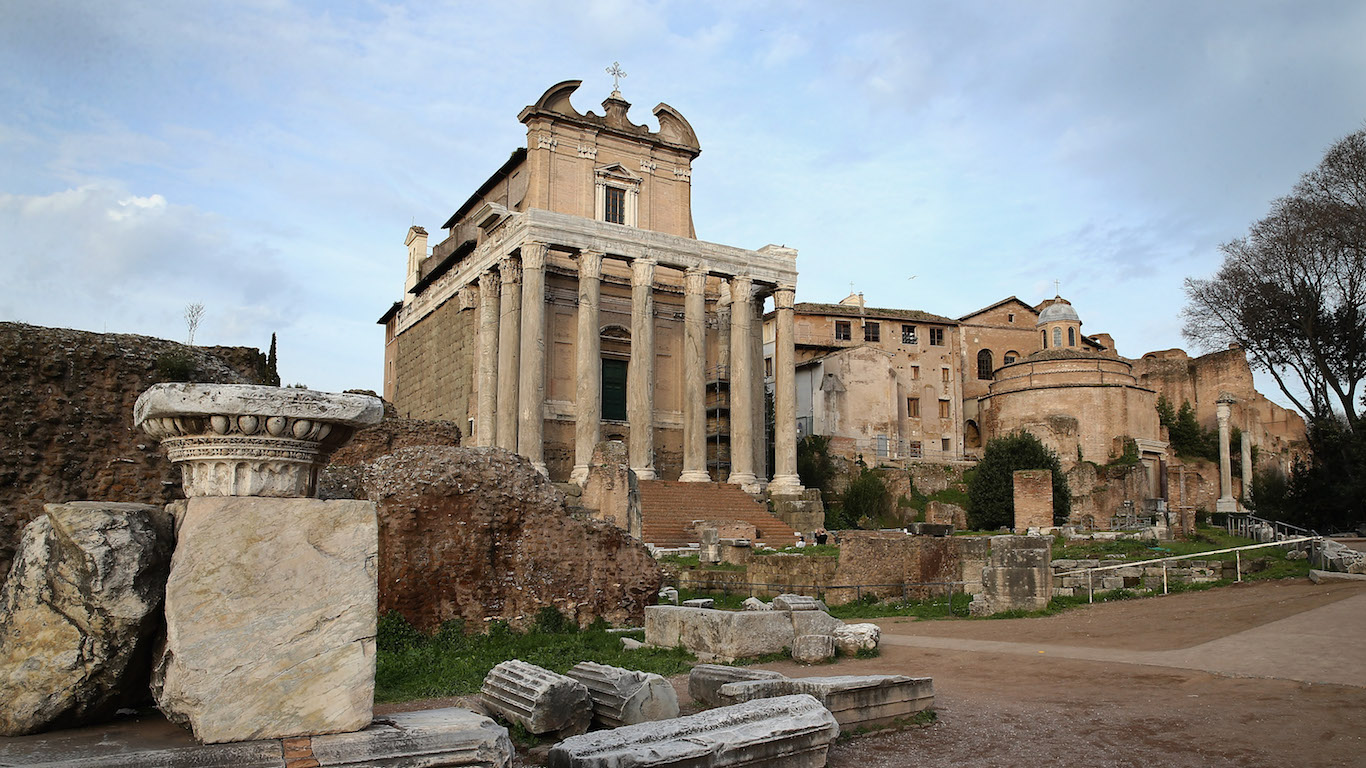
The Roman Empire
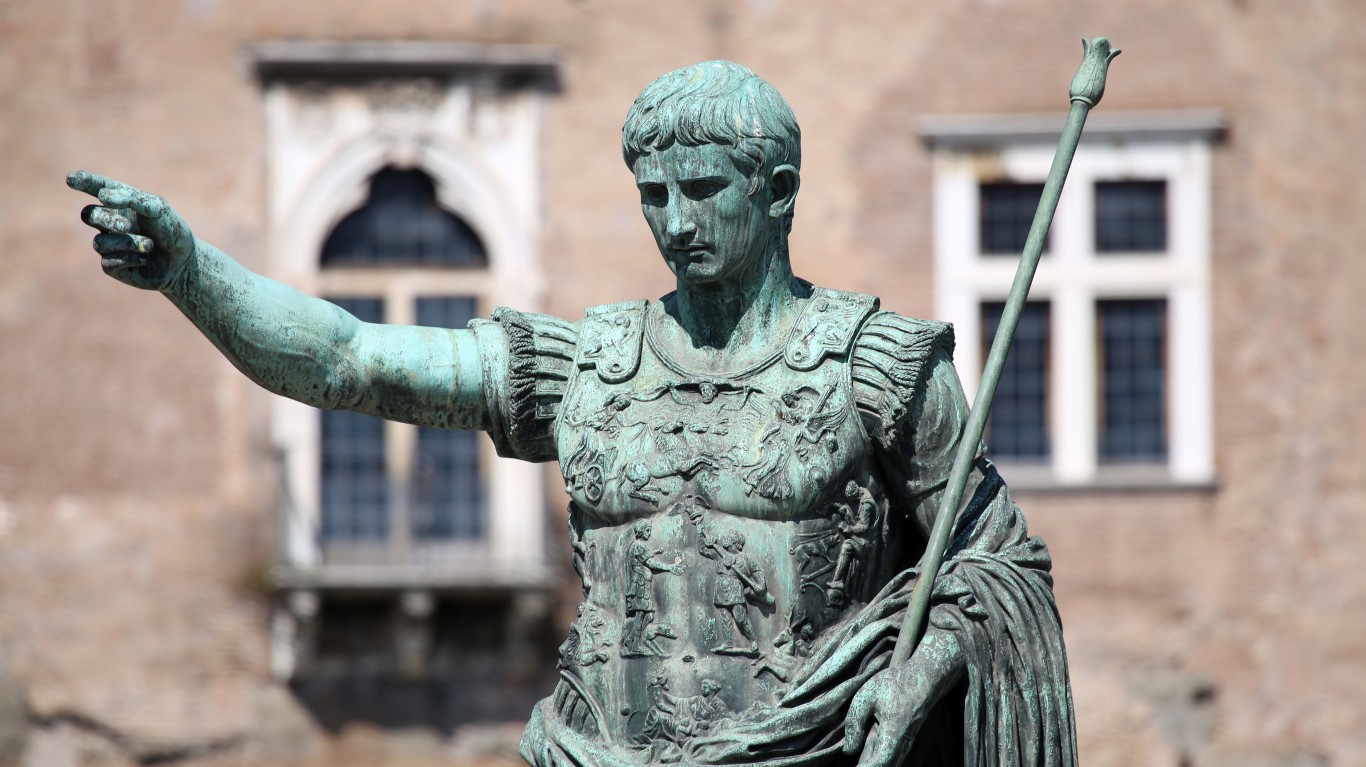
After Julius Caesar was assassinated, Augustus was crowned Emperor, ending the republican period. The country expanded to take over what is today Britain, France, Egypt, Judea, Syria, and Mesopotamia. Emperor Trajan ruled Rome when it was at its largest, including what are today Armenia and Romania, and reached the Persian Gulf.
Obstacle 1: Scotland
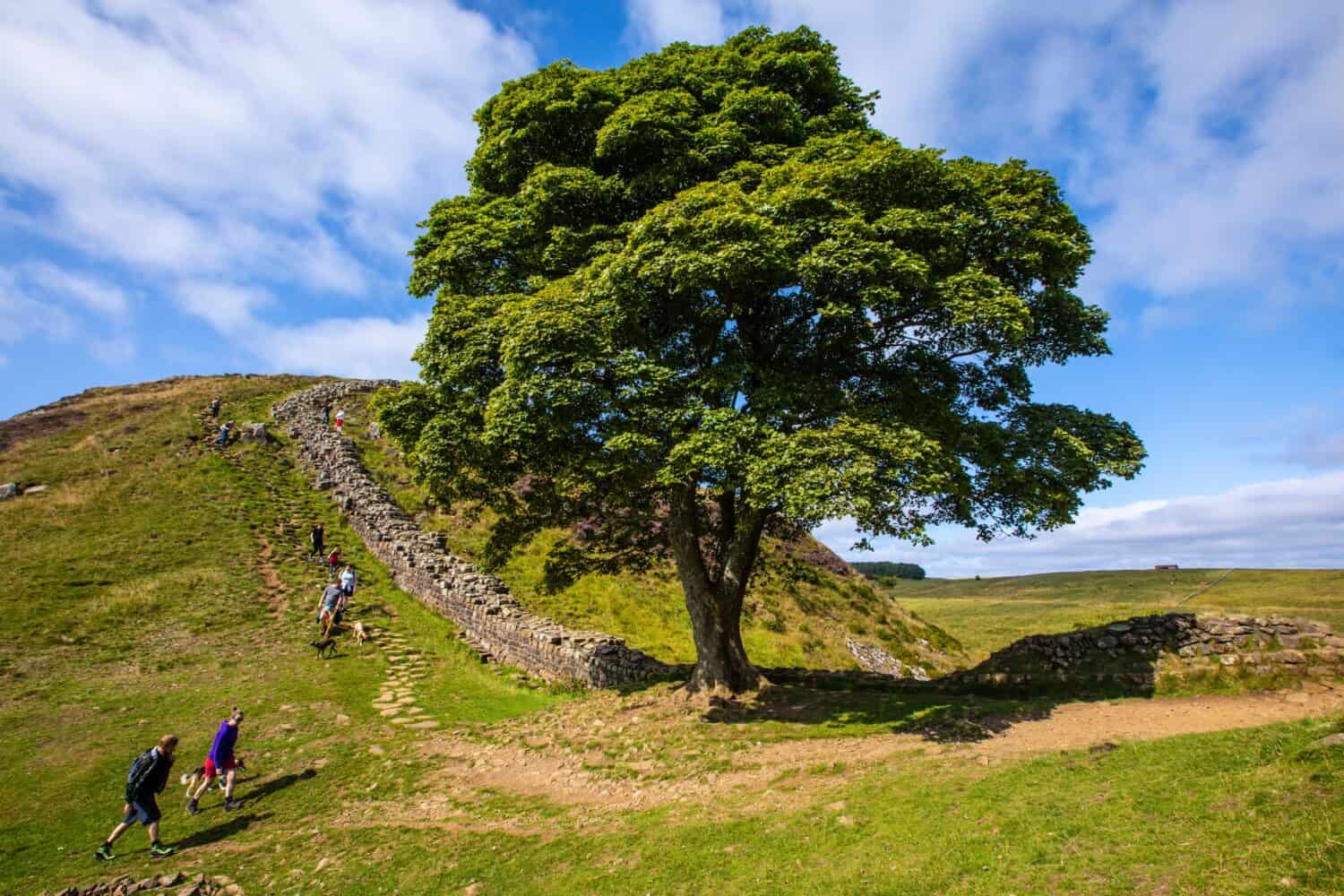
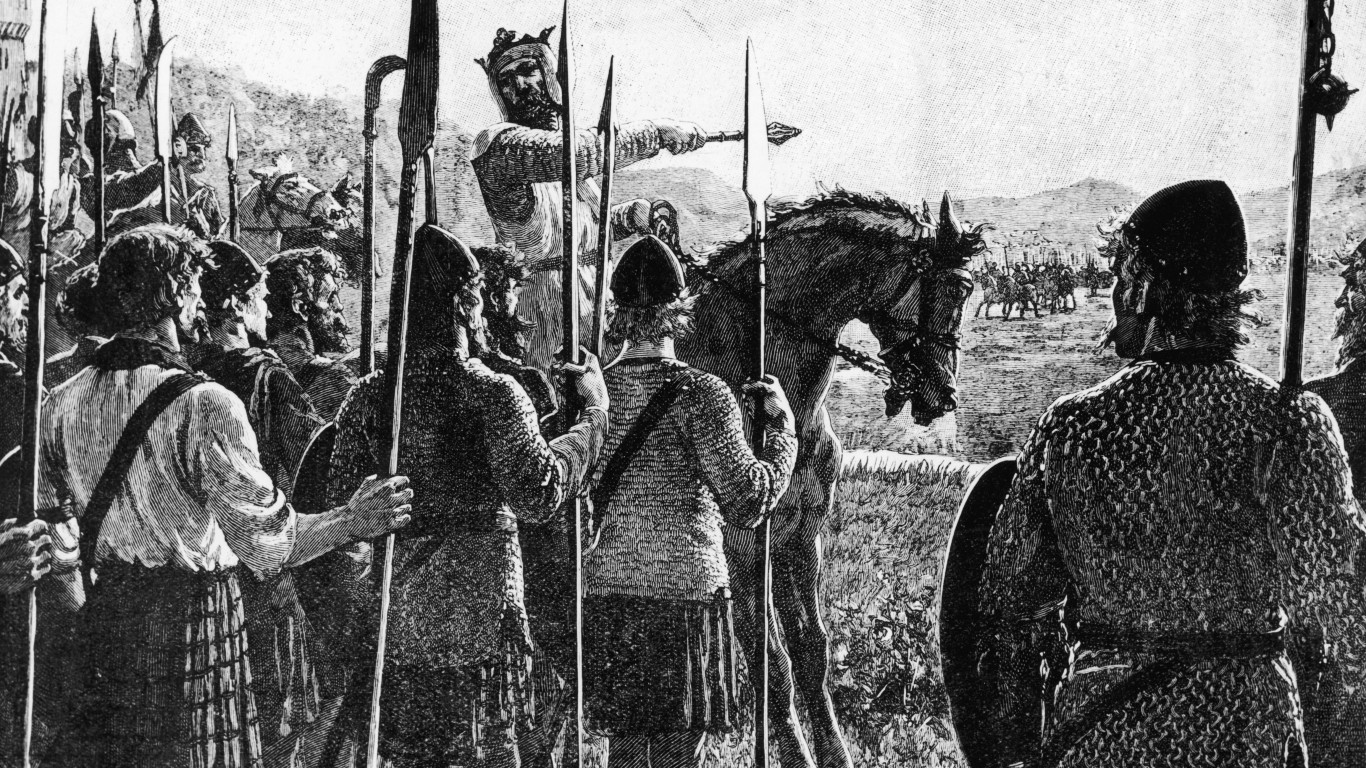
Rome conquered Britannia but could not subdue the Celtic tribes of what is today Scotland. The Picts and Scots were fierce fighters, the climate was cold, the terrain was mountainous and heavily forested in places, and the area did not have the natural resources the Romans needed. So they left it alone and built Hadrian’s Wall, a defensive line across the island that visitors can still see today.
Obstacle 2: Germany
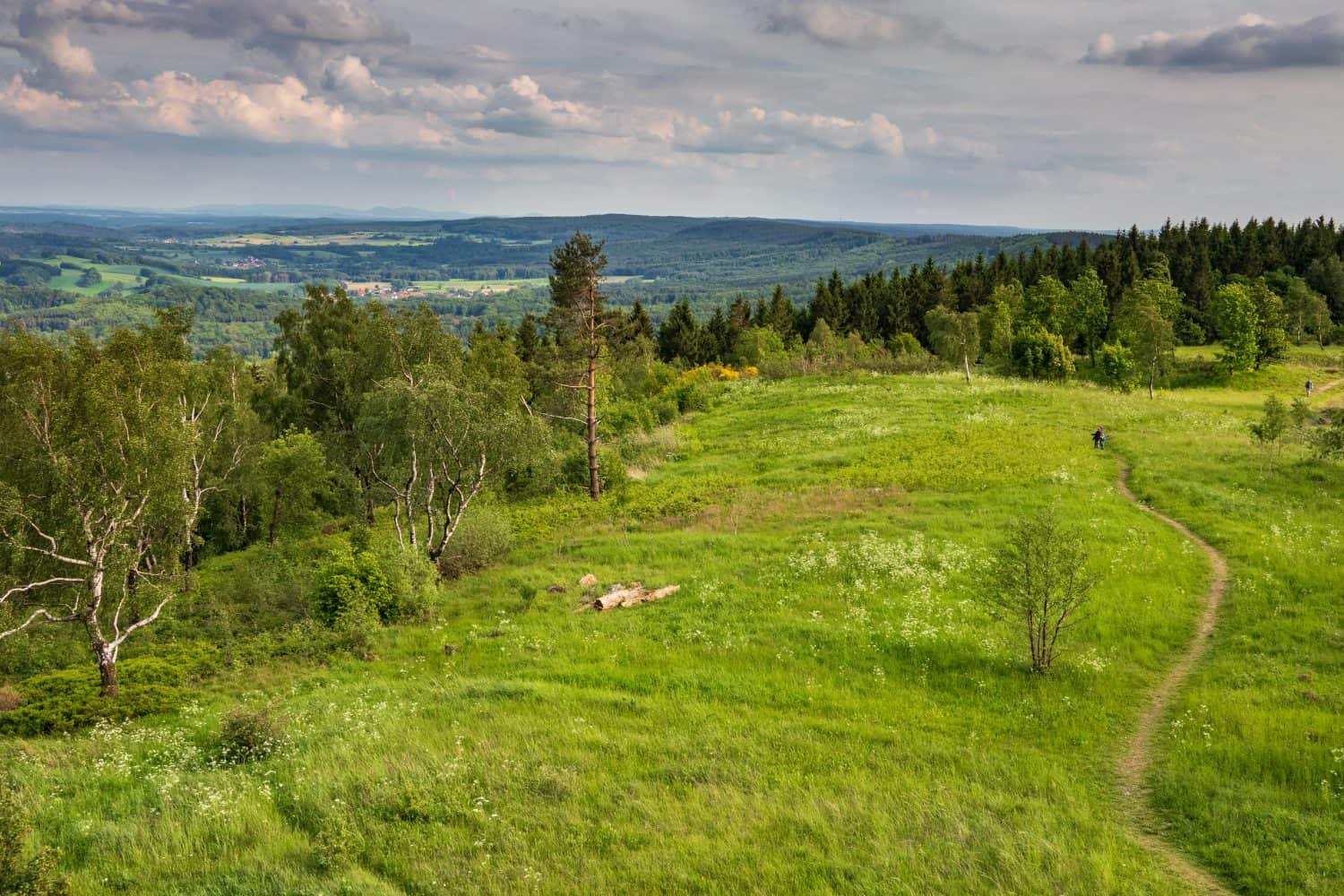
Rome made repeated attempts to add Germania to their empire but to no avail. Julius Caesar made incursions into the area but did not permanently acquire land for Rome. In 9 CE, Rome lost around 20,000 soldiers in the battle of the Teutoburg Forest. This was such a huge loss they shifted focus to building fortifications along the Rhine and Danube Rivers to keep the Germans on their side . . . temporarily.
Obstacle 3: Persia
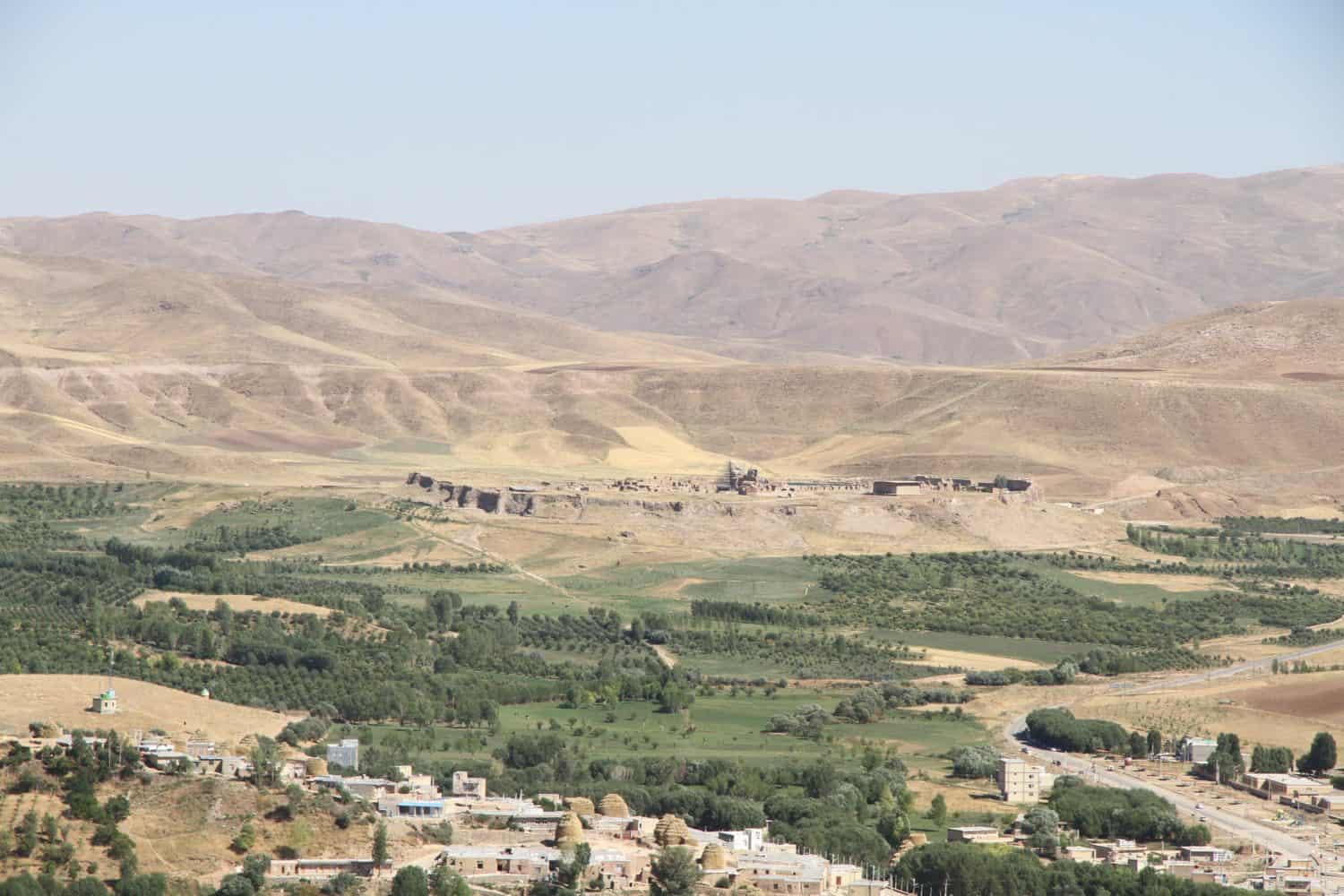
The third region that successfully resisted Roman conquest was Persia, which we know today as Iran. In Roman times, Persia was ruled by two different regimes. From 247 BCE-244 CE it was called the Parthian Empire, and from 224-651 CE it was ruled by a different dynasty and renamed the Sasanian Empire.
Rome and the dynasties of Persia competed for control of Mesopotamia, Armenia, and other parts of the Middle East. Rome suffered humiliating defeats, including the death of General Crassus in 53 BCE and the capture of Emperor Valerian in 260 CE. The intense rivalry and periodic warfare between the two empires didn’t end until Muslim armies took over the whole Middle East from both of them in the 7th century.
Distant Rivals: India
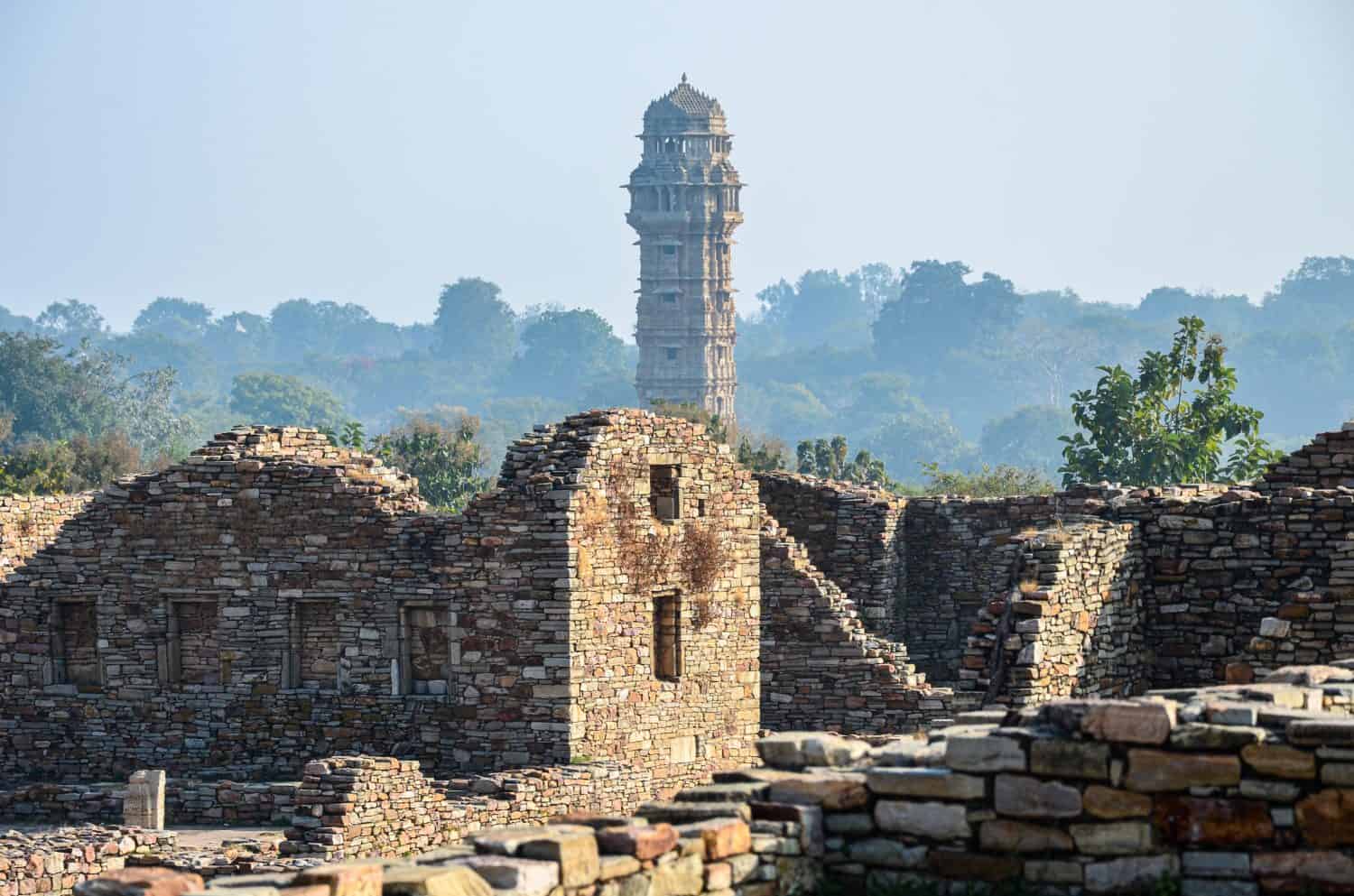
If Rome had managed to overcome the Persians, they would have still faced the huge problem of India on the other side. India was a lucrative trading partner for Rome, but the Romans would have had tremendous difficulty subduing them because of their large population and the powerful dynasties that ruled large sections of the subcontinent. These include the Maurya Empire, Shunga Dynasty, Kushan Empire, and Gupta Empire.
Distant Rivals: China

The Han Dynasty ruled China from 206 BCE-220 CE and were every bit Rome’s equal in economic and military power, technology, culture, and effective administration. Rome and China were aware of one another and traded through intermediaries, but had little if any direct contact. Had their armies met somewhere in the middle of Asia, it’s anybody’s guess who would have won.
Distant Rivals: Aksum
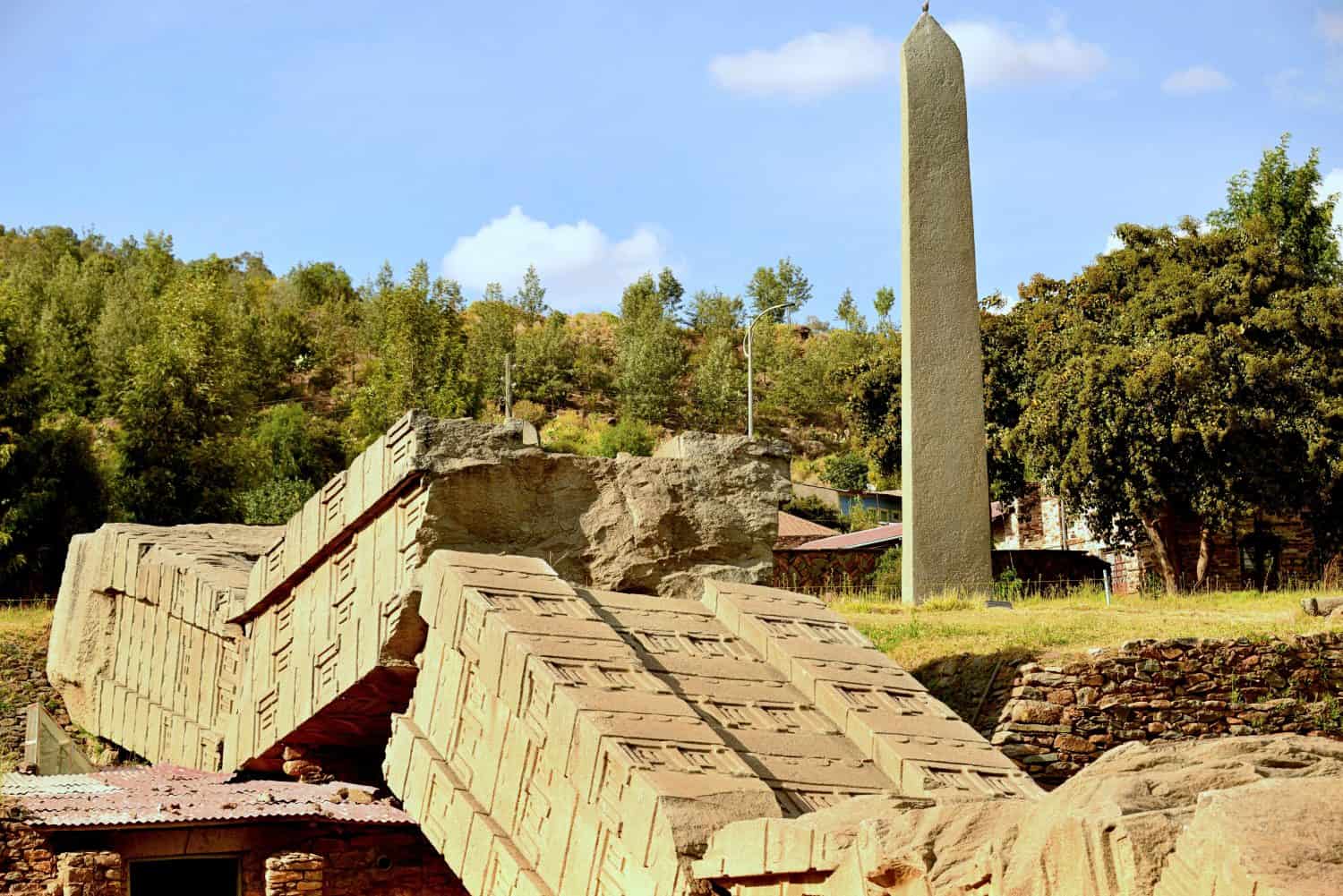
To Rome’s southeast in Africa, the Kingdom of Aksum was a powerful and wealthy country that dominated the trade routes between Africa, Arabia, and India. It carried on a profitable trade with Rome, providing luxury goods, precious metals, and exotic animals for the private zoos and spectacular gladiatorial battles in the colosseums of the Roman empire.
Distant Rivals: The Maya
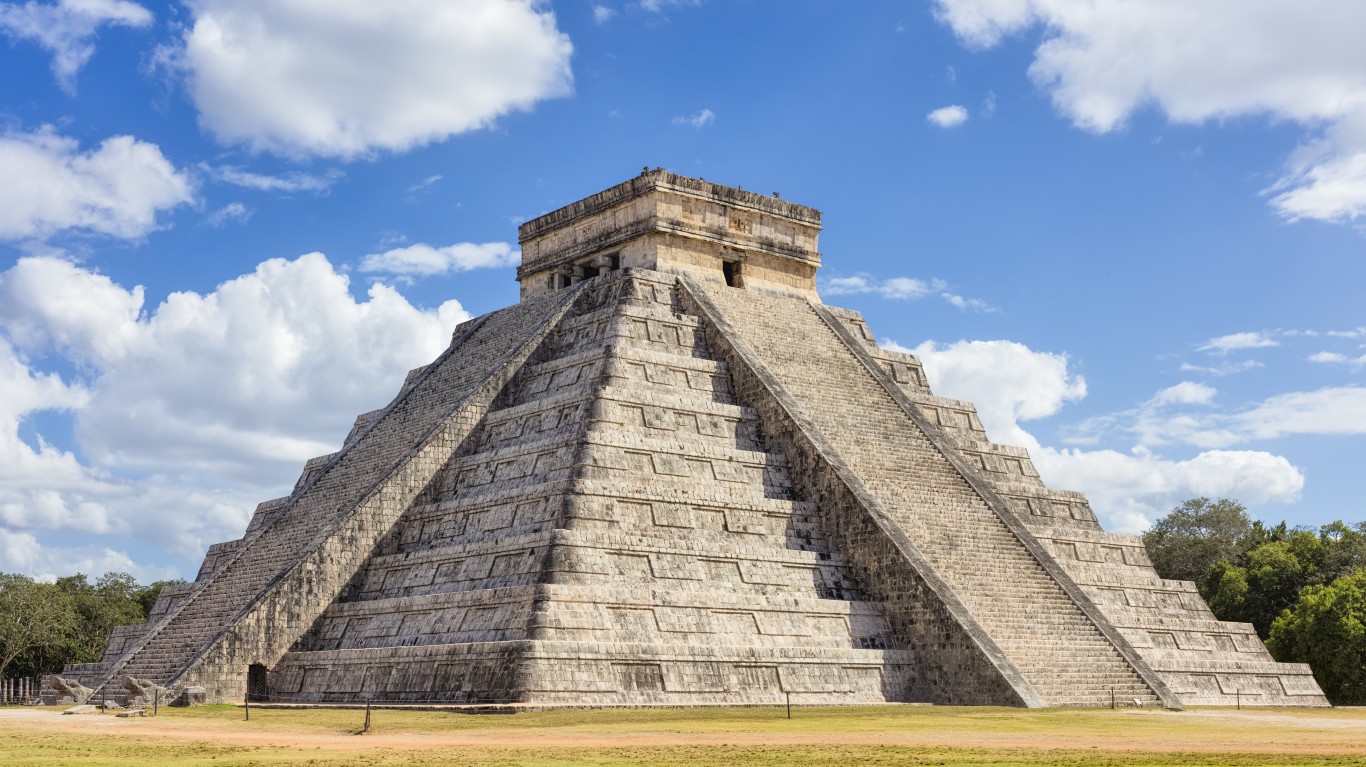
In the New World, unbeknownst to the Romans, was the Maya civilization in Southern Mexico, Guatemala, Honduras, El Salvador, and Belize. This civilization was loosely organized into city-states. They built monumental temples, pyramids, and palaces to rival anything in Egypt or Rome. And they were fierce fighters, often clashing with neighboring people groups over scarce resources.
Rome’s Decline and Fall
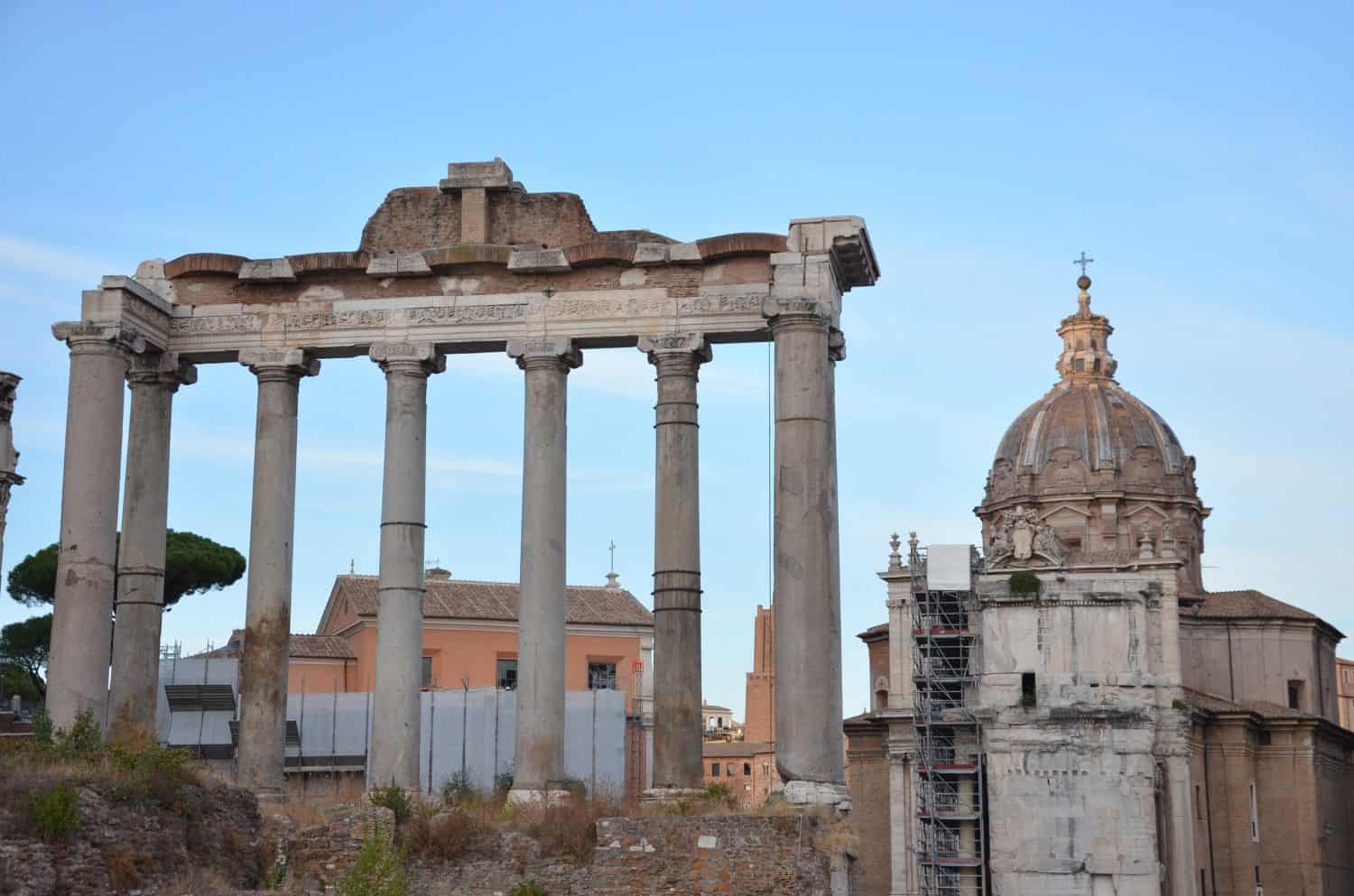
Rome declined due to internal decay and external pressure. The government became corrupt, overtaxed the people, and treated them cruelly, such as harshly persecuting Christians.
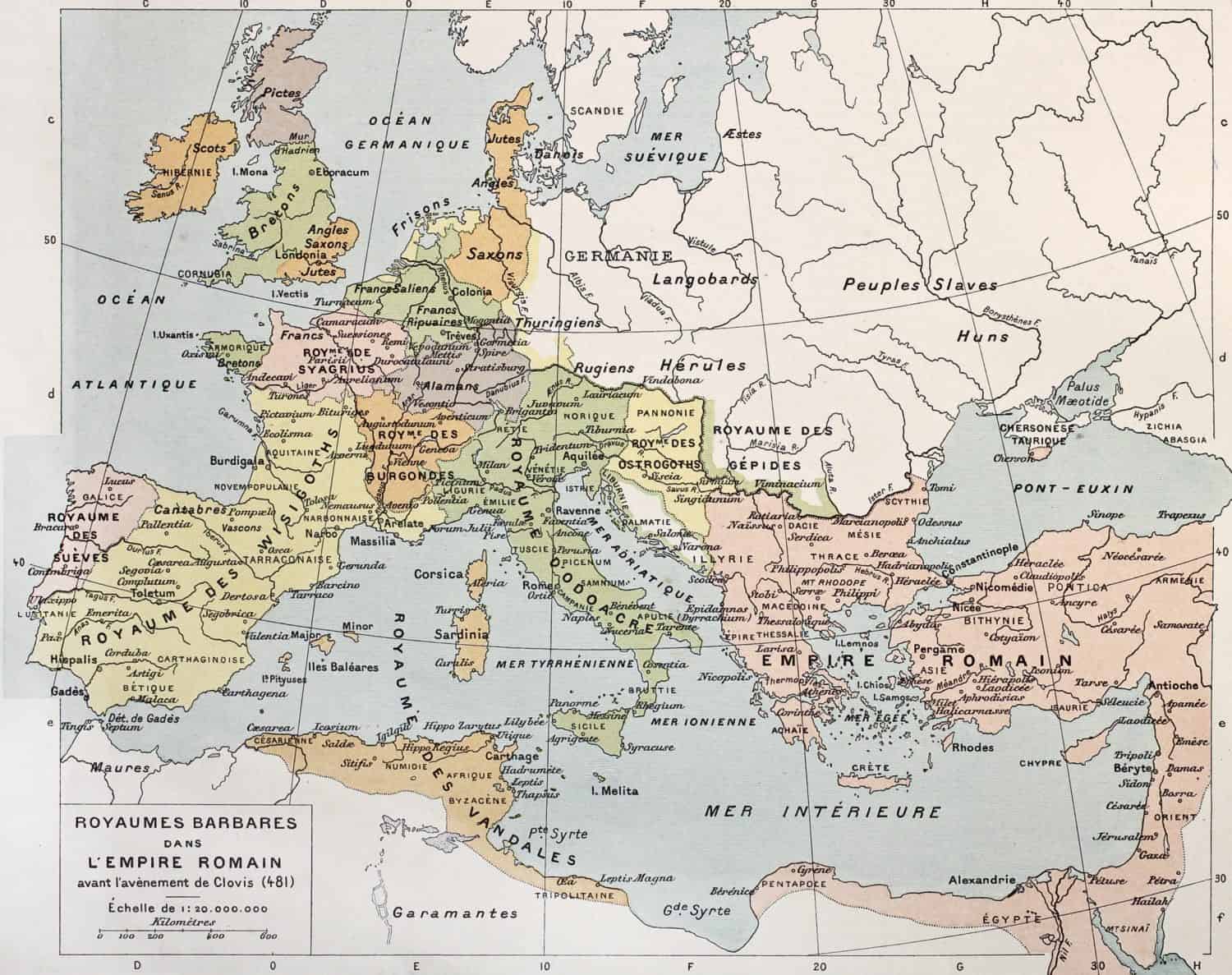
Externally, various tribes from Asia began pushing into Europe, driving ahead of them other tribes who were too weak to defeat them. This meant all along Rome’s European borders desperate people were migrating in to get away from even more powerful migrants behind them. So Rome found itself fighting progressively stronger enemies as it became exhausted and resource-depleted from so much fighting.
In the end, the Western empire collapsed first and broke up into different European and African ethnic groups as migrants mixed with Romans. The capital moved to Constantinople (today Istanbul), which fell to Turkish invaders a thousand years later. And so the collapse of one of the most legendary empires the world has known first started on the moors of Scotland, the forests of Germany, and the blazing deserts of the Middle East.






 Top Gaining Stocks
 Top Losing Stocks