


Key Points
- The Revolutionary War was America’s first true military test.
- The Boston Tea Party helped start the Revolutionary War.
- George Washington was the first Continental Army General and later became President.
- Also: Discover “The Next NVIDIA”
The American Revolutionary War is one of the most studied conflicts, as well as one of the most celebrated times in U.S. history. Despite this, many of its basic facts have faded from memory. Many of us have forgotten the crucial battles and iconic people involved, alongside the motivations that drove the colonies to rebellion. However, understanding these events is necessary to understanding our country. This important period laid the foundation for the nation itself, but surveys and classroom data suggest that a surprising number of Americans struggle to recall even the most basic details.
The details of the Revolutionary War reveal the origins of American government, ideals, and national identity. When these basics are forgotten, we lose sight of how the country came to be and why its founding principles still resonate today. This article explores the simple Revolutionary War questions that often stump Americans. See how many of these answers you already know, and which areas could use some brushing up.
This post was updated on December 30, 2025 to provide an overview of the Revolutionary War and why it is important to remember the basic details behind the origins of our national identity.
1. Question
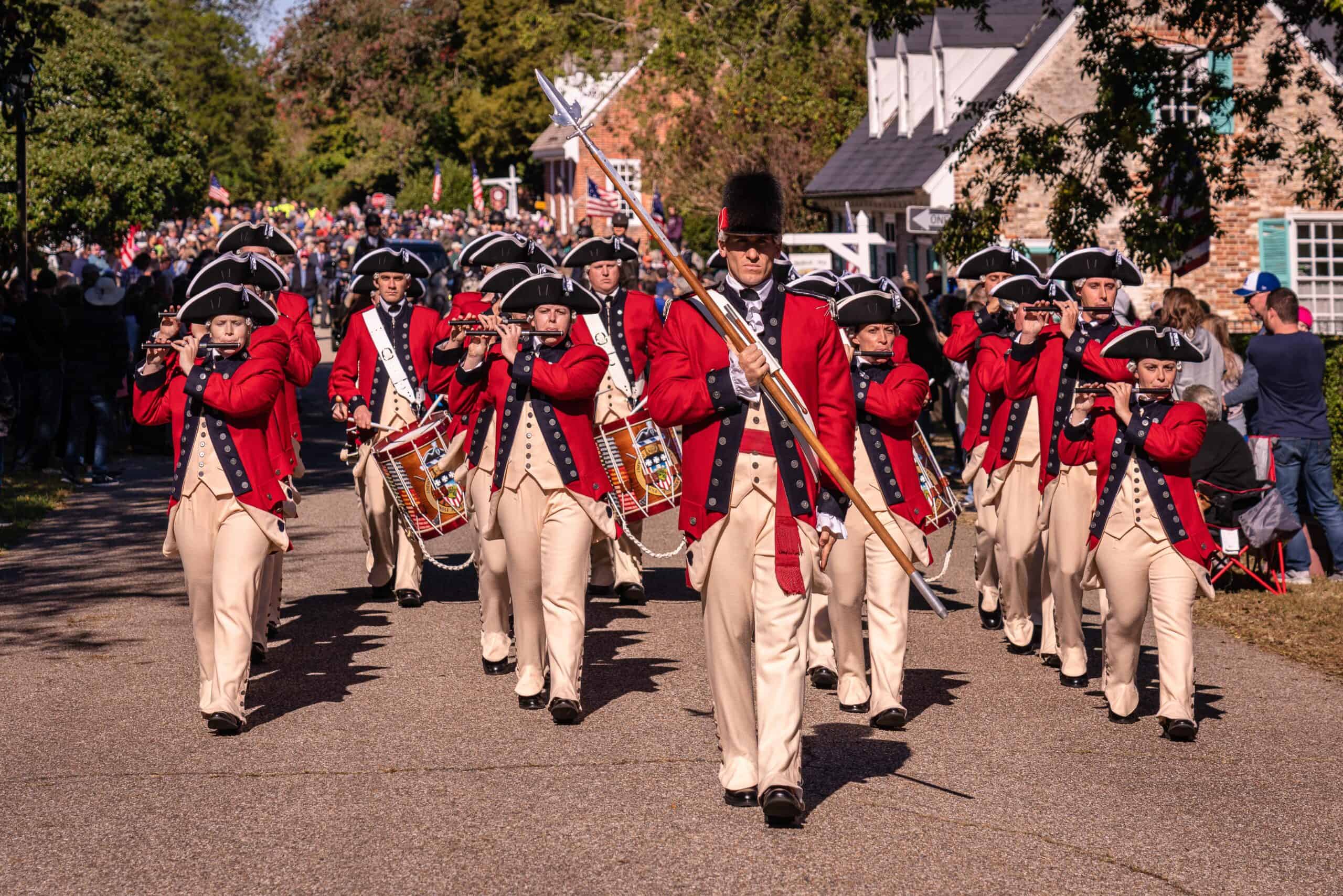
When was the Revolutionary War fought?
Answer: Started in 1775
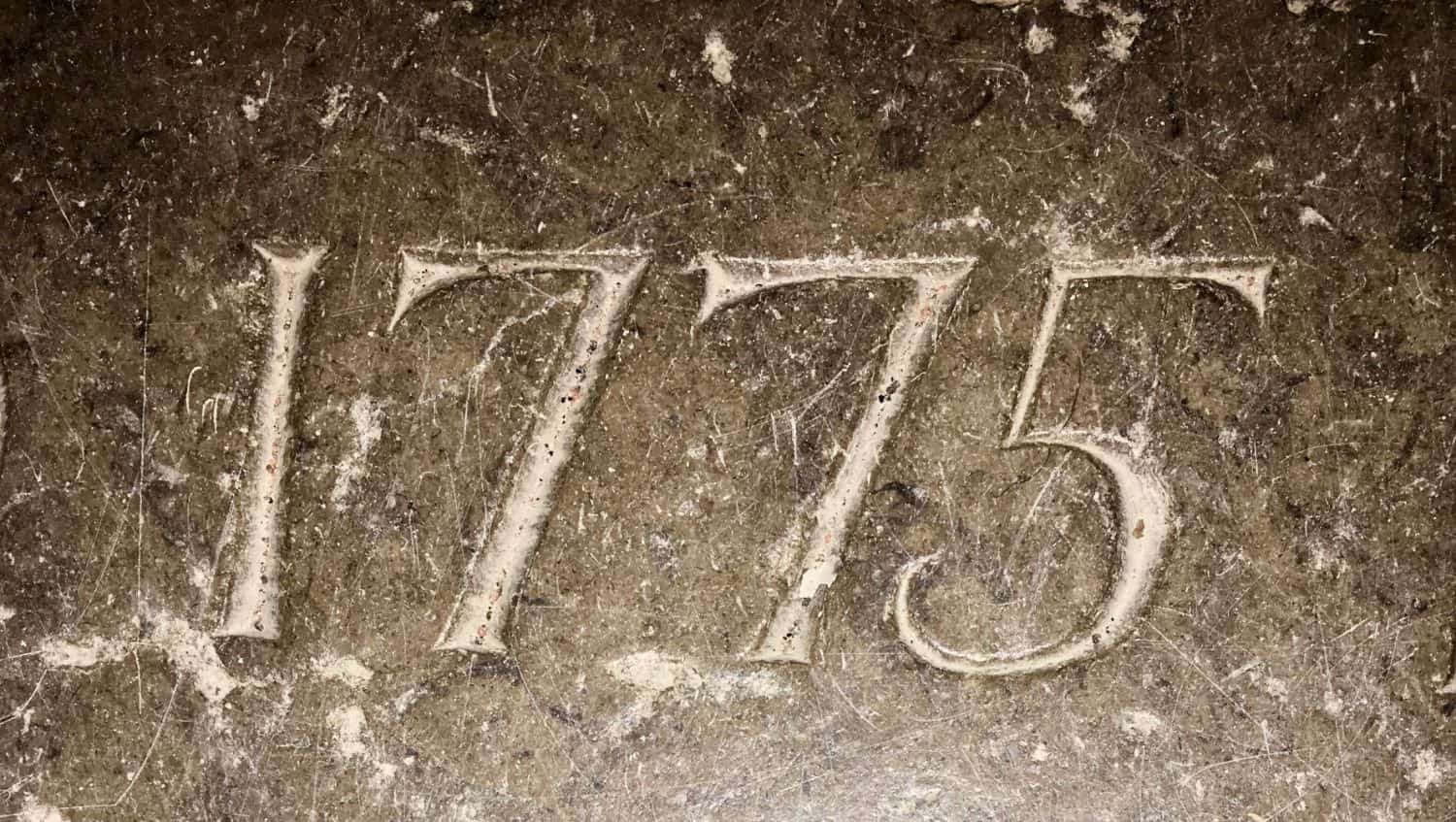
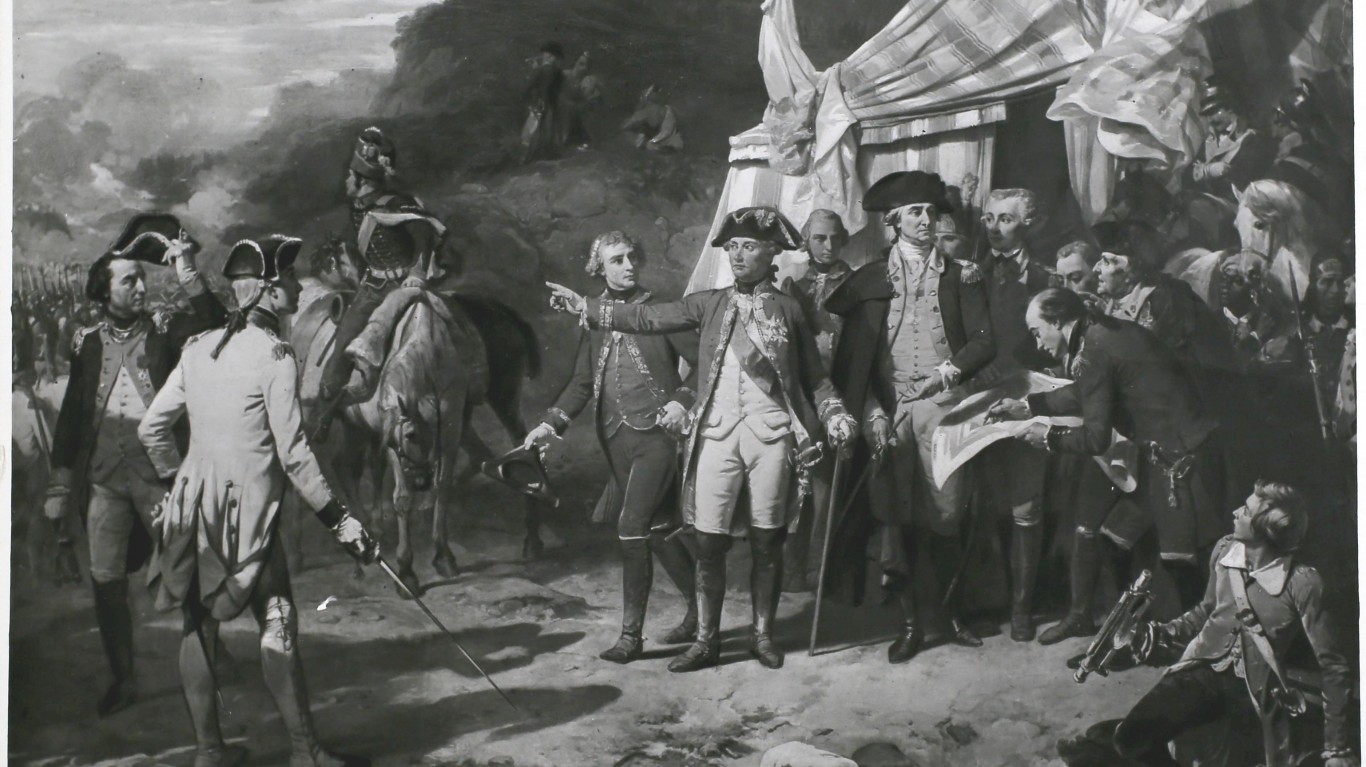
The Revolutionary War officially began in 1775, with fighting at Lexington and Concord in Massachusetts. It did not formally end until after the Siege of Yorktown in 1781, with an official peace treaty, the Treaty of Paris, coming in 1783.
2. Question
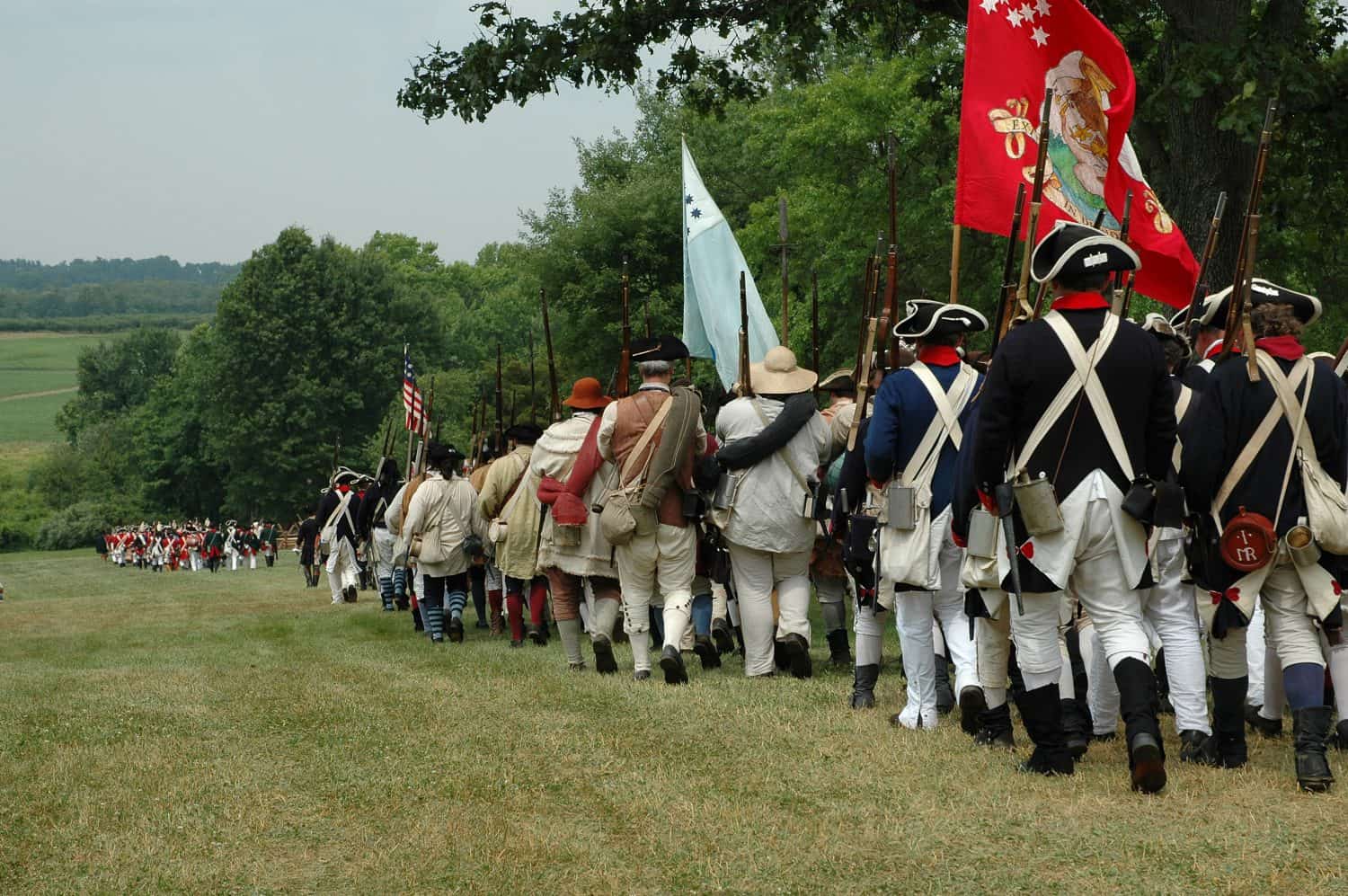
What was the reasoning behind the beginning of the Revolutionary War?
Answer: Fight For Independence
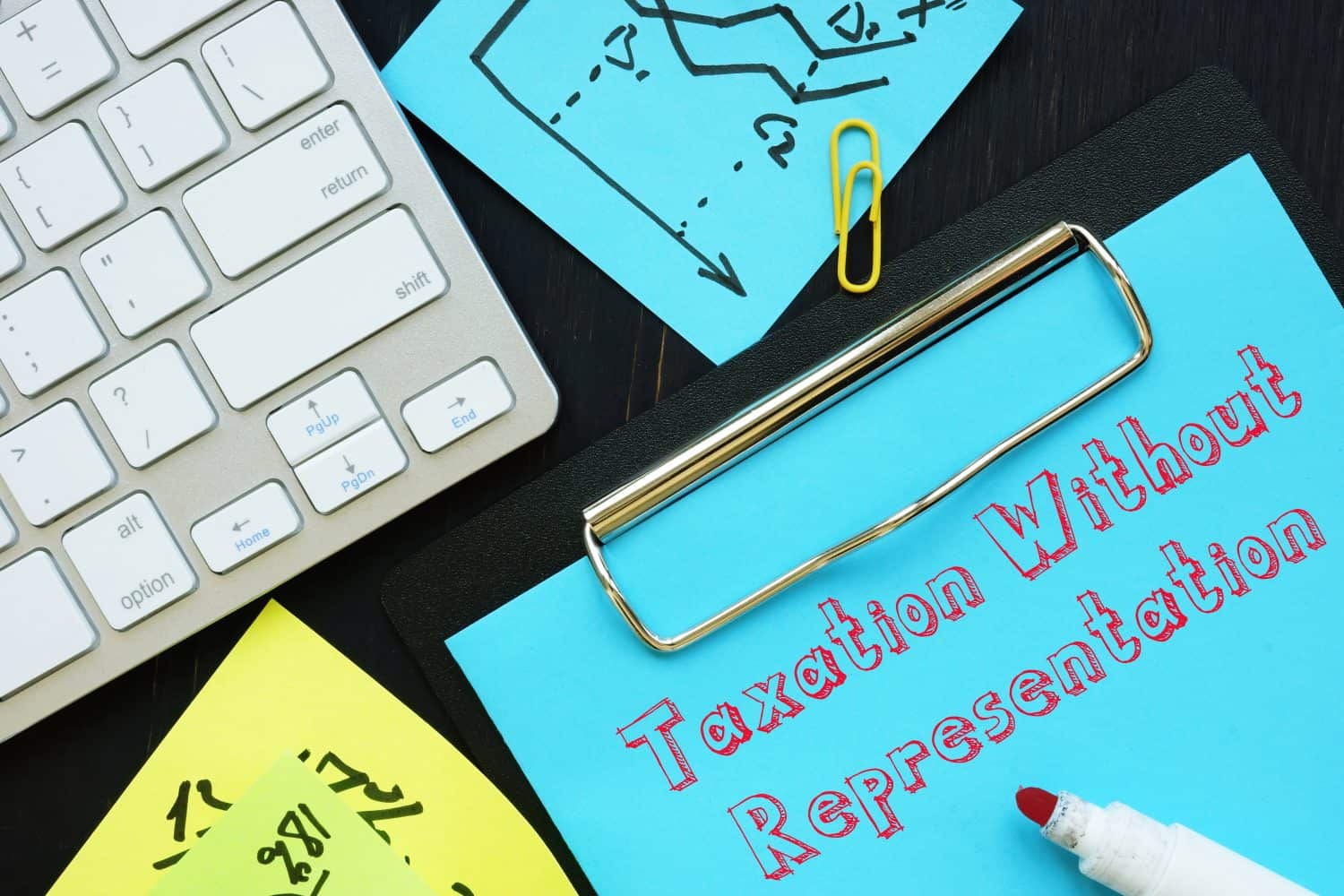
The big answer is that the colonies were fighting for independence from Great Britain, its king, and what they considered unfair taxes. Colonists were frustrated with a lack of representation in the British Parliament, especially after the introduction of acts like the Stamp Act or Townshend Act.
3. Question
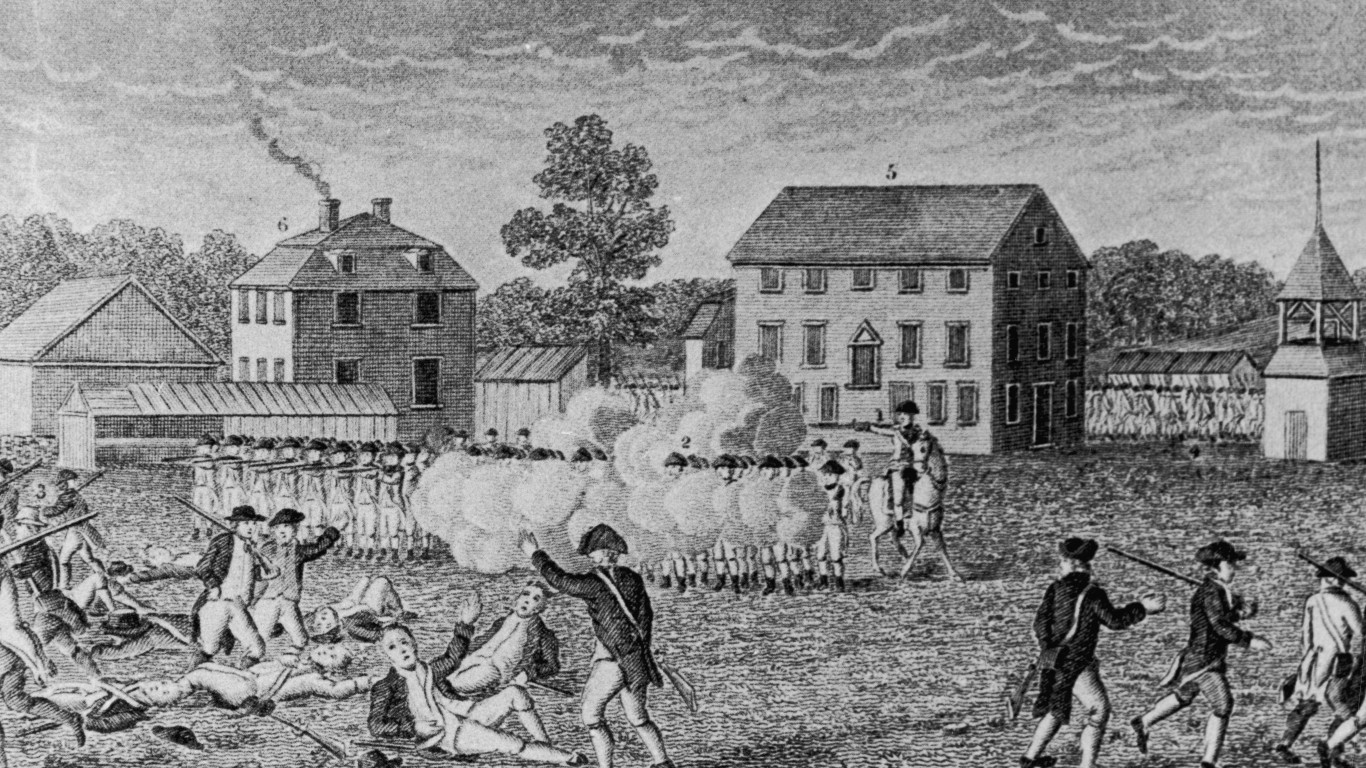
What event kicked off the start of the Revolutionary War?
Answer: Battle of Lexington and Concord
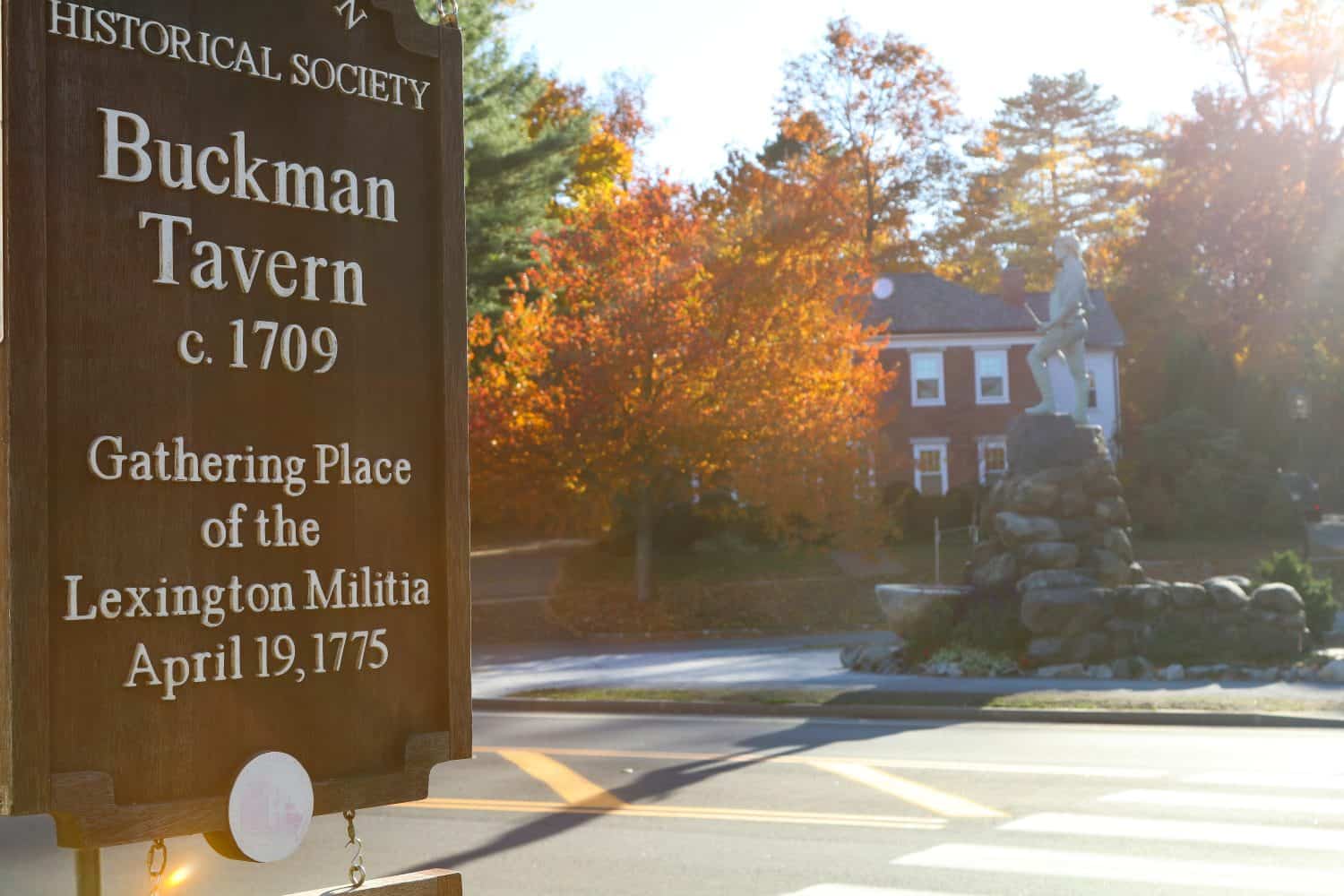
On April 19, 1775, British troops took action to seize colonist weapons and arrest anyone who was outwardly calling for a break from the monarchy. British troops were met by members of an American militia and the conflict began with the “shot heard round the world.”
4. Question
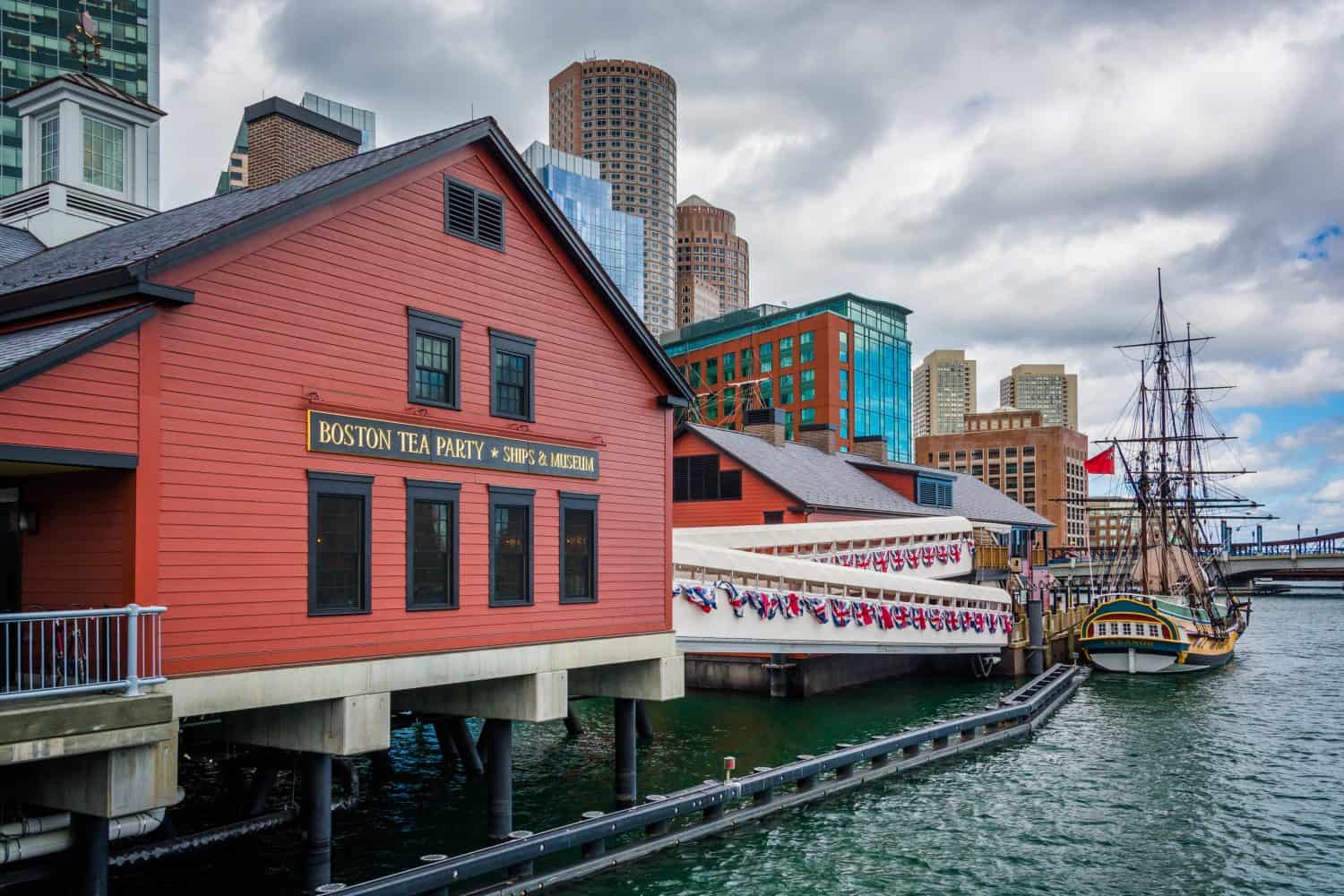
How did the “Boston Tea Party” play into the start of the war?
Answer: It Was An Act of Defiance
It’s important to know that the Boston Tea Party occurred two years before the start of the war. On December 16, 1773, American colonists dressed up as Mohawk Indians and dumped 342 chests of British tea into the harbor in response to the Tea Act, which gave the British East India Company complete control of the tea market.
5. Question
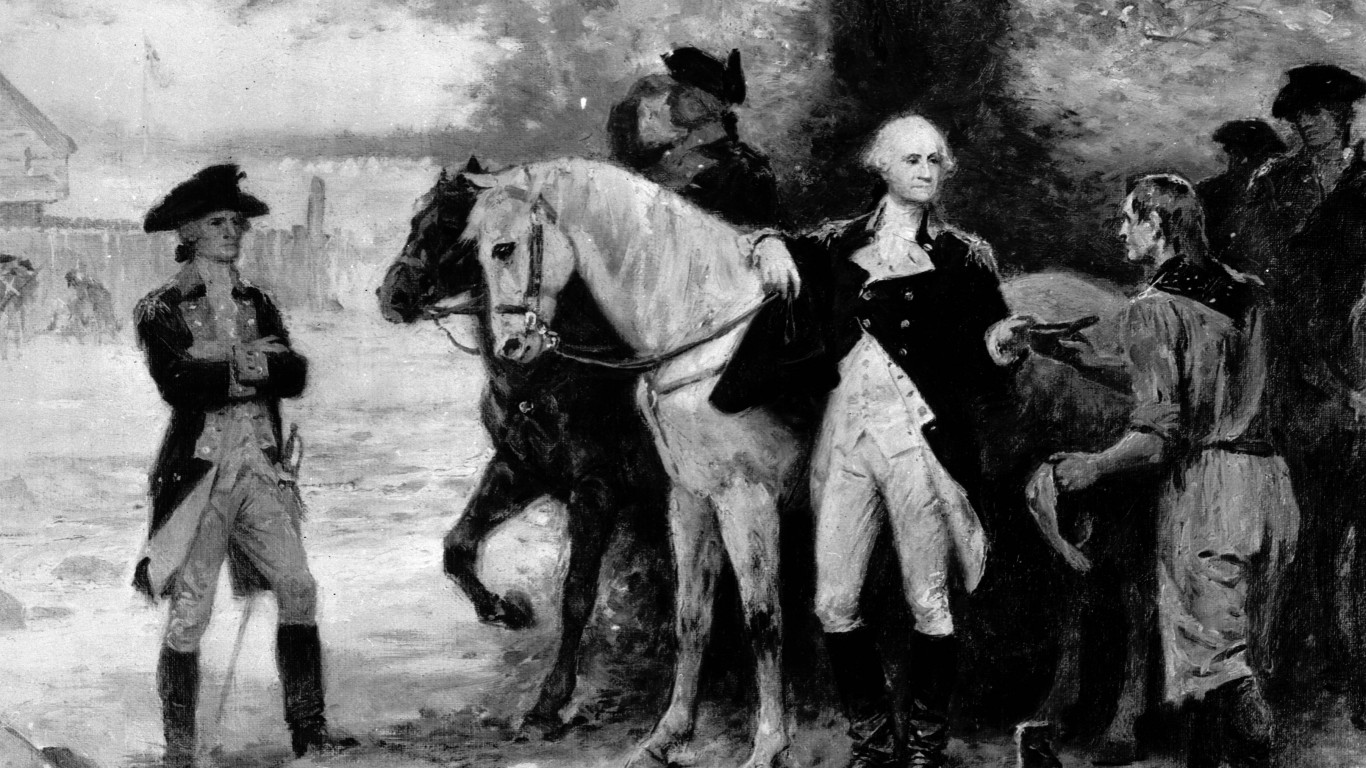
Who was in command of the Continental Army during the Revolutionary War?
Answer: George Washington
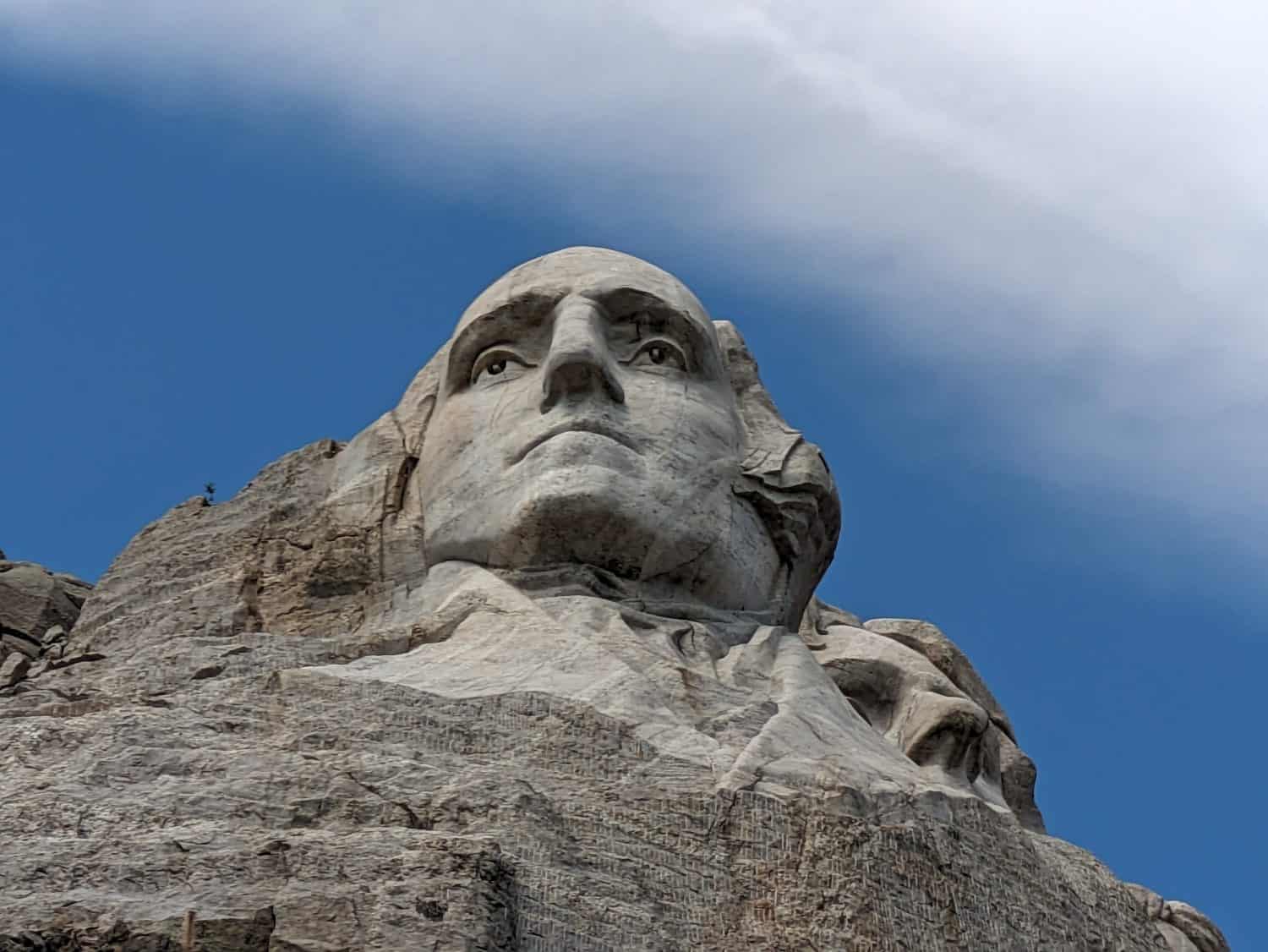
Of all the questions every American should know, it’s this one as George Washington was named Commander-in-Chief of the Continental Army by the Second Continental Congress in 1775. After his role in the war, Washington would famously become America’s first president.
6. Question
What was the purpose of the Continental Congress?
Answer: Governing Body for the Colonies
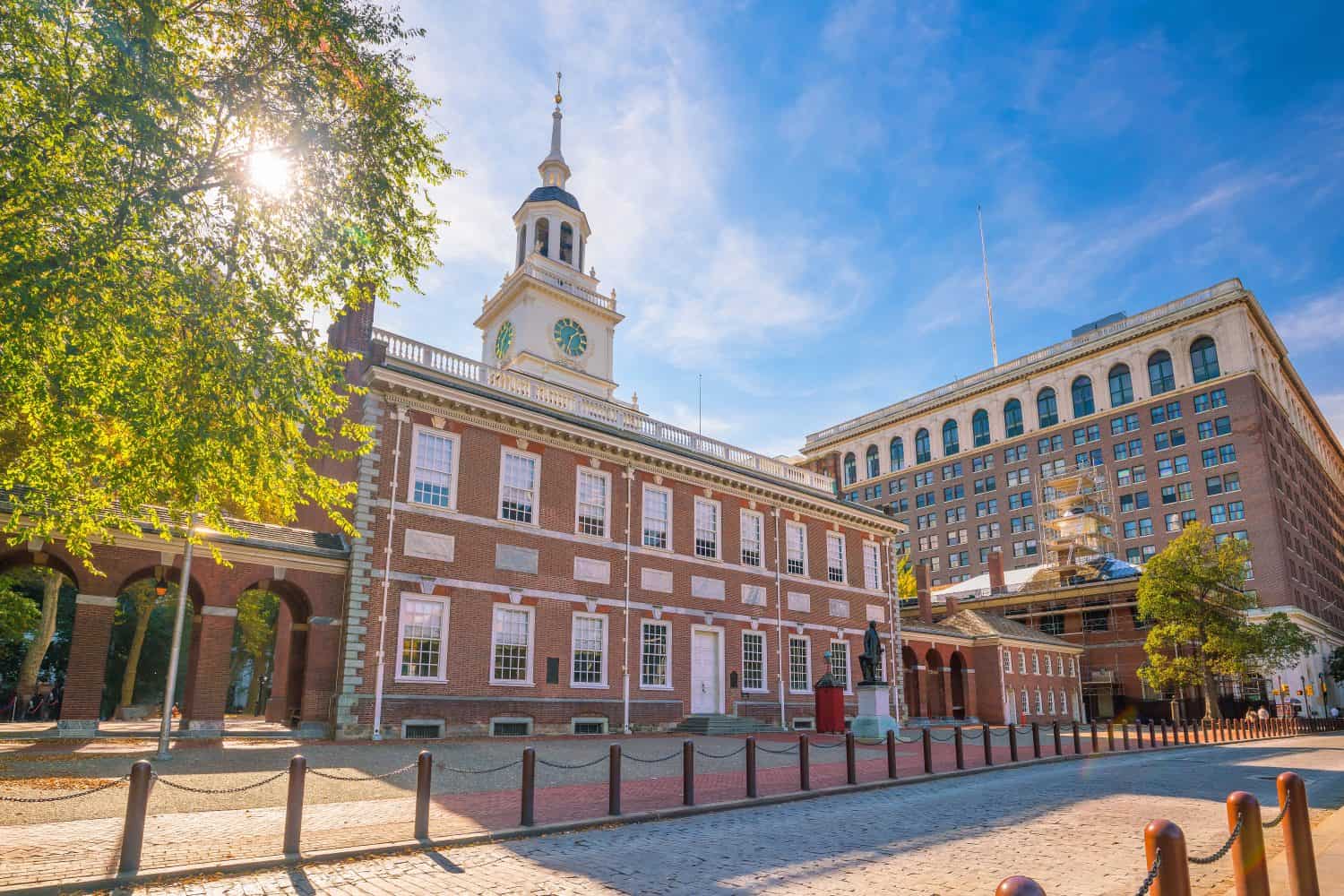
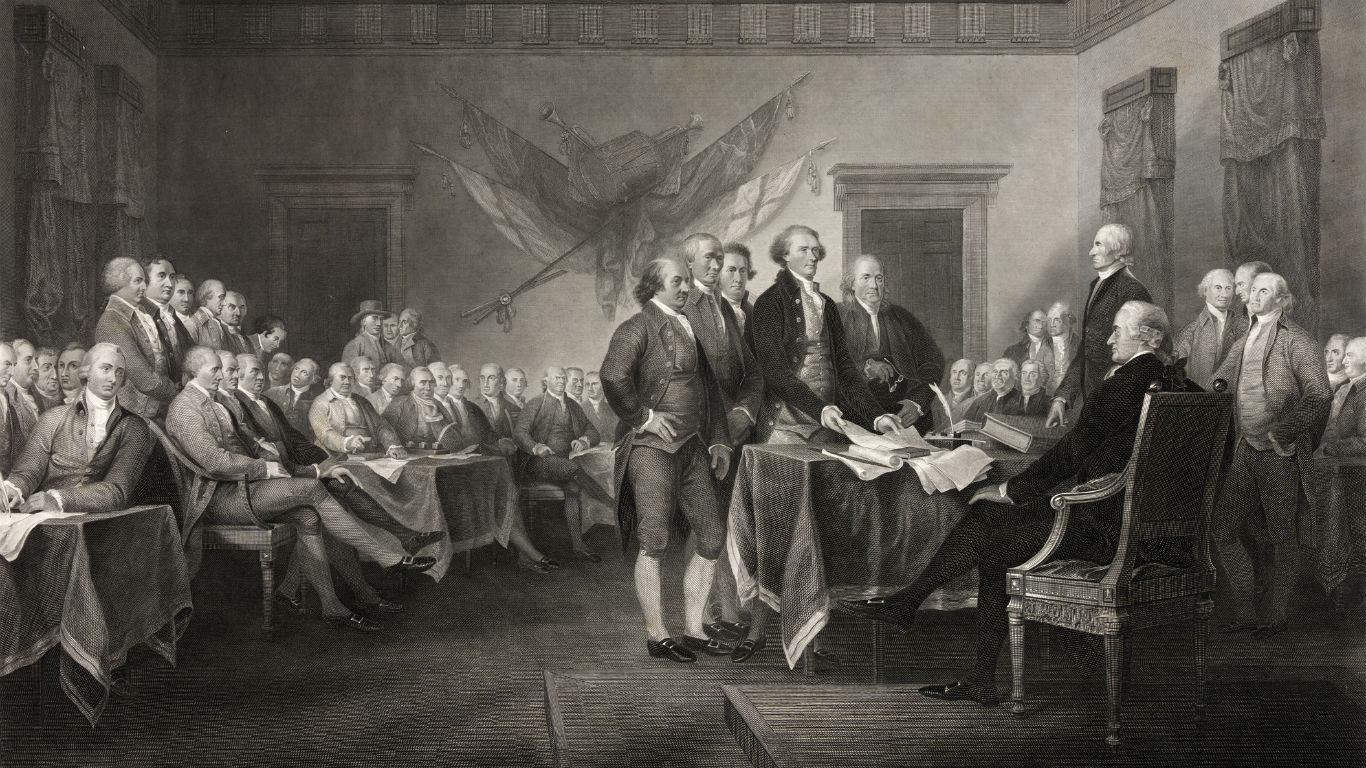
The Continental Congress was the first truly official governing body of the United States. First established with the First Continental Congress in 1774, this group made a list of grievances against the British crown. The Second Continental Congress formed the Continental Army and ratified the Declaration of Independence.
7. Question
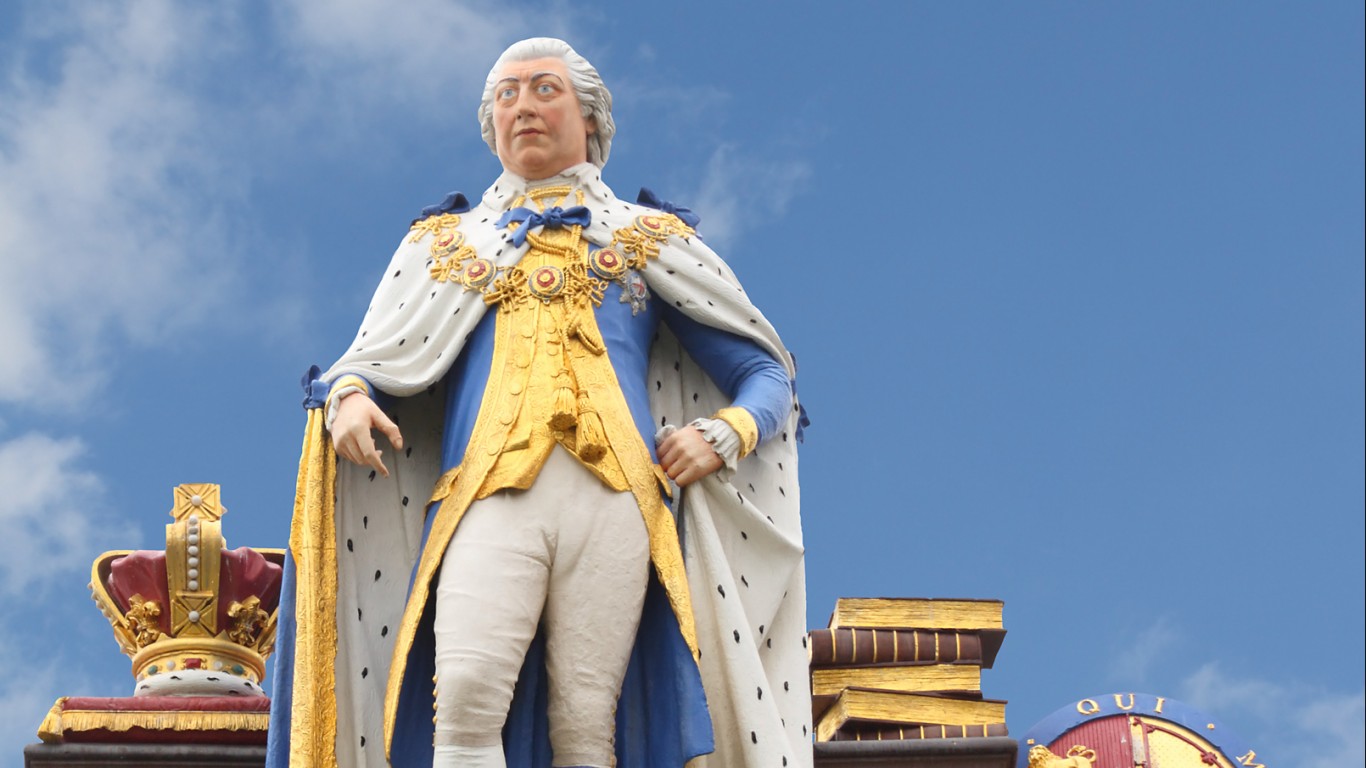
What did it mean to call someone a loyalist during the war?
Answer: Someone Loyal to the Crown
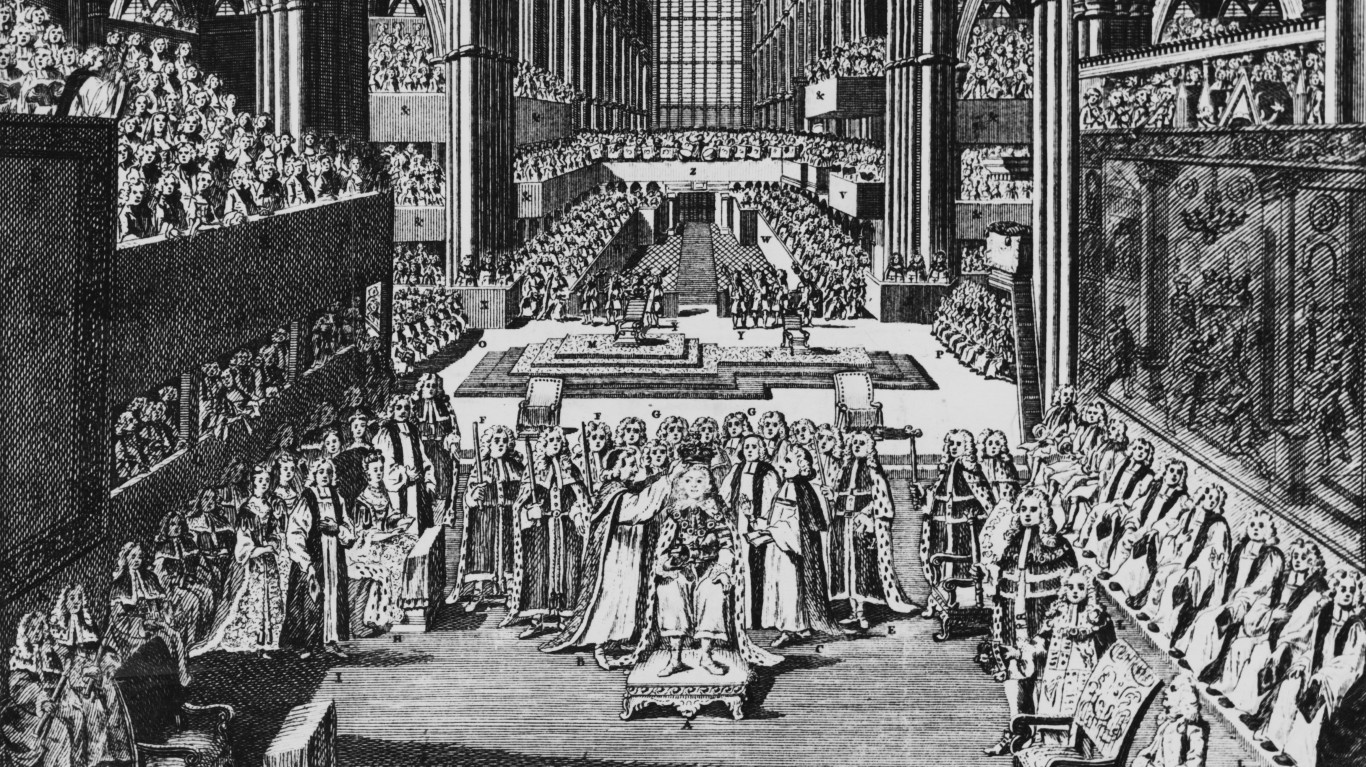
Essentially a negative way to address someone, a “loyalist” was considered an American colonist still loyal to the British crown and opposed independence efforts. It’s believed that around 15-20% of the colonial population were loyalists at the time of the war, and ultimately, many would go to Canada or Britain after the war’s end.
8. Question
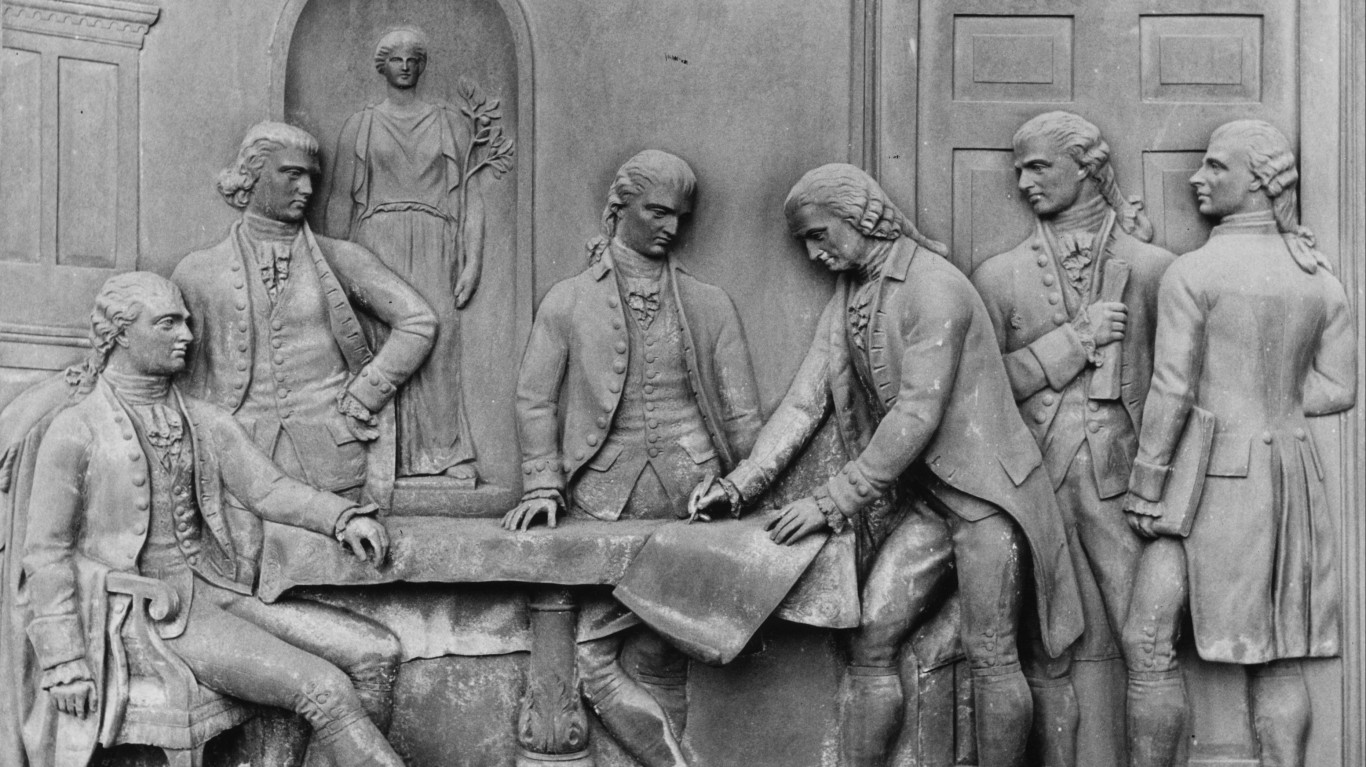
What was the name of the treaty that officially ended the Revolutionary War?
Answer: Treaty of Paris
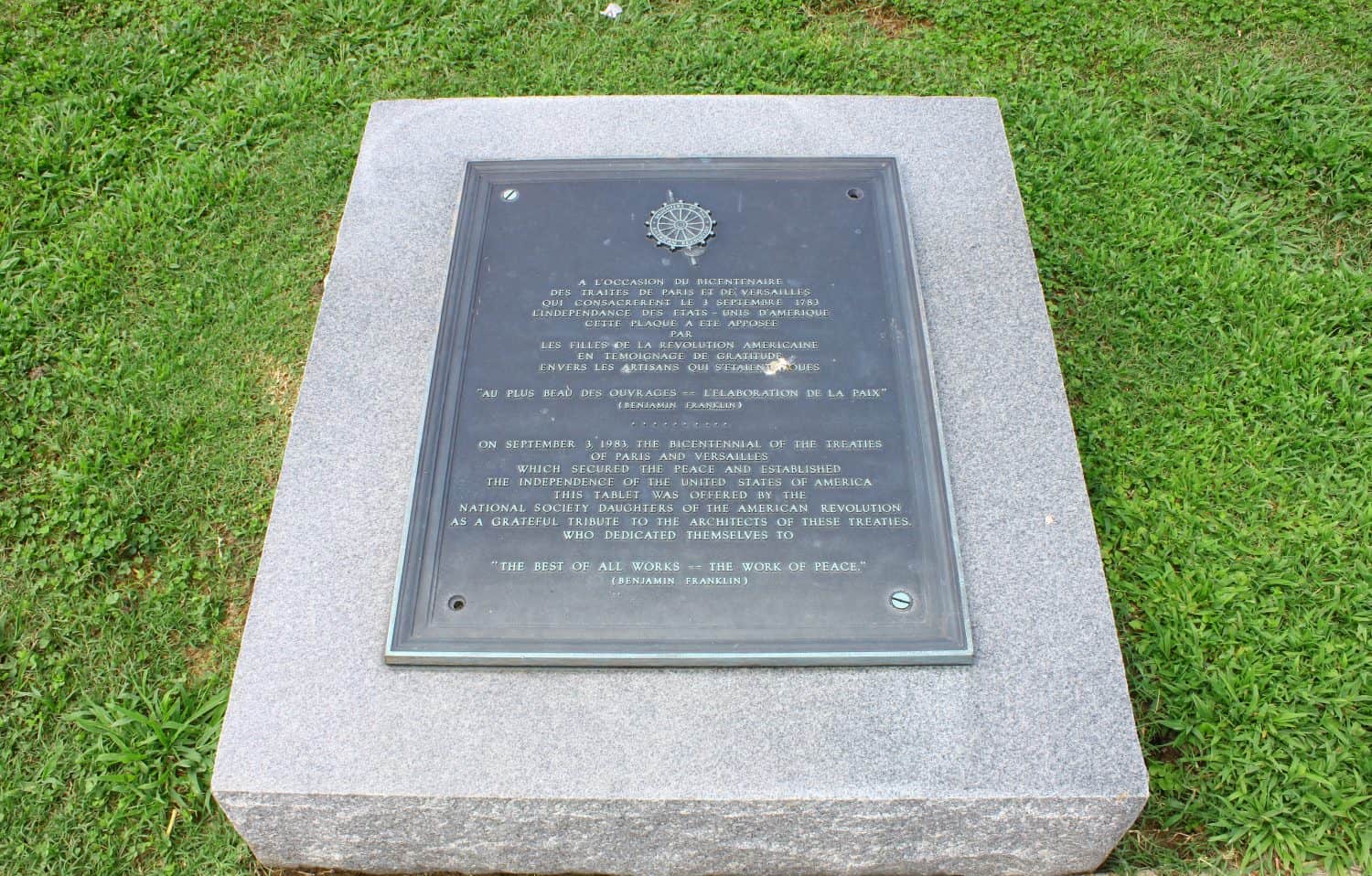
The Treaty of Paris, signed on September 3, 1783, officially ended the Revolutionary War. With this treaty, the French and British recognized the United States as an independent nation with its borders. The treaty also addressed how to repay debts still owed to British creditors.
9. Question
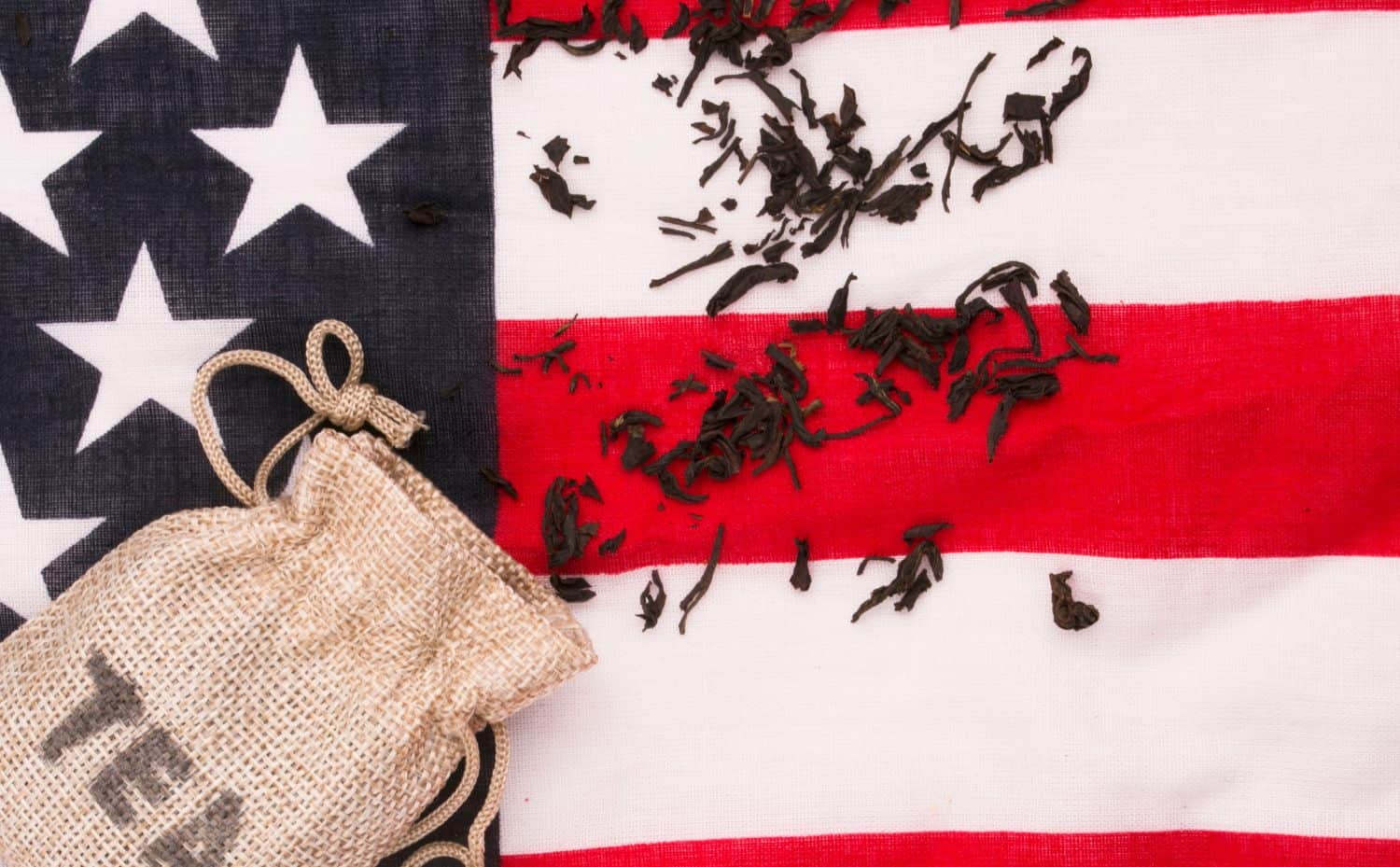
What was known as the “Intolerable Acts?”
Answer: Punishment for the Boston Tea Party
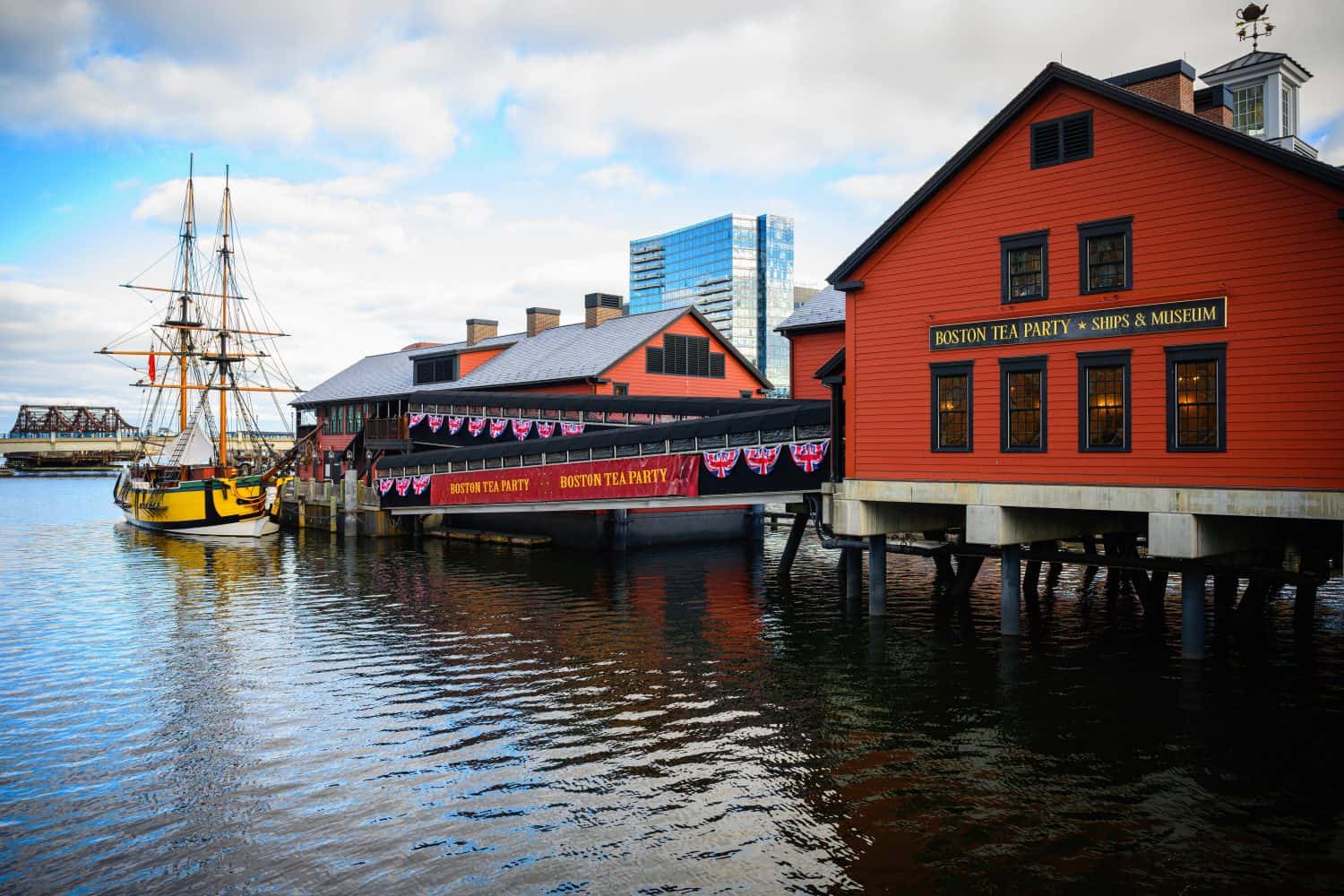
Known as the Intolerable Acts, this series of laws was passed by British authorities in response to the Boston Tea Party. It set forth the closing of Boston Harbor and initiated a stop order on town meetings. Ultimately, this act had the opposite effect the British intended, as it united many colonists against British rule.
10. Question
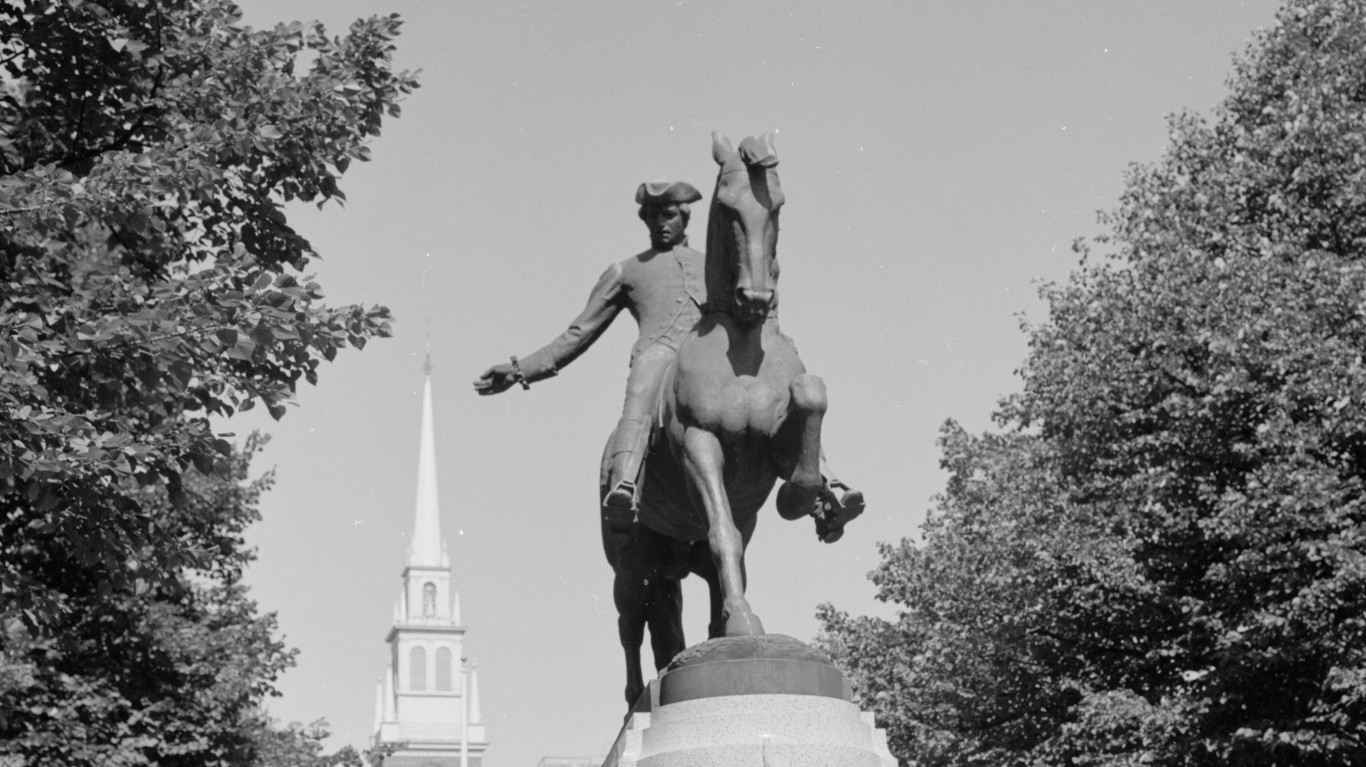
What was Paul Revere’s role in the start of the Revolutionary War?
Answer: Midnight Ride
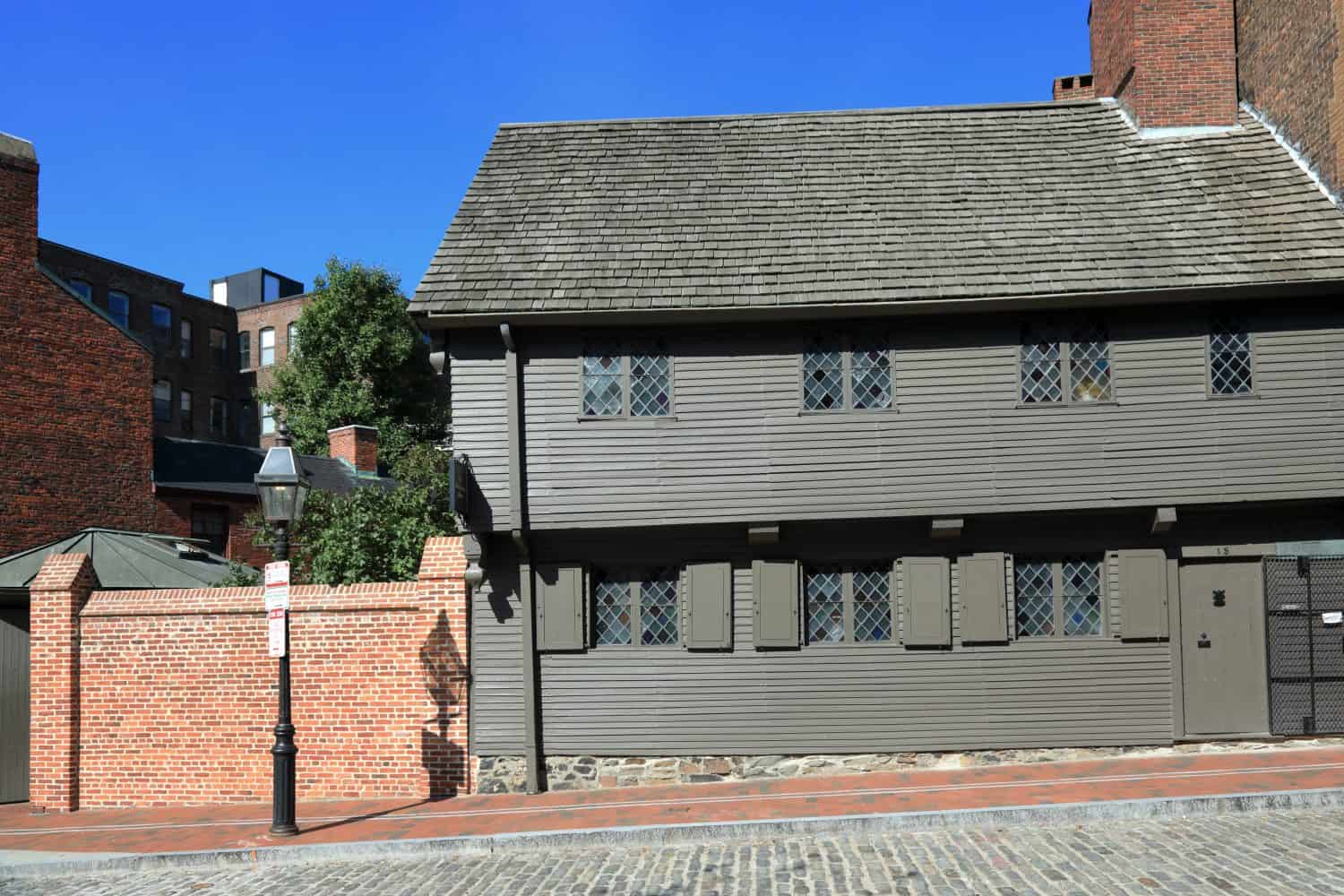
On April 18, 1775, Paul Revere began a midnight ride to warn local colonial militia members that the British army was on the move ahead of the Battle of Lexington and Concord. Contrary to popular belief, there is no evidence that Paul Revere yelled out, “The British are coming, the British are coming,” as his mission was secret, and he didn’t want to confuse any locals.
11. Question
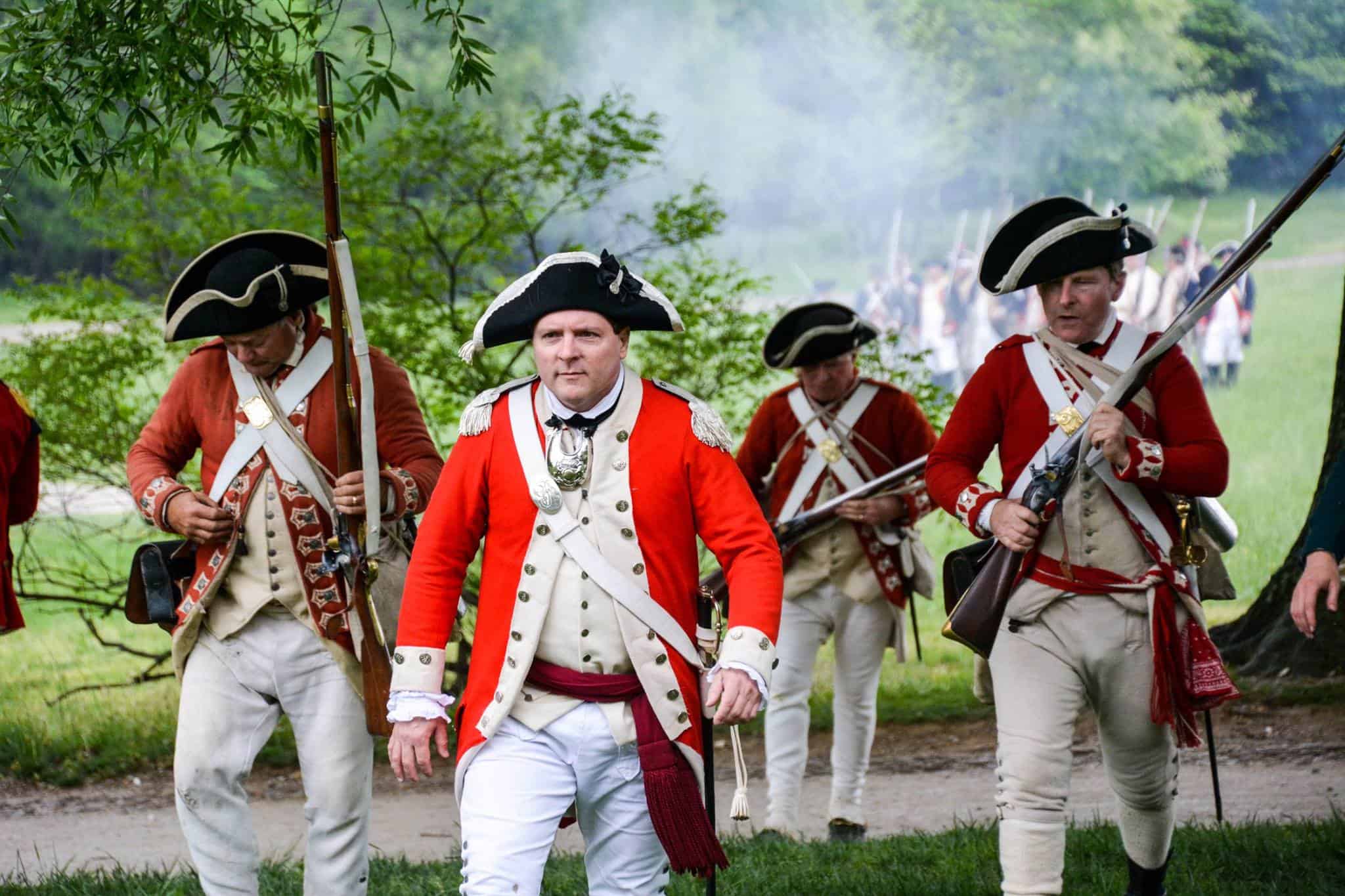
How did the British army make its way to America?
Answer: On Boat
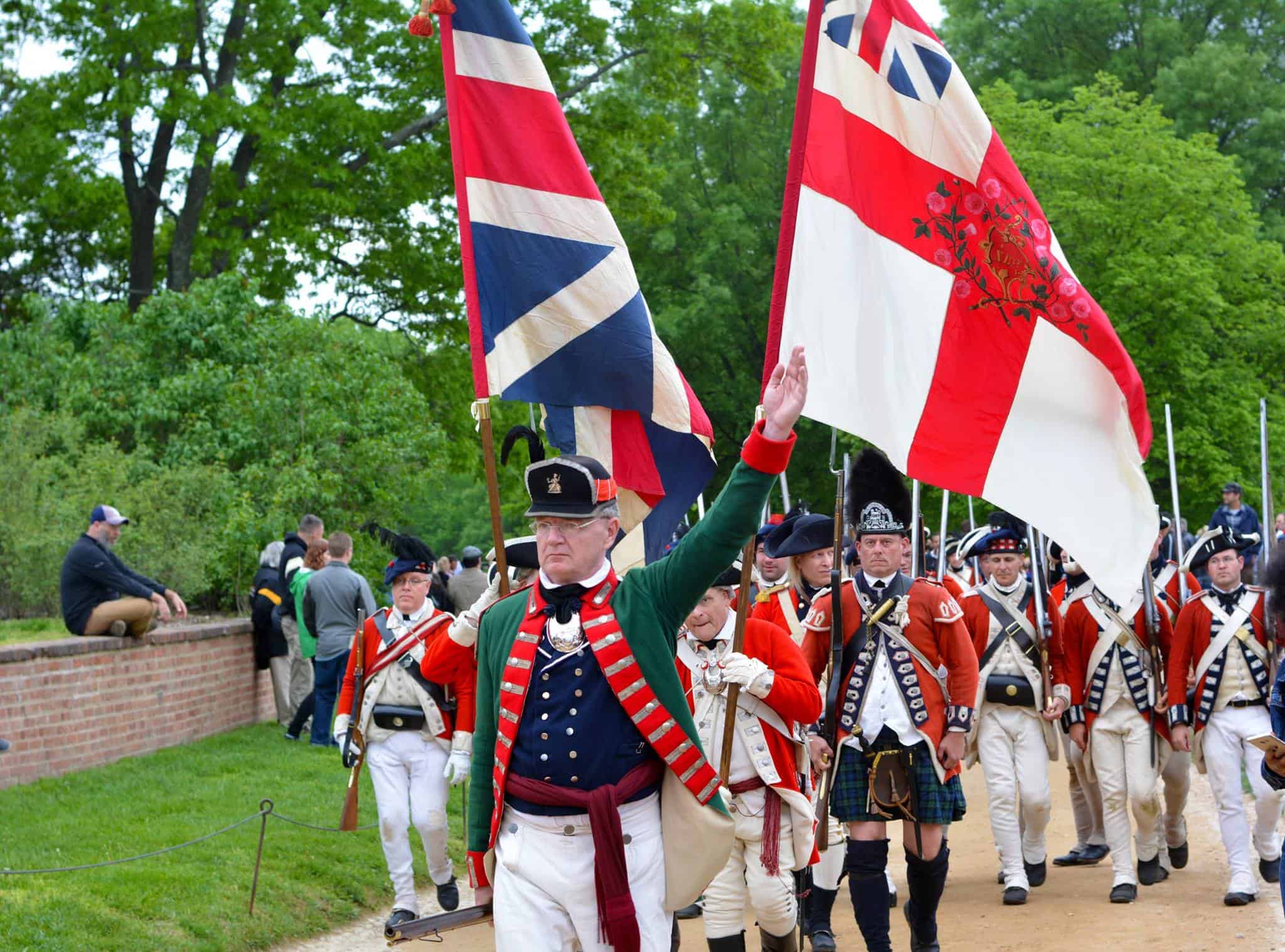
British soldiers would have needed to sail the Atlantic Ocean from the shores of Great Britain until they landed on the shores of the colonies. Contrary to any belief, most of the British army came from England, and only a few colonists comprised part of the British army.
12. Question
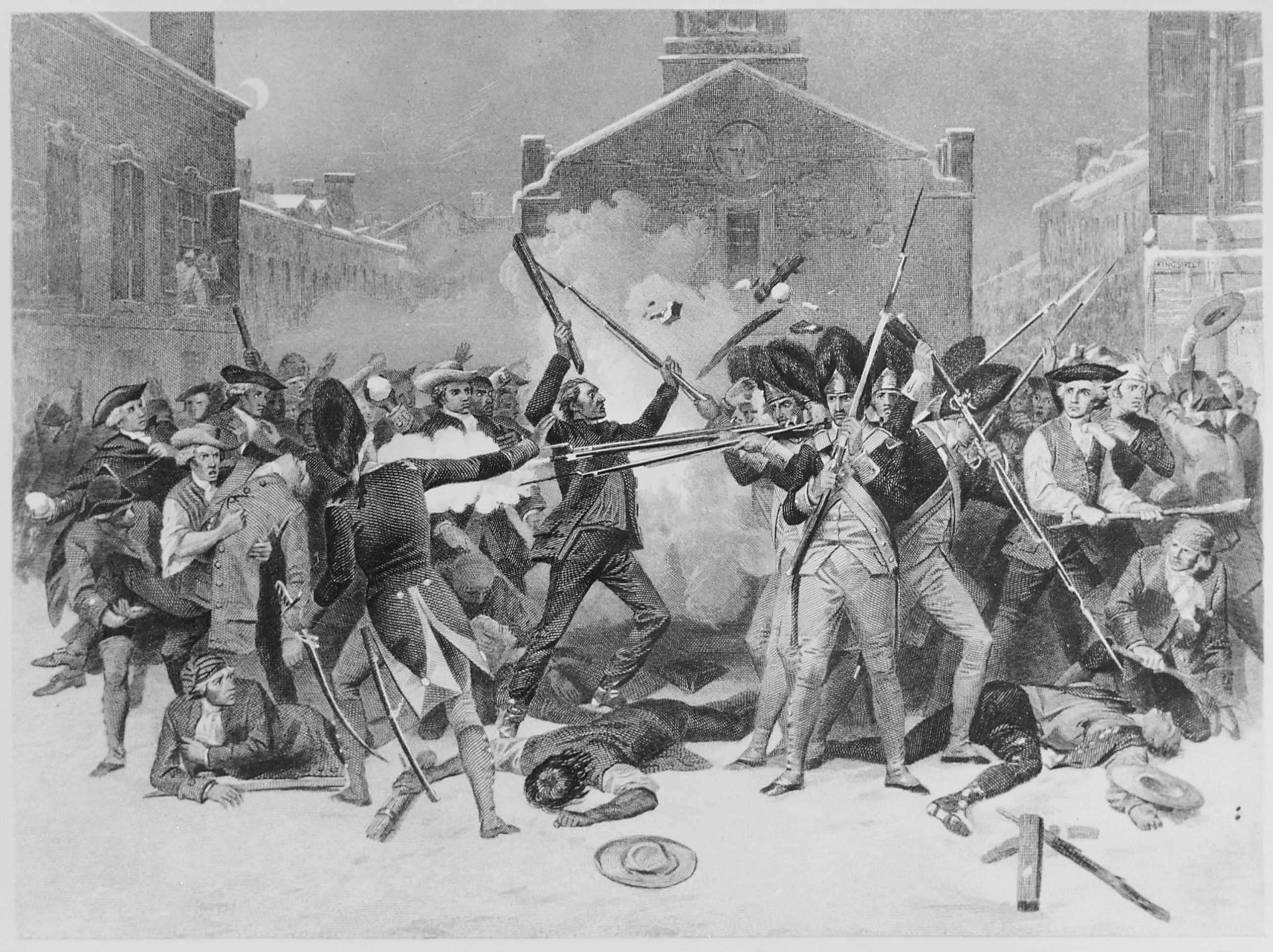
What was the Boston Massacre?
Answer: The Death of Five People
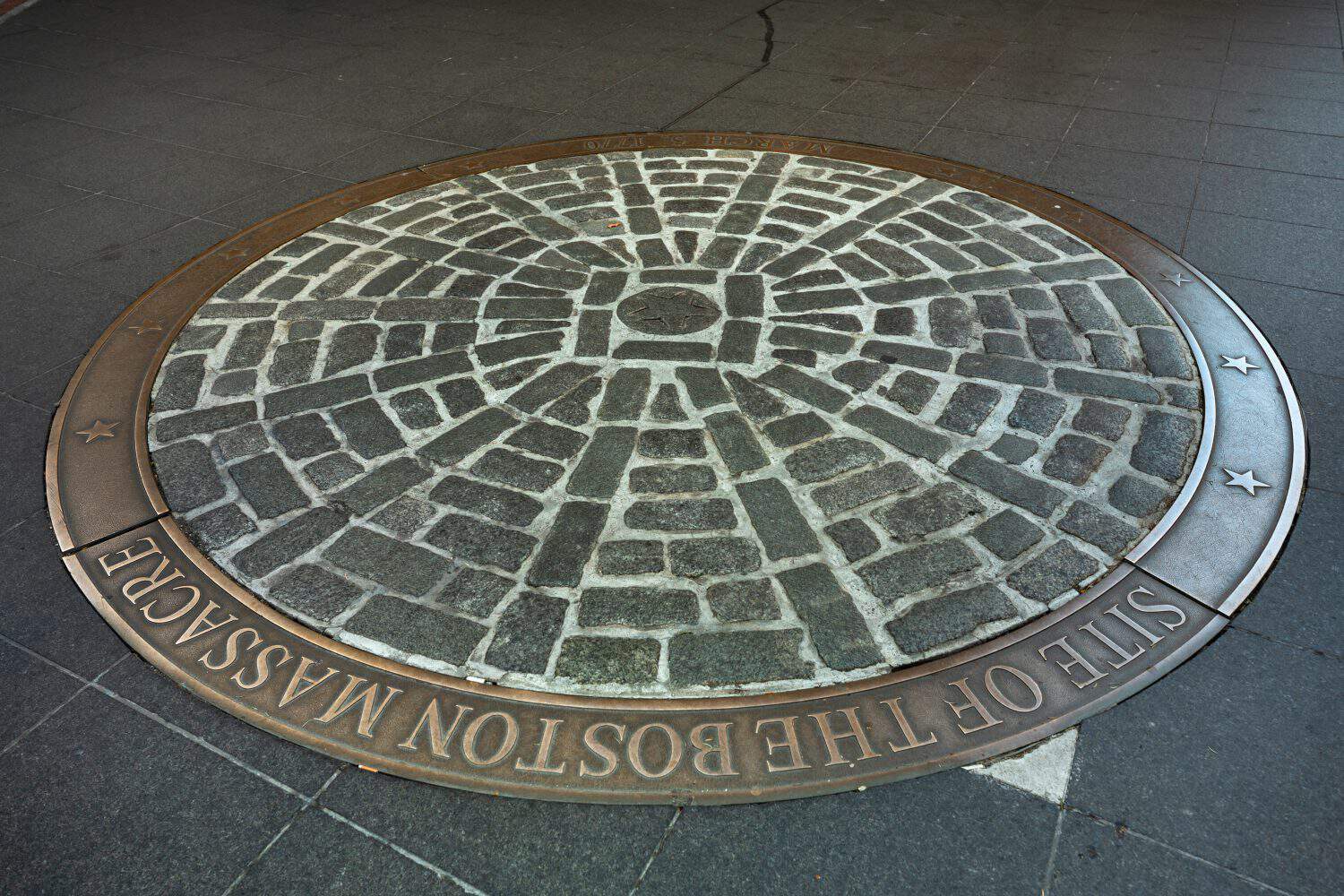
Taking place on March 5, 1770, the Boston Massacre occurred when a small group of British troops fired into a crowd of colonists protesting British taxation. This event is often marked as a turning point in allegiance to the crown by many colonists and would become a rallying cry over the years to turn public opinion against the crown’s rule.
13. Question
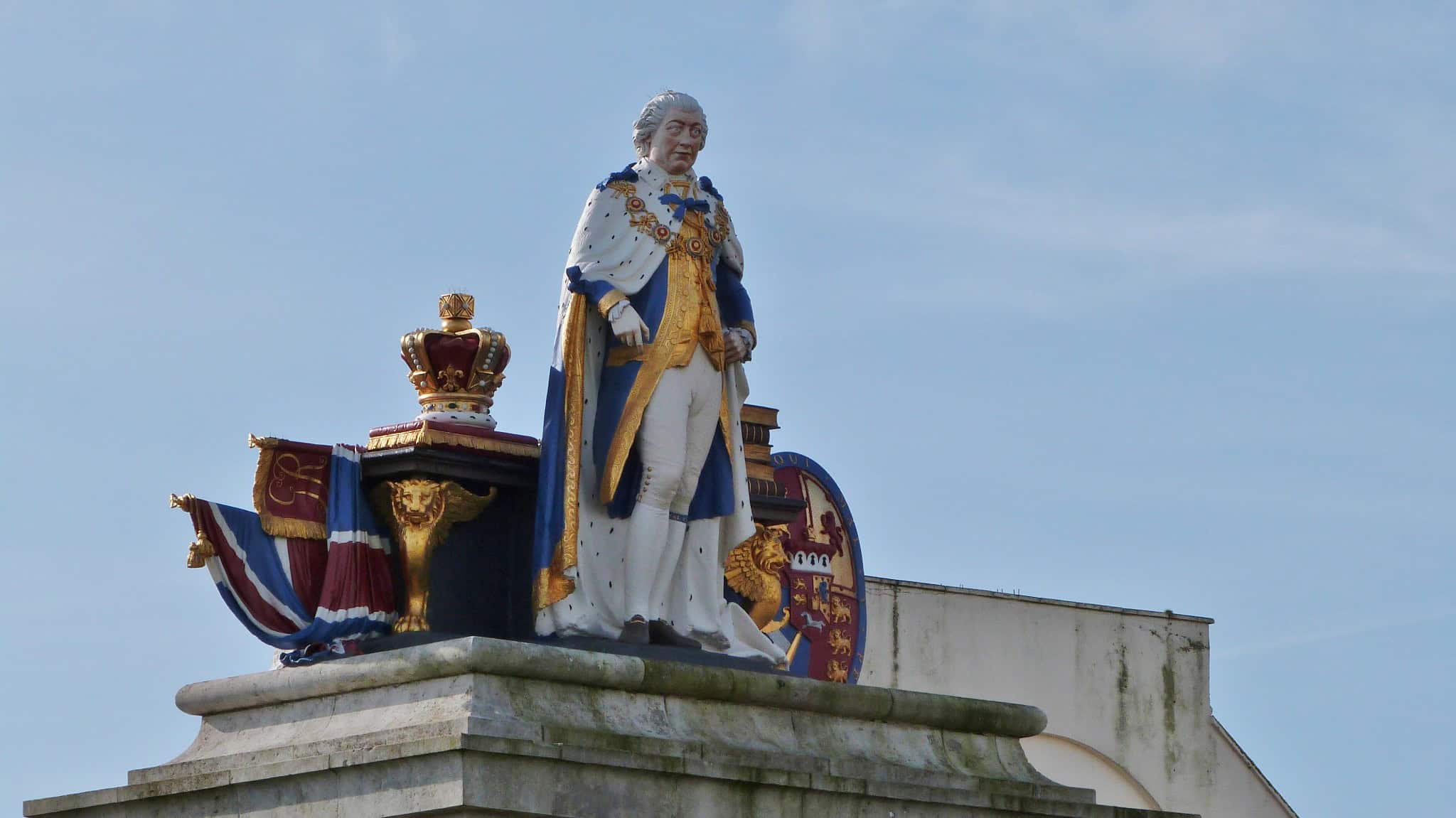
Did the colonists send a petition to the King to avoid war?
Answer: Yes
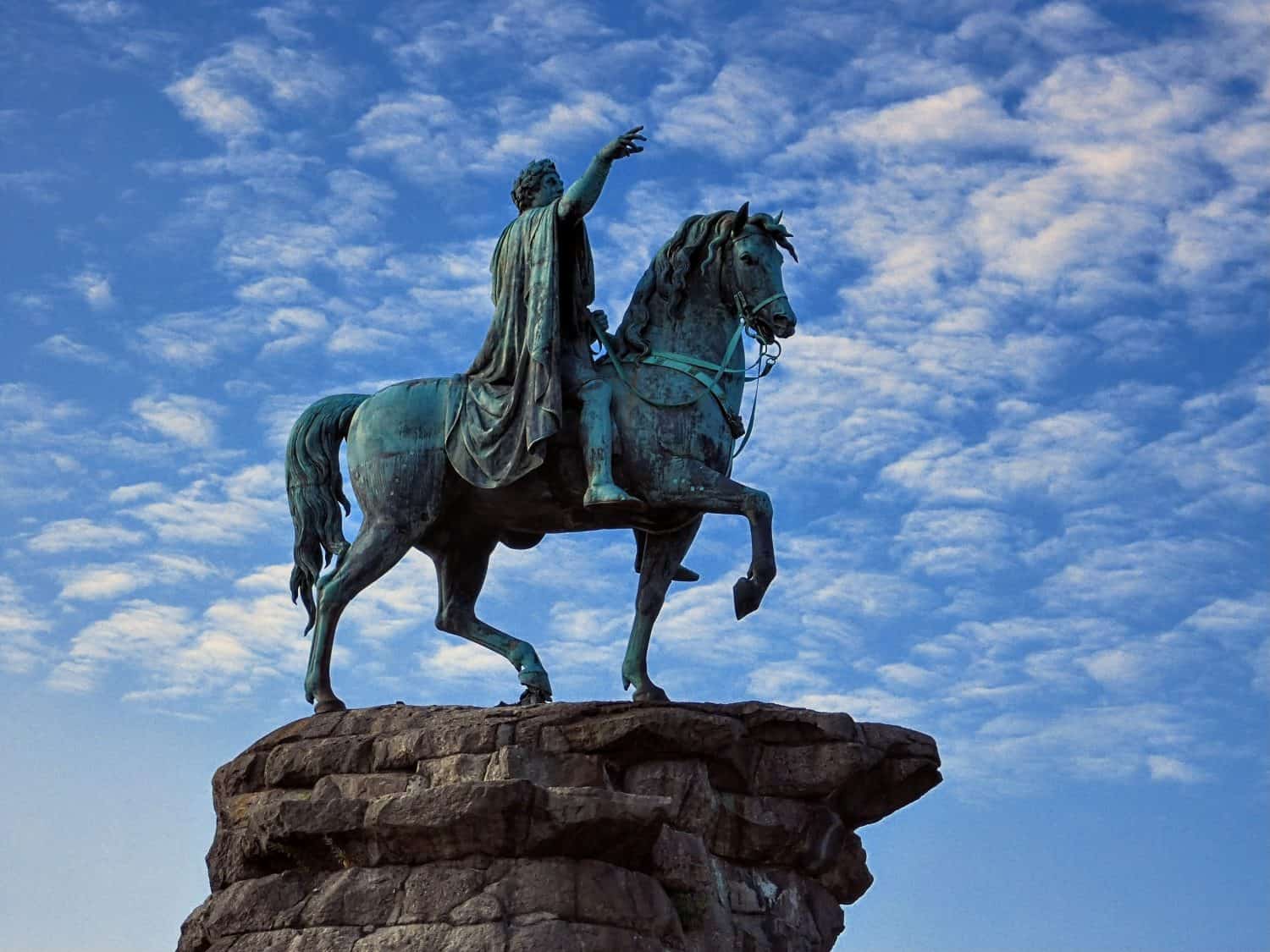
Known as the Olive Branch Petition, the colonies petitioned King George III in 1775 to avoid war. It provided affirmation that the colonies would remain loyal to the king if the king repealed some oppressive laws and unfair taxes the colonists felt were escalating tensions. Unsurprisingly, the king rejected the petition, which was ultimately the last attempt to stop the war.
14. Question
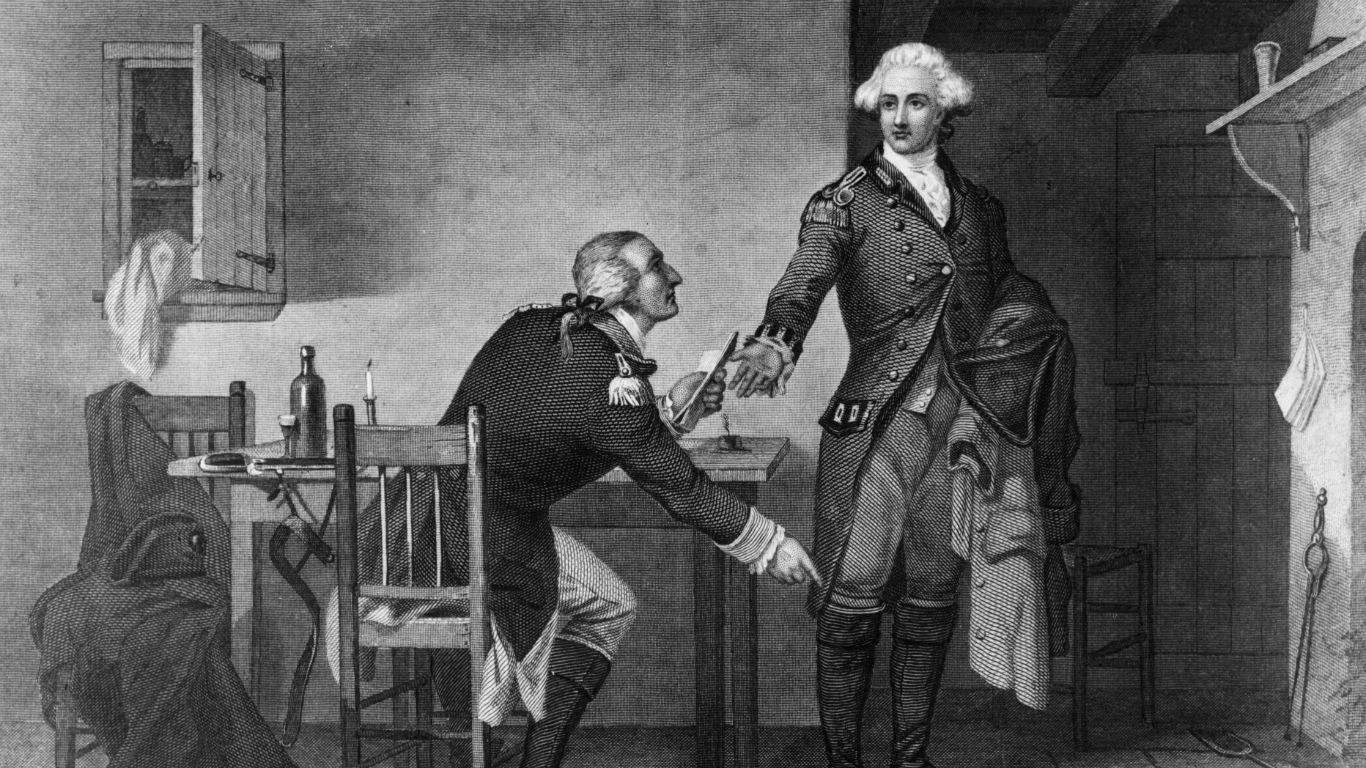
Who was Benedict Arnold?
Answer: Colonial Traitor
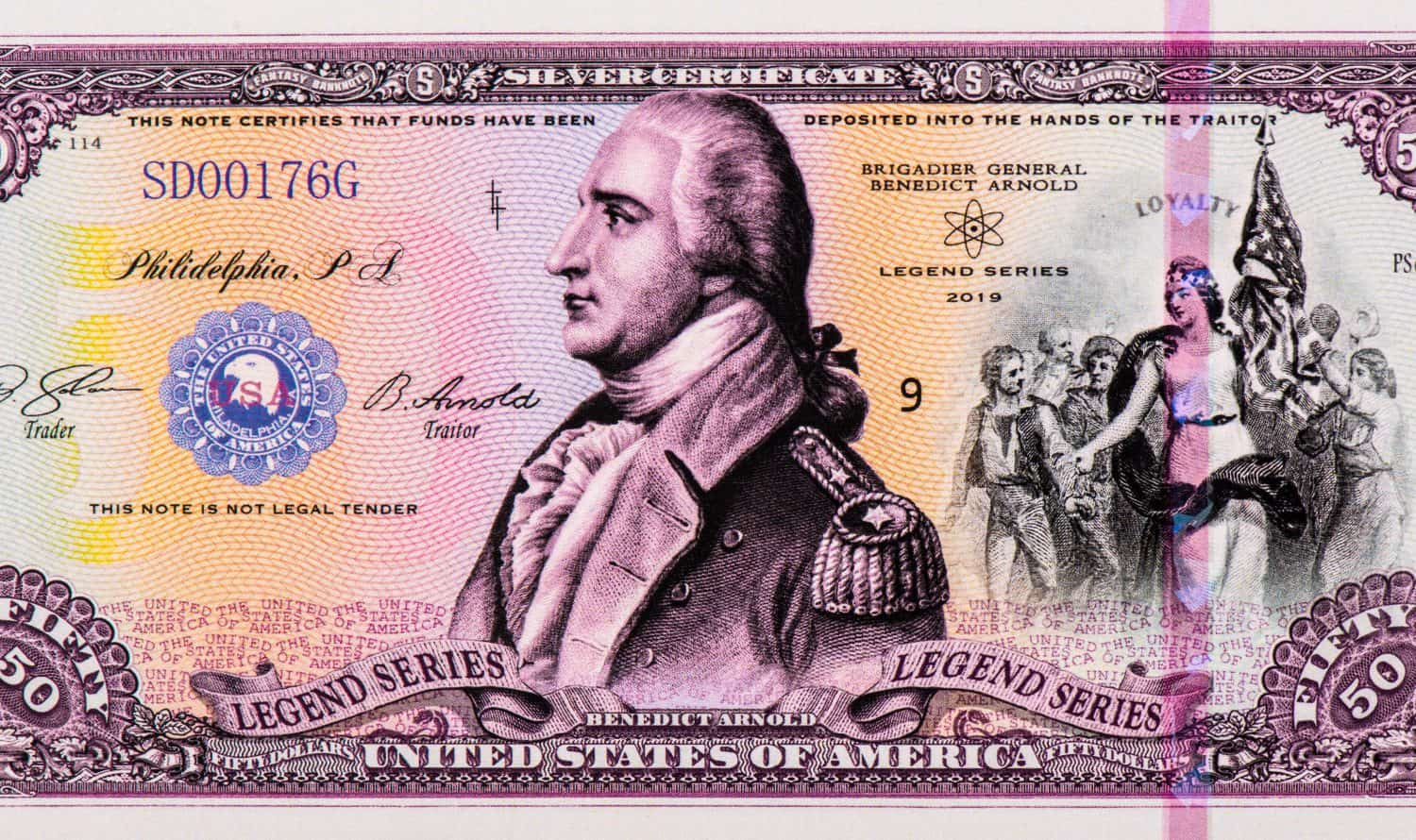
Benedict Arnold is a well-known Revolutionary War figure who started as an American general and later defected to the British side during the war. His name is now known as being synonymous with treason after he surrendered West Point (the first American military academy) to the British army.
15. Question
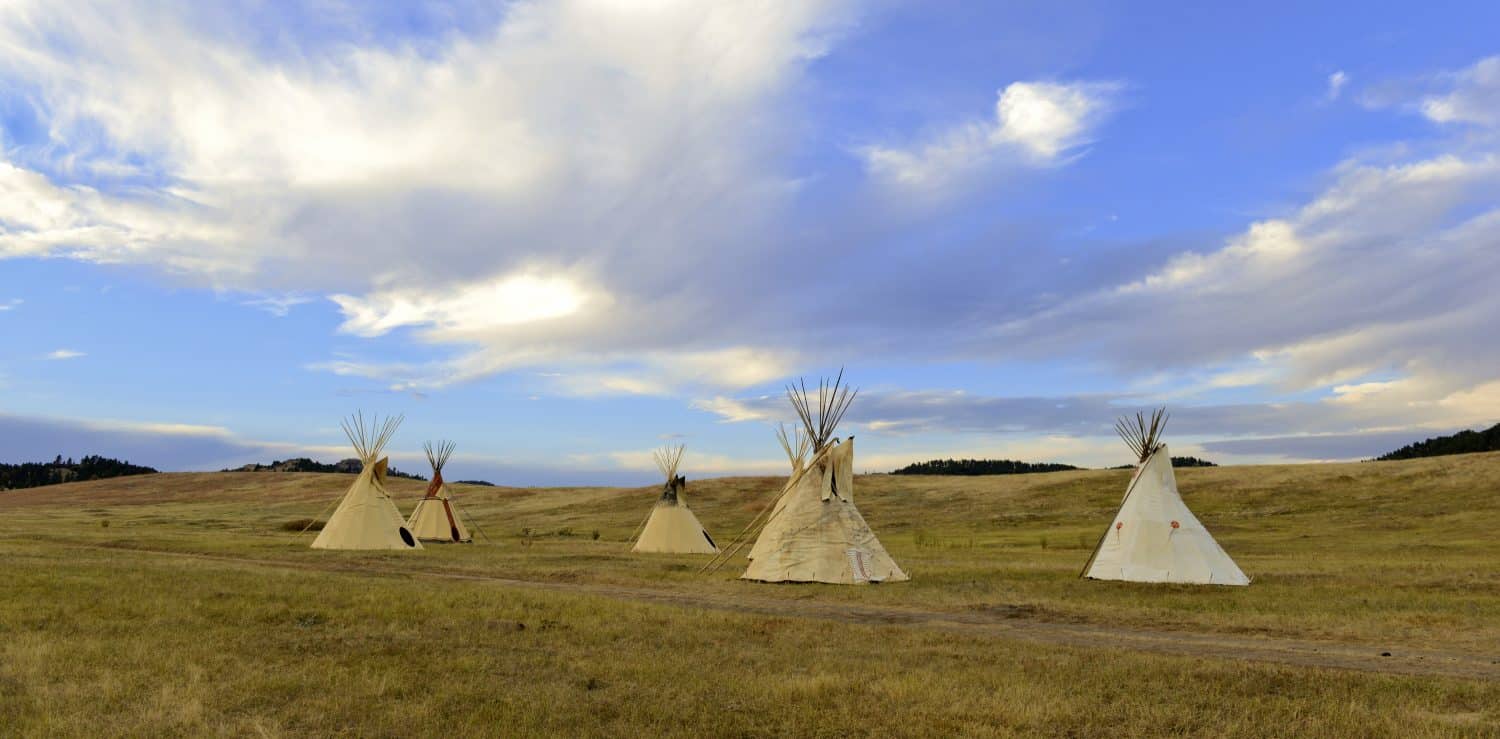
What role did Native American tribes play as part of the Revolutionary War?
Answer: Divided Allegiances
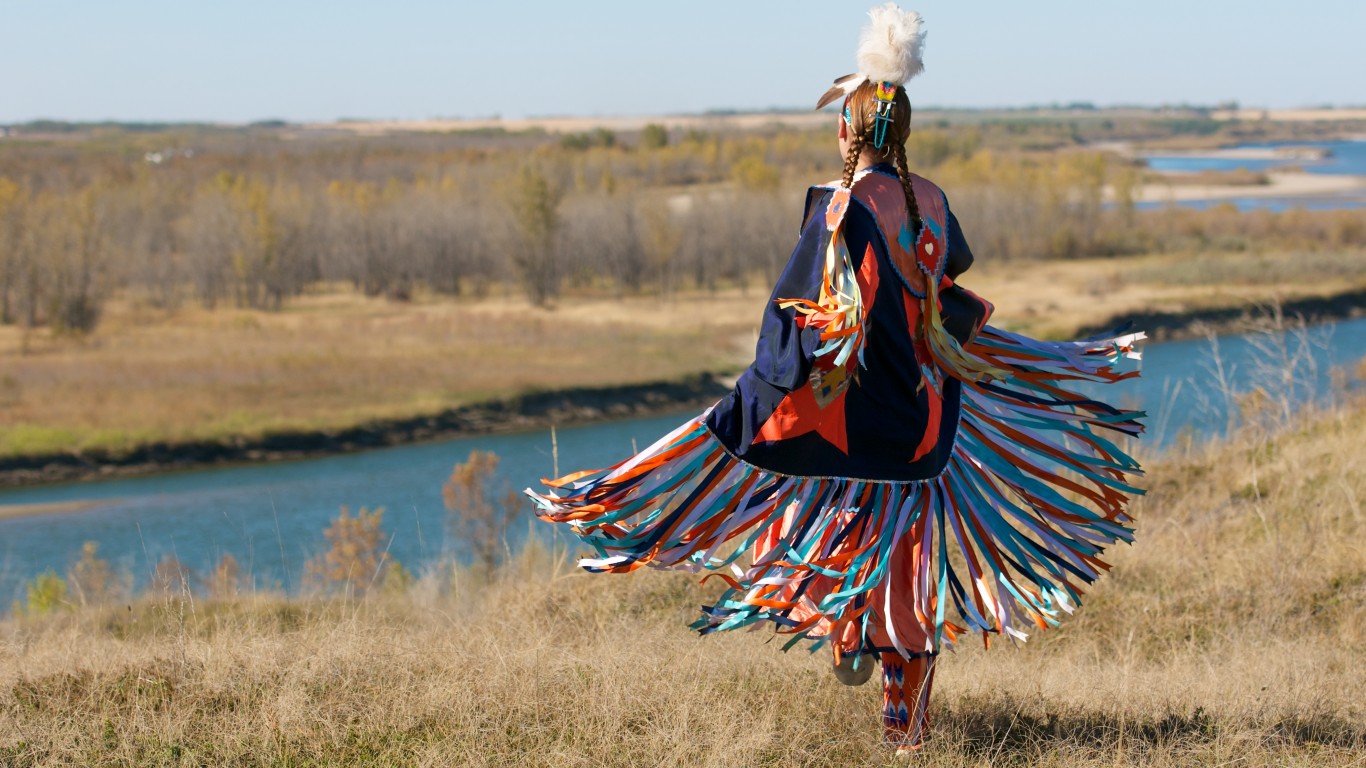
For the most part, many Native Americans allied with the British, seeing Great Britain as more likely to protect their land and continue existing trade relationships. The Iroquois Confederacy, Mohawk, and Seneca tribes were prominent British allies, while the Oneida and Stockbridge-Munsee tribes allied with the colonists. These relationships were valued for the natives’ skills as scouts and spies.
16. Question
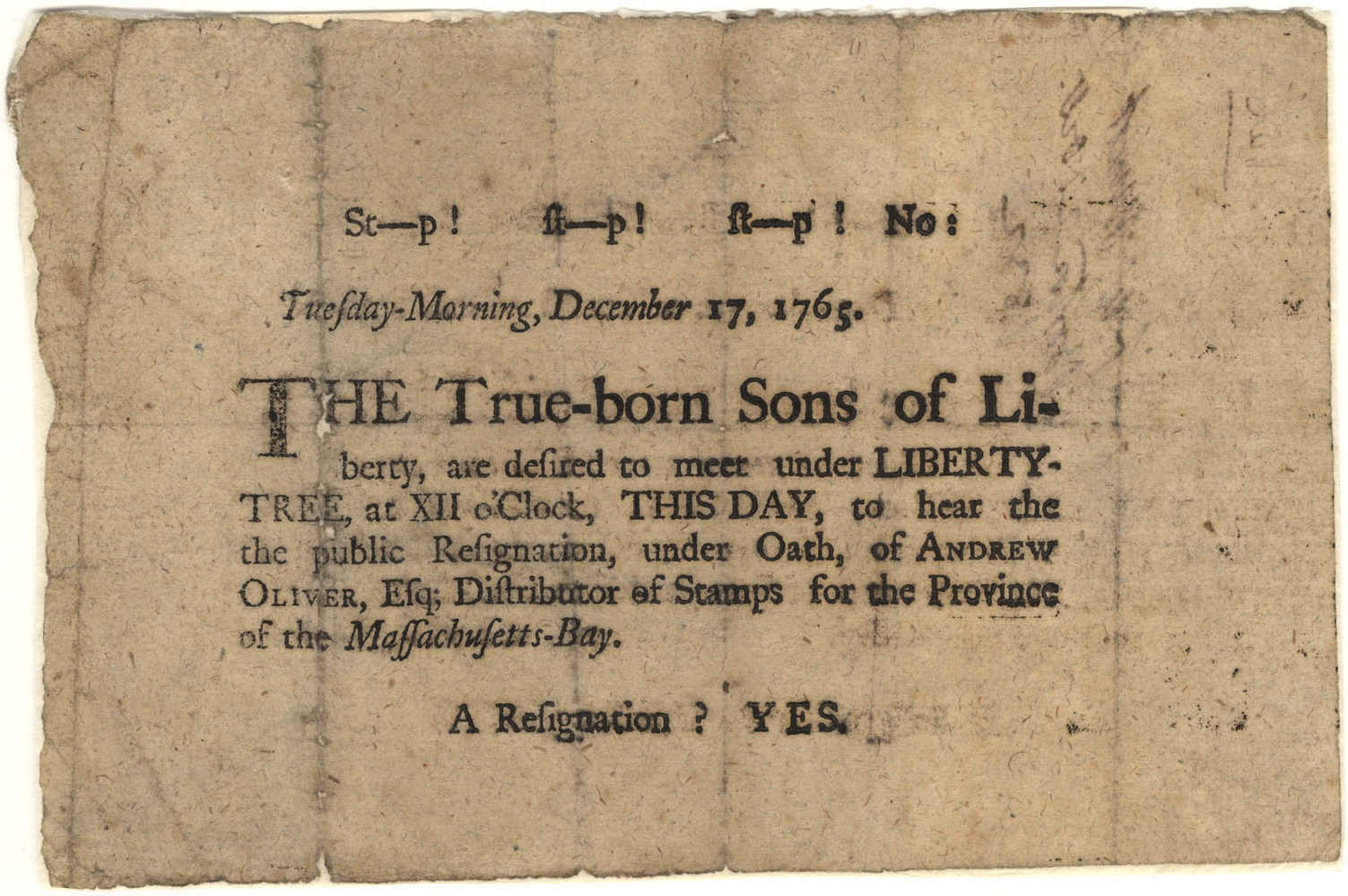
What was the purpose of the group known as the “Sons of Liberty?”
Answer: Secret Organization
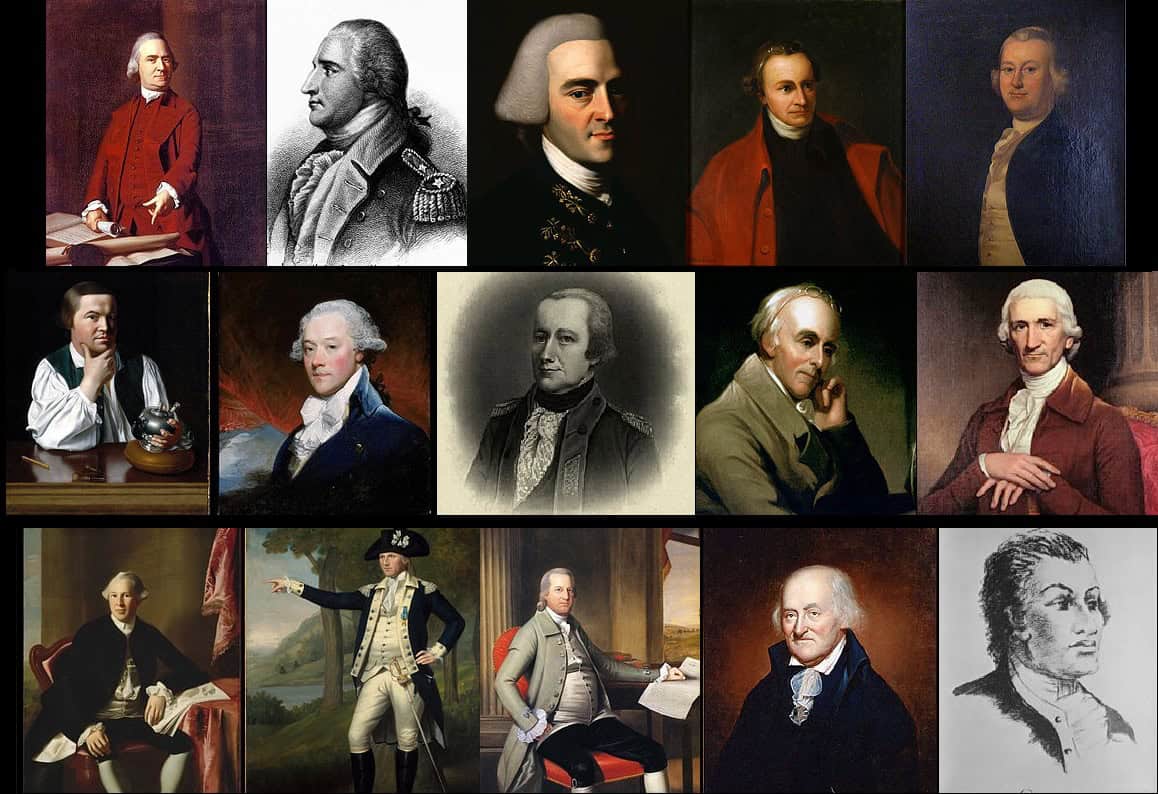
The Sons of Liberty are now well-known, but during their period, they were a secretive organization developed to help undermine British and unfair taxation policies. The group has taken credit for events like the Boston Tea Party and played a major role in establishing resistance groups that began aggravating British rule.
17. Question
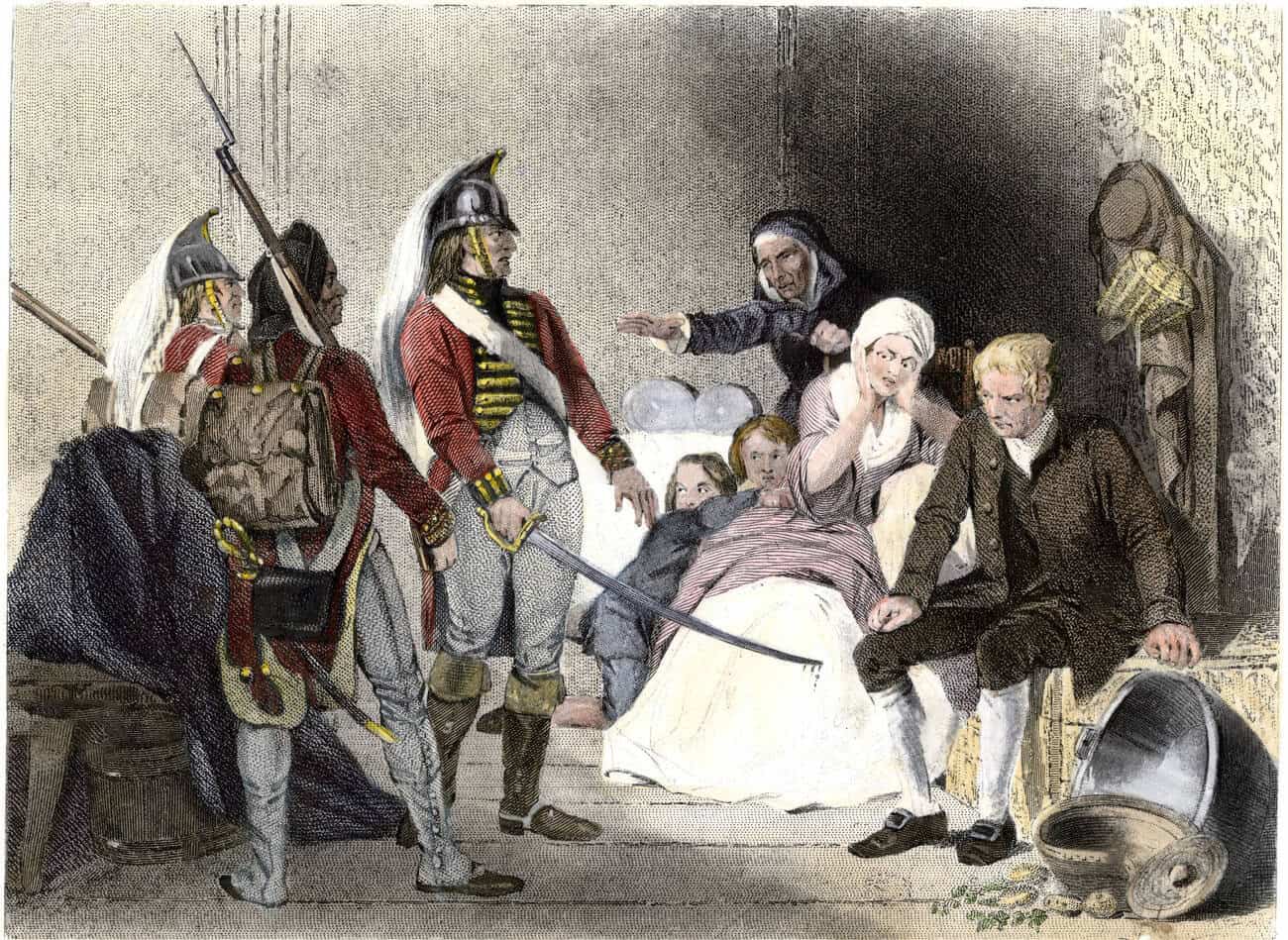
What was the purpose of the Quartering Act, and did the colonists oppose the declaration?
Answer: Housing British Troops
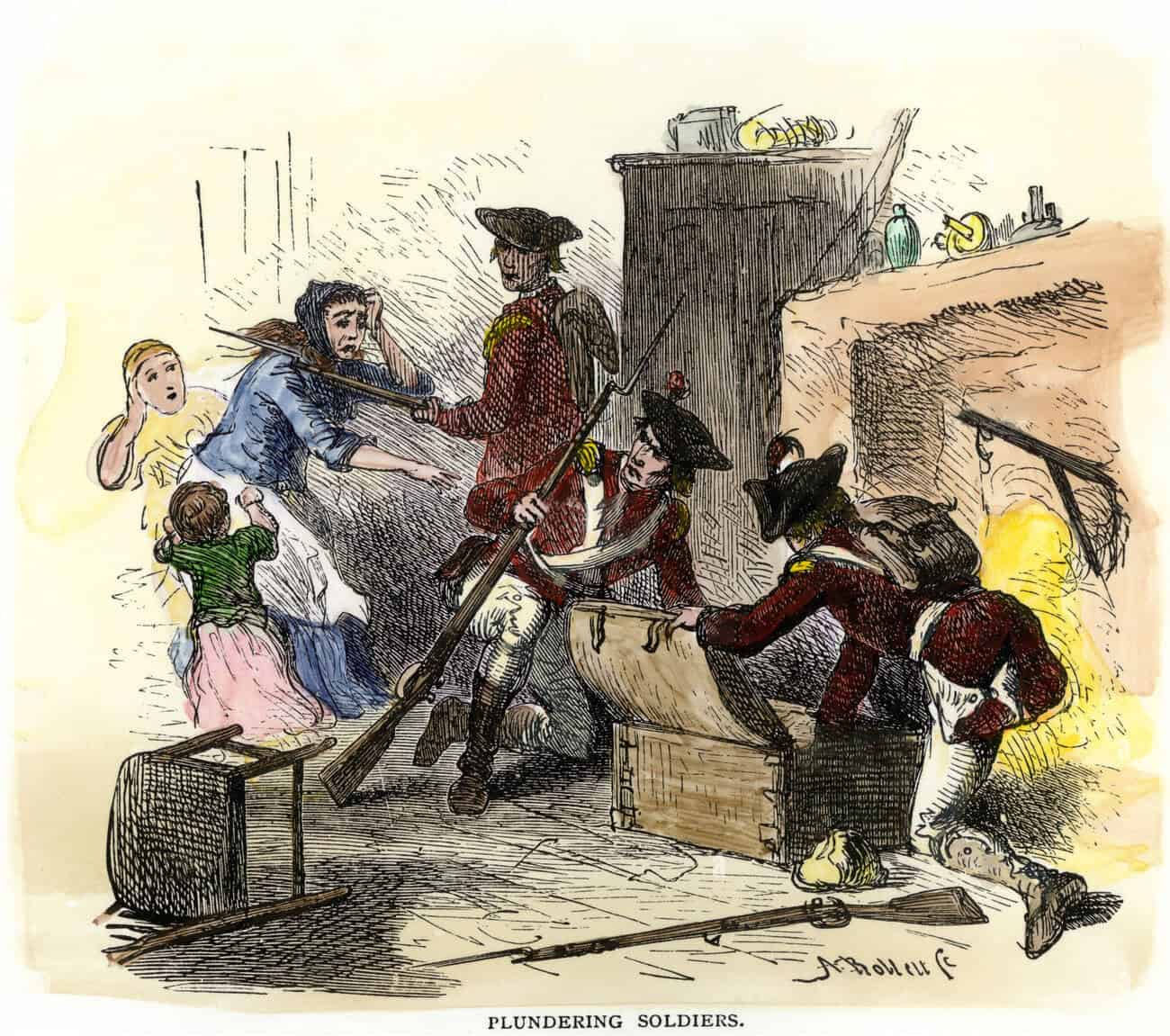
The Quartering Act was a major aggravation of the colonists, who were forced to provide housing and supplies for British soldiers throughout the colonies. There was a mostly unified belief among the colonists that this infringed their rights, especially when British soldiers represented unfair taxes, causing issues for the colonists to live and survive.
18. Question
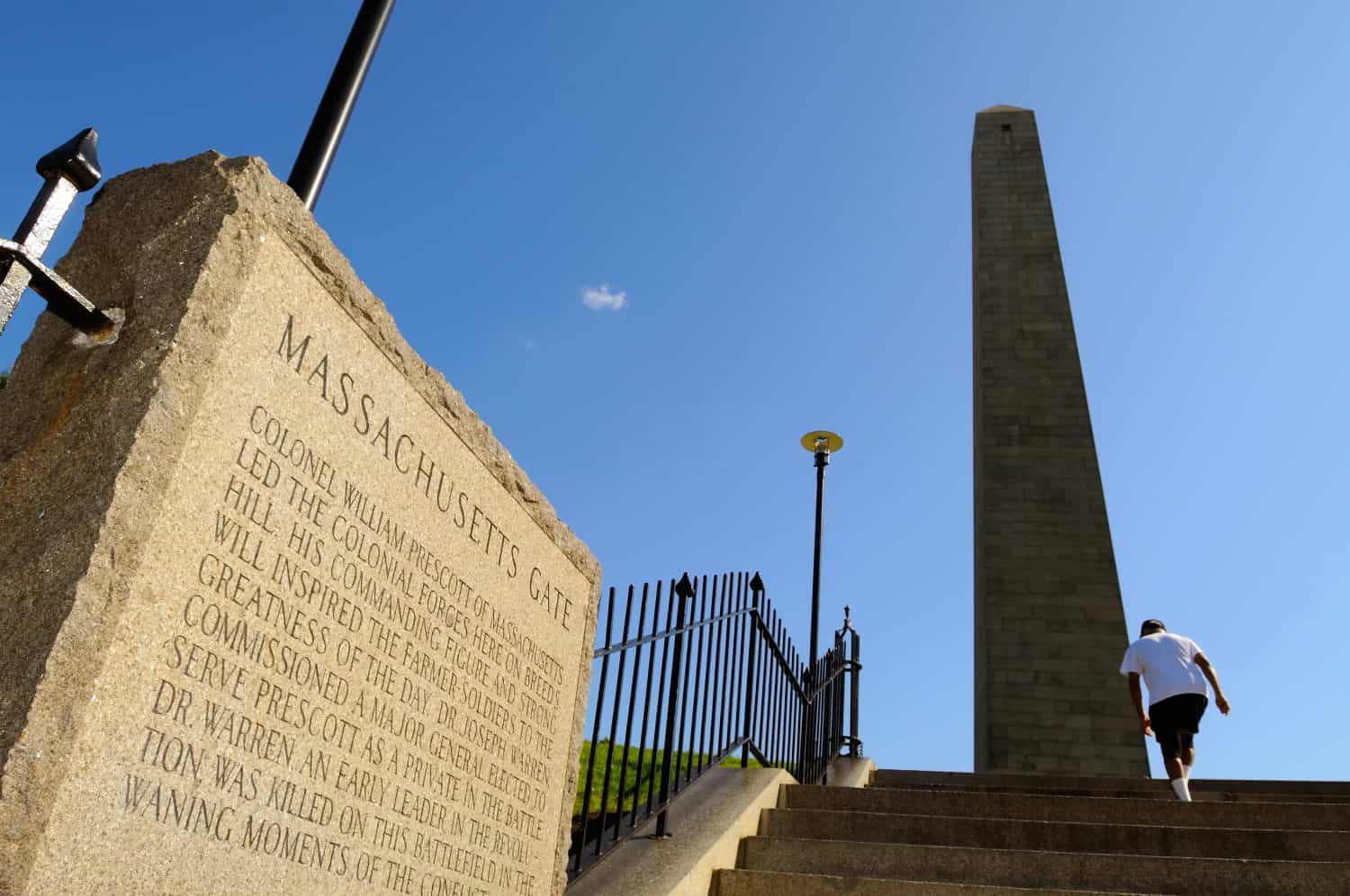
Why was the Battle of Bunker Hill such a prominent moment for the Continental Army?
Answer: Boosted Morale
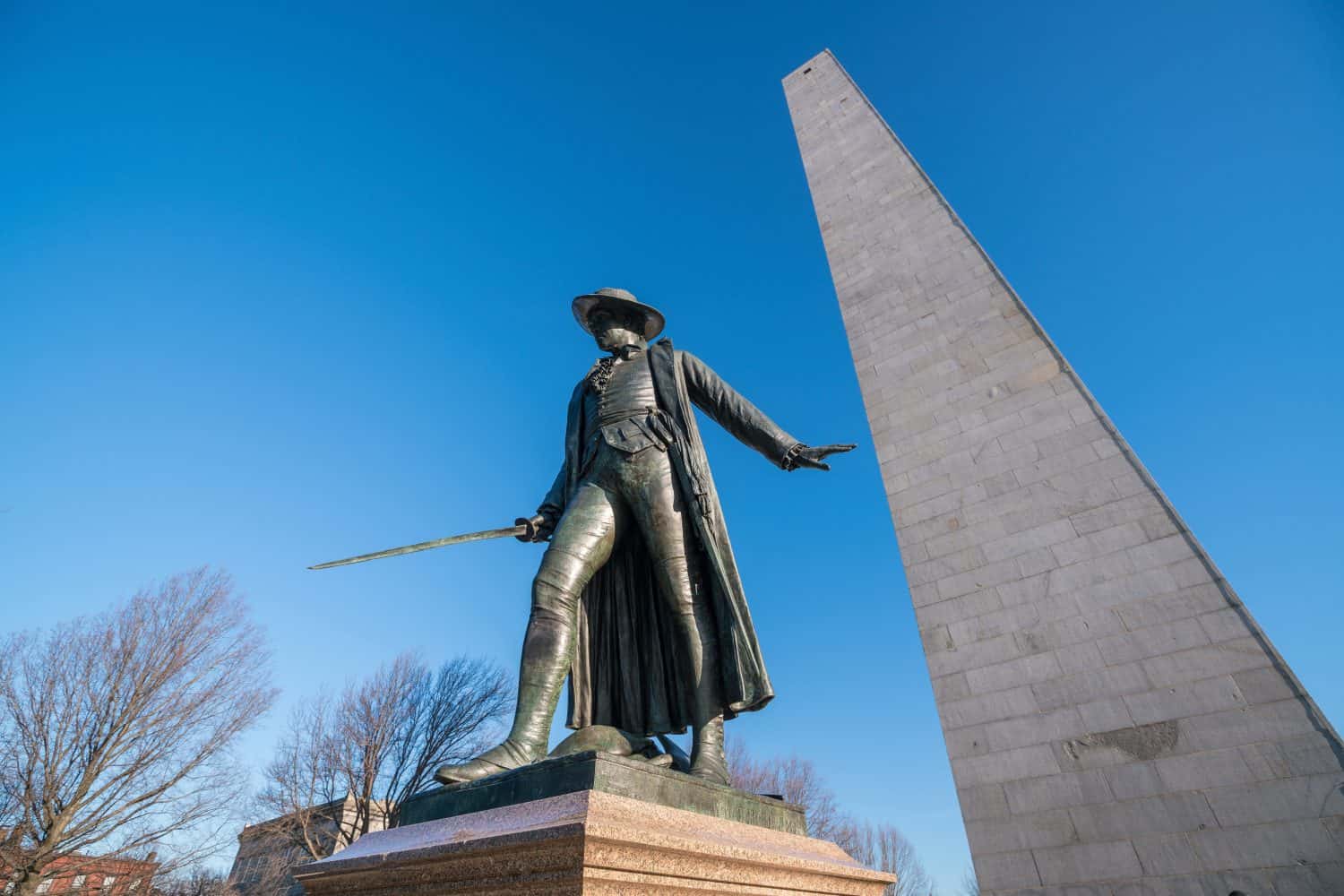
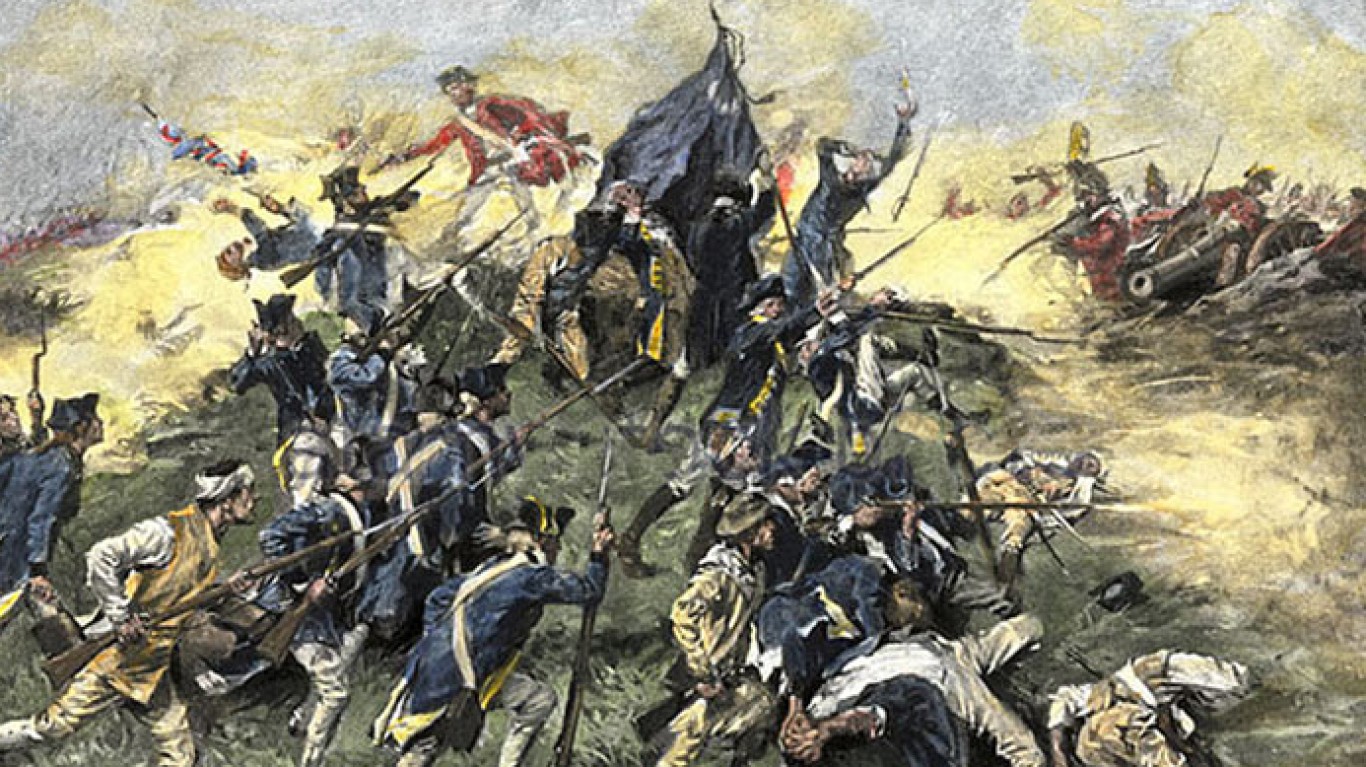
While the Battle of Bunker Hill was a defeat for the Continental Army, heavy British losses significantly boosted American confidence and the military’s morale. The big takeaway from the battle was that the newly formed American army could stand up to better-trained and armed British soldiers.
19. Question
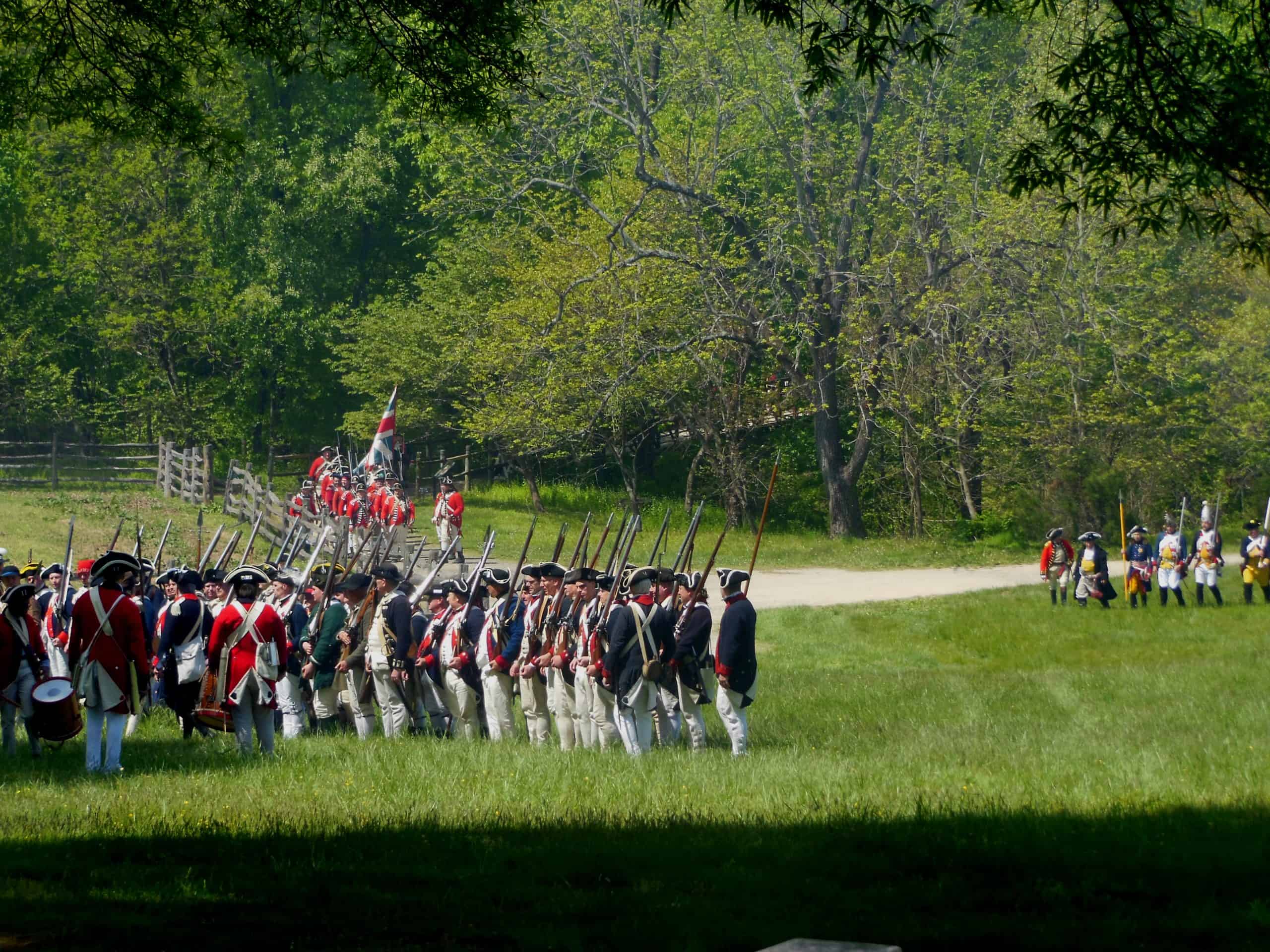
How did a battle end during the Revolutionary War?
Answer: Full Retreat
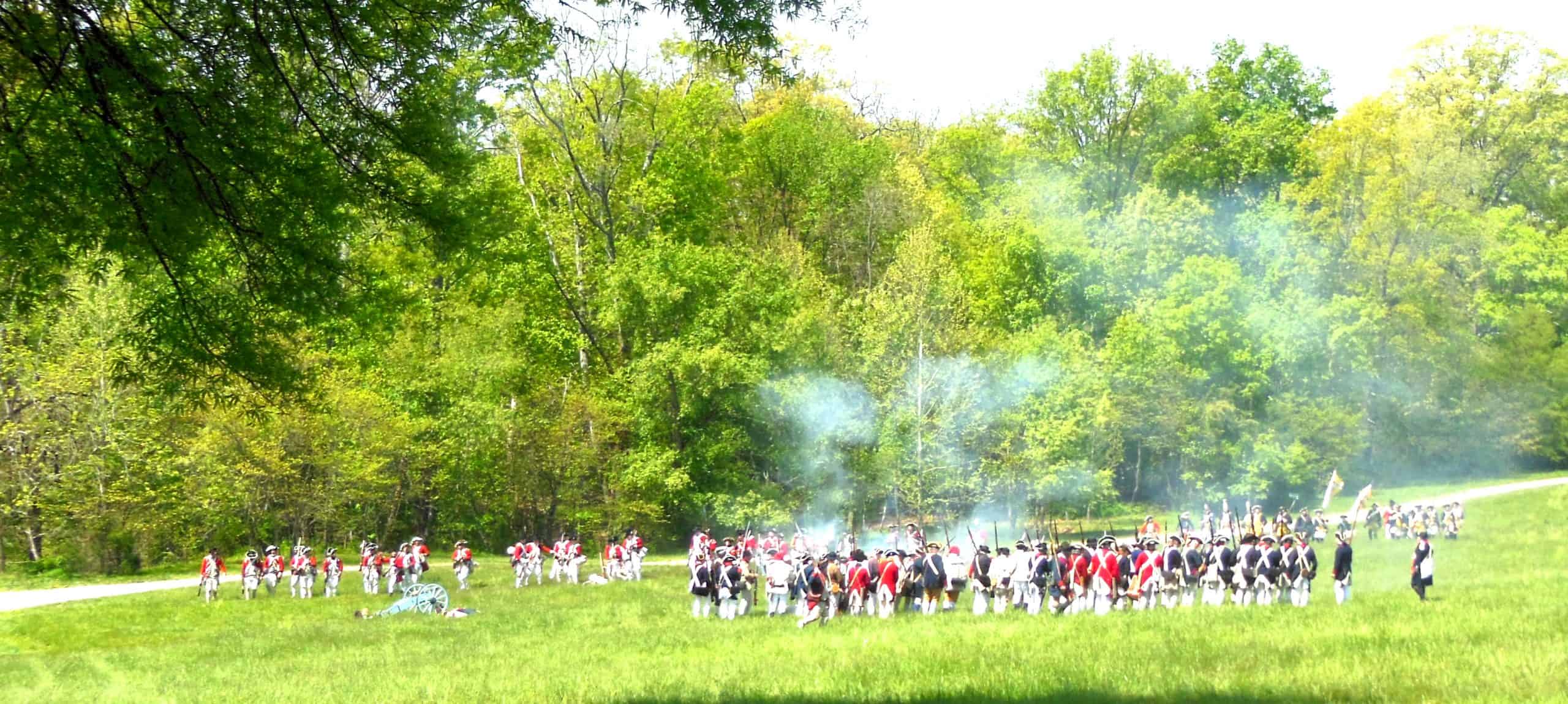
A Revolutionary War battle ended when one army or militia retreated from the battlefield. This may have been due to losing men or running out of supplies. The winner was usually determined by who held the upper hand on the battlefield, generally based on whether or not they had the better fighting position, like taking the high ground, which would force the opposing army to retreat and find cover.
20. Question

What was the significance of the phrase “No taxation without representation?”
Answer: Captured Opposition to British Rule
One of the most remembered phrases leading up to the war, this slogan captured colonial opposition to implementing multiple British taxes without input from the colonies. This slogan immediately became a rallying cry around the demand for representation for the colonies in the British Parliament and would become a focal point of calls for independence.
21. Question
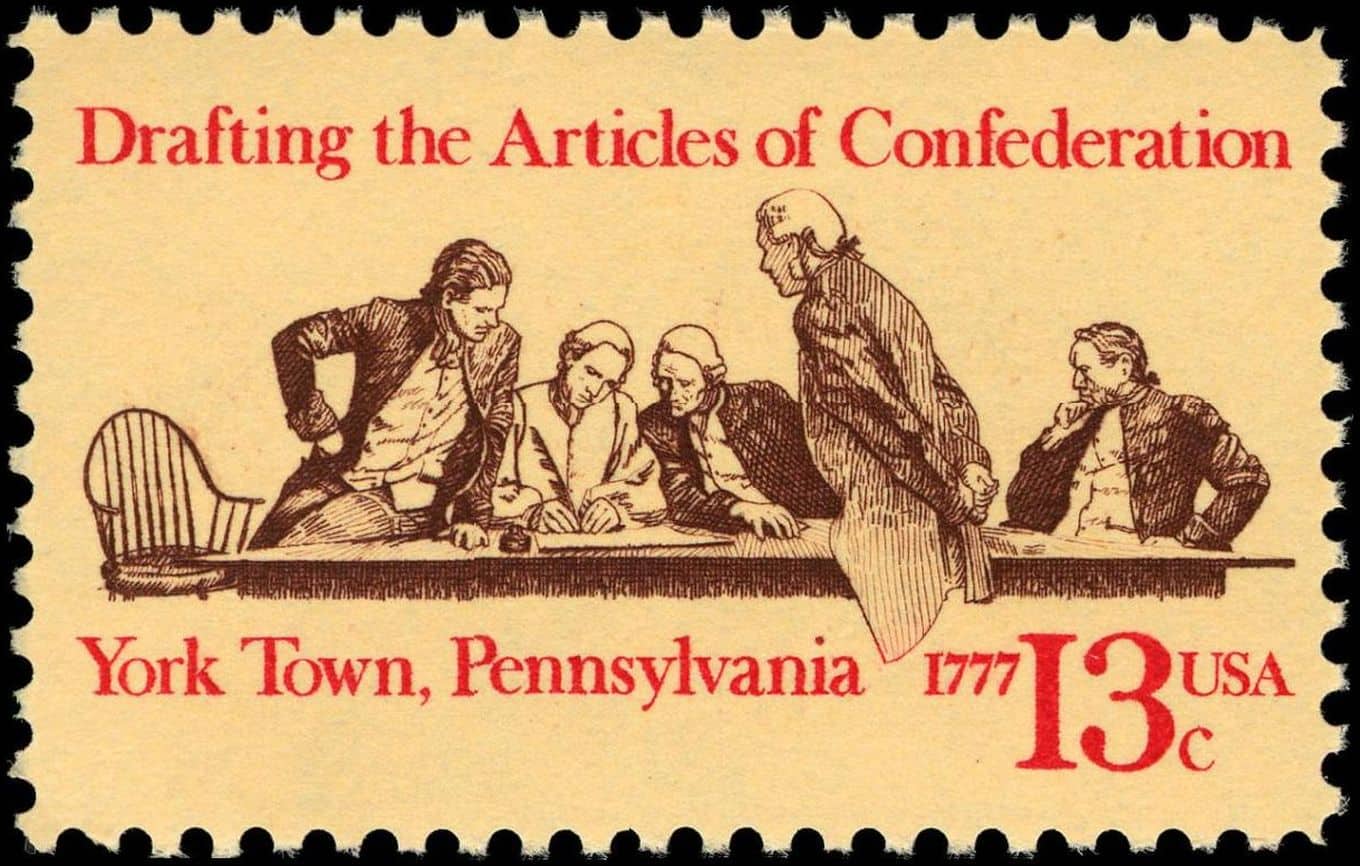
What were the Articles of Confederation, and why were they important?
Answer: The First Constitution
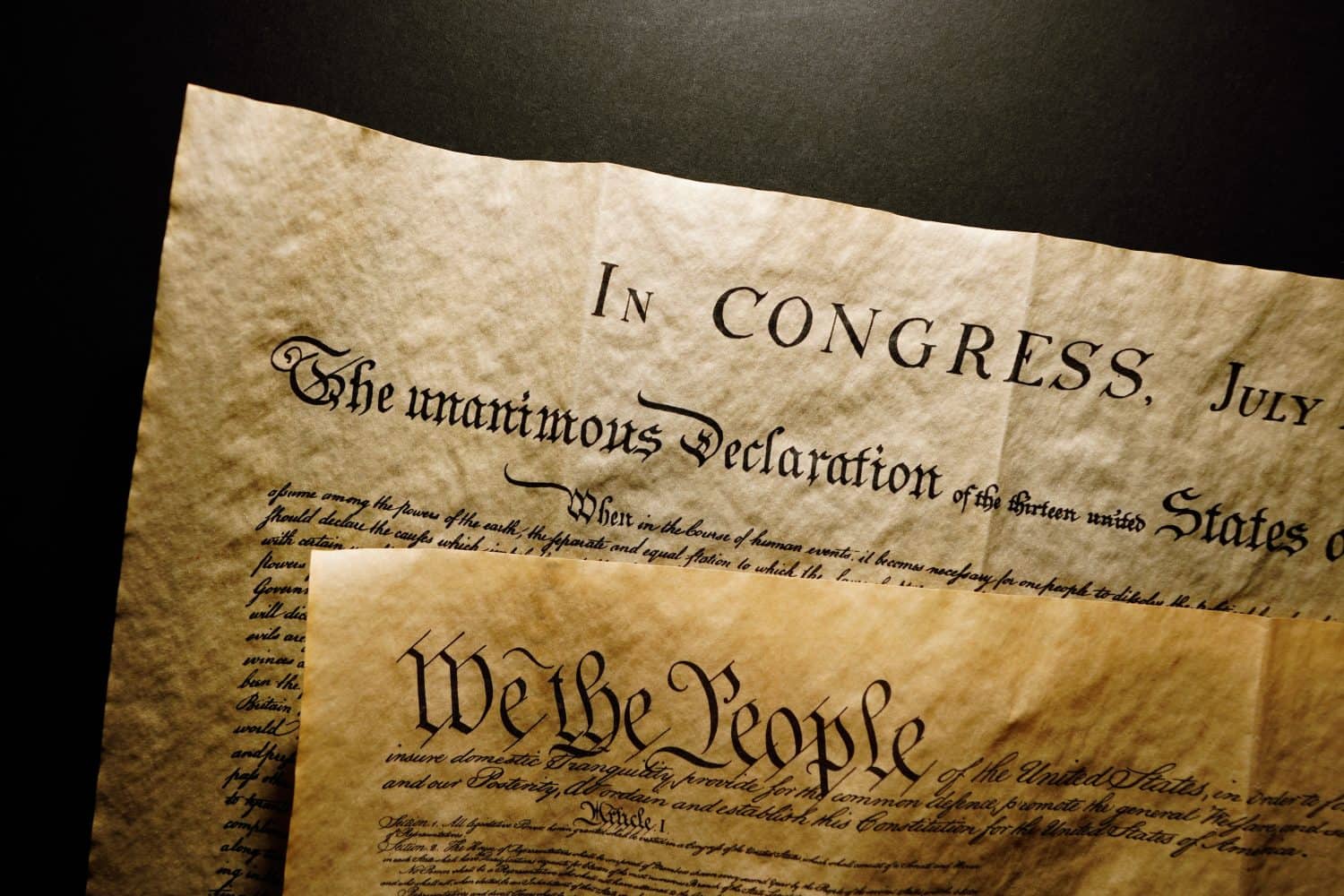
The Articles of Confederation were adopted in 1777 while the Revolutionary War was ongoing. The focal point of this document was the establishment of a weak central government, which was a direct reflection of the colonist’s fear of authoritarian rule. Ultimately, the document led to the US Constitution and the government’s need to levy taxes and create a slightly stronger government, albeit different from the British crown.





 Top Gaining Stocks
 Top Losing Stocks