


24/7 Insights
- When it comes to retirement income, there are multiple ways to earn.
- It should come as no surprise retirement accounts are the biggest income provider.
- Some retirees will still choose to work, just in a slower-paced environment.
- Also: Take this quiz to see if you’re on track to retire (Sponsored)
When you think about retirement, the hope is that you’ve earned all the money you need to live. This might be true, but for many people, the reality is that you still have potential income sources after your last day of work.
In fact, according to a Nationwide Financial Survey, over four-fifths of people will have additional retirement income alongside social security. Whether this is a 401K, pension, inheritance, or something else, the potential for retirement income still exists in at least ten different ways.
1. Retirement Accounts
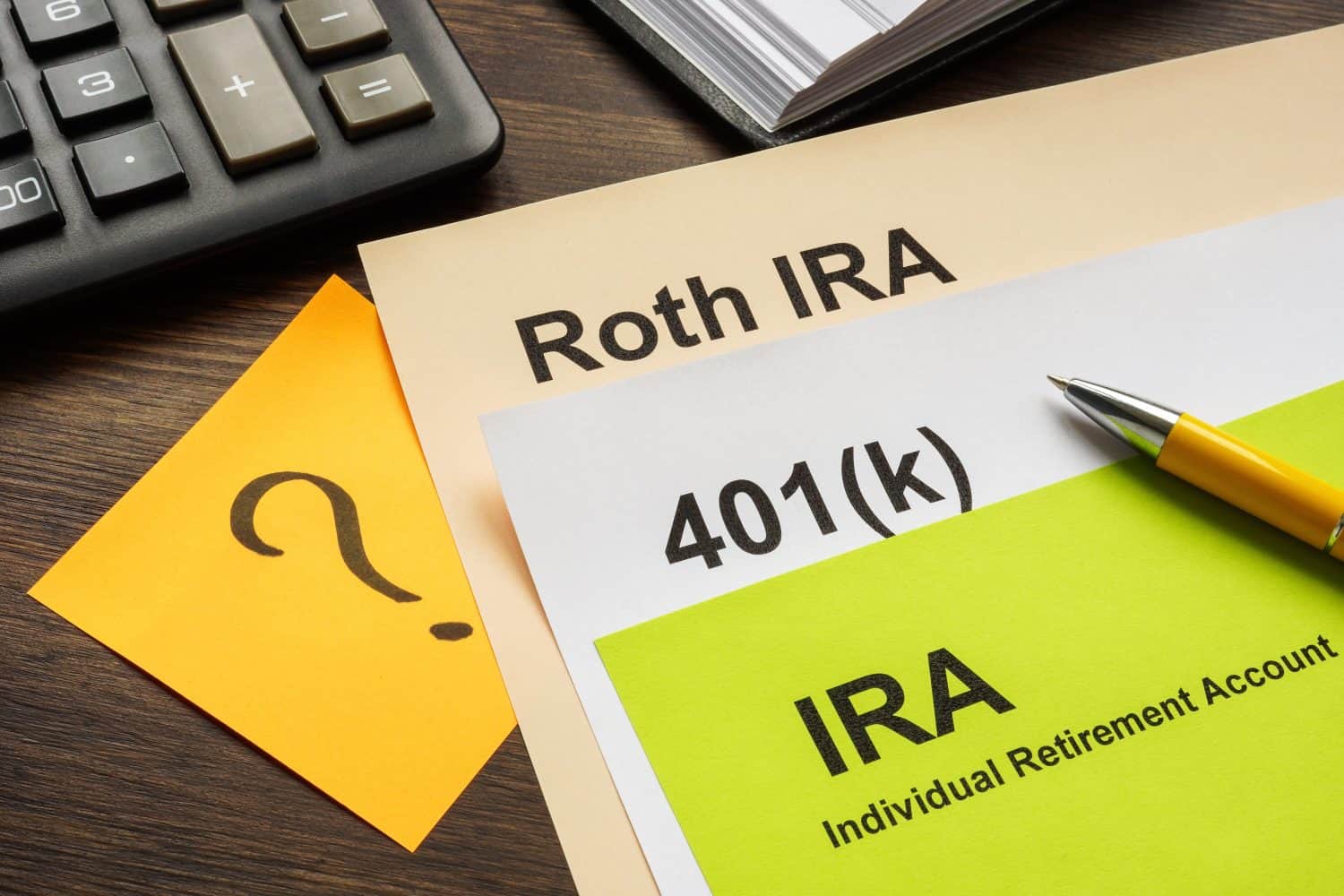
The most obvious place where most of this group of earners will receive money is a retirement account. In the case of this study, this means either a 401K or IRA. Through stocks and bonds, dividends, or some other investment area, maybe even capital appreciation, at least 52% of this group expects to earn using this method in retirement.
2. Savings
Unsurprisingly, a savings account is one way 49% of those surveyed expect to earn while in retirement. Using something like a high-yield savings account or an account with compound interest, savings accounts are low-risk and FDIC-insured.
3. Pensions
Thousands of careers available will enable workers to earn pensions they can draw from in retirement. Pensions can come in all shapes and sizes, but they remain integral to many career fields and provide guaranteed annual income for 29% of those surveyed.
4. Individual Stocks or Bonds
You can invest in individual stocks and bonds for those who don’t want to go all-in on a 401K or IRA. Anyone of retirement age would arguably wish to be heavily invested in stocks that offer dividends, which provide additional income quarterly to 24% of Nationwide Financial’s respondents.
5. Mutual Funds
Any time you invest in a mutual fund, you spread the risk across a diverse range of stocks. Through this diversification, 19% of respondents hope they can offset any potential losses with other gains, making a mutual fund a way to grow wealth in retirement without as much volatility as individual stocks.
6. Employment
Suffice it to say that some people never want to truly retire but want to slow down. In the case of this survey, at least 17% of those who responded indicated they still planned to work while being retired. This likely means giving up the corporate slugfest for something less stressful, like taking on work at a non-profit or something along those lines.
7. Part-Time Gig Work
I cannot speak for every Uber driver, but I have talked to several drivers who work with the company as part-time gig workers in retirement. At least 13% of survey respondents agree that this is a planned way to keep up some income while in retirement and again allows for giving up corporate politics.
8. Annuities
The 12% of those surveyed looking toward annuities for money while retired hope it will provide guaranteed income. When you purchase an annuity and receive a lump sum or series of payments, the company will provide regular money for the remainder of your life as a lifetime annuity. Alternatively, choose a fixed annuity, which provides income for a fixed period.
9. CDs
Similar to a traditional savings account, a CD or Certificate of Deposit will provide better returns. A savings account typically provides a very low interest rate, so 11% of those surveyed would opt for a CD. The understanding is that a CD will offer a higher interest rate than a savings account, but your money could be locked up for a fixed period.
10. Inheritance
While an inheritance is never guaranteed, it does appear that at least 10% of Nationwide survey respondents are looking to this area for income while retired. It should go without saying that to rely on this area of income, you should know well ahead of time what kind of inheritance is expected.













 Top Gaining Stocks
 Top Losing Stocks