



One of the most important things you can do in the new year is familiarize yourself with all the investment opportunities available. Whether it’s the stock market, ETFs, 401(k), annuities, or any other investments you can make toward your future, asking some simple questions can go a long way.
It’s okay if investing seems confusing and almost something that you need an advanced degree to understand. However, the reality is that investing is easier to follow than most people might think, and any industry jargon can be easily translated into simple language.
1. Question
What’s the difference between saving and investing money?
Answer: Building Wealth
The easy answer is that saving and investing can go hand-in-hand, but they are different. Saving is putting aside the money you have earned and plan to use. Saving might be for a car, home, vacation, or something else. Alternatively, an investment is using your money to try and make more money. In other words, investing is using your current earnings to generate more earnings.
2. Question
When should you start investing?
Answer: Immediately
The answer to this question is pretty nuanced, as it depends on whether you have disposable income that can be used for investing. However, the idea is that you should try to start investing as soon as possible to grow more wealth.
3. Question

How much should you be investing?
Answer: As Much As You Can
How much you should invest will depend on how much you can afford. However, there is also a question about your goals and the timeline you hope to achieve them. The answer to this question will help you understand how much you need to invest. You also need to ensure you are only investing money after you have paid off your bills, established an emergency fund, and paid off any high-interest debt.
4. Question

What is a stock?
Answer: Share Of A Company

When you purchase a stock, you buy a piece of a company that you hope will grow through a dividend or stock price increase. You buy stocks on exchanges like the New York Stock Exchange, and the stock’s worth can fluctuate based on the company’s performance.
5. Question

What is the difference between a stock and a bond?
Answer: Different Investment Types
If you’re purchasing a stock or a piece of ownership in a company, you are generally looking for a higher potential return that also comes with more risk. On the other hand, a bond is a loan you give to a company or government in exchange for an interest payment. It is often considered less risky but has a lower return.
6. Question
What does “risk” mean as far as the stock market goes?
Answer: Level of Return

Generally speaking, your “risk tolerance” equals the type of investments you make, as you don’t want to make any investments that could fluctuate too much. In other words, your “risk” is based on how much volatility you are willing to accept in the stock market. If you want a more conservative approach to the market, you will have a lower risk tolerance. However, riskier bets are often more likely to produce bigger returns if they perform.
7. Question

What does it mean to “diversify” your portfolio?
Answer: Different Investment Types

The best way to invest is to diversify your portfolio so you don’t have all your money in one place. This might mean spreading your assets across the stock market, in bonds, real estate, 401(k) accounts, etc. If you have a downturn in one area, the other investment accounts will hopefully still perform well to balance any losses in one investment sector.
8. Question
What is a mutual fund?
Answer: Pool of Investments
If you are investing in a mutual fund, you are looking at investing in a pool of investments established by a money manager or hedge fund. These mutual funds generally include accounts like investments, real estate mutual funds, or a mutual fund in technology, natural resources, or healthcare sectors. Mutual funds are generally open to the public. To simplify, instead of buying just one stock of Walmart, you will invest in a mutual fund that includes a portfolio of companies, including Walmart.
9. Question

Do you need a minimum investment to get started?
Answer: No
In most cases, you don’t need any minimum investment to get started, as it’s up to you and your comfort level. Some brokerage accounts will have minimums to get started, but if you are self-investing with a company like Fidelity or Robinhood, you can start with as little or as much free cash as you have available.
10. Question

How do dividends work?
Answer: Company Payments
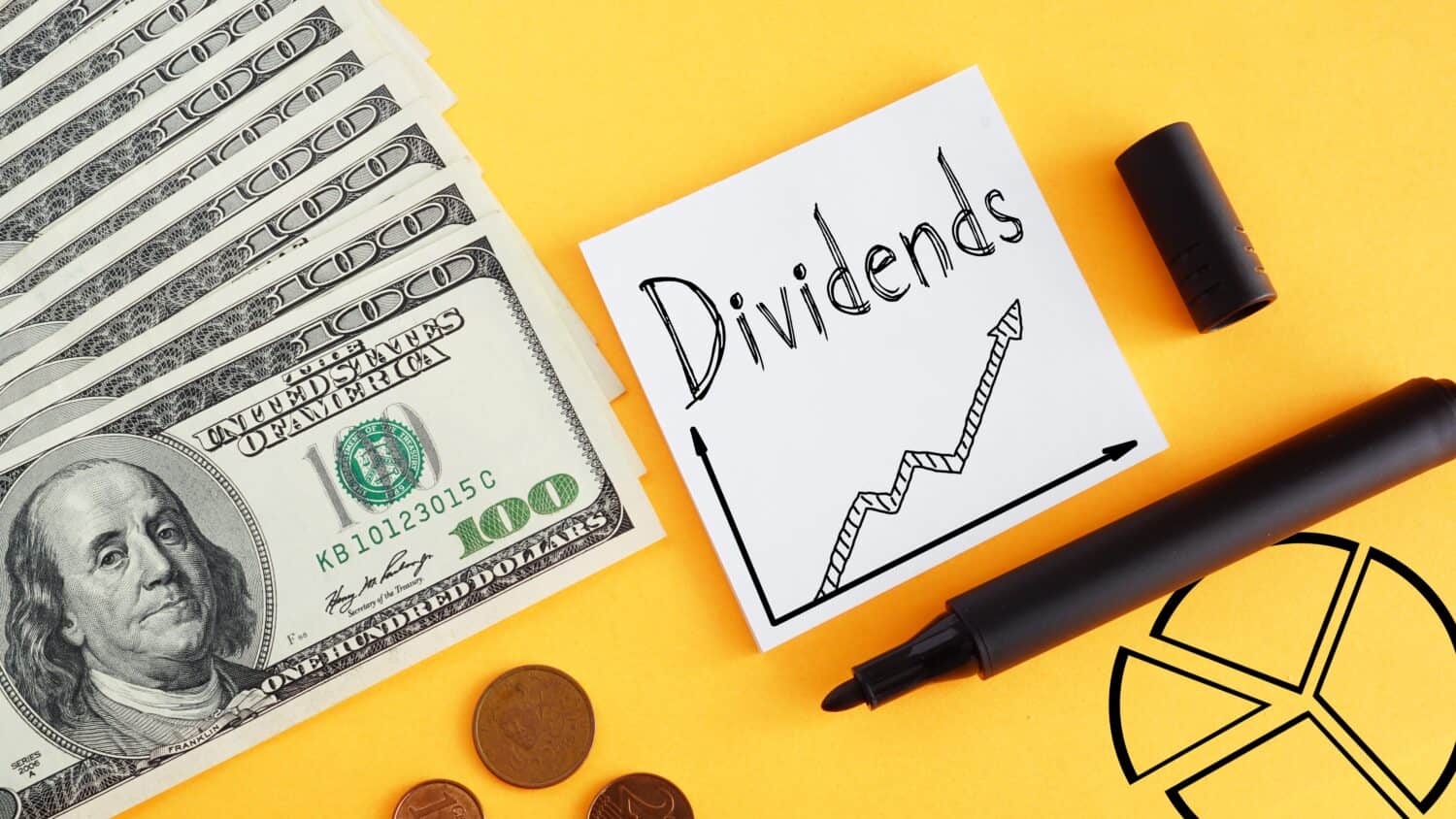
One smart investment strategy is investing in companies that pay quarterly dividends. A dividend is when a company makes a small payment to shareholders out of its profits. Some companies pay dividends in cash, while others use the money to buy additional shares. However, it’s important to know that not every company pays dividends.
11. Question
What is the difference between a bull and a bear market?
Answer: One Is Good, One Is Bad

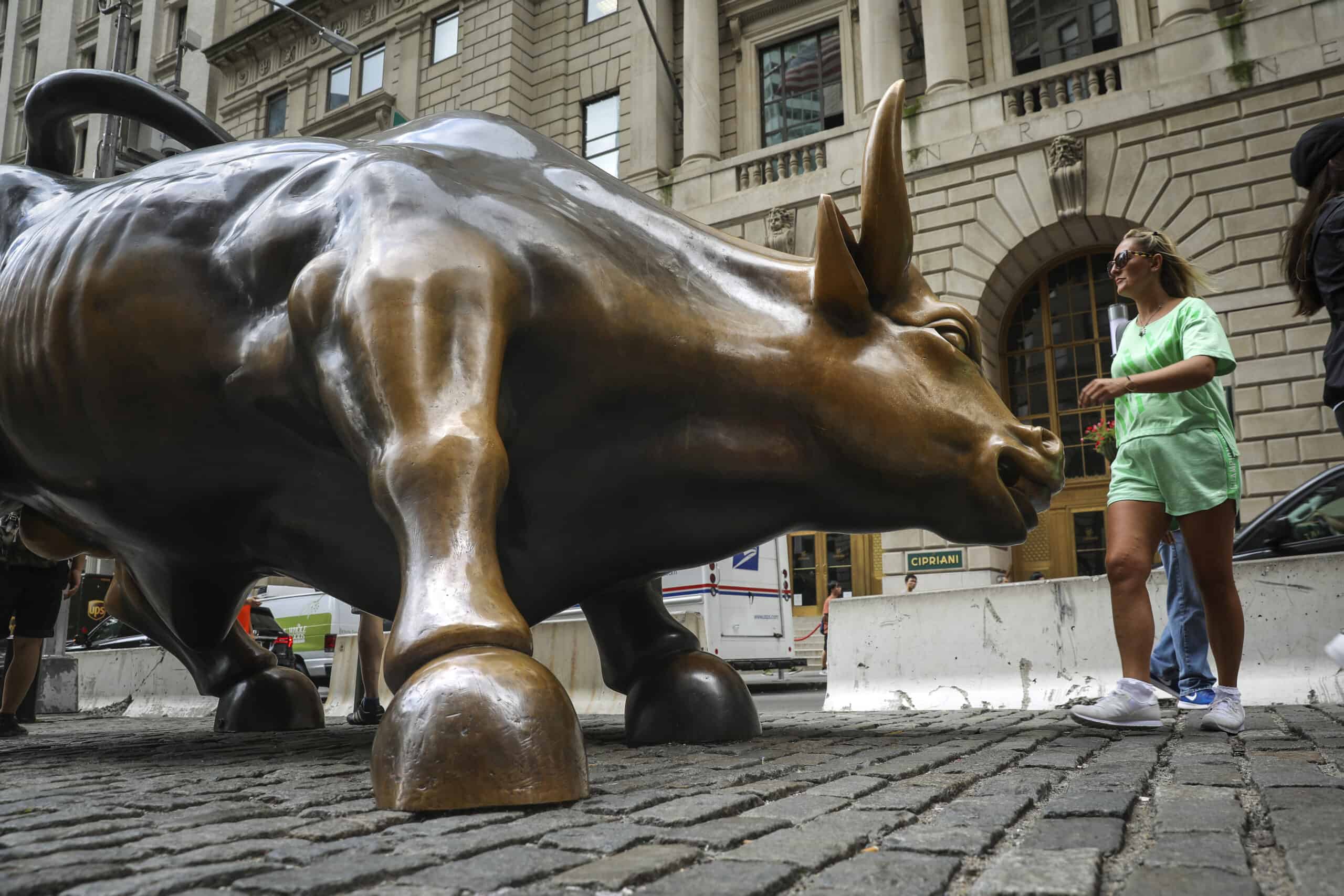
If we are in a bull market, it’s a moment when the stock market is on the rise, while a bear market means it is falling. The reality is that both bull and bear markets are standard parts of the stock market cycle, but they have different effects on investment strategy. It’s important to remember that market swings in both directions are not uncommon or a reason to panic.
12. Question
What is the difference between a Roth IRA and a traditional IRA?
Answer: Tax Implications
One of the biggest investment opportunities that can put money toward retirement is the IRA. Generally speaking, you have both a Roth IRA and a traditional IRA. A Roth IRA allows you to make after-tax contributions, while retirement withdrawals are tax-free. A traditional IRA uses pre-tax contributions, and withdrawals are taxed as income. You should work with a financial advisor to determine your right choice.
13. Question
When is the right time to sell a stock?
Answer: It Varies

One of the biggest questions anyone invested in the stock market has to answer is when to sell stock. The trouble is that there is no specific answer, and the answer depends on various factors, including a business’s fundamentals. Consider selling a stock if you have already made some big returns and want to spread these returns out of your investments into different or new opportunities.
14. Question

How much does it cost to buy a stock?
Answer: Various Prices

The short answer to how much it costs to buy a stock depends on how you buy it. If you use an investment firm and have a financial advisor, you will pay a transaction fee, likely at the end of each quarter. However, if you use a self-directed investment strategy, there may be zero cost to buy a stock, which made the investing app Robinhood very popular with retail traders.
15. Question
What is the difference between an ETF and a mutual fund?
Answer: Different Strategies
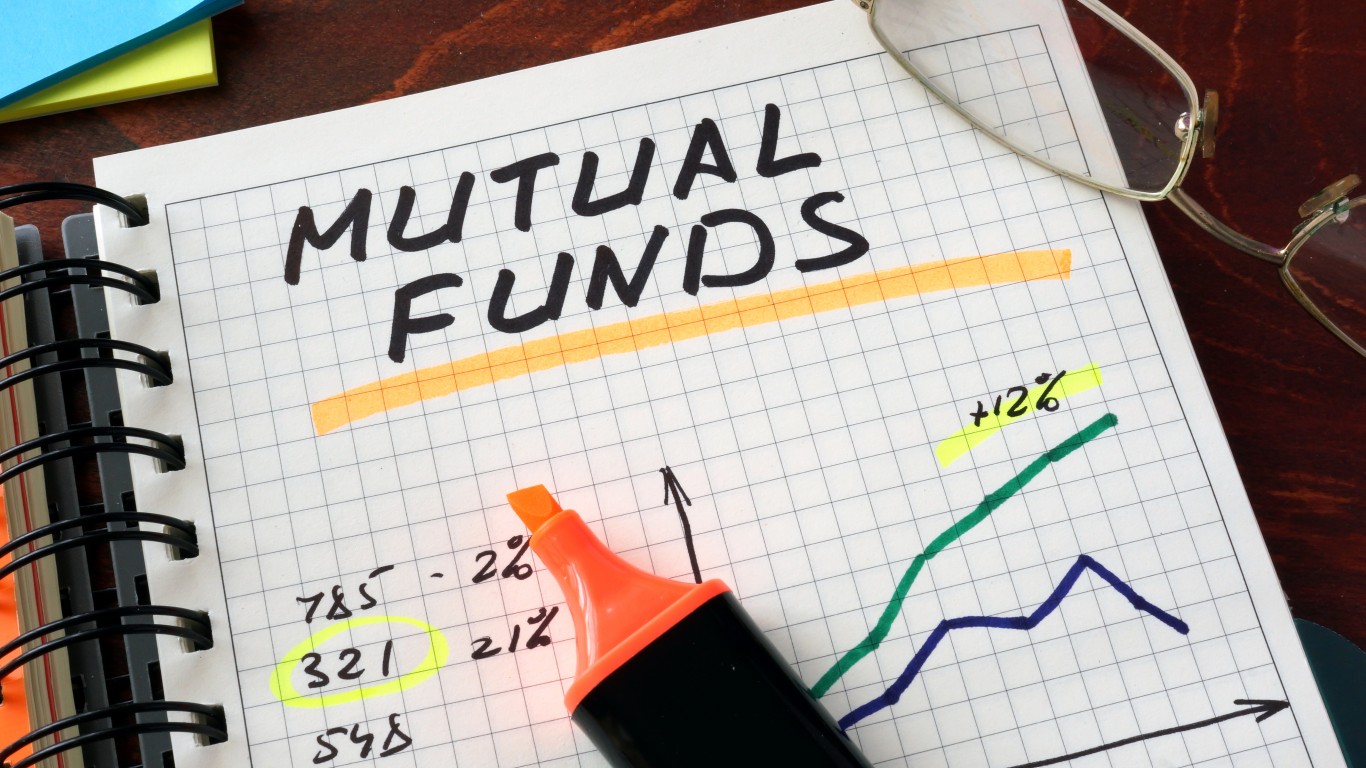
If you choose to invest your money in an ETF, you are generally looking for an option that trades like a stock on an exchange and comes with lower fees. On the other hand, a mutual fund is more hands-off for investors. Professional financial advisors generally manage it as it is considered a safer long-term bet and has a low-risk tolerance.
16. Question
Should you pay off debt before investing?
Answer: Yes, Absolutely

If you have the free cash to pay off your high-interest debt before investing, you should do so. However, this can be a little more nuanced, but only if the interest on your debt is lower than the percent you expect to make on the market. For example, paying off the debt first makes more sense if you have a credit card with 22% interest but only expect to make between 5-7% back on the market.
17. Question

Is there a bad time to start investing?
Answer: No

Some brilliant and wealthy people believe they know how to time the market, but the reality is that timing the market is very challenging. In other words, there is no bad time to start investing as you want to make money as soon as possible. While the stock market has its bear and bull moments, the reality is that the market has gone up over time.
18. Question

What kind of returns should I expect from stock market investments?
Answer: 5-6 Percent

Most investors with a moderate risk profile often see an average return between 5-7% per year. Some years are higher, and some can be lower, but this is a consistent average rate of return. Knowing this number can help you work backward to determine how much you would want or need to invest to hit the number you feel comfortable having as part of any retirement portfolio.
19. Question
Should you open up a brokerage account?
Answer: Yes, Maybe
If you want to own diverse investments, opening a brokerage account, preferably with a qualified financial advisor, is smart. Once a brokerage account opens, you can purchase stocks, ETFs, mutual funds, bonds, and other investments to increase the yearly return rate.
20. Question

How do I properly balance my portfolio?
Answer: Financial Advisor

One of the best things about working with a financial advisor is that they can help you create the right balance. For someone in their mid-40s, having a 60% stock and 40% bond portfolio might be the right move. However, for someone already retired, you might want to use a 70% bond and 30% stock split to reduce the risk due to market volatility.











 Top Gaining Stocks
 Top Losing Stocks