



As someone who spent the first part of her career working a stressful finance job, I can definitely relate to workplace burnout. In fact, I found my first job so stressful that despite the generous paycheck, I wound up quitting after five years and taking a major pay cut for a while to do creative work that was much easier on my brain.
Because of my experience, I can totally relate to this Reddit post. Here, we have a 36-year-old male who’s accumulated about $4 million in assets but is totally stressed out at work.
To be clear, the part I can relate to is the stress part — not the $4 million at age 36 part. So it goes. But I remember the days of waking up dreading work and being unable to relax after work because I was so wound up after spending hours in a somewhat toxic environment.
Like this Reddit poster, though, my income doubled at a time when my stress level hit its maximum. So I pushed myself to stay at that job a bit longer than I wanted to in order to bank more of that generous salary, but eventually had to cut ties. And this poster is wondering what his next move should be.
With $4 million to play around with, this poster certain has the option to retire early. But that’s not a route I’d advise taking.
The problem with a very early retirement
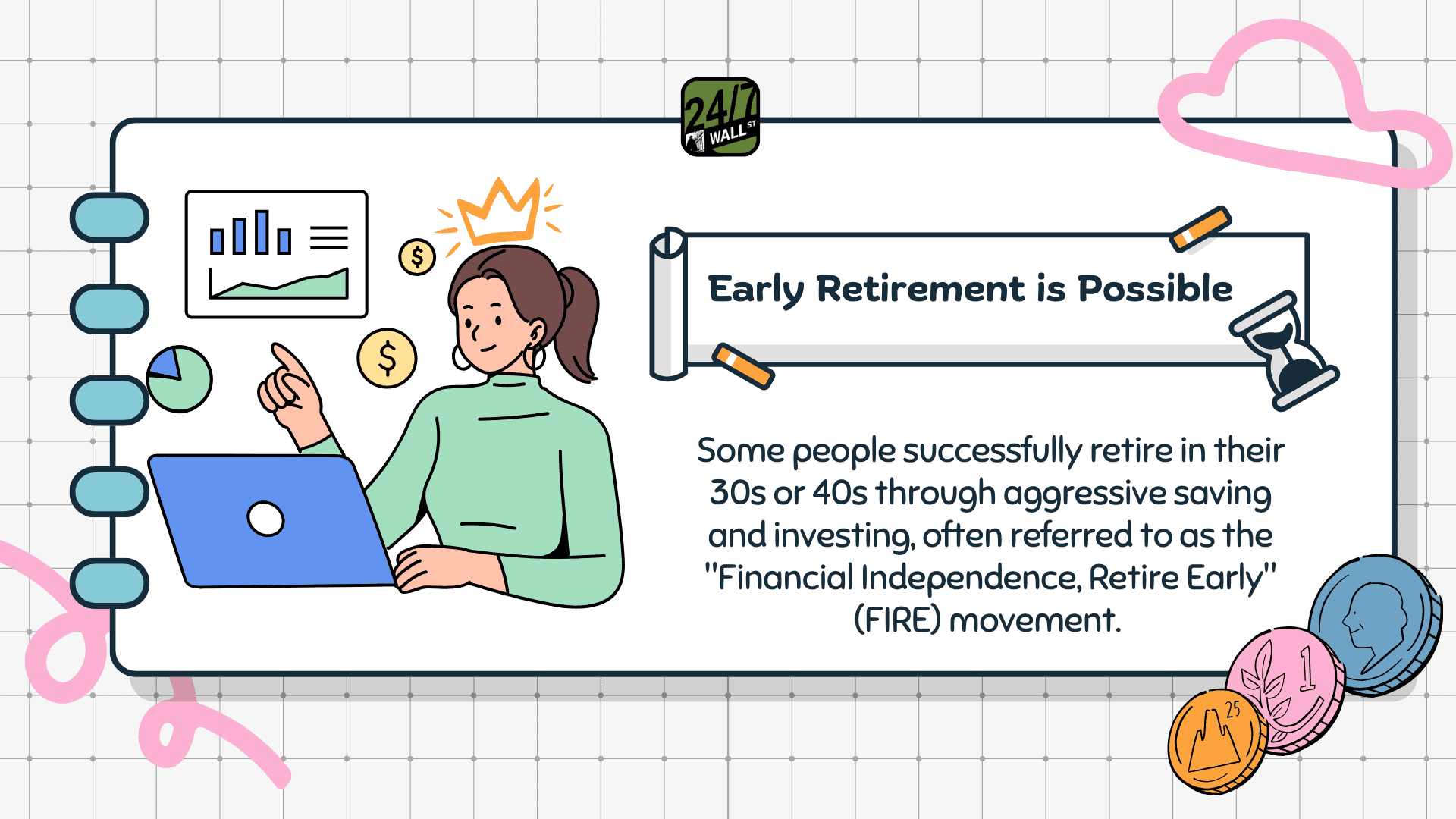
It’s possible to retire in your 30s with $4 million if you manage your savings and spending wisely. But while that’s a decent sum to retire on at 36, there are risks.
At that point in life, you might easily need your money to last a good 50 years or longer. And if you retire at 36, that’s a lot of years of paying for health insurance yourself before Medicare kicks in.
Also, I think there’s a mental risk to retiring that early. It’s one thing to take a year off from the grind. But when you’re in your mid-30s and retired, you might struggle to find a lot of other people in your boat. Your social circle might inevitably get whittled down, and you might struggle to find ways to fill your days. So while a tough job might have you thinking about a very early retirement, I’d suggest an alternate approach.
There may be a middle-ground solution
I don’t think it’s a healthy thing to stay at a high-stress job. But I also don’t think it’s such a financially healthy thing to retire in your mid-30s, even if you have $4 million.
I mean, sure, if the poster above had $14 million, I’d maybe be saying something different. But while $4 million is a nice amount of money, it’s not a huge amount for a retirement that could end up spanning 50 years or more.
So what I’d suggest that this person do is find a job that’s much less stressful — even if it means taking a big salary cut. If he can find a job that pays just enough to cover his costs, he can continue to work without having to tap his savings for a while. At the same time, he can take a pivotal step toward preserving or improving his mental health.
I also think it would be perfectly okay for the poster to take some time off of work to get a much-needed reset. Maybe he needs a three-month break, or a six-month break. He can certainly afford it, so why not?
Finally, I think the poster above — and anyone in a similar situation — should talk to a financial advisor about options. An advisor’s job is to offer personalized guidance, and given the many factors at play here, I think that’s extremely important.












 Top Gaining Stocks
 Top Losing Stocks