


Investing is one of the core components of building long-term wealth. While it’s possible to grow your income and stash more money in the bank, assets like stocks and real estate can multiply your money in the long run.
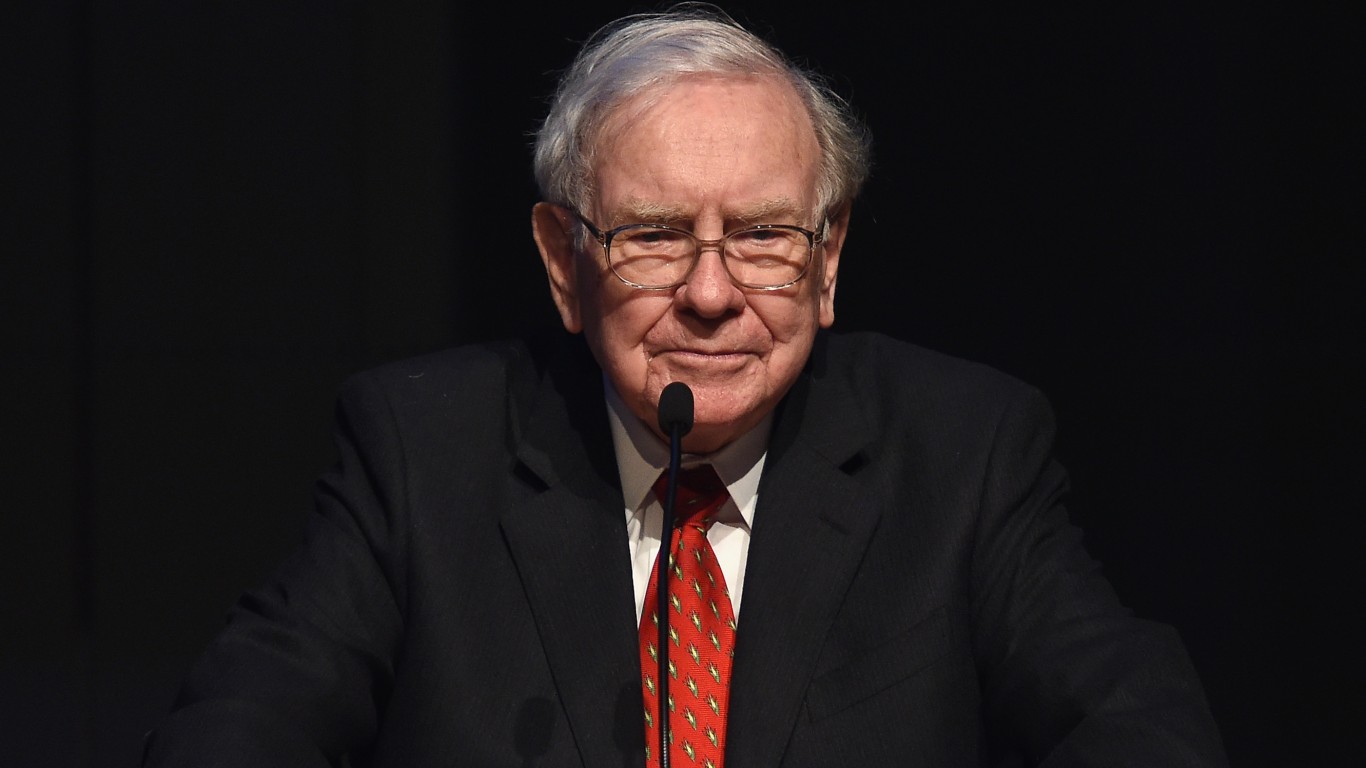
Unfortunately, it’s easy to overlook portfolio contributions, with other expenses taking the spotlight. While you have to prioritize necessities over buying stocks, that doesn’t apply to discretionary spending. Investors should prioritize buying stocks over making non-essential purchases, and a quote from Warren Buffett captures this sentiment.
The legendary investor advises investors not to save what is left after spending. Instead, you spend what is left after saving. Here’s how the advice can strengthen your finances.
List Your Expenses

While food and water take priority over investing, you should put money into your portfolio before paying for subscriptions, luxury items, and other non-essentials. Listing your expenses can help you differentiate the necessary costs from the ones that are hurting your long-term returns.
After listing your necessary expenses, check how much money you have left to spend. Instead of spending the money right away, proceed to contribute money to your portfolio. You can set a minimum target, such as contributing 10% of your income to your portfolio. After reaching that 10% threshold, you can spend the rest as you’d like.
Some people gradually raise the total percentage of each paycheck that they invest. For instance, you can start by investing 10% of every paycheck and get that figure up to 12% by the end of the year. Any incremental gain will put you in a better position to grow your long-term wealth.
The Power of Compound Growth

The main selling point of long-term investing is that your portfolio can generate sizable long-term returns if you accumulate steady returns each year. Any small differences in your annualized return or your annual contribution can have a seismic impact on long-term wealth.
While it’s hard to control your annualized return, you have full control over how much you put into your portfolio each year. If you are starting with no portfolio and contribute $500/mo for 30 years while generating an annualized 8% return, you will end up with a $679,699.27 portfolio.
While that’s a good portfolio, your returns become much larger if you contribute a little more each month. Investing $1,000/mo under the same assumptions will secure you a $1.36 million portfolio in 30 years.
Quick Budgeting Tips

A simple way to view budgeting is listing your expenses and deciding what to cut. You have to keep all of your expenses within your income, but creating a larger gap will give you more money to invest.
Looking at past credit card statements and reviewing subscriptions is a great place to start. You may find subscriptions that you haven’t used in a while and others that have become redundant. Most people don’t need to be subscribed to every streaming platform, and they can find great movies in the library for free.
You can also consider making shift purchases when you can. Buying discounted fashion items instead of the latest fashion products can save you a lot of money. Finally, you can buy tech that isn’t the latest and greatest. Instead of buying the latest iPhone, you can buy a model that was released a few years ago.












 Top Gaining Stocks
 Top Losing Stocks